Schlosspark Charlottenburg
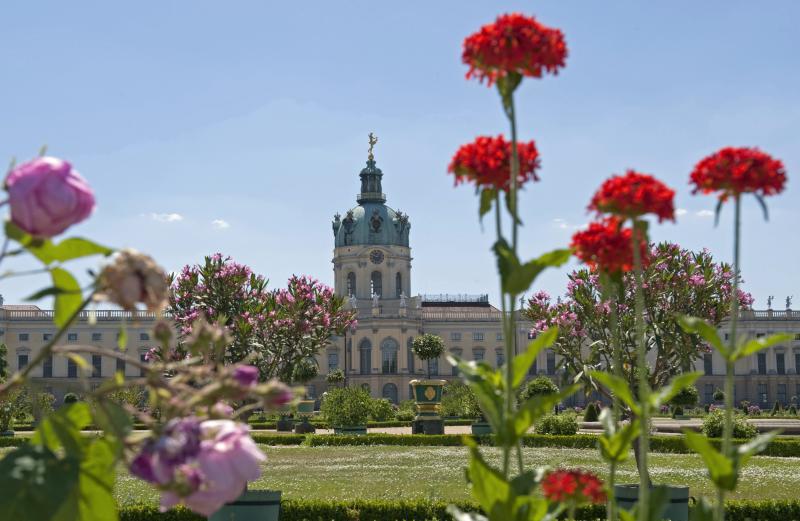
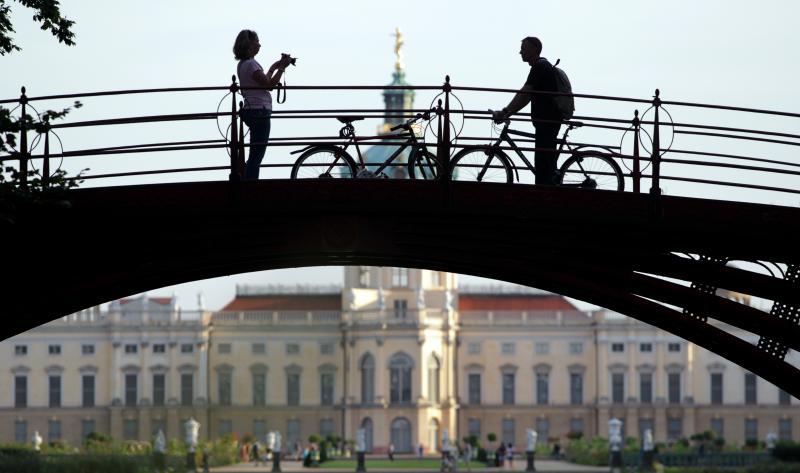
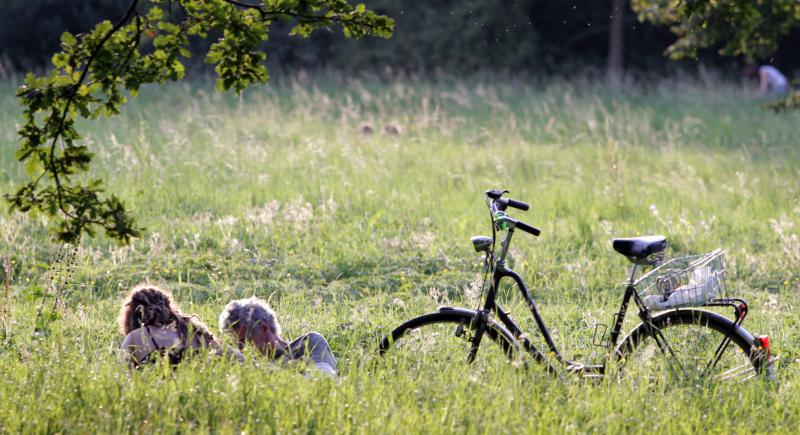
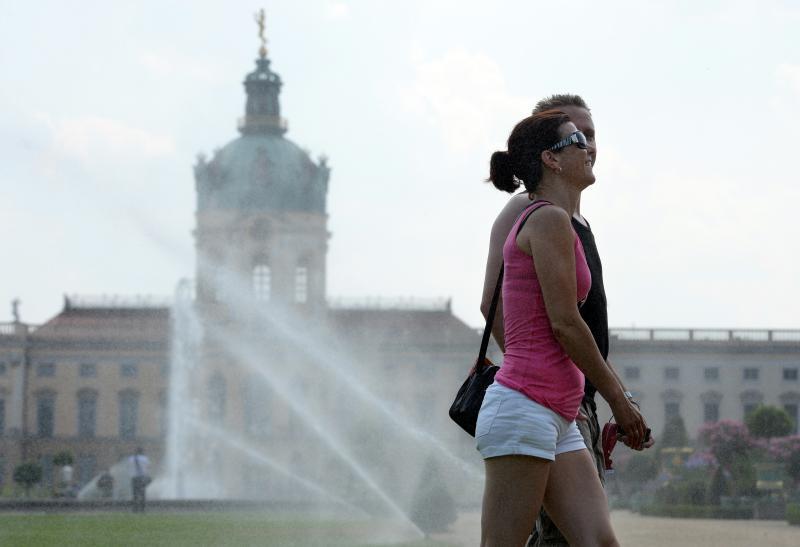
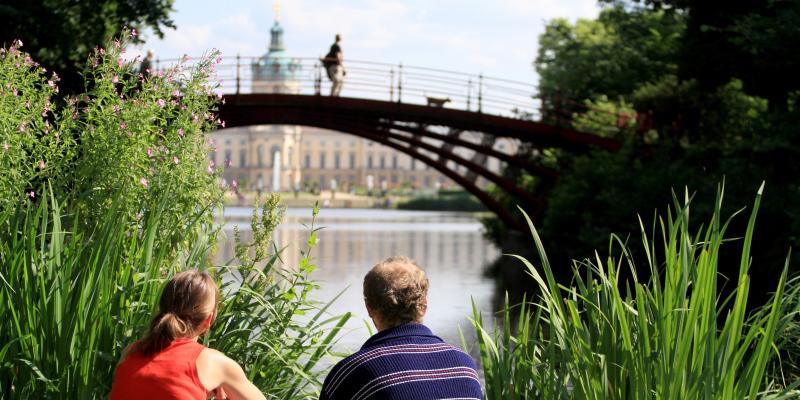
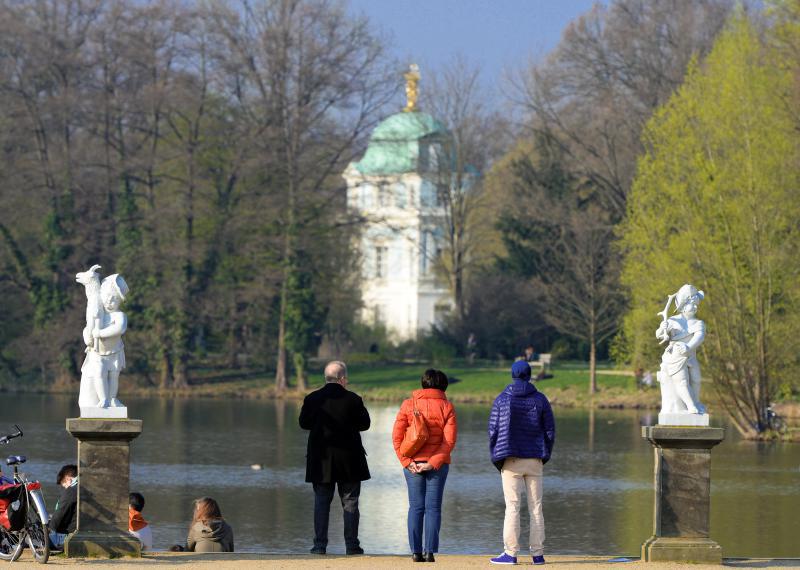
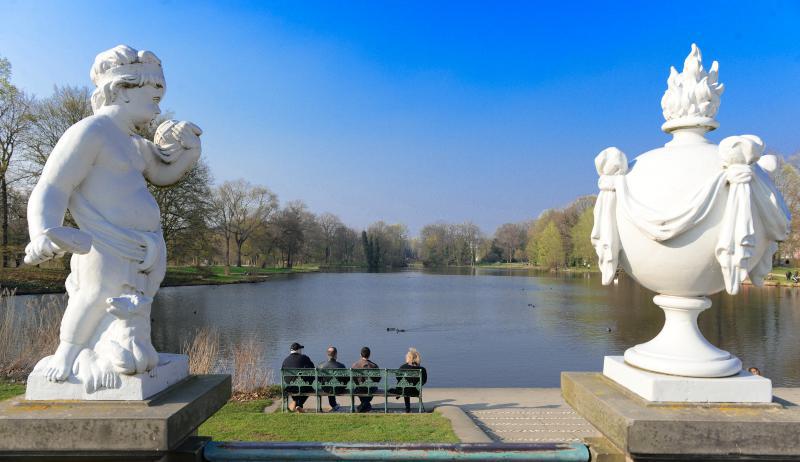
Behind the baroque Charlottenburg Palace lies one of Berlin's oldest garden complexes, laid out for Sophie Charlotte from 1695 and opened in 1699. Siméon Godeau designed the parterre in the French style, and Lenné later transformed it into a landscape garden with a carp pond, mausoleum, and Luiseninsel (Luise Island). Among Berlin's parks, this is the most formal.
Charlottenburg Palace Garden: from Baroque Garden to Landscape Park
The Charlottenburg Palace Garden was laid out starting in 1695 for Electress Sophie Charlotte and opened in 1699 with a grand celebration. It was designed by Siméon Godeau, a student of the Versailles court gardener André Le Nôtre, creating one of the first Baroque gardens in the French style in the German-speaking world. From 1788, Johann August Eyserbeck converted the complex into a landscape garden, and from 1819, Peter Joseph Lenné continued this work. Characteristic to this day is the layout along the central axis behind the palace, with the Baroque parterre, the large water basin with a fountain, and the broderie patterns of boxwood and gravel. This parterre is considered the only one of its kind in Germany and was faithfully reconstructed in 2001. Behind it, an extensive network of paths opens up down to the Spree river.
Mausoleum, Belvedere, and New Pavilion in Charlottenburg Palace Garden
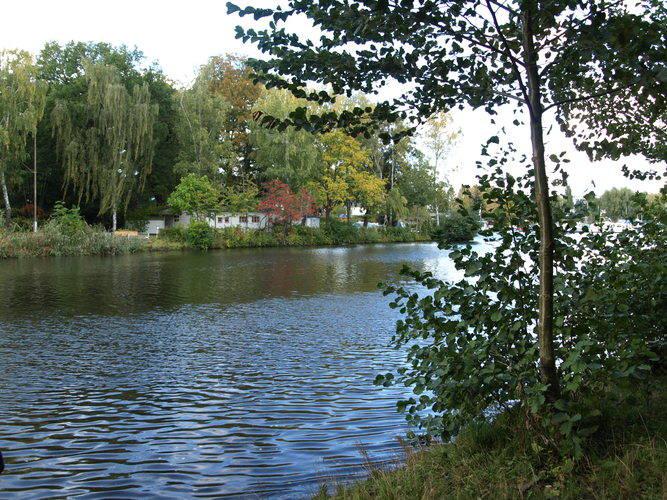
Among the lawns stand the buildings that give structure to the visit. Frederick William III had the Mausoleum built by Heinrich Gentz after the death of Queen Luise in 1810; Emperor William I and Empress Augusta also rest in the crypt below, and Christian Daniel Rauch’s marble monument from 1814 stands in the hall. Admission costs three euros. The New Pavilion, built in 1824 and 1825 by Karl Friedrich Schinkel as a summer house in the style of a Neapolitan villa, now showcases art from the Schinkel era, including paintings by Caspar David Friedrich. The Belvedere by Carl Gotthard Langhans from 1788 stands on an island in the landscape garden and houses the world’s largest KPM porcelain collection, but remains closed until further notice. Twelve euros are charged for the Old Palace. Barbecuing and ball games are not allowed in the palace garden; instead, there are lime avenues, a carp pond, and Luiseninsel (Luise Island) for enjoyment.

Top10 Redaktion
Erfahrungsbericht vom 20.10.2026
Admission
The Palace Garden itself is free. The Mausoleum costs 3 Euros, the Old Palace 12 Euros, the New Pavilion 8 Euros, the Charlottenburg+ combi-ticket 19 Euros.
Public Transport
Bus M45 and 309 to Schloss Charlottenburg or Klausenerplatz, Bus 109 to Luisenplatz. U7 Richard-Wagner-Platz and U2 Sophie-Charlotte-Platz are within walking distance.
Parking
Around the palace, parking zones 132 to 134 have been in effect since December 2024. The Palaces and Gardens Foundation also designates paid parking spaces for cars and buses.
Barbecue
Barbecuing and open fires are prohibited in the palace garden, as are ball and sports games, skating, and playing music.
Dogs
Dogs are allowed but must be kept on a short leash. There is no off-leash area in the palace garden.
Highlight
The Baroque parterre behind the palace is considered the only one of its kind in Germany and was faithfully reconstructed in 2001.
Special Feature
The garden boasts 357 plant species across 54 biotope types, including a protected bald cypress tree approximately 230 years old.
Good to Know
The Belvedere, housing the world's largest KPM porcelain collection, is closed until further notice.
Opening Hours
- Schlosspark: Daily
- Schloss CharlottenburgSaison: April to October
Address
Spandauer Damm, 14059 Berlin, Deutschland
https://www.spsg.de/schloesser-gaerten/objekt/schlossgarten-charlottenburg/