At Stadtnatur Berlin, birthdays are not celebrated indoors but out in the Plänterwald in Treptow: three hours of hut building, tracking and stealth games, led by nature educators and expressly for children aged three and up. The flat rate is 180 Euros for up to fifteen children, and families bring their own food along into the forest.
Nature
162 Locations - Page 4
Nature is closer than you think in Berlin, one of Europe's greenest capitals, ringed by forests, lakes and rivers. From the Grunewald to Tempelhofer Feld and the city's many parks, nature offers space to walk, swim, cycle and breathe.
This overview gathers Berlin locations for nature, from large forests and lakes to parks, gardens and nature reserves. Some focus on hiking and wildlife, others on swimming, picnics and quiet green escapes.
Browse the places below to find the best nature spots in Berlin, compare options and opening hours, and plan your visit.


Located on the tranquil Beetzer See near Kremmen in the Ruppiner Seenland, Hotel and Spa Sommerfeld is a wellness hotel by the water north of Berlin, exclusively for adult guests. Instead of hustle and bustle, there's forest, water, and an 800 square meter spa.


In Grunewald, directly on Teufelssee in Charlottenburg-Wilmersdorf, Berlin's oldest preserved waterworks is full of life: The Ökowerk Berlin combines nature conservation, environmental education and genuine outdoor experiences into an excursion destination that captivates children and families alike.


A neo-baroque manor house directly on the Großer Lankesee in Löwenberger Land: The Seehaus at Schloss Liebenberg combines historical charm with a peaceful hotel operation, about 60 kilometers north of Berlin. 18 double rooms, a bathing jetty, and lots of surrounding forest.


Pankow is Berlin's greenest district, and this bike tour shows why: from the listed Bürgerpark to Schönhausen Palace with the city's only original Rococo hall, and to the Karower Teiche (Karow Ponds), where over 60 bird species breed. The route is practically flat, a good 26 kilometers long, and takes about an hour and a half to ride.

Where Berliners have been getting their bodies in shape since the 70s: The Trimm-Dich-Pfad (Fitness Trail) in Grunewald, Dahlem, is an outdoor fitness classic and forest walk rolled into one. Free, in the middle of the forest, and back in shape after modernization.


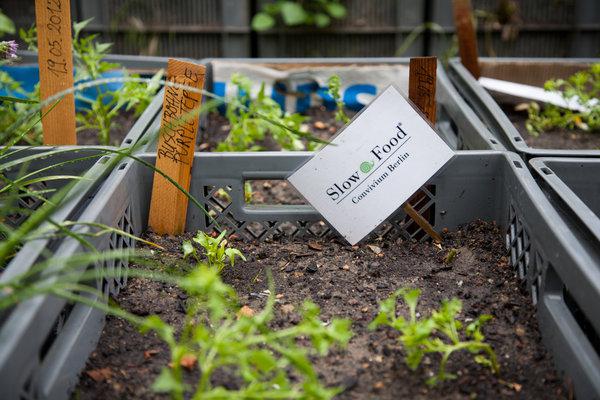
On the former Prinzessinnengarten site at Moritzplatz in Kreuzberg, a non-commercial, self-organized neighborhood and inclusion garden has been created. Those who garden here do so according to the principles of permaculture - collaboratively, democratically, and open to all.


In Grunewald, by Teufelssee in Charlottenburg-Wilmersdorf, the Ökowerk Berlin Nature Conservation Centre transforms the Easter holidays into a real spring adventure. Research, crafts, and nature discoveries for children aged 7 to 12, directly in Berlin's oldest waterworks.

Only accessible via the old Abteibrücke bridge: The Island of Youth in Alt-Treptow offers a green escape from the asphalt. A beer garden, boat rental, and an evening cultural program turn this small Spree island into a holiday destination without having to leave.

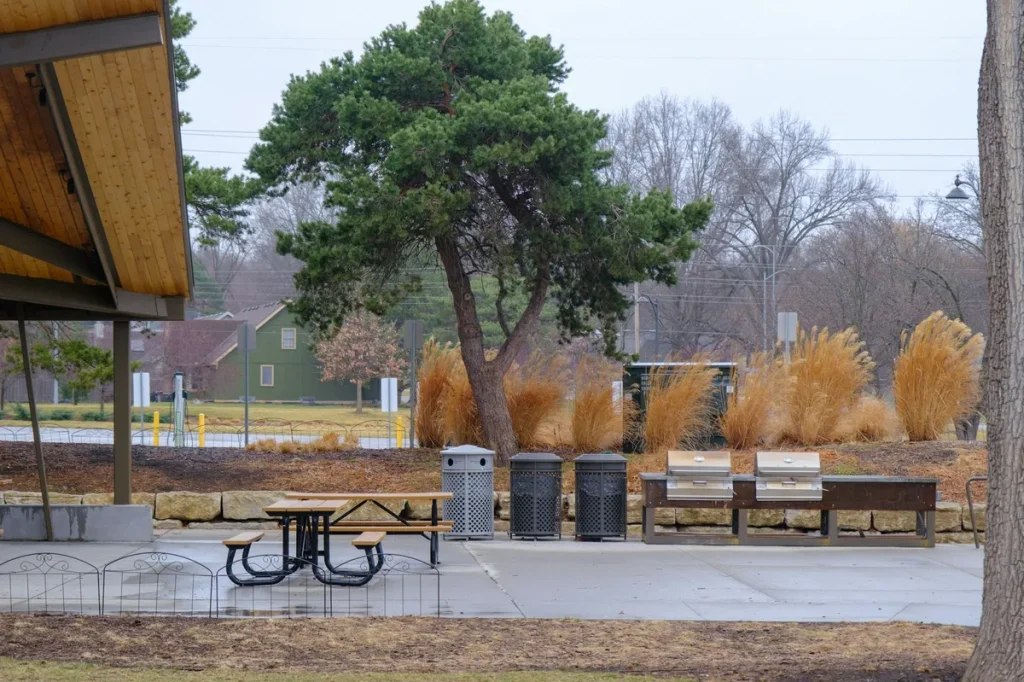
Reinickendorf does not have a freely accessible barbecue area, but it does have three bookable barbecue spots with permanently installed electric grills at the Lübars Family Farm. Each spot includes a covered seating area, drinking water, and a lantern, rented hourly for a fee and deposit. Grilling in the park here means: reserving instead of fighting for the last spot.


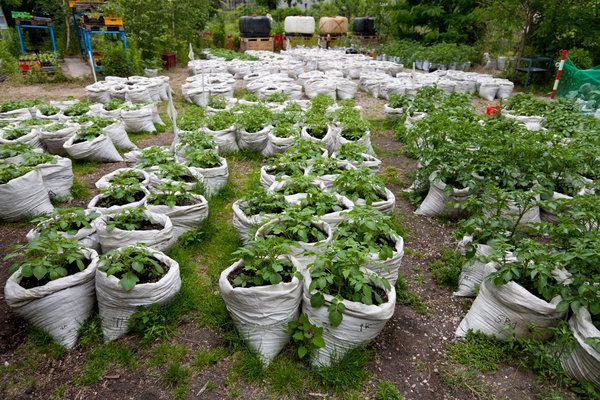
Gardening has been practiced since 2009 on approximately 6,000 square meters of former wasteland on Prinzenstraße in Kreuzberg, first as Prinzessinnengarten, and after the collective moved to Neukölln, as the independent Moritzplatz Neighborhood Garden. Vegetables and herbs grow in bakery crates and rice sacks; there are no private plots, and admission is free.


Since 1720, the extensive grounds of Späth'sche Nurseries in Berlin-Treptow have stood for vibrant garden culture on historic soil. As Germany's oldest tree nursery, it combines one of Berlin's largest plant markets with garden seminars, show gardens, and a guesthouse under trees that you won't soon forget.

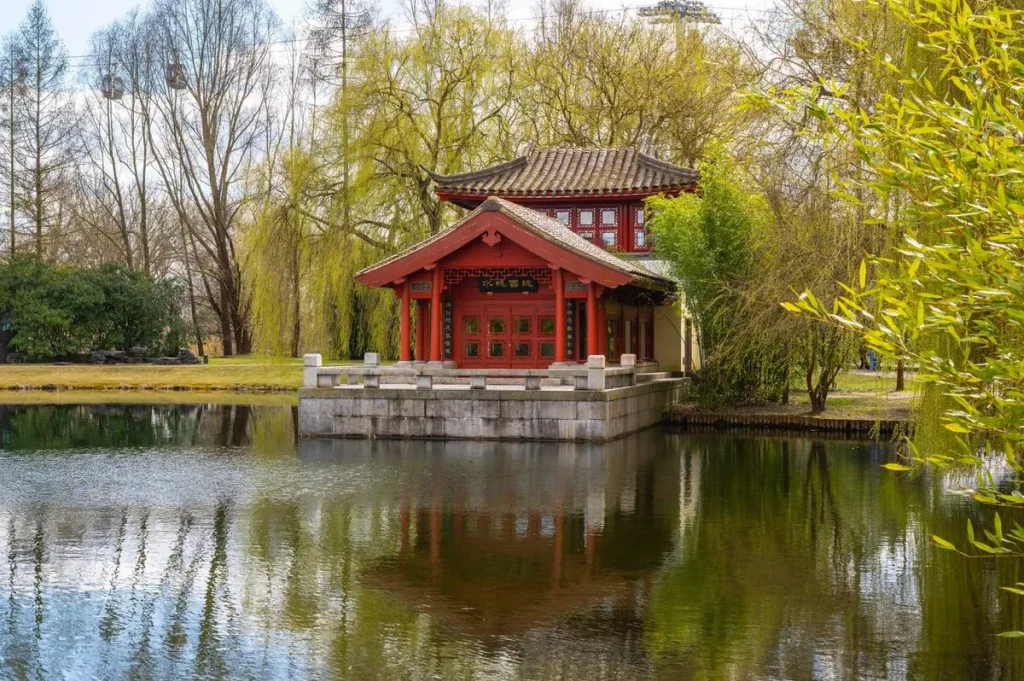
In Marzahn-Hellersdorf, the Gardens of the World gather eleven theme gardens and nine garden cabinets, from the Chinese Garden with its teahouse to the Balinese Garden under glass. Berlin's only cable car runs across the grounds up to the Wolkenhain on Kienberg. As a Sunday program, this offers options from a short stroll to a full afternoon.


In the hilly Upper Lusatia, near Bautzen, the Romantik Hotel Schloss Gaußig welcomes its guests in a Palladian-Classical castle from the year 1700. Only 16 rooms, a 30-hectare landscape park, and an exclusive spa make this castle hotel one of the most private wellness retreats in the Berlin area.


The Tegelsee Cycle Route of the Reinickendorf district office is a 20-kilometer circular route with twelve stations; start and finish are at Tegel S-Bahn station. Along the way are Berlin's oldest tree, the Sechserbrücke bridge from 1908, and the Borsigturm, the city's first high-rise. Approximately two hours should be planned for the pure cycling time.


Knight's castle meets lakeside idyll: The 4-star superior hotel The Lakeside Burghotel in Strausberg, on the edge of the Märkische Schweiz, combines English castle ambience with a 700 m² wellness oasis right on the doorstep of Berlin.

The Gardens of the World in Marzahn were created in 1987 as the Berlin Garden Show and grew to 43 hectares for the International Garden Exhibition 2017. Eleven theme gardens and nine garden cabinets lead from Beijing to Bali and Seoul; the Chinese Garden was the first of them. Above them, Berlin's only cable car glides up to 35 meters high over the Kienberg.


The Forest Museum with Forest School is located on Königsweg in Grunewald on the site of a former tree nursery. Inside, specimens, display boards, and interactive exhibits about the forest await, while outside there's a forest garden with play and discovery stations. At 1.00 Euro for children and 1.50 Euro for adults, it is the most affordable among Berlin's children's museums.

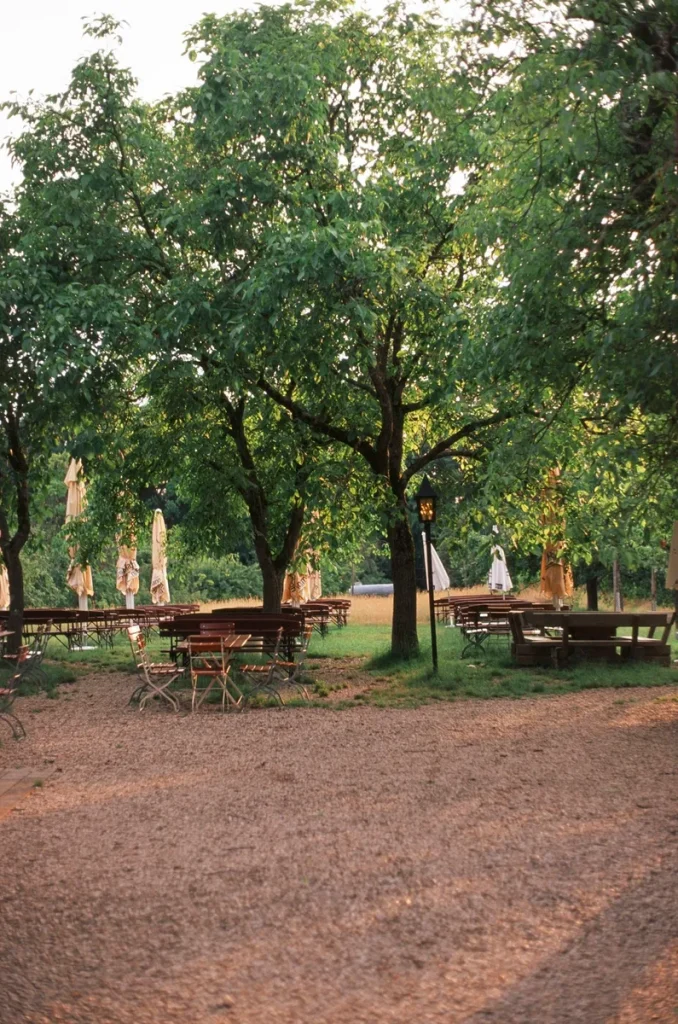
The Schleusenkrug has been around for more than six decades, set among trees right by the Tiergarten lock on the Landwehr Canal. An old boat on the grounds serves as a climbing frame, so children stay busy while the adults keep their seats.


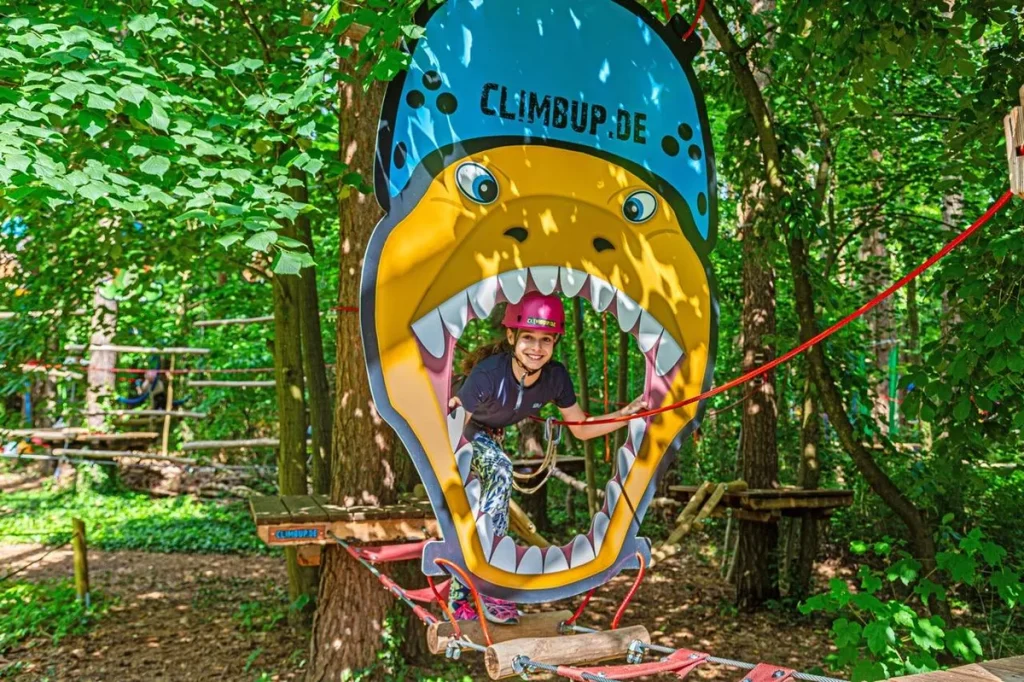
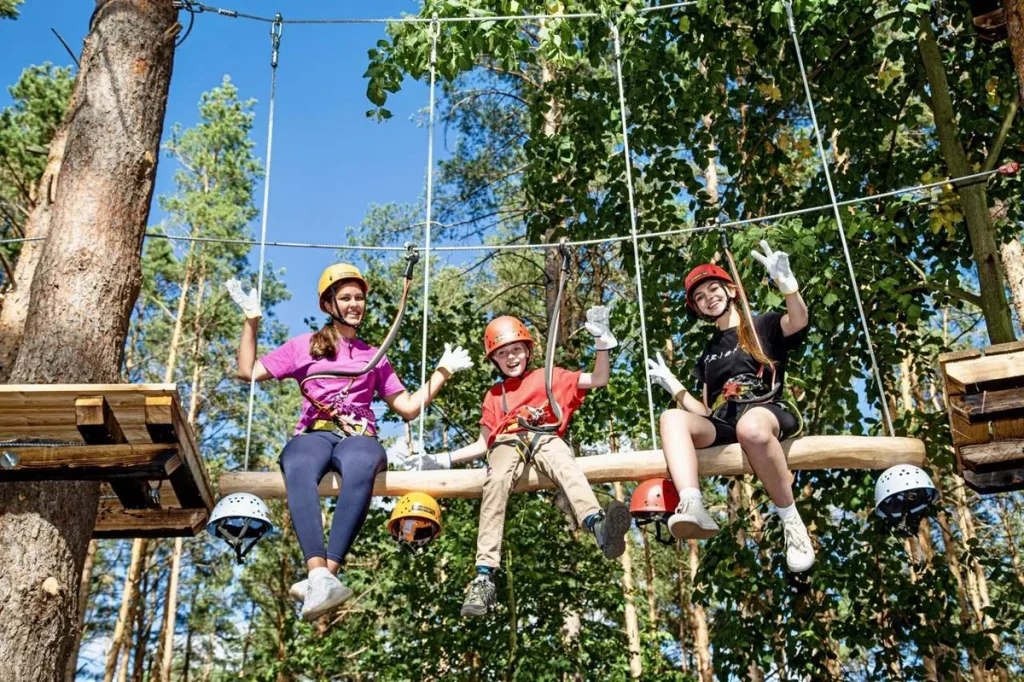
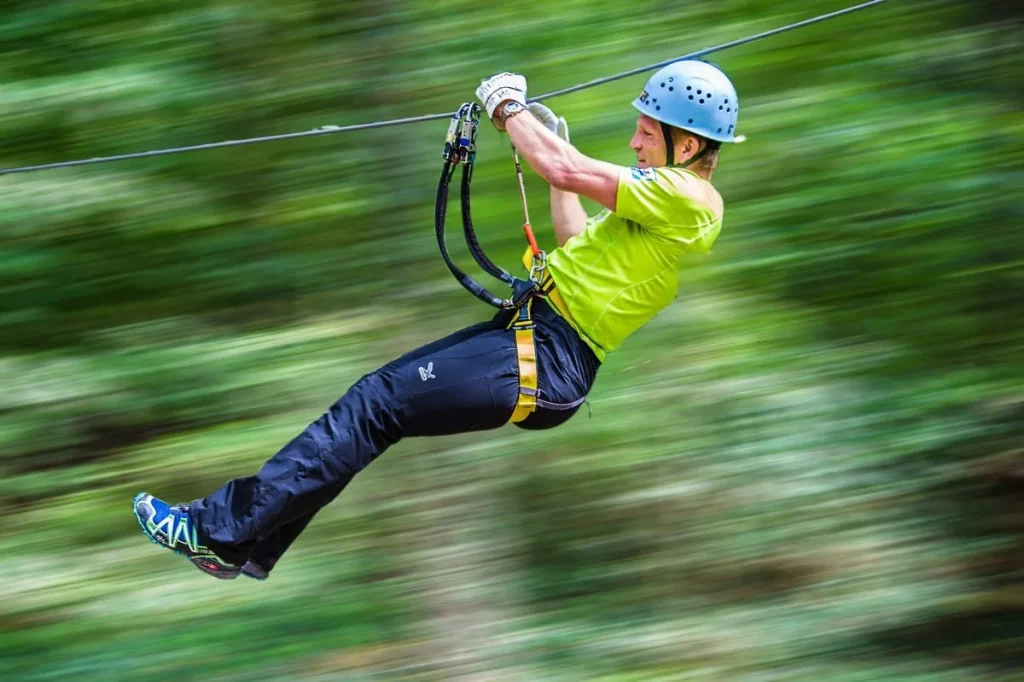
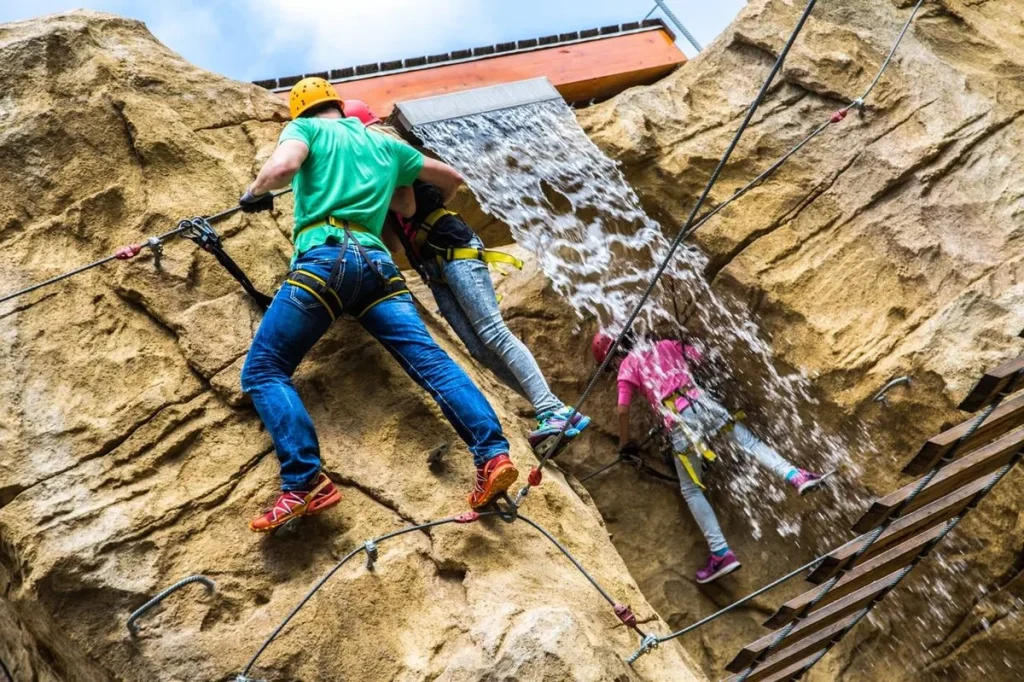
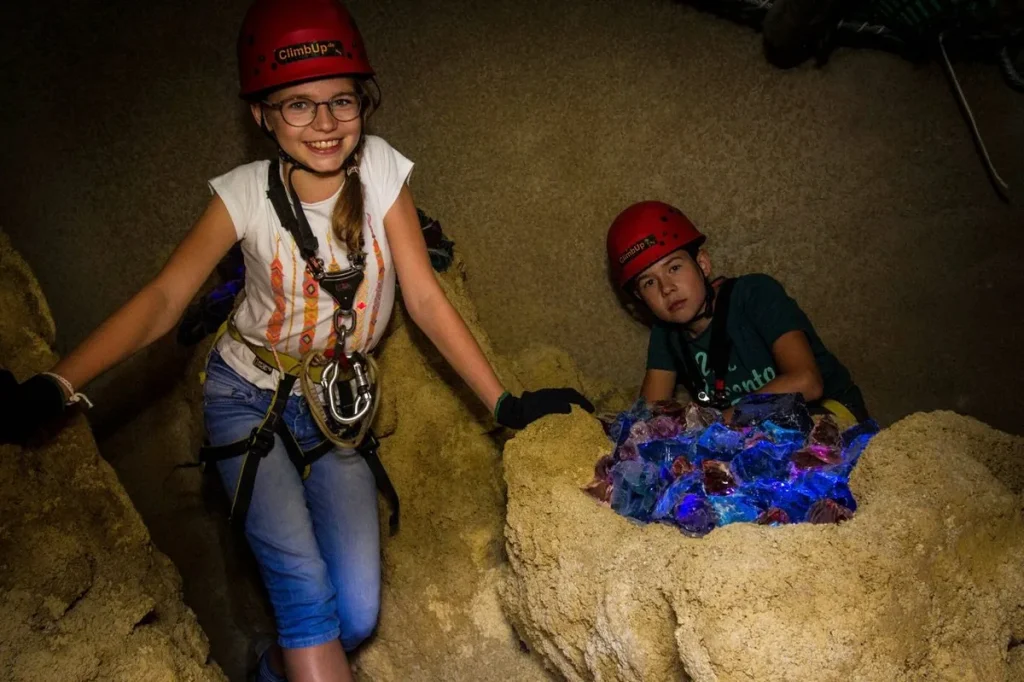
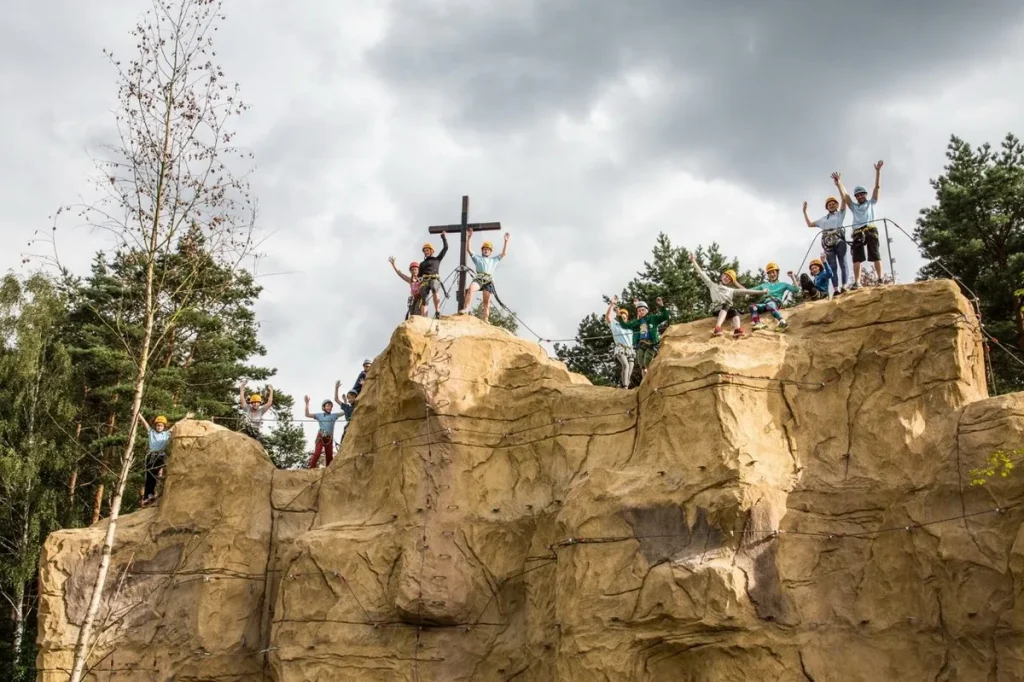
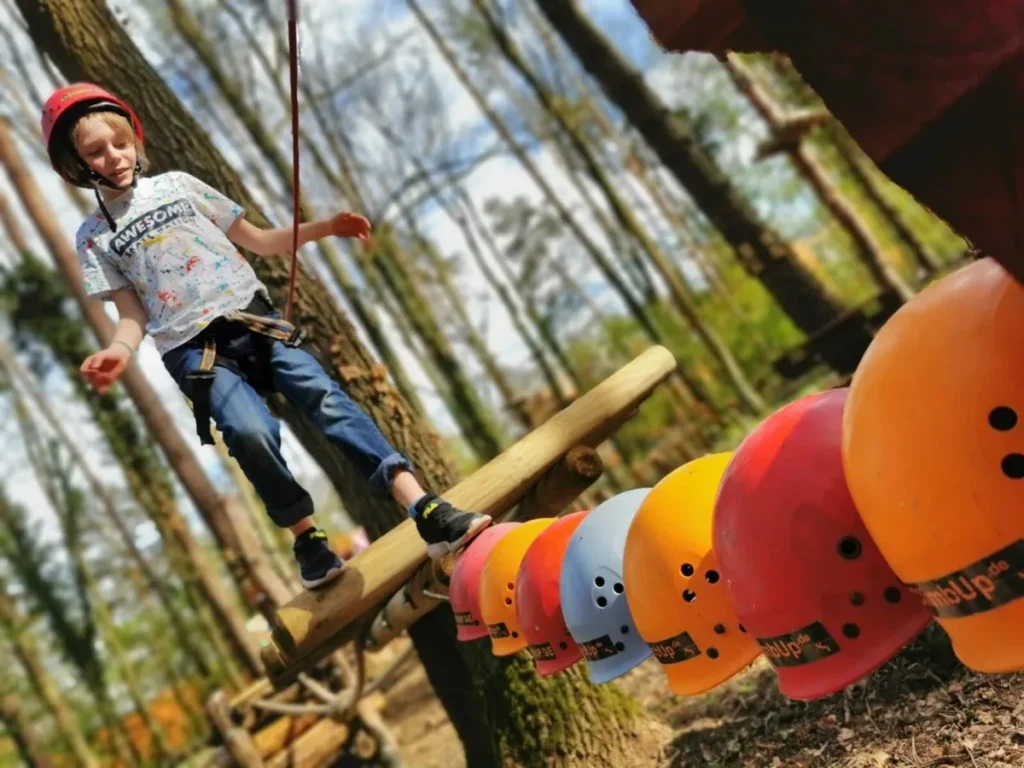
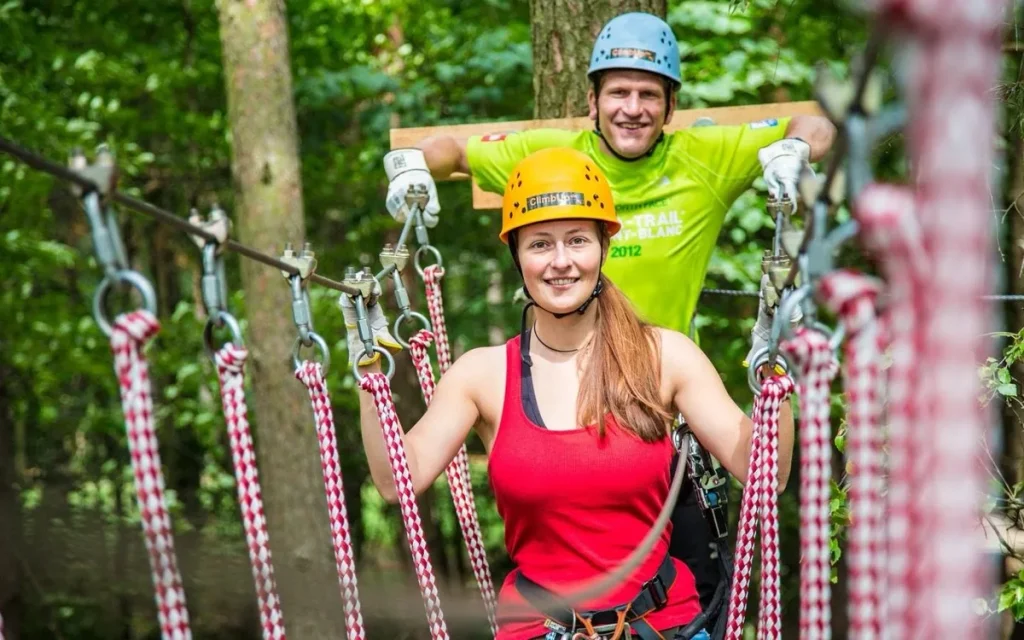
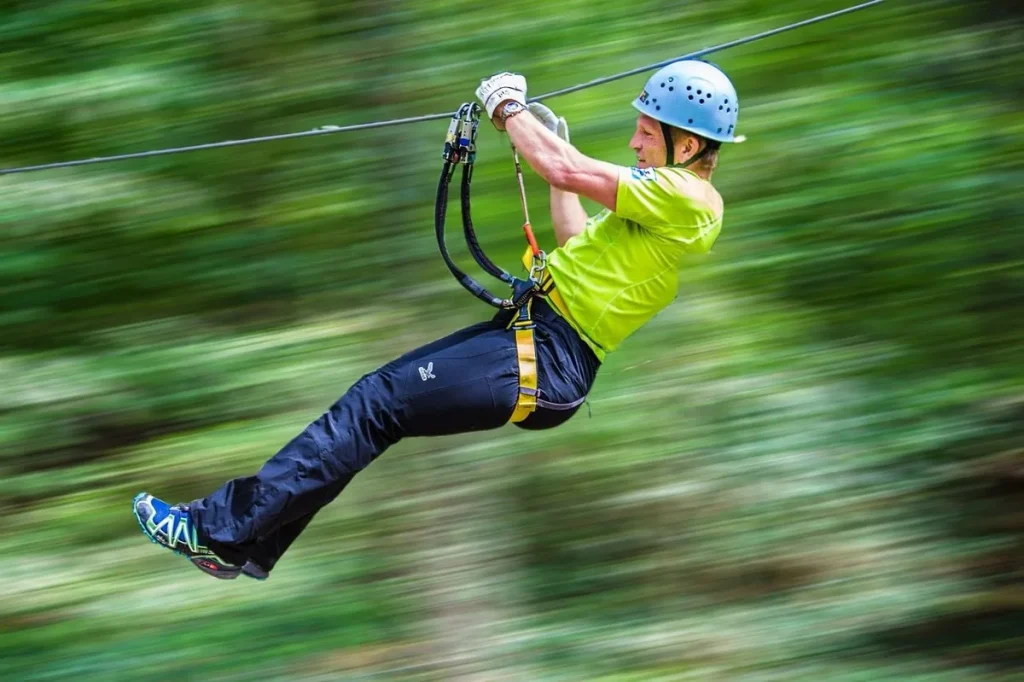
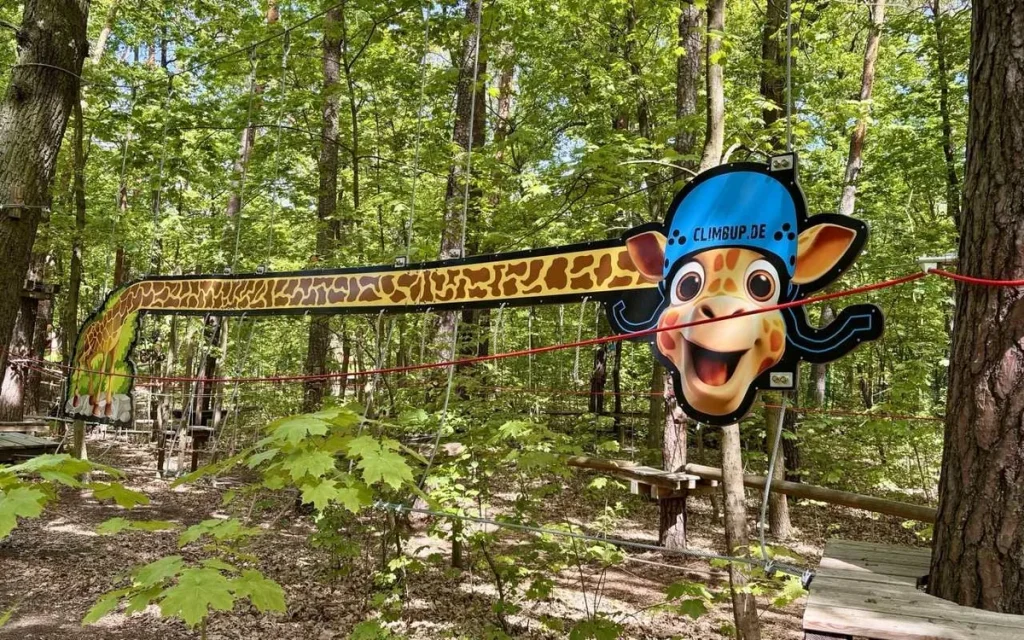
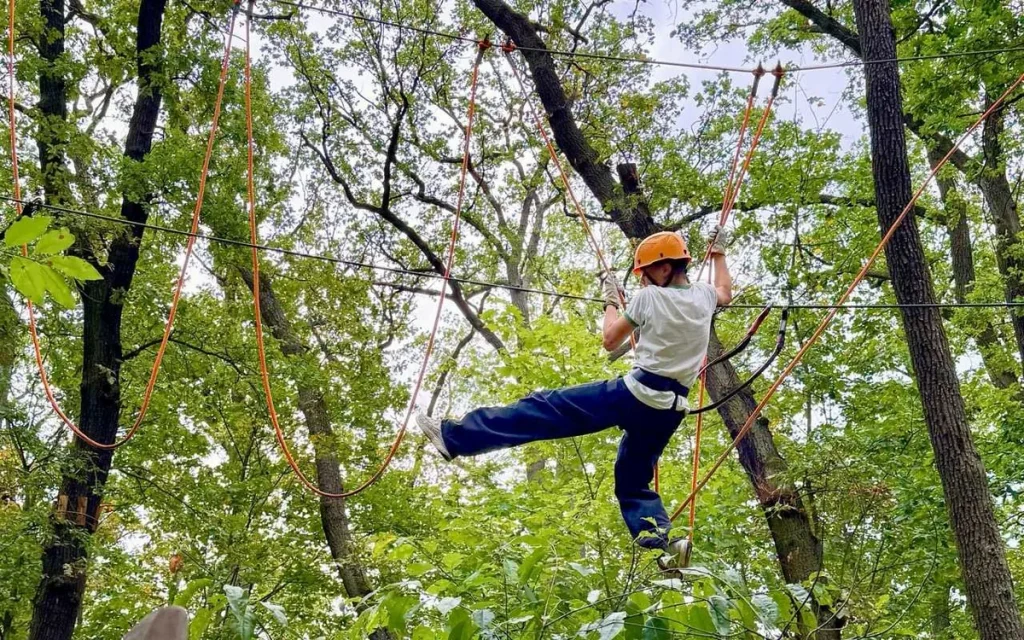
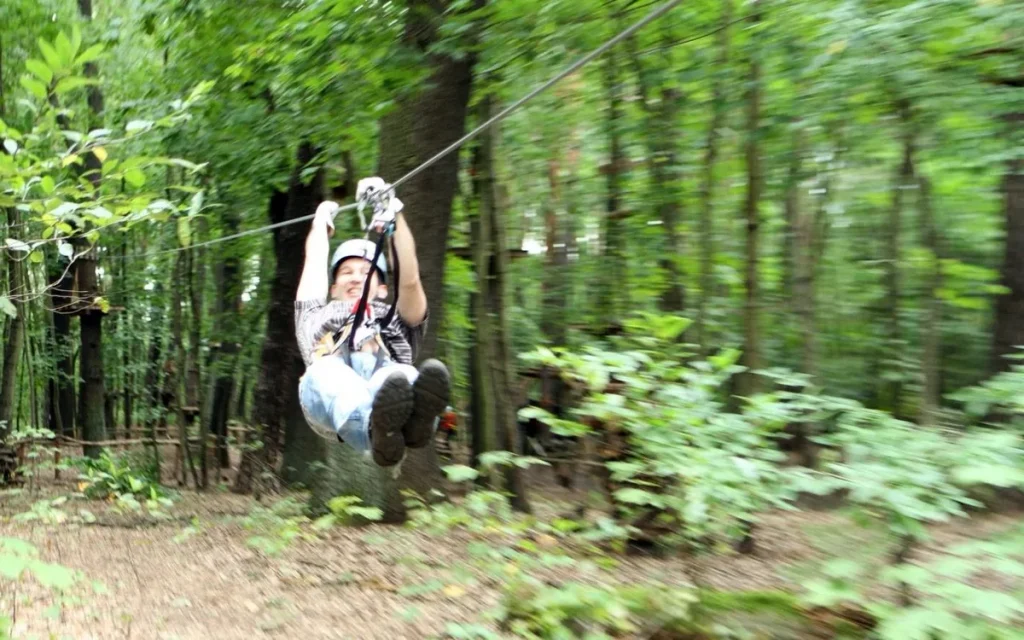
The CLIMB UP! climbing forest in Hennigsdorf sits on the former inner-German border strip right at the Berlin city limit, 500 metres from Heiligensee station. Thirteen courses run 2.9 kilometres through 70,000 square metres of mixed woodland, and the longest zip line measures 180 metres. Children from the age of three get their own Jungle Park.
Top10 Club Perk
Exclusive for Top10 Club members
Value ~ €14


One of Berlin's most imaginative playgrounds awaits in Volkspark Friedrichshain, right on the border with Prenzlauer Berg. Tipis, totem poles, and wobbly bridges transform this expansive adventure playground into a world of its own. Both young and old will find their territory here.


The Spree section near Hangelsberg is closed to boats with internal combustion engines, which is why paddling at Kanusport Spree is as quiet as almost nowhere else in the Berlin area. Over 80 boats are available for rent, from beginner kayaks to five-person canoes, plus one-way tours with boat transport to Erkner. The RE 1 takes about 40 minutes from Berlin-Mitte to get directly there.

At the northernmost tip of Reinickendorf, not far from the village center of Lübars, lies a historic manor: The Alte Fasanerie dates back to a royal pheasant farm from 1740 and is now Berlin's green answer to the children's farm. Alpacas, goats, Pomeranian geese, and real pheasants await visitors here.

An indoor activity for rainy days and an exciting family trip can be had at the SEA LIFE Center with the AquaDom near Alexanderplatz.

The jogging trail around the Waldbühne begins on Glockenturmstraße in Westend and leads through Murellenschlucht and Schanzenwald, a forty-hectare dry valley on the edge of Grunewald. The full loop measures six kilometers over gravel, forest paths, and stairs. To alleviate heartbreak, the mental space this route creates is particularly crucial.