
With eight courtyards spanning 27,000 square meters, the Hackesche Höfe in Berlin-Mitte is Germany's largest enclosed courtyard complex. Opened in 1906, it became public property after the war and fell into disrepair until it was renovated in the 1990s for 80 million Deutschmarks. German-German history is revealed here as a sequence of decay and reconstruction.
gdr
-

-

The Mauermuseum (Wall Museum) at Checkpoint Charlie stands directly at the former Allied control point on Friedrichstraße and has been collecting stories of escape from the GDR since 1963. On display are real escape vehicles, including a BMW Isetta, a mini-submarine, and a hot air balloon. 45 exhibition areas, including its own cinema, are spread across three levels.
-

Between Ostbahnhof and Oberbaumbrücke, the East Side Gallery stands as the longest preserved section of the Berlin Wall: 1.3 kilometers painted by 118 artists from 21 countries in the spring of 1990. Berlin has included the gallery in its list of monuments since November 1991. Among the Berlin Wall sites, it is the most colorful.
-

The Kino International on Karl-Marx-Allee was the premiere cinema of the DEFA and has been back in operation since February 2026 after a renovation costing around 15 million Euros. The floating foyer bar from 1963, the concrete relief on the side walls, and the panoramic bar have remained. For Ostalgie in Berlin, this is the place with the greatest contrast between concrete and glamour.
-
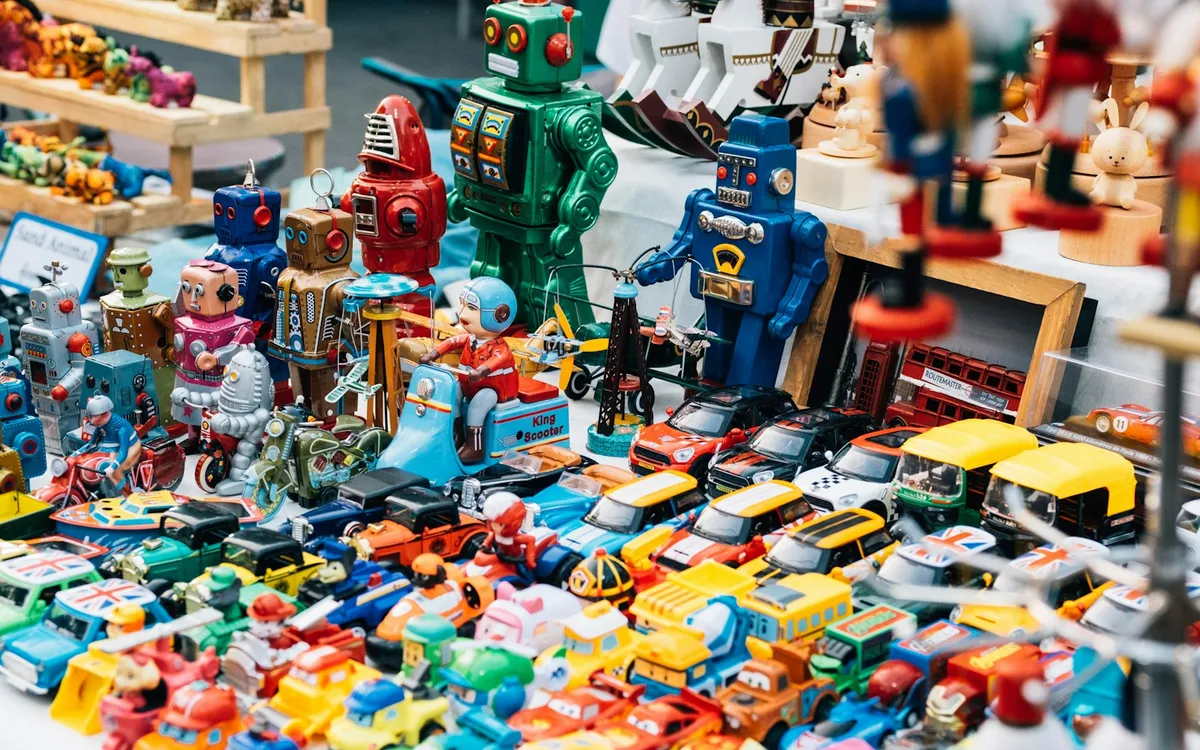
Uncle Philipp's Toy Workshop on Choriner Straße buys, repairs, rents, and sells toys. Below the store in Prenzlauer Berg is a small GDR Toy Museum with around 5,000 objects.
-

The Berlin Wall Trail is Berlin's most famous cycling tour: 160 kilometers on the former border strip, divided into 14 stages, all starting and ending at train stations. Over 40 information stations along the way tell the story of the division. It is not a fully developed cycle path; the surface alternates between asphalt, cobblestones, and forest floor.
-
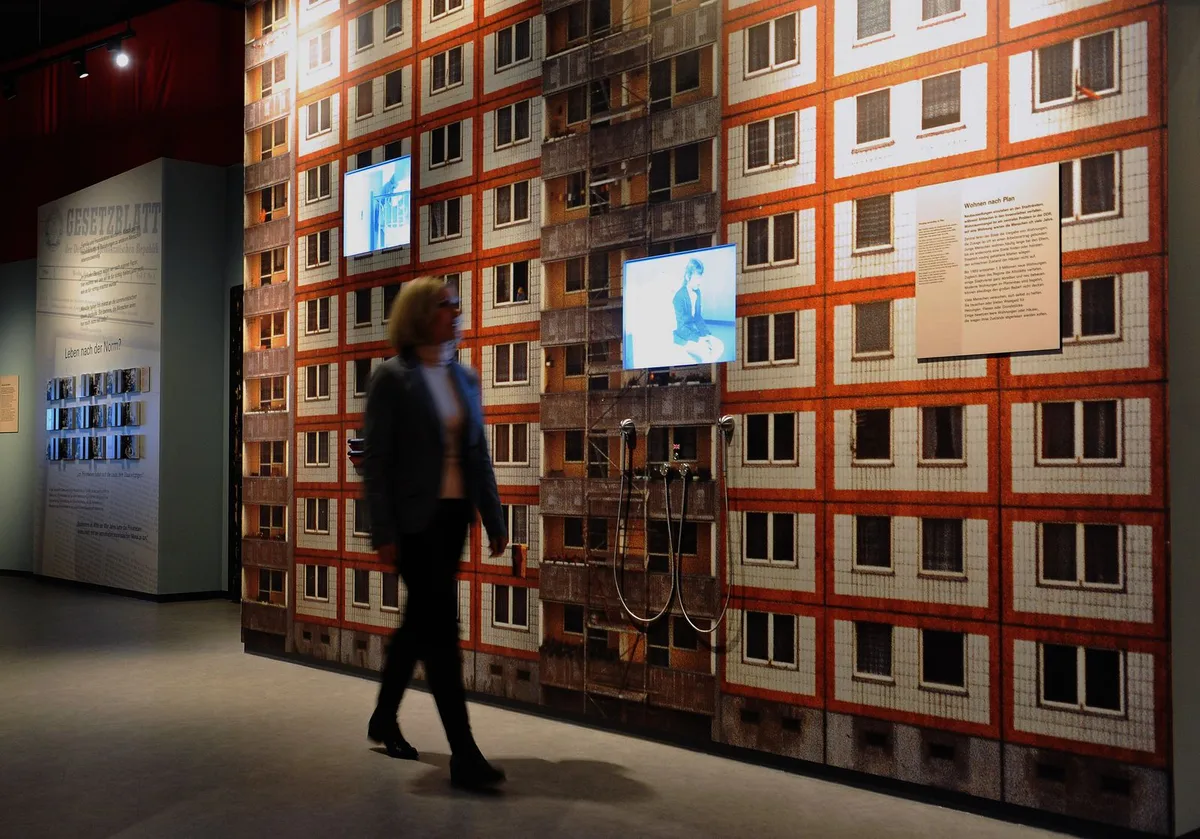
Located in the heritage-protected brick building of the former Schultheiss Brewery in Prenzlauer Berg, the Museum in the Kulturbrauerei shows what life in the GDR was really like. The permanent exhibition "Everyday Life in the GDR" makes history tangible, and admission is free.
-
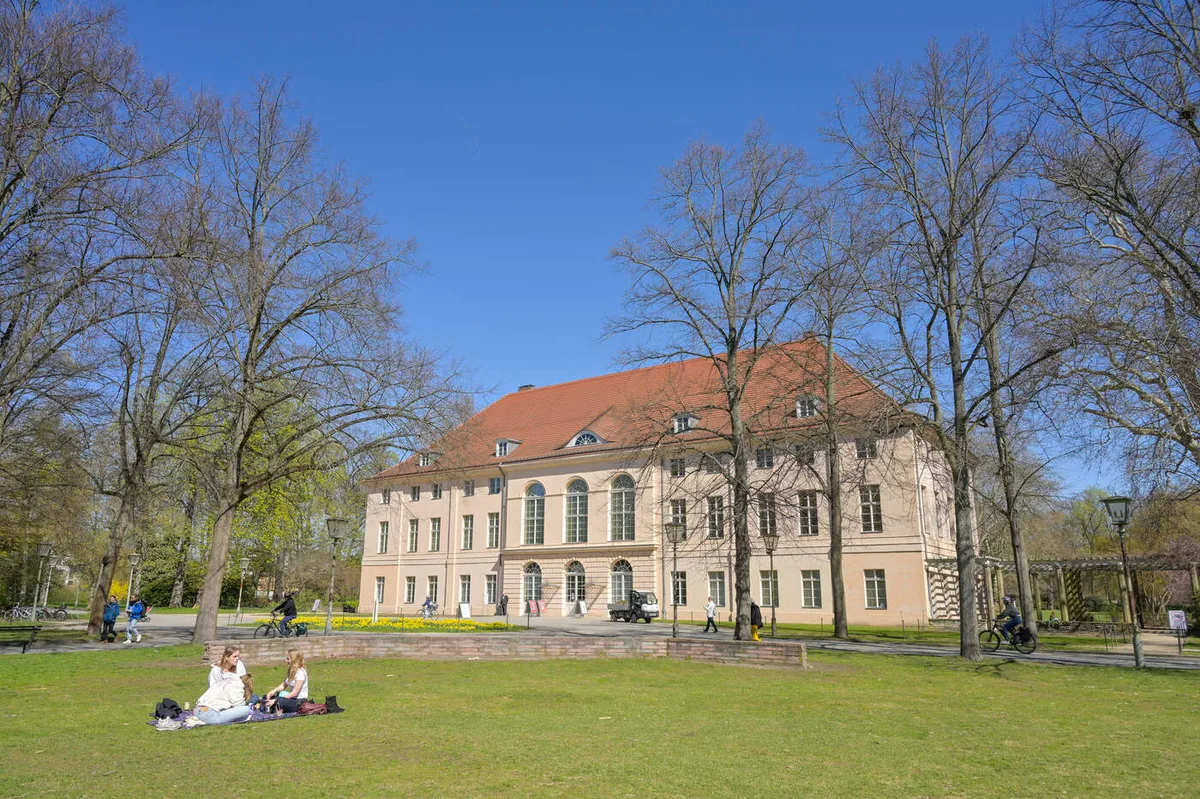
In Pankow, Schönhausen Palace is a Baroque building where Prussian and GDR history immediately follow each other. First the summer residence of Queen Elisabeth Christine, it served as Wilhelm Pieck's official residence from 1949 to 1960 and then as a guesthouse for the GDR government. In 1990, the Two Plus Four Talks on German reunification were prepared here.
-

The Wall Museum East Side Gallery is located in the old mill granary at the Oberbaum Bridge, i.e., in the former death strip. In 13 rooms, over 100 screens, original wall segments, and interviews with contemporary witnesses recount the years from 1945 to 1990. Those looking for 'Ostalgie' in Berlin will find a counter-narrative here: the GDR from the perspective of those who wanted to leave.
-

The Trabi Safari is a city tour in a vintage GDR car, affectionately nicknamed "Trabi". These little cars have earned cult status in the meantime and in a convoi of up to six vehicles you get to experience Berlin in a special way.