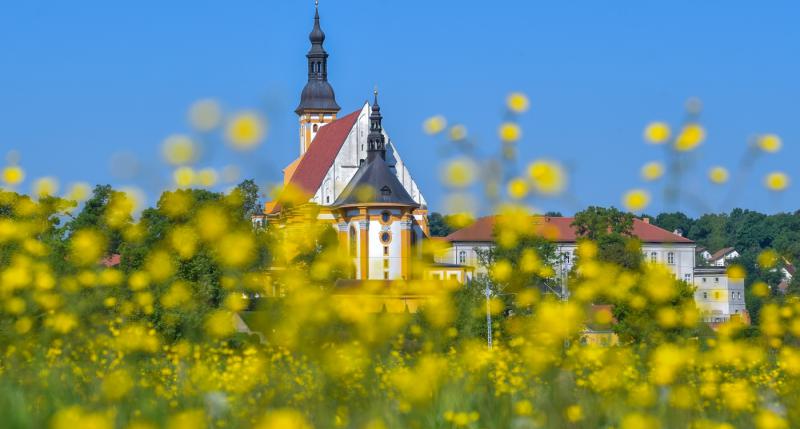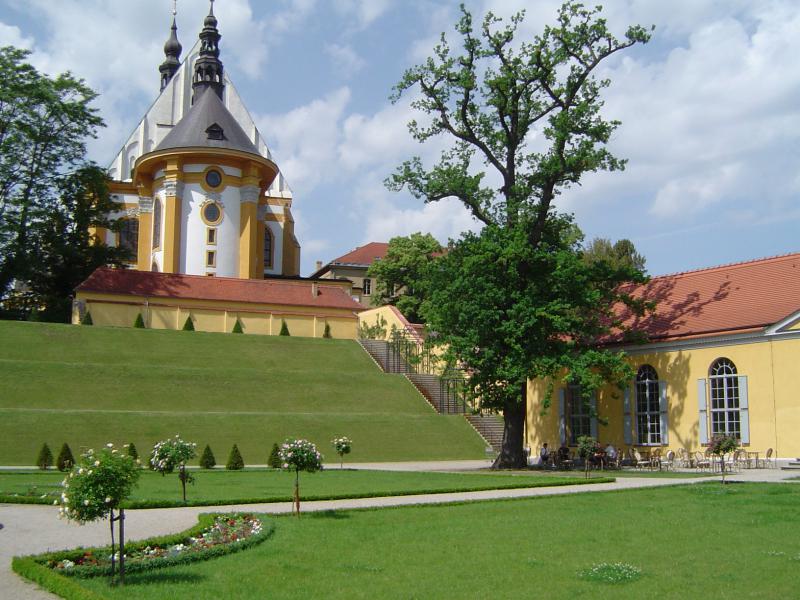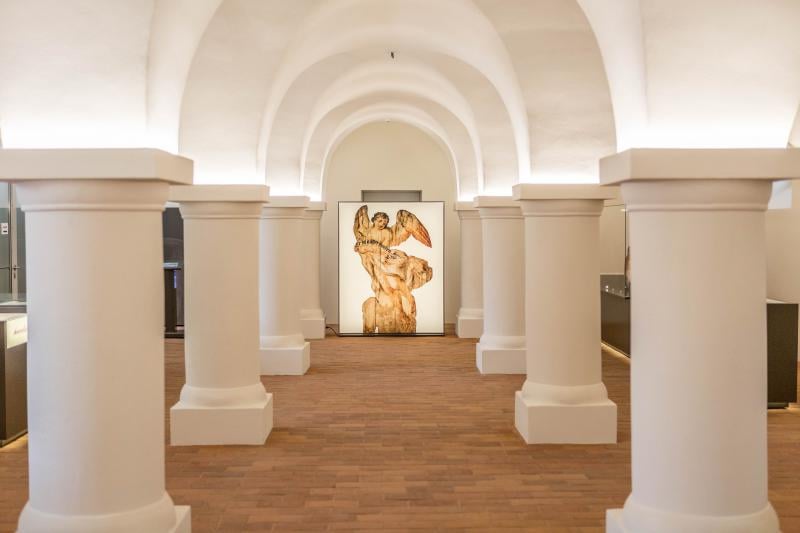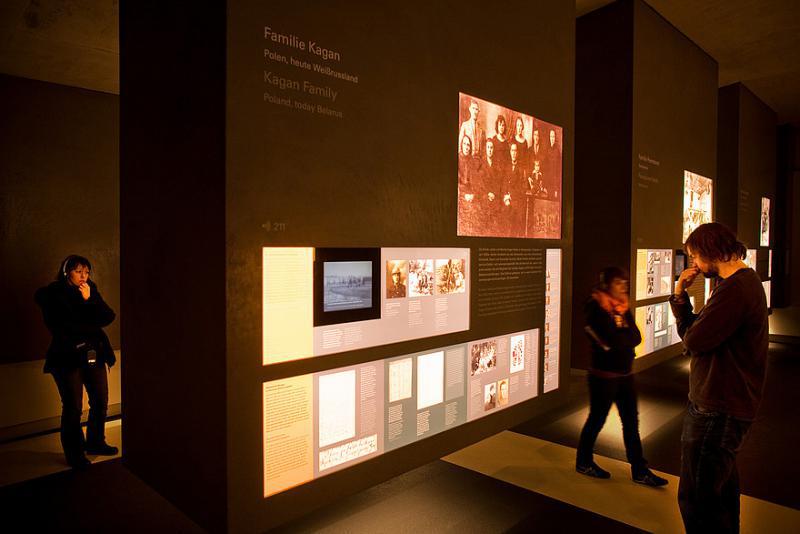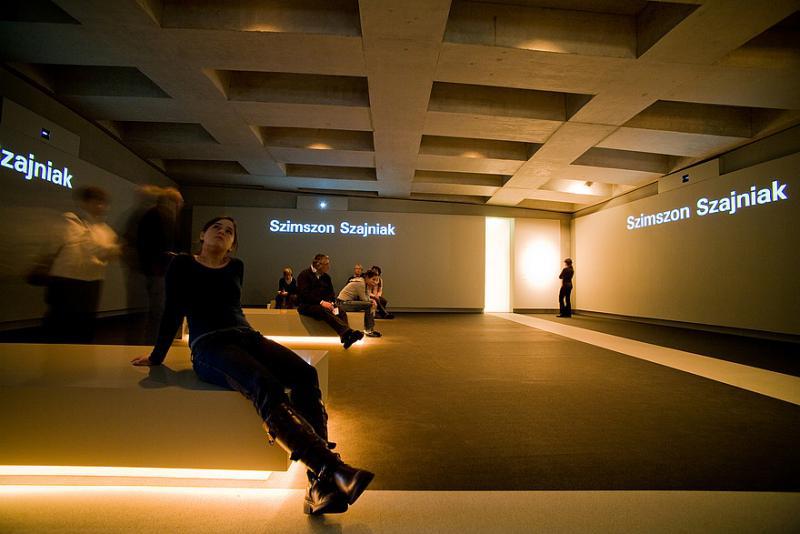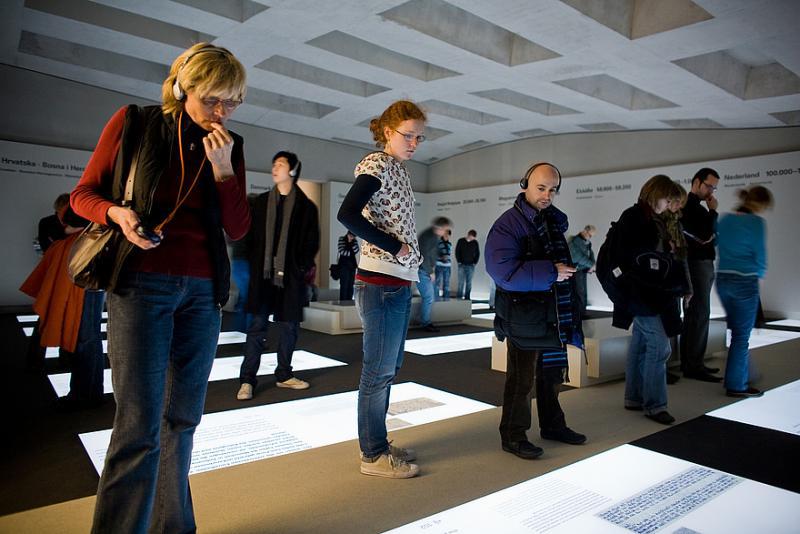
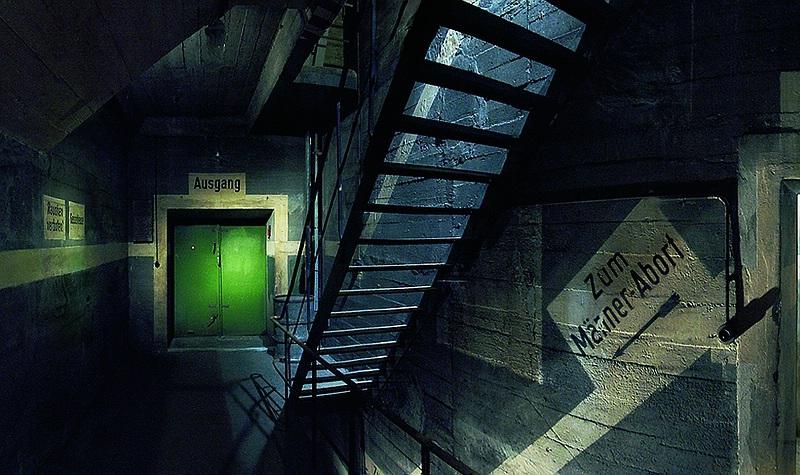
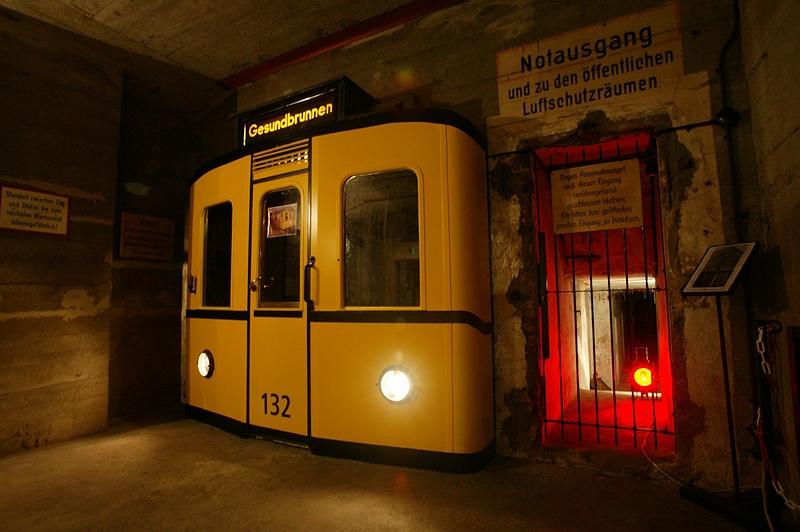


The Youth Museum Schöneberg is a adventurous history museum with many projects for young people.
106 Locations - Page 3
Culture defines Berlin, from world-famous museums to underground clubs and street art. Around the Museumsinsel, Mitte and Kreuzberg, culture spans classical concerts, contemporary galleries, theatre, film and a restless creative scene.
This overview gathers Berlin locations for culture, from grand institutions and opera houses to independent project spaces. Some focus on history and the classics, others on the experimental edge that keeps the city buzzing.
Browse the places below to find the best culture in Berlin, compare exhibitions and prices, and plan your visit.


The Youth Museum Schöneberg is a adventurous history museum with many projects for young people.


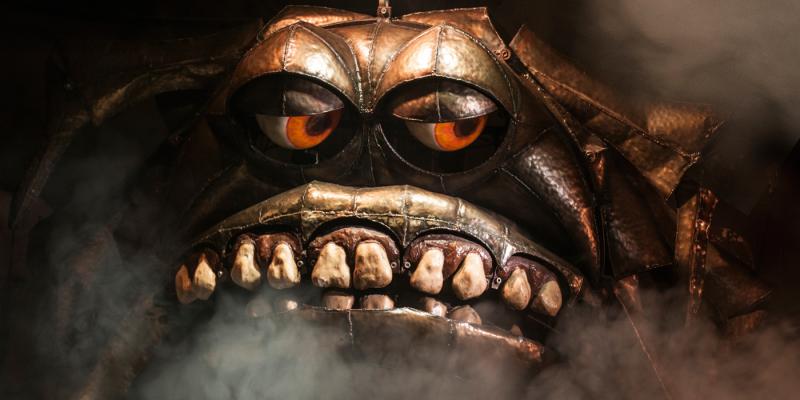
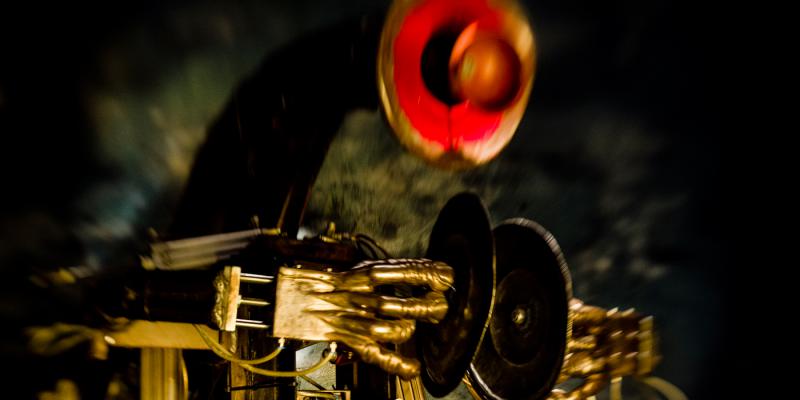
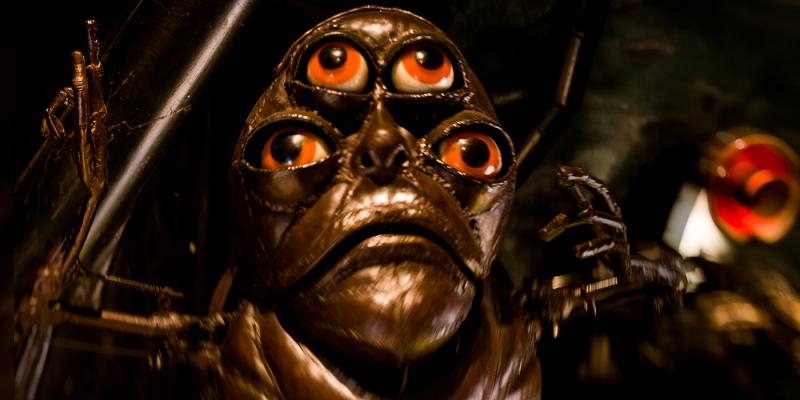
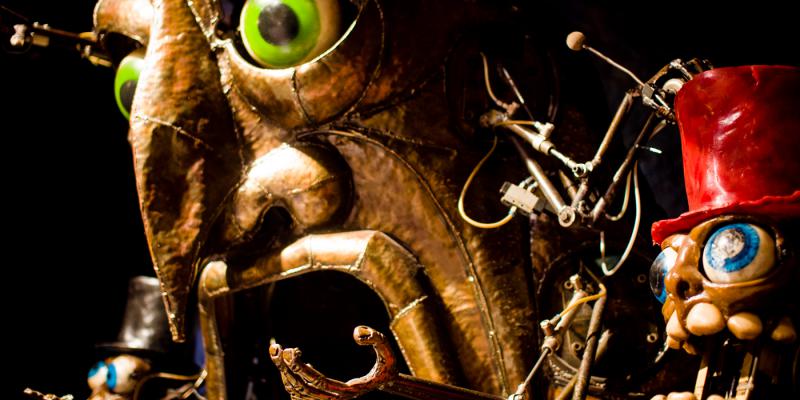
Monsterkabinett which translates to monster cabinet is an art project with mechanical monster machines and it supports the independent art scene in Berlin-Mitte.


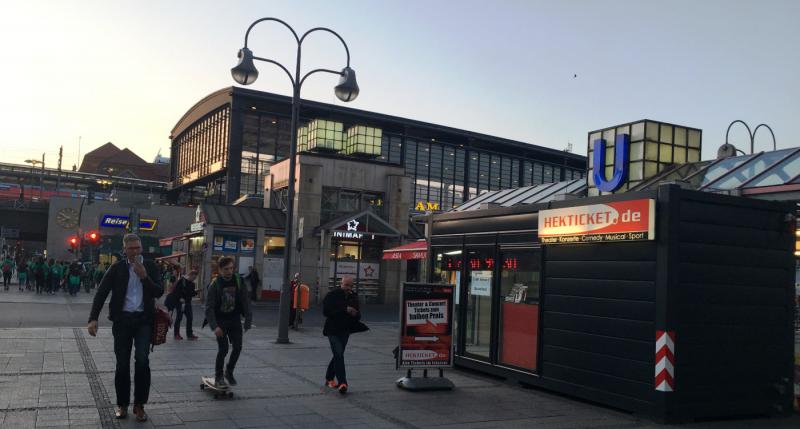
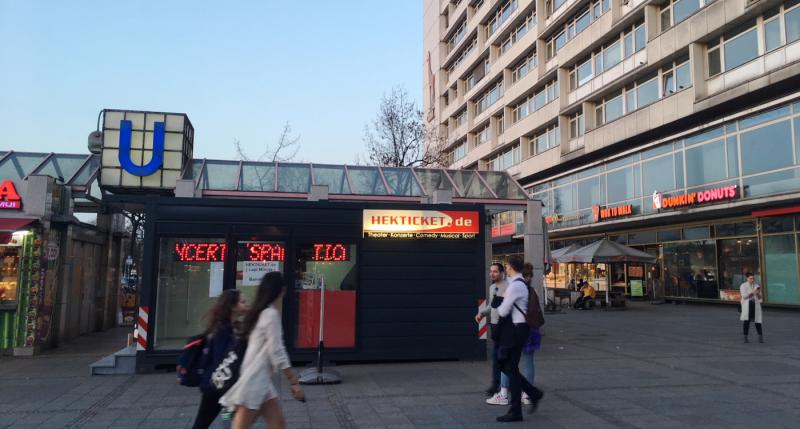
With a little luck customers of Hekticket at the zoo can see musicals, comedy, plays or even concerts at half price.


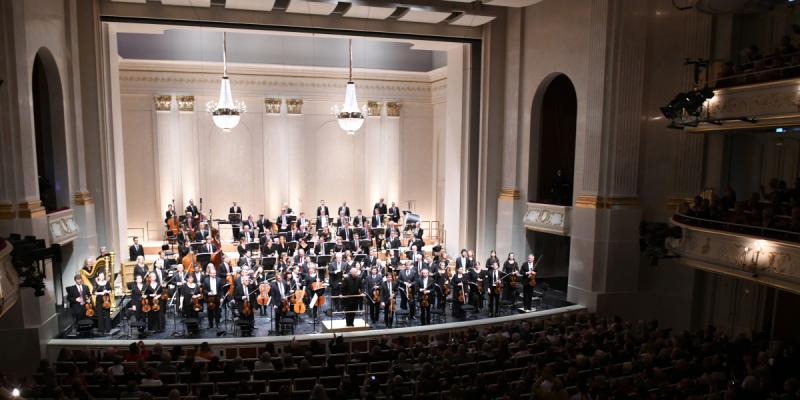
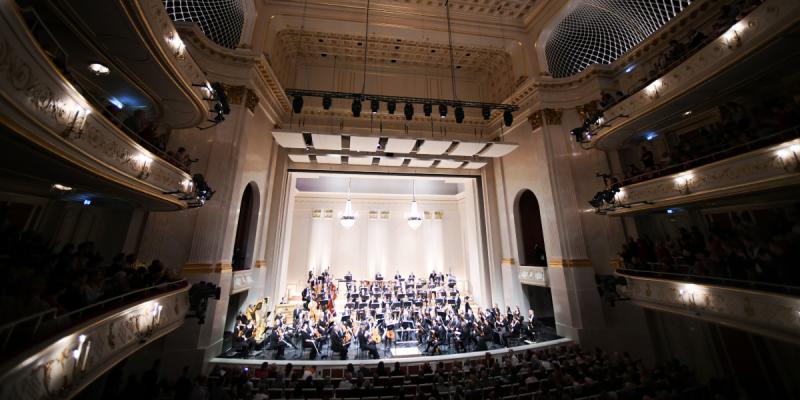
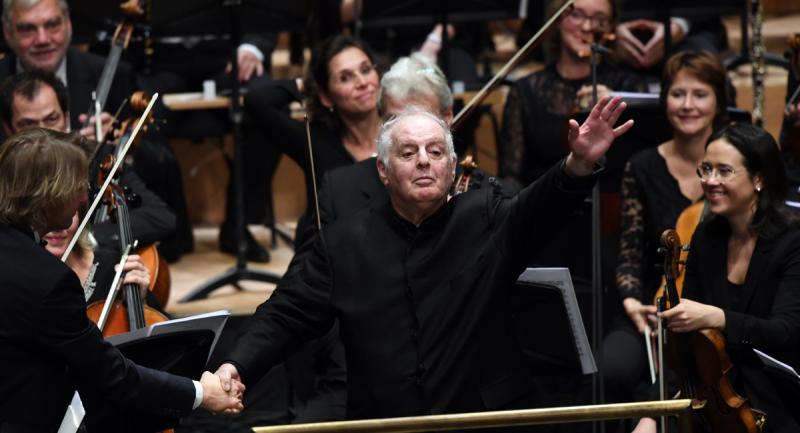
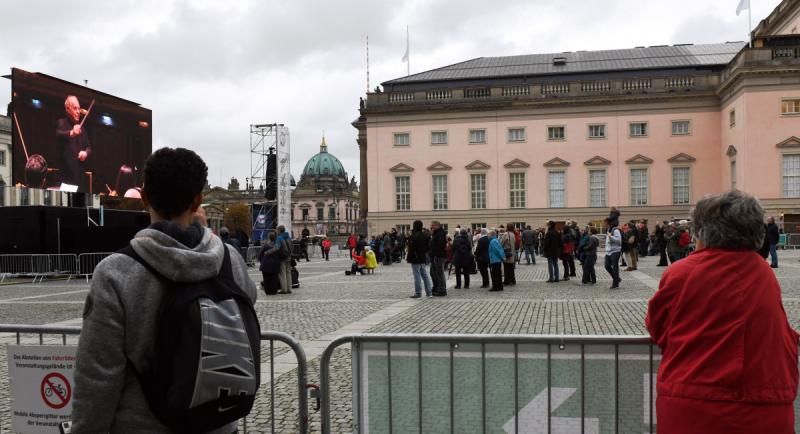
On Berlin's magnificent boulevard Unter den Linden stands one of the oldest and most renowned opera houses in the world. The Staatsoper Unter den Linden combines almost 300 years of music history with first-class productions and the unmistakable sound of the Staatskapelle Berlin. A wedding evening that will not soon be forgotten.


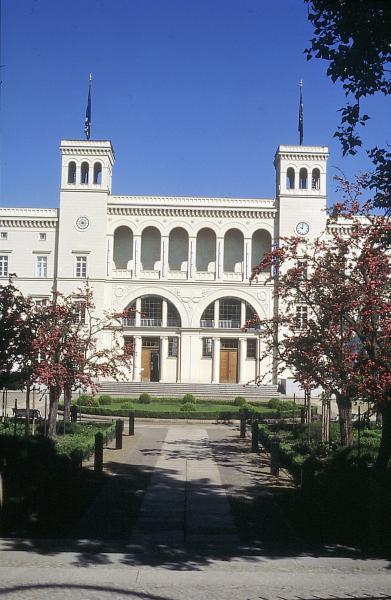
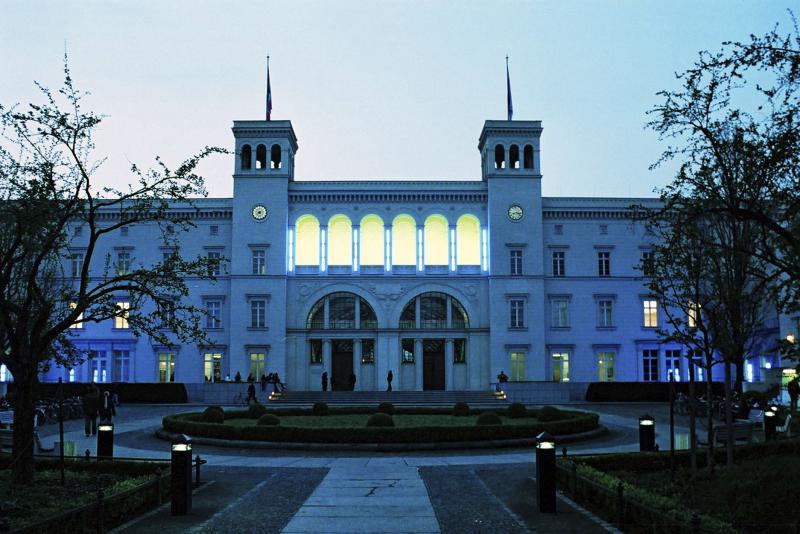
Hamburger Bahnhof is one of the world's most renowned and important museums for contempory art.


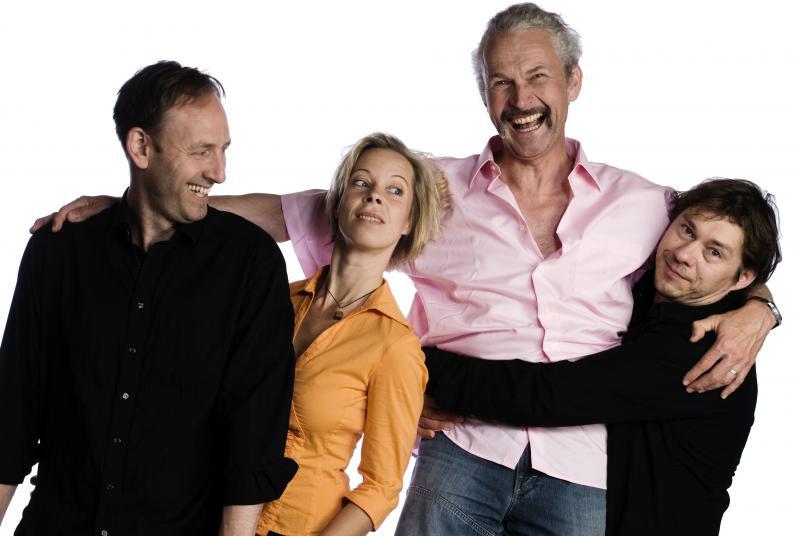
Berlin's oldest professional improv ensemble meets every Monday at the BKA Theater on Kreuzberg's Mehringdamm for a competition. Two teams, one stage, no script: Theatersport Berlin has been delivering spontaneous theater since 1995, with the audience taking charge.


Berliners call their residential neighborhood “Kiez”. The term actually derives from an ancient settlement, as they can still be marveled at in Berlin-Köpenick nowadays.


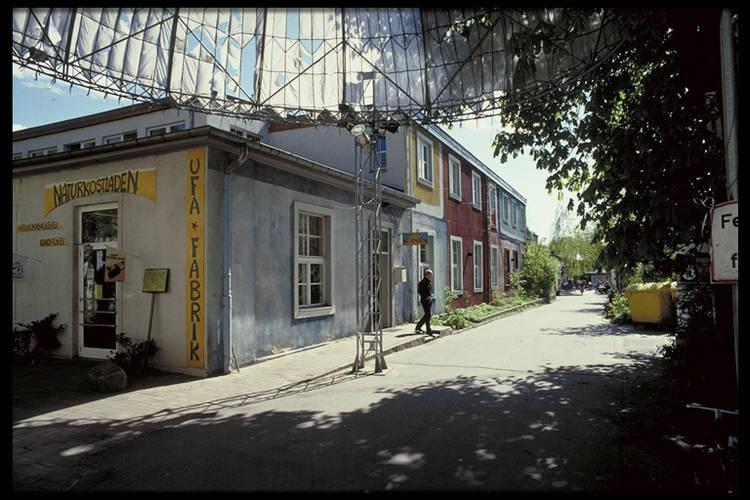
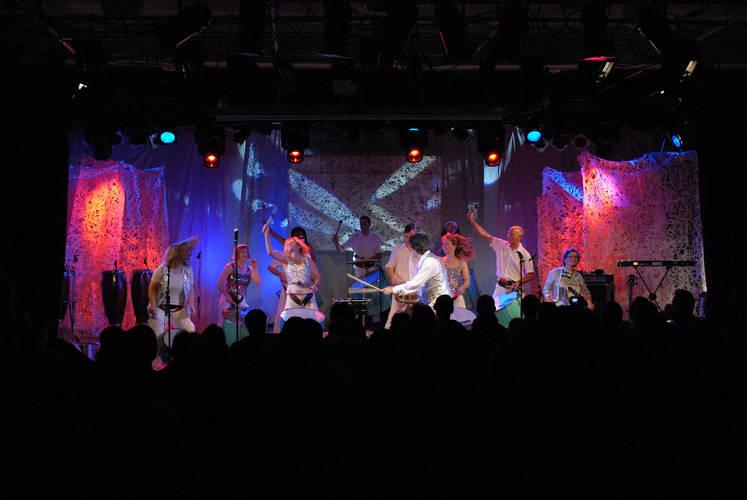
Located in Tempelhof, on a former UFA film studio site, ufaFabrik is arguably Berlin's most versatile cultural center. Those who experience improv theater here get evenings written by the audience themselves: spontaneous, unscripted, and different every time.


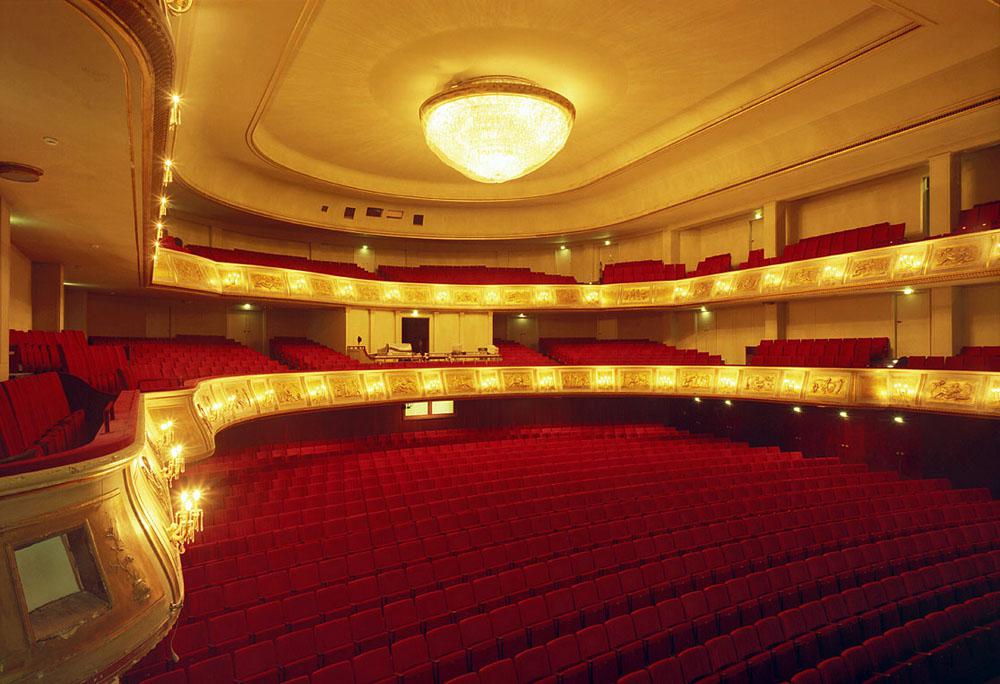
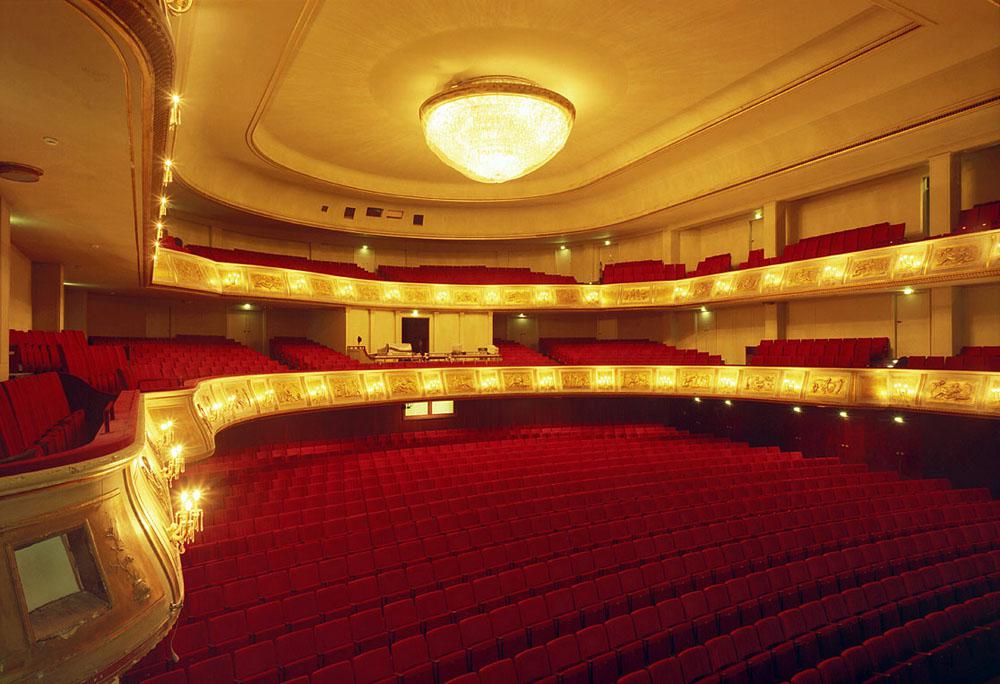
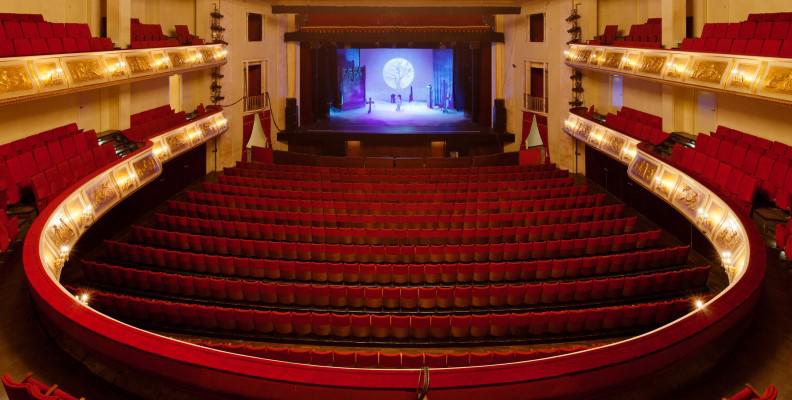
Admiralspalast on Friedrichstraße is one of the few big entertainment venues with tradition with the location being home to the biggest stage shows as early as the beginning 1900s.


The Dome of the German Reichstag and the Chamber may be the most famous hotspots of the German Parliament, a visit, however, is associated with long waiting times and pretty boring when visiting a second time. In contrast, experts rather visit the art room of the Bundestag.


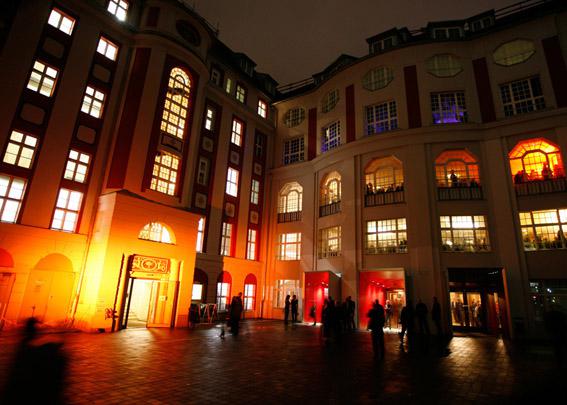
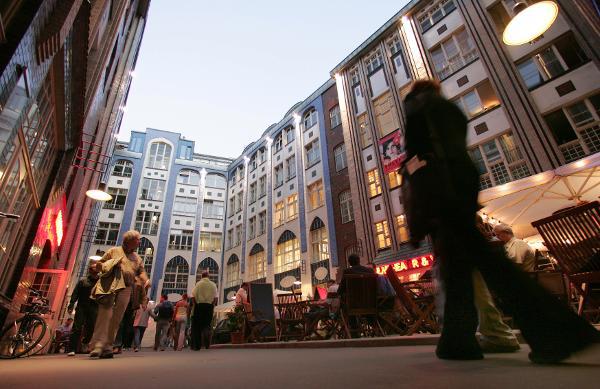
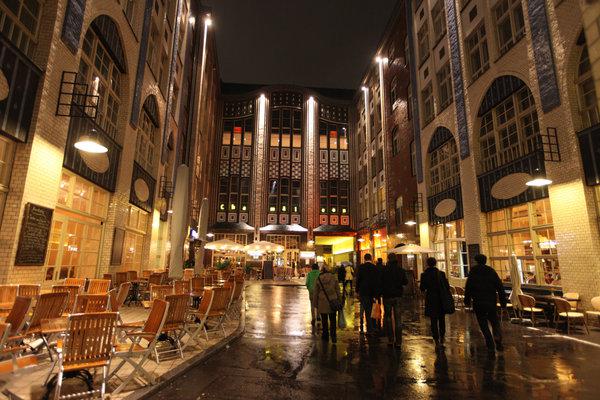
Hackesche Höfe is Germany's biggest Geschlossen court area!


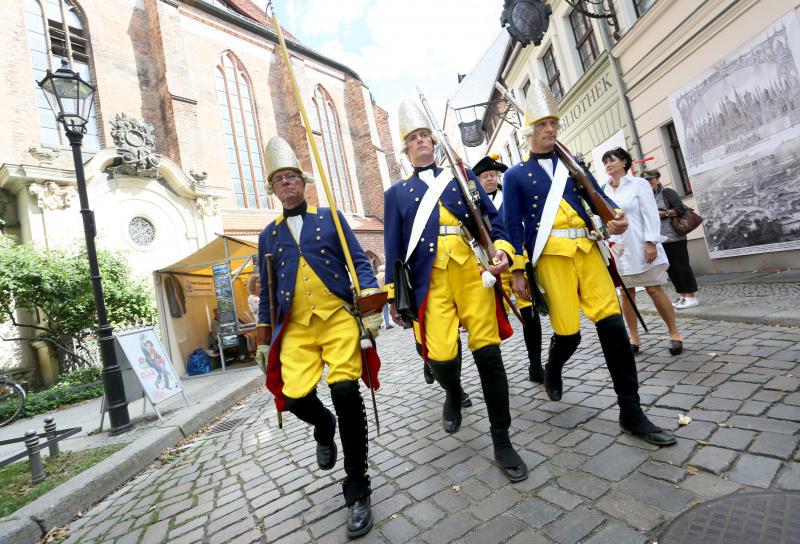
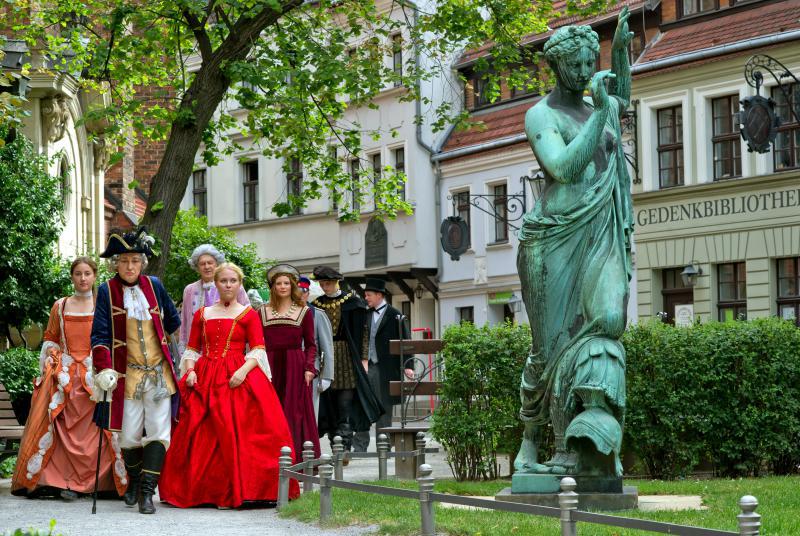
The Nikolaiviertel in Berlin-Mitte is Berlin's oldest city center: cobblestones, narrow alleys, and pastel-colored houses make a stroll here a journey into medieval Berlin. Anyone looking to spend a historically rich yet relaxed day with parents or relatives will find exactly what they're looking for here.


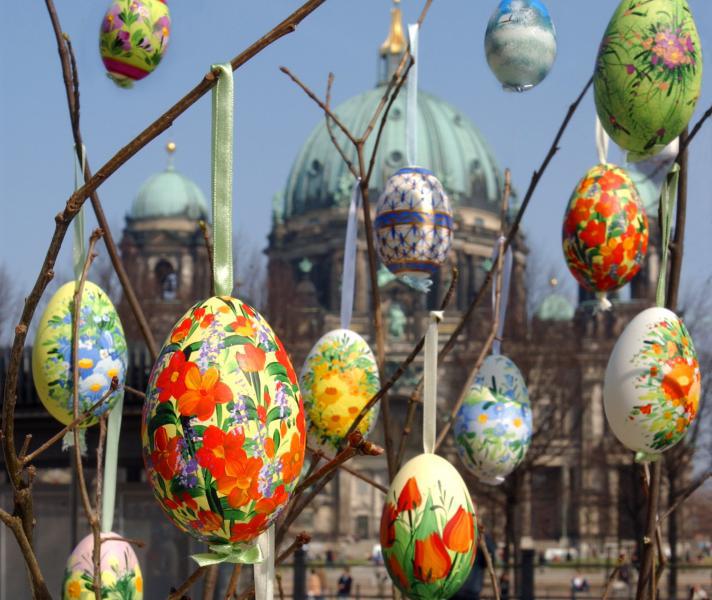
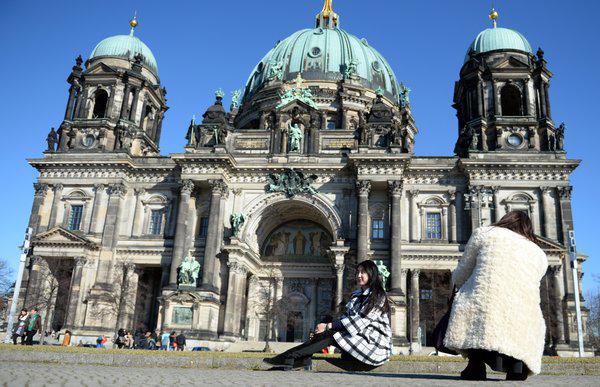
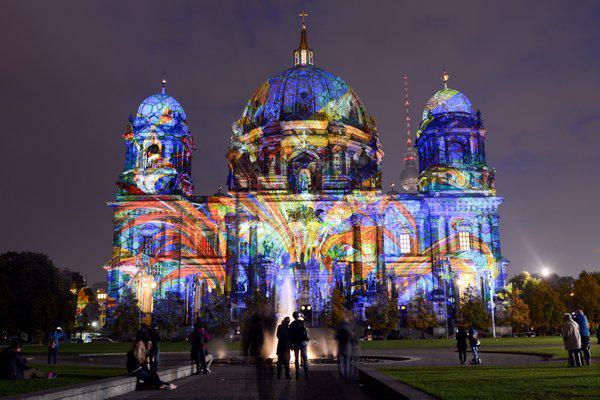
On Easter Sunday, April 5, 2026, Berlin Cathedral in Berlin-Mitte will be the focal point of festive church music: Bach's Easter Oratorio will resound under the mighty dome, accompanied by services and devotions throughout Holy Week. Classical music, faith, and a breathtaking sense of space directly at Lustgarten.


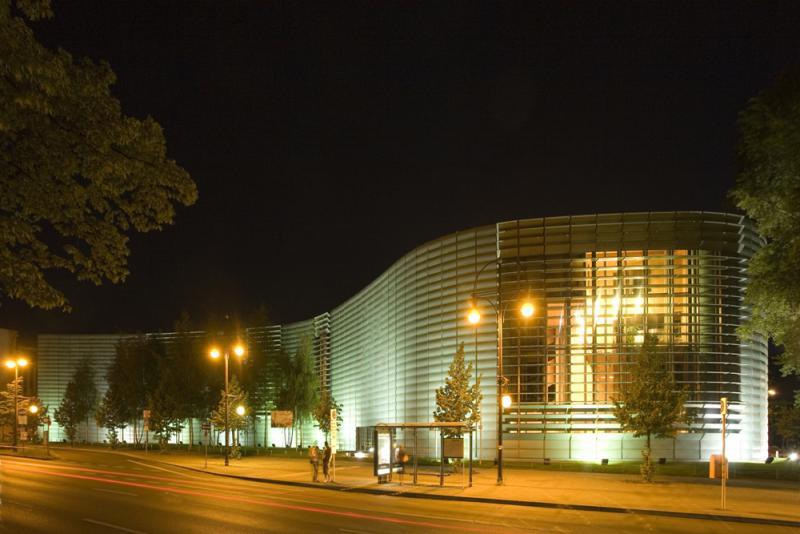
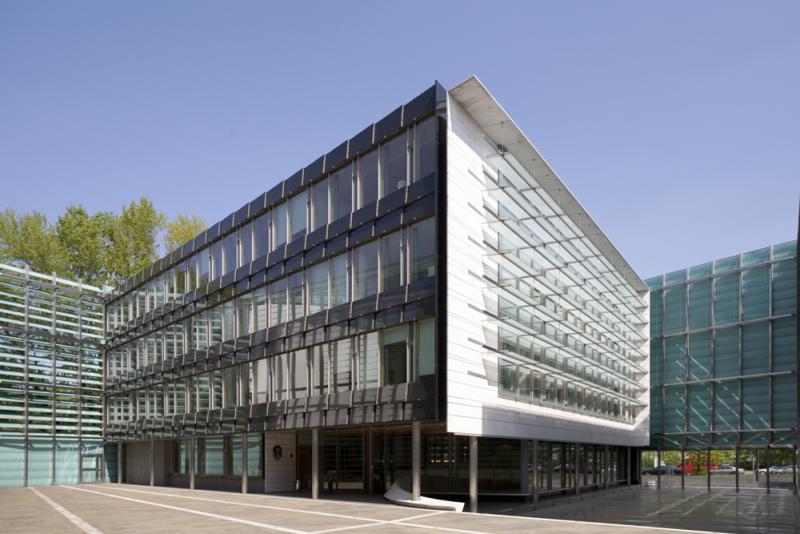
In Tiergarten, just a few steps from Potsdamer Platz, the Felleshus unites the embassies of Denmark, Finland, Iceland, Norway, and Sweden under a copper band. Inside, Smørrebrød, jazz, and changing exhibitions await, all without a plane ticket.


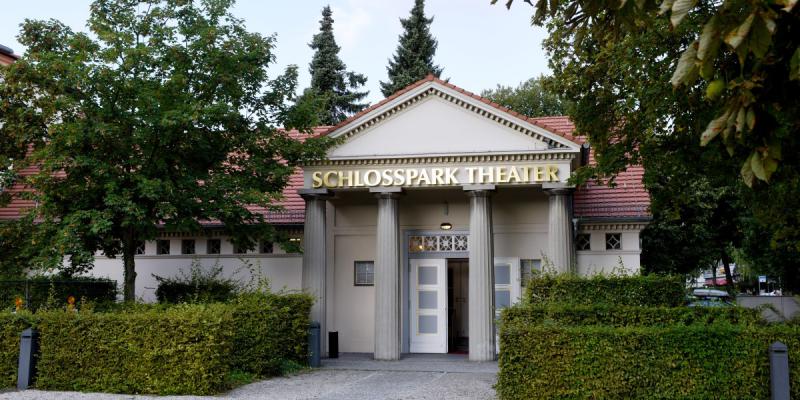
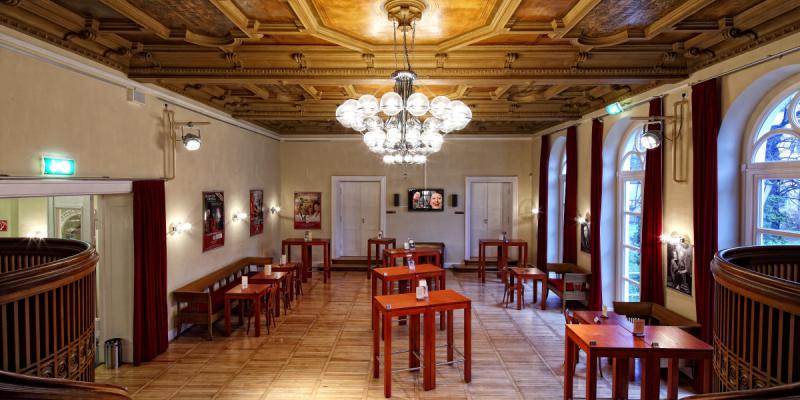
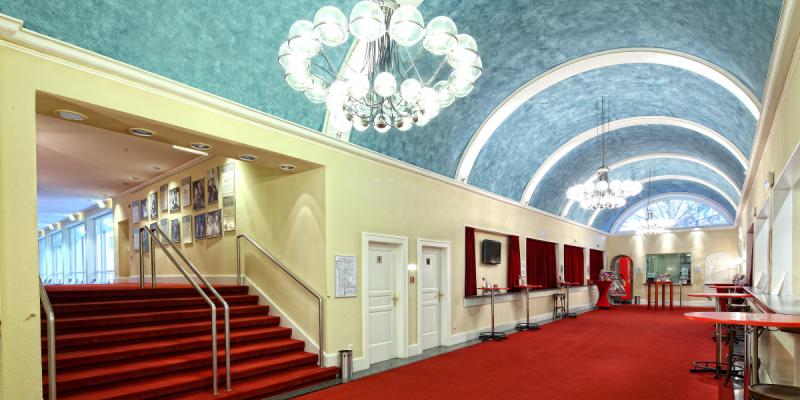
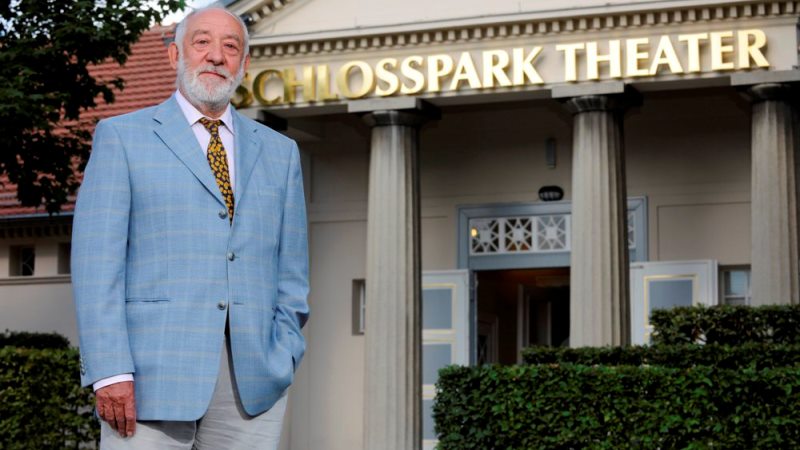
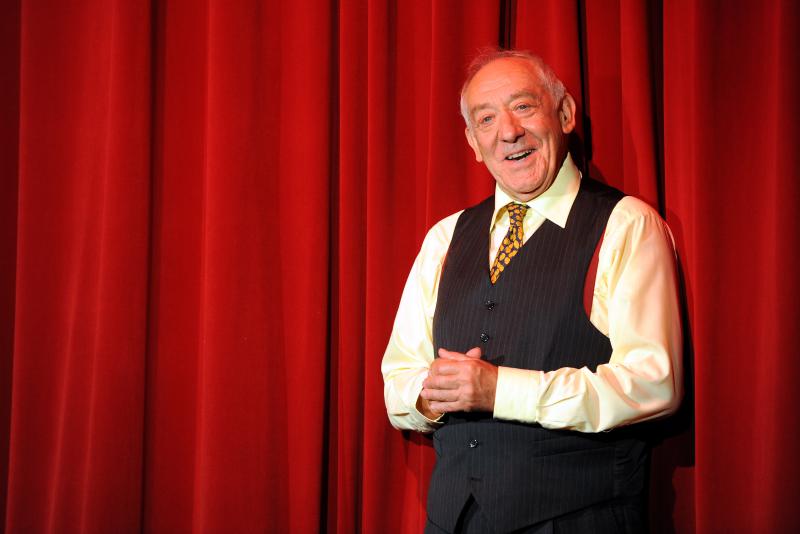
In southwest Berlin, precisely in Steglitz, stands the Schlosspark Theater: a private theater with over 200 years of history, which Dieter Hallervorden has turned into one of Berlin's most renowned stages since 2009 with in-house productions, guest stars, and the credo "Spirit with Humor".


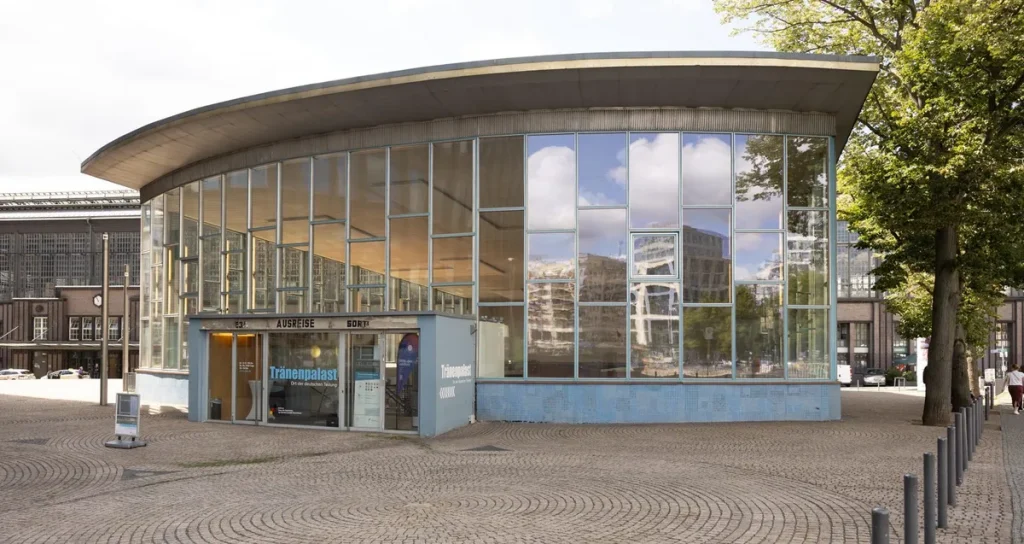
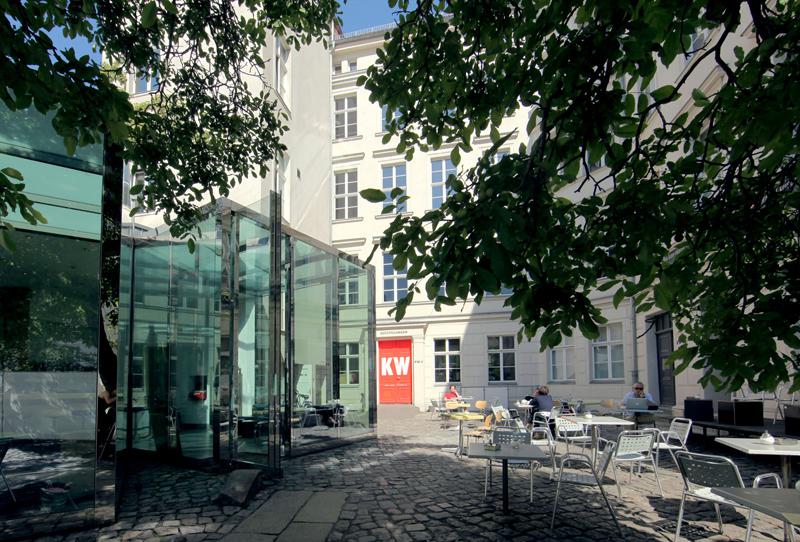
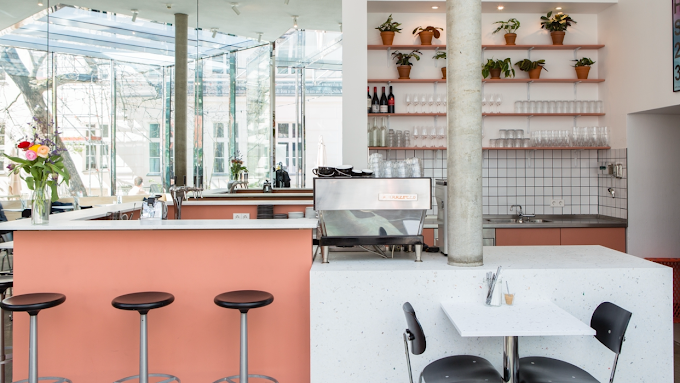
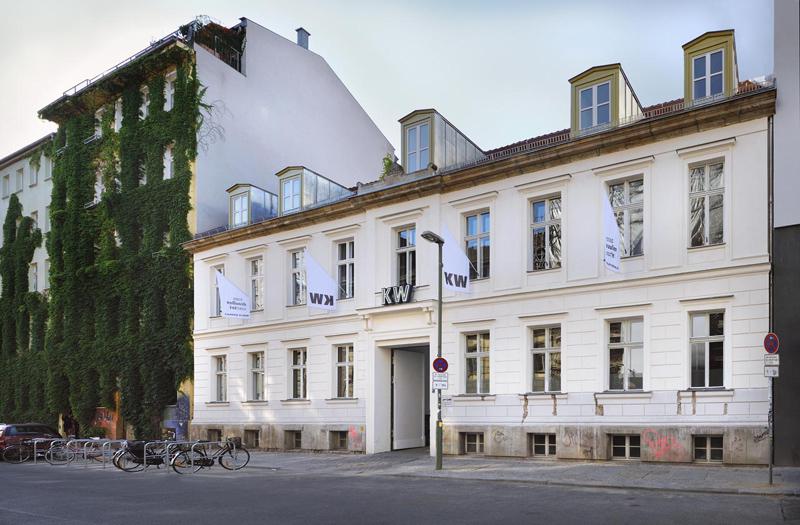
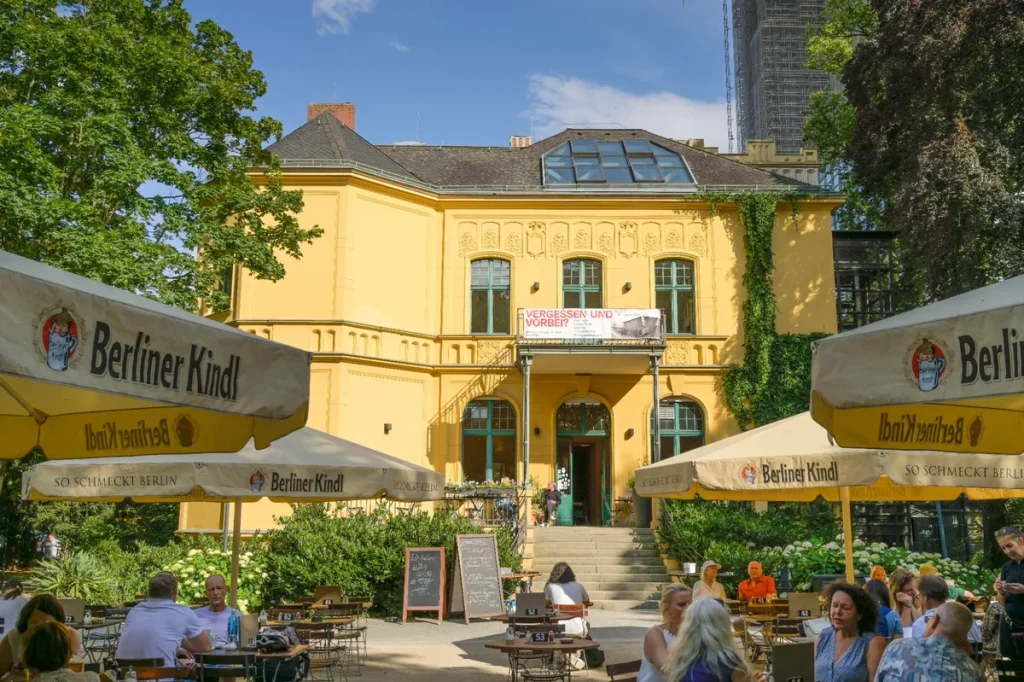
Café Bravo in the courtyard of the KW Institute for Contemporary Art on Auguststraße in Berlin-Mitte is arguably the city's most beautiful museum café. Cobblestones, old trees, and an iconic glass pavilion make Sundays here a real event.


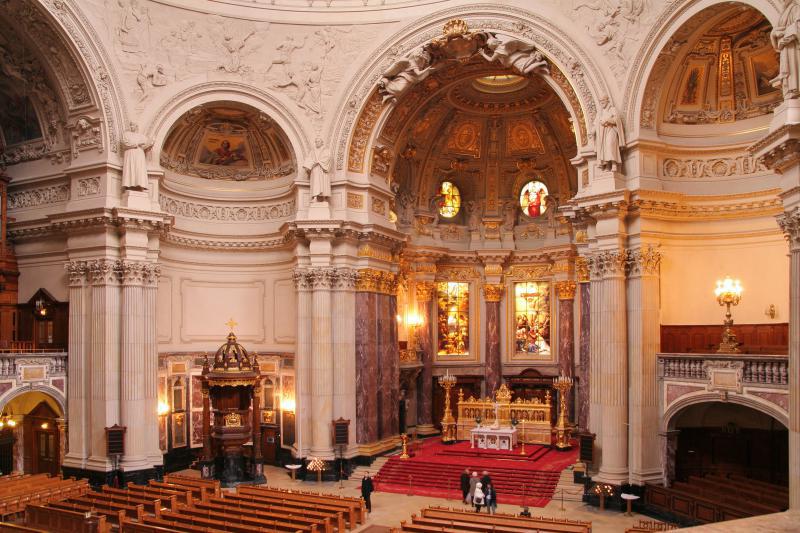
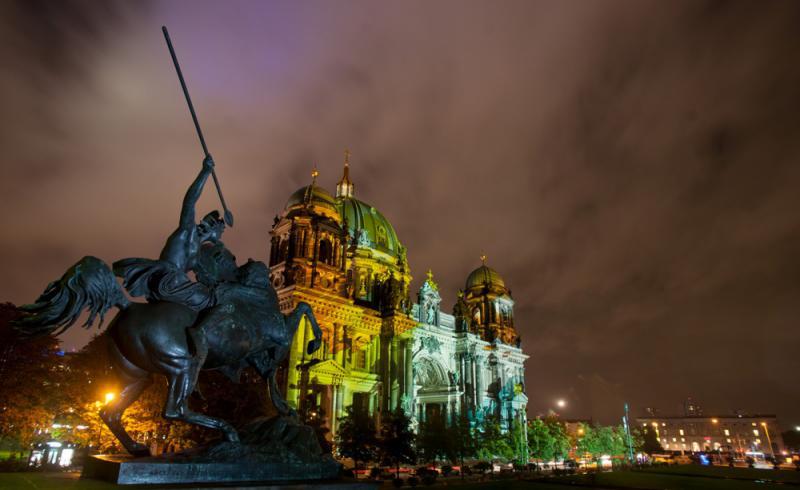
Not only is the Berlin Cathedral the biggest church in Berlin, you can also see the largest original church organ from the late Romantic era there.

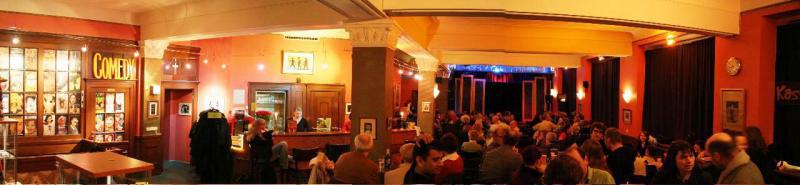
Berlin's oldest comedy club resides in Prenzlauer Berg: The Cosmic Comedy Club Berlin has been occupying a former savings bank on Schönhauser Allee for over two decades and is now the primary destination for English-language stand-up comedy and improv theater in the capital.


The small but exquisite Schlosspark Theater in Steglitz offers an entertaining program over Easter 2025.


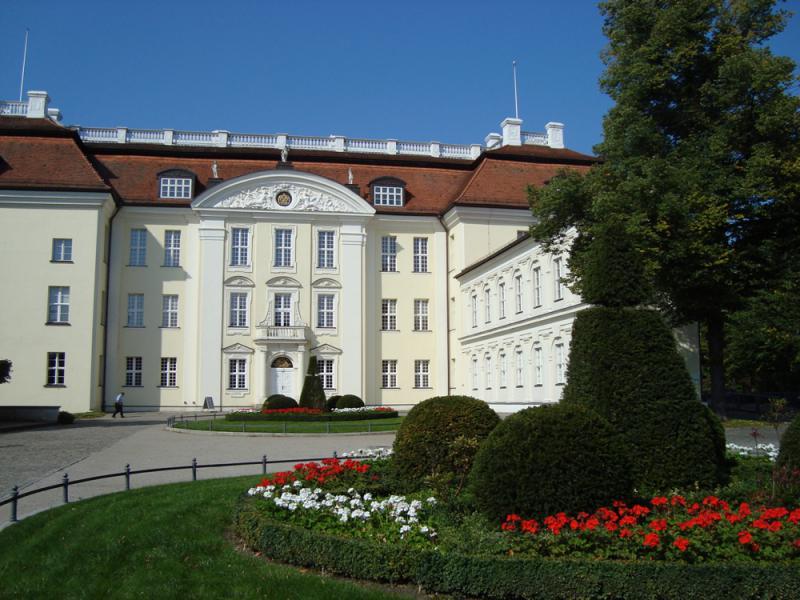
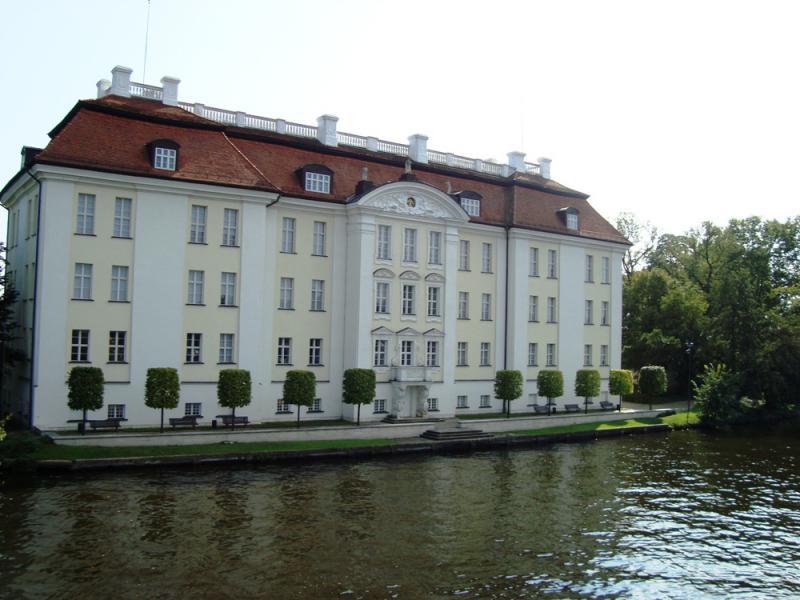
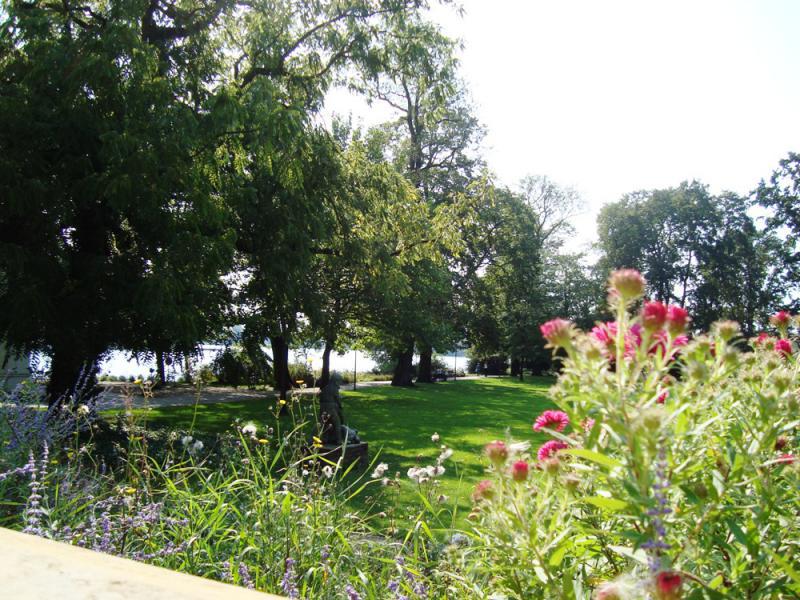
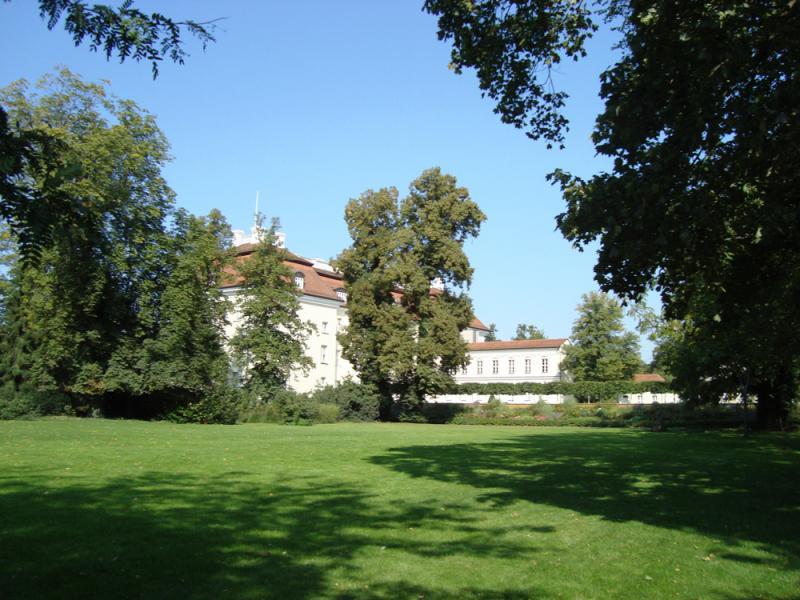
If you are looking for classical concerts in Berlin, you must visit the Baroque palace on Köpenick Palace Island: Located idyllically on the Dahme river in the heart of the old town, the historic Aurora Hall offers a chamber music experience of such density and atmosphere that it is almost unrivaled in the city.

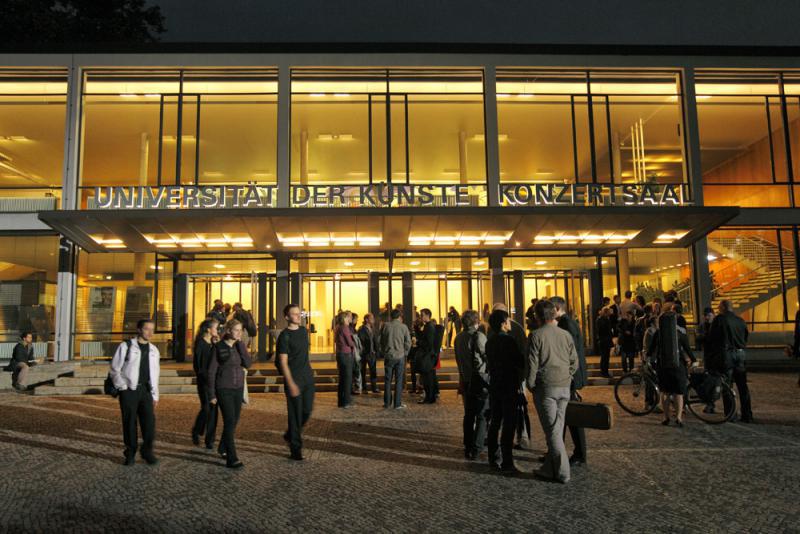
In Charlottenburg, directly on Steinplatz, stands a concert hall steeped in Berlin's musical history: The UdK Berlin Concert Hall on Hardenbergstraße was home to the Berlin Philharmonic under Karajan in the 1960s and is now the vibrant heart of the Faculty of Music at one of Europe's most important art universities.


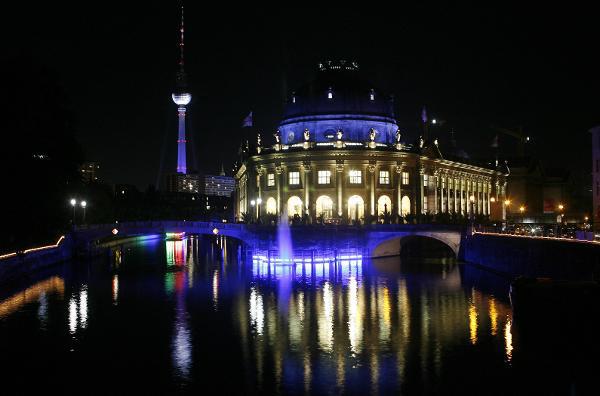
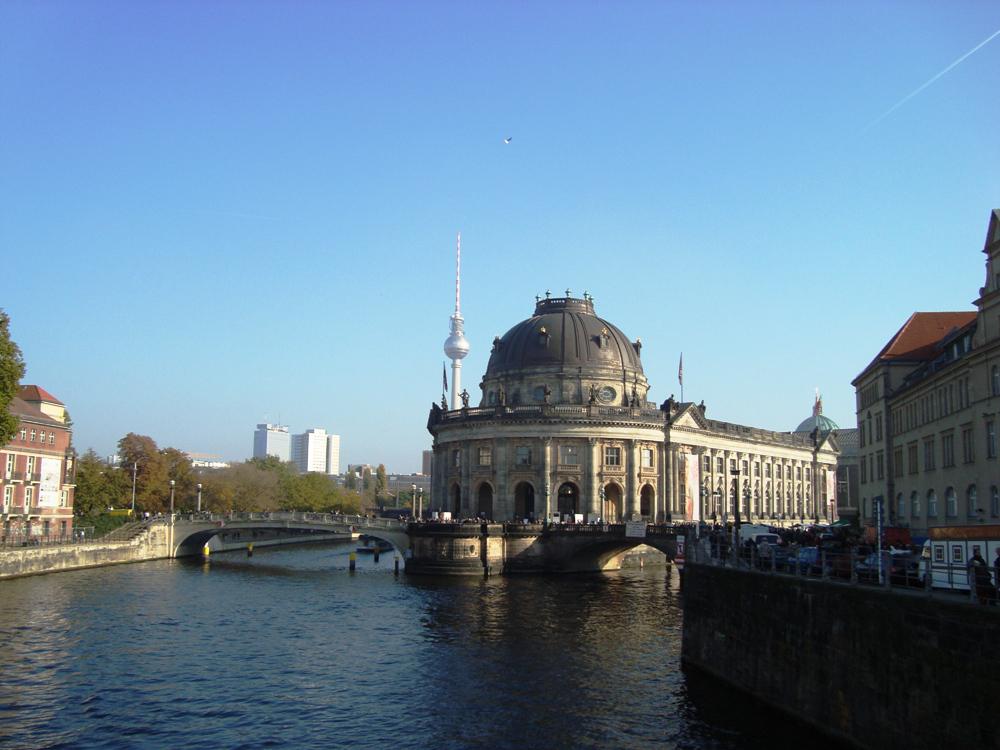
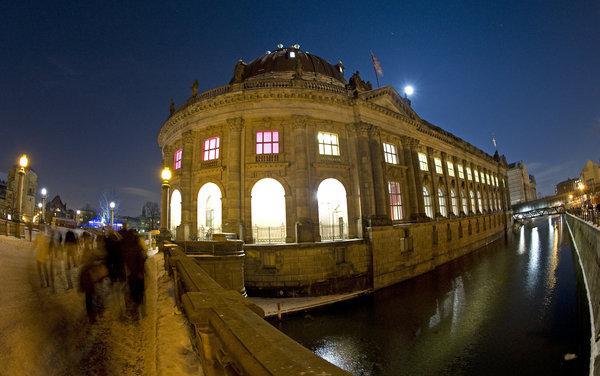
Bode-Museum on the Museum Island is not only suited for adults with an interest in art but also for families and young visitors aged between 6 - 10 with its Children's Gallery.


These tours take you from Charlottenburg to Berlin-Mitte into the Roaring Twenties, when the imperial capital seethed between vaudeville glamour and social awakening. Those looking for a program with real depth for parents or relatives will find history brought to life here.

At Gendarmenmarkt in Berlin-Mitte, the French Cathedral stands as one of the most beautiful concert venues in the capital. The acoustics of the historic church hall carry Vivaldi, Bach, and Chopin as if they had been composed specifically for it. History, sound, and a touch of grandeur under one roof.

Europe's oldest Buddhist temple stands on the northern outskirts of Frohnau. The Buddhist House is located on a wooded hill, surrounded by a well-tended garden, and is so quiet that the city completely disappears for a few hours.