
Sustainability | Top10 Berlin
The perfect Berlin experience:
Gift the Top10 Experience Box now!
Top10 Berlin

Sustainability

58 Locations - Page 2

Sustainability runs deep in Berlin, a city that takes recycling, repair and conscious living seriously. From zero waste shops to second hand culture, sustainability here shapes how people eat, shop and get around. This overview gathers Berlin locations built on greener principles.

Unpackaged and zero waste stores, organic markets and repair cafes across Kreuzberg, Neukoelln and Prenzlauer Berg make low impact living easier, while second hand shops and swap events keep goods in use. Fair trade cafes, urban gardens and cycling culture add to the picture. Small daily choices add up across the city.

Browse the venues below to explore sustainability across Berlin, from zero waste shops to repair cafes.

Foto: Anja Weber
Foto: Anja Weber
Foto: Anja Weber
Foto: Anja Weber

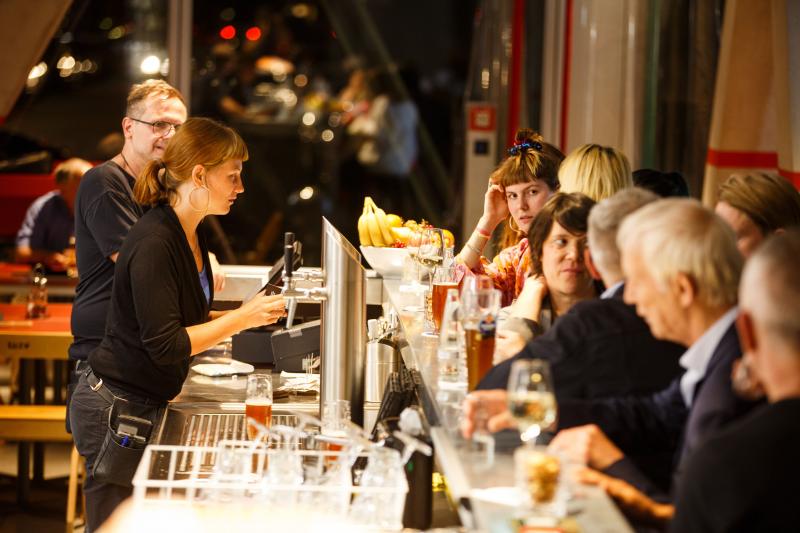
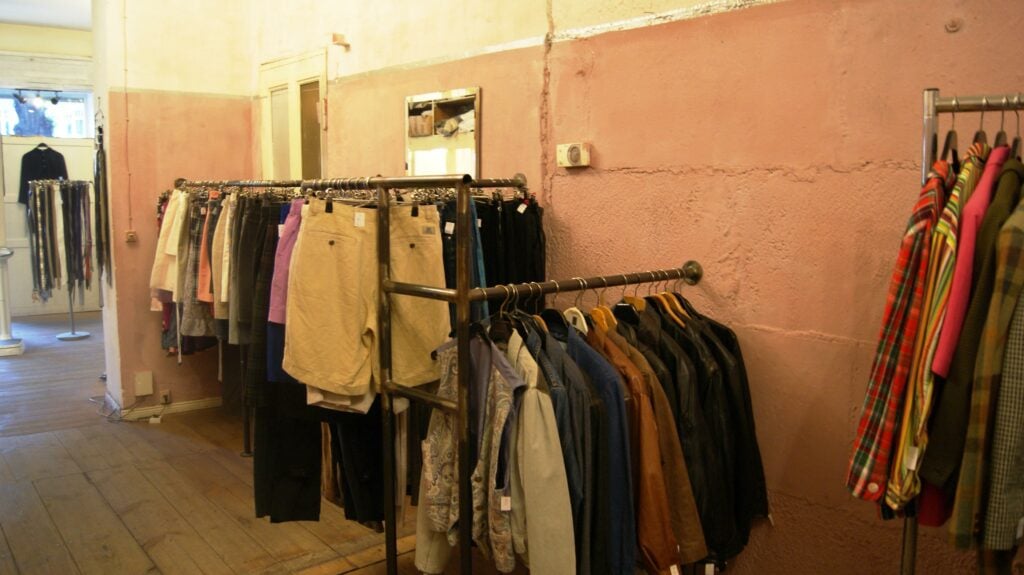
The TAZ-Kantine on the ground floor of the new taz building on Friedrichstraße in Kreuzberg has been a meeting point for the editorial team and the neighborhood since 2005. At lunchtime, there's a changing menu with many vegan dishes starting from 9.90 euros, and a cappuccino costs 3.60 euros. As a reading café in Berlin, it scores with the current taz newspaper on the table and the taz Talks in the evening.

See more

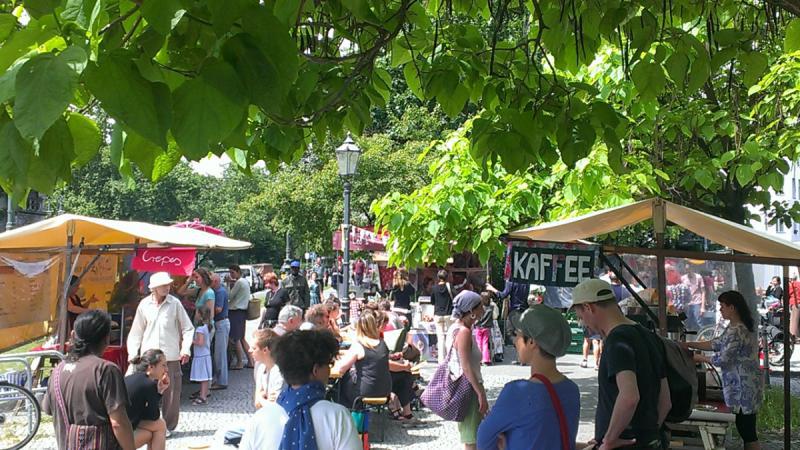
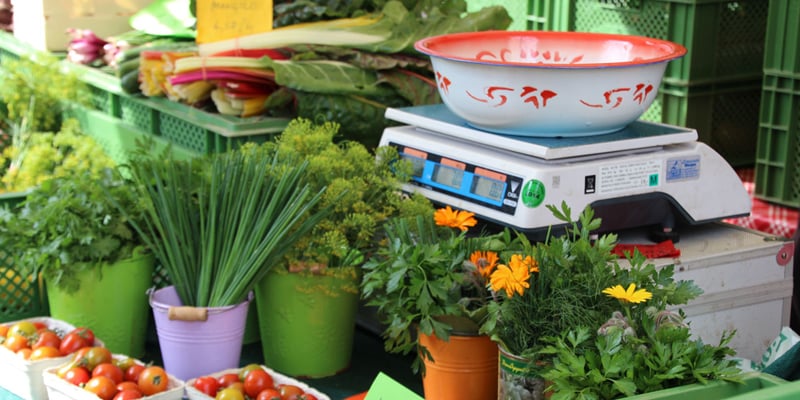
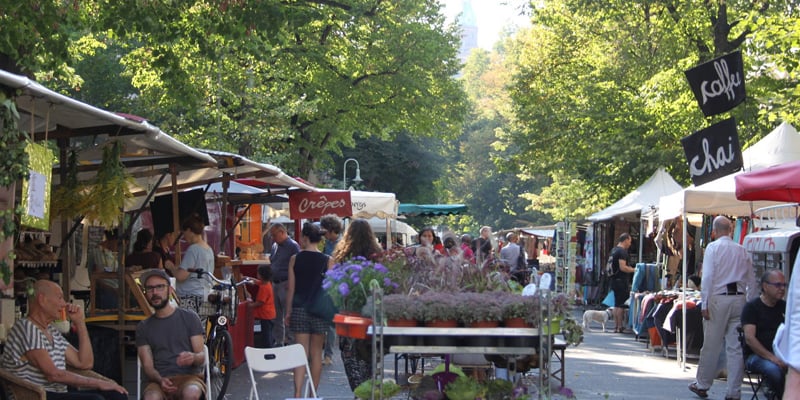
The Kollwitzplatz Eco-Market in Prenzlauer Berg has been organized by GRÜNE LIGA Berlin since 1996, and will turn 30 in 2026. Along approximately 150 meters, about 40 stalls exclusively sell certified organic and fair-trade products, from bread to clay oven pizza. For an organic weekly market in Berlin, this is one of the strictest addresses.

See more
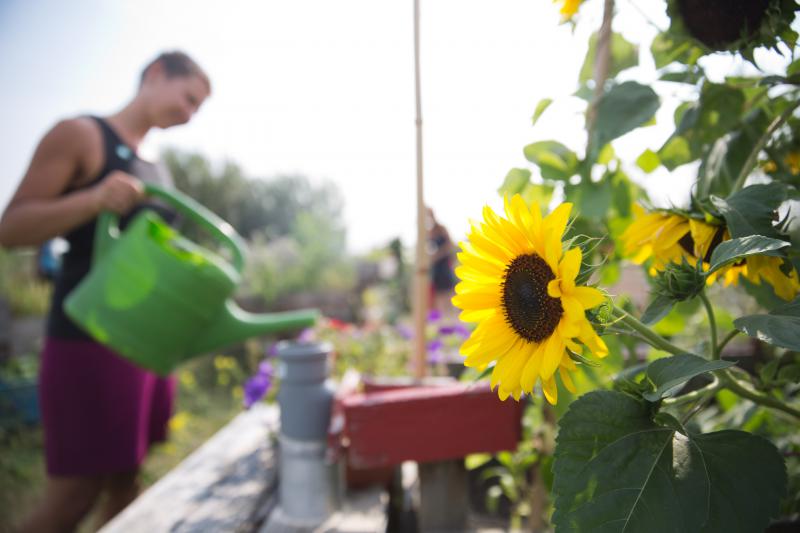
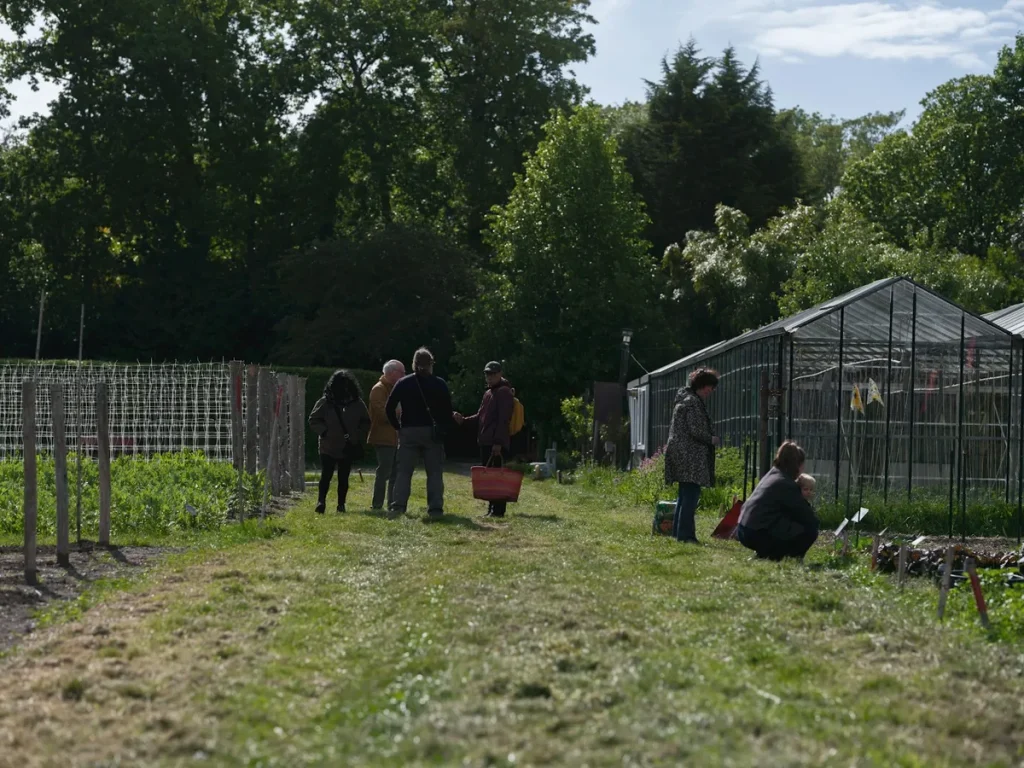
Besucher im Wuhlegarten in Köpenick beim Gärtnern und Spazierengehen zwischen Gewächshäusern und Beeten.

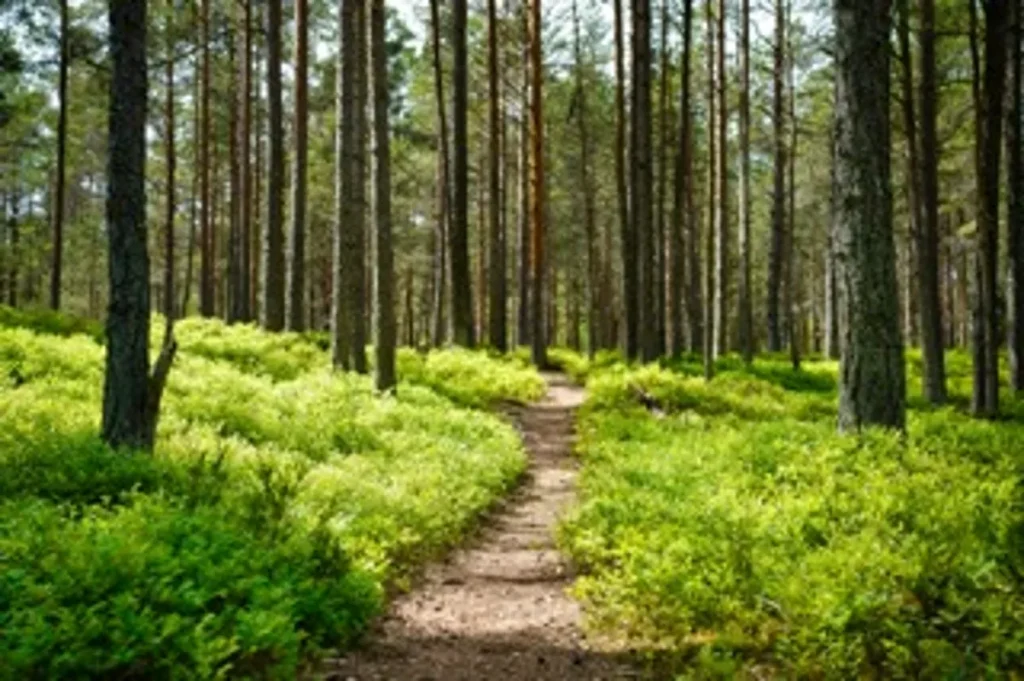
Berlin's first intercultural community garden has been located in Köpenick since 2003, directly on the Wuhle hiking trail in Dammvorstadt. On approximately 4,000 square meters, people from over 20 nations garden together, grow vegetables and fruits, and demonstrate that community gardens in Berlin can do more than just produce greenery.


See more