Our rating
4.9
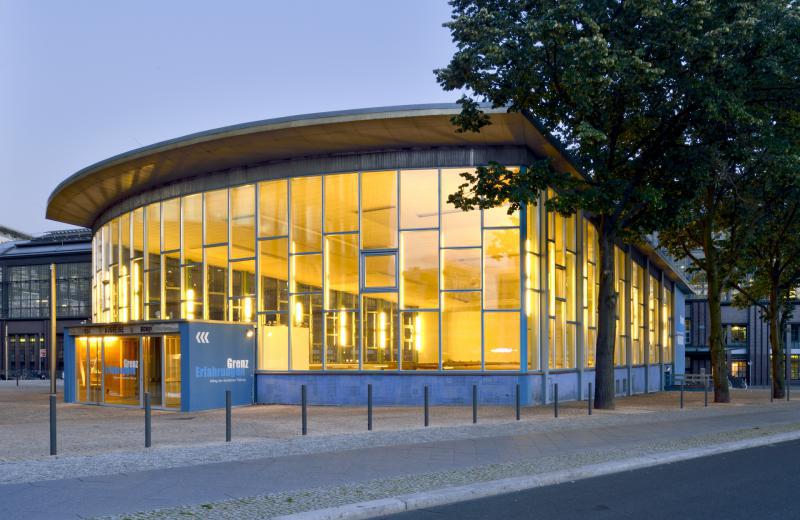
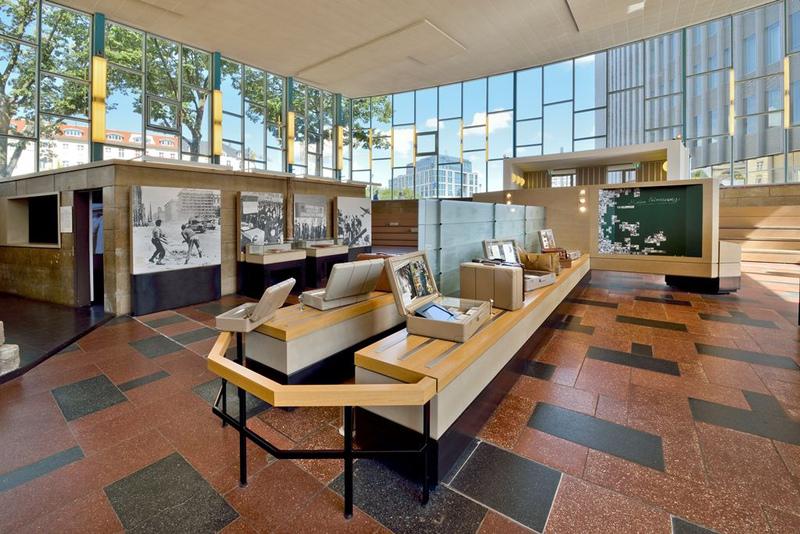
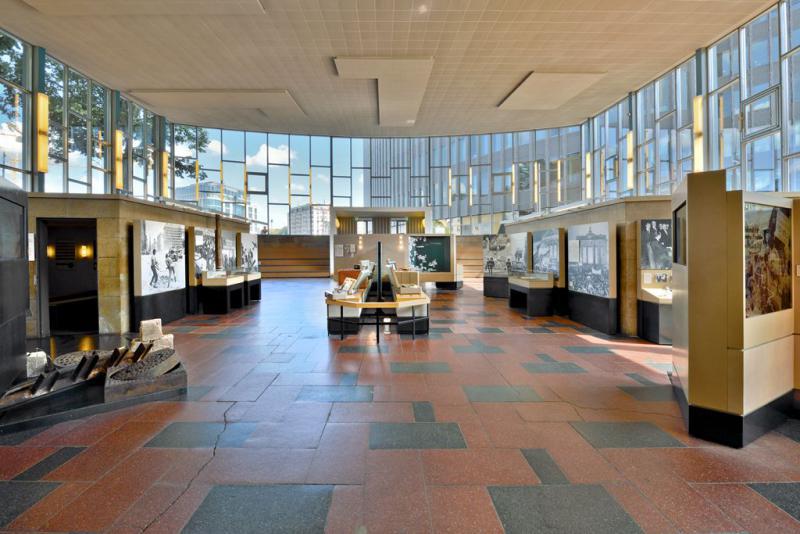
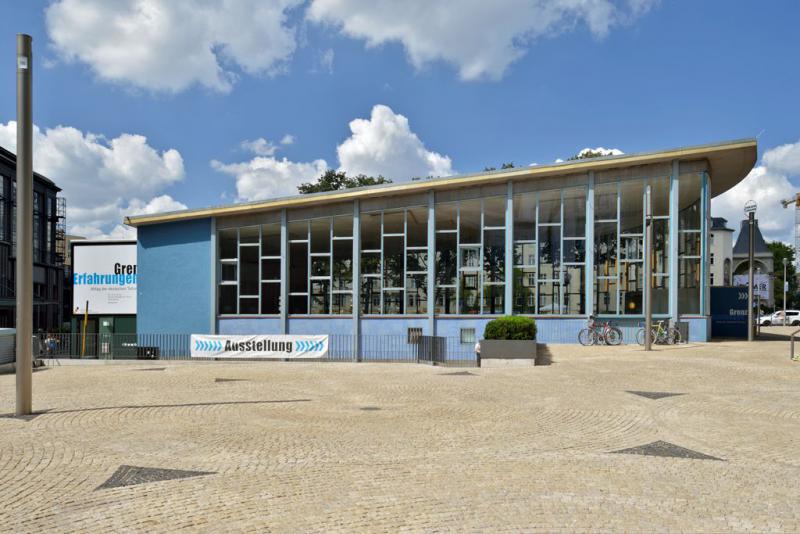
The Tränenpalast ("Palace of Tears") near Bahnhof Friedrichstraße is home to the permament exhibition "GranzErfahrungen", giving an insight into the day-to-day life of a country divided in two.
See more

33 Locations
There is always an exhibition worth seeing in Berlin, a city with one of Europe's densest concentrations of museums and galleries. Any given week brings a new exhibition of art, photography, history or design, from blockbuster shows to small project spaces. This tag collects Berlin locations that put work on display.
Museum Island anchors the classic collections, while contemporary galleries spread across Mitte, Kreuzberg and Charlottenburg. Former industrial buildings host large temporary shows, and project spaces in Neukoelln give emerging artists a platform. Many venues stay open late one evening a week, and free entry times make the bigger houses more accessible.
Browse the venues below to find an exhibition across Berlin, from major institutions to independent spaces.
The Tränenpalast ("Palace of Tears") near Bahnhof Friedrichstraße is home to the permament exhibition "GranzErfahrungen", giving an insight into the day-to-day life of a country divided in two.


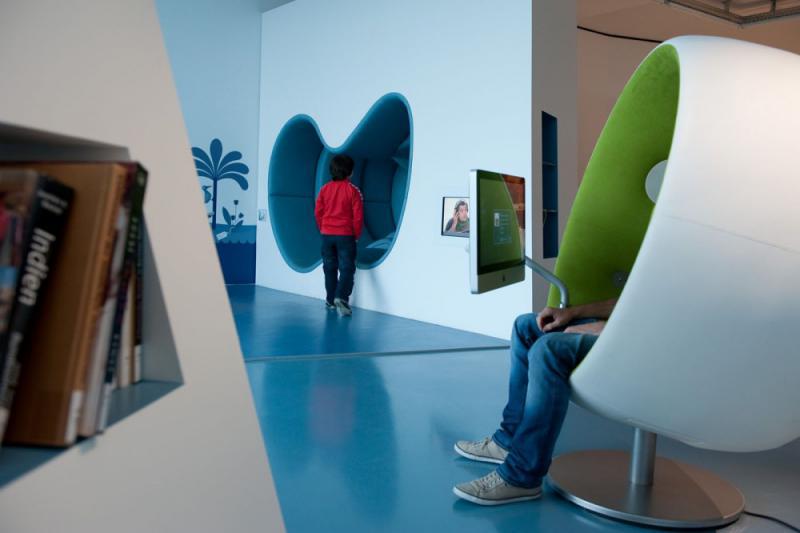
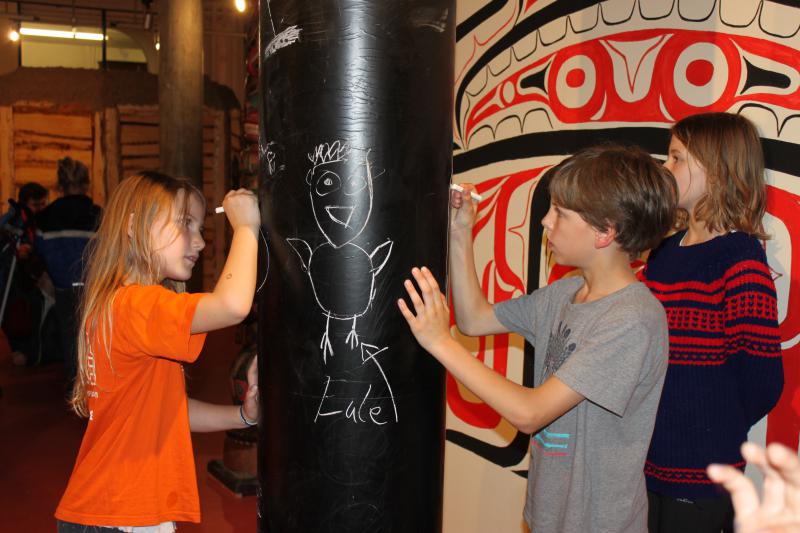
The Alice Children's Museum is a bit like the girl Alice from the story “Alice in Wonderland”, designed for bright and curious children and teenagers aged 8 and over in FEZ Berlin.
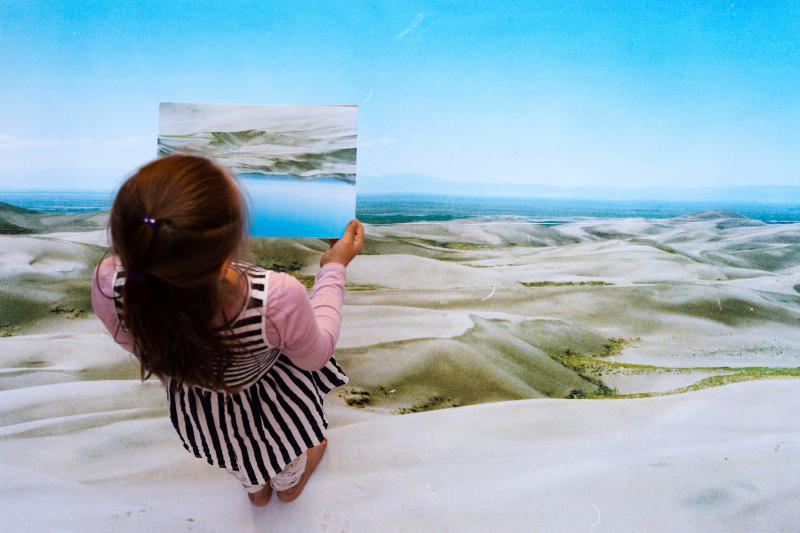
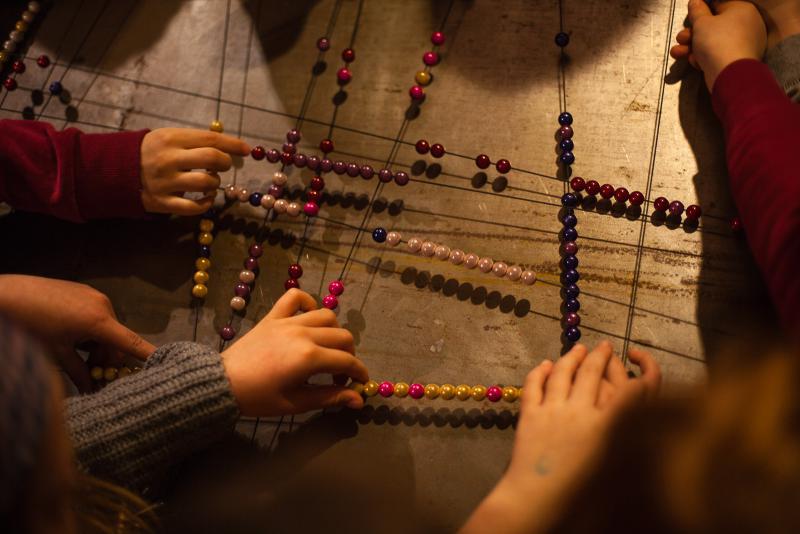
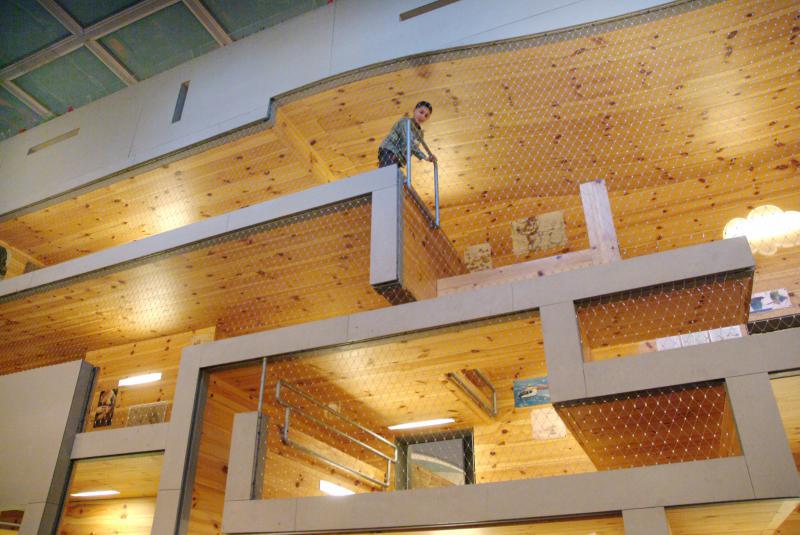
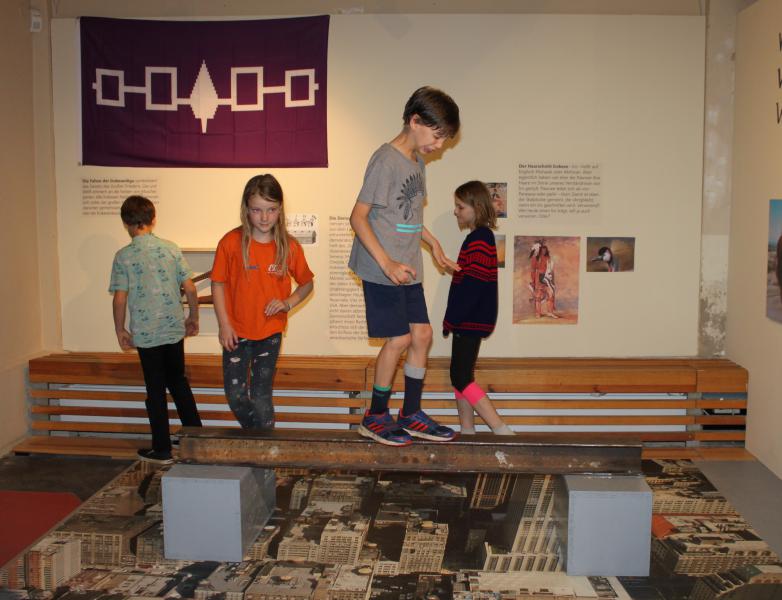
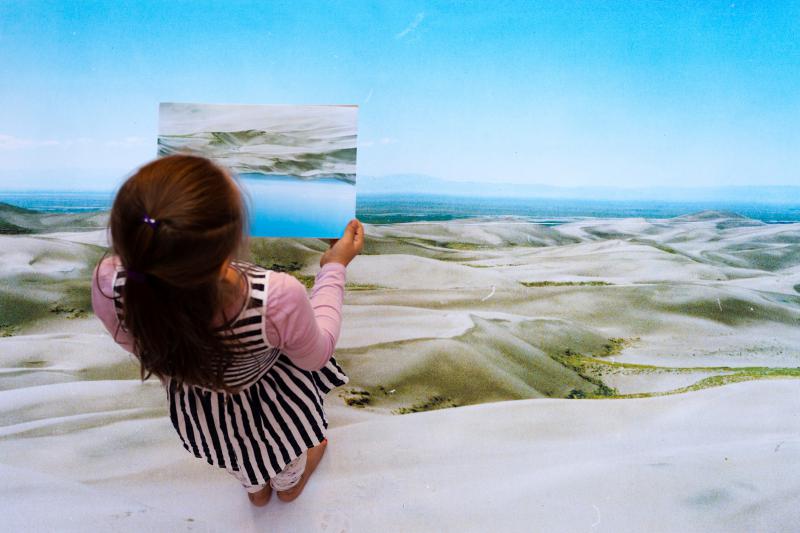
In Berlin-Pankow the MACHmit! Museum for Children presents its new exhibition »the wide horizon«!
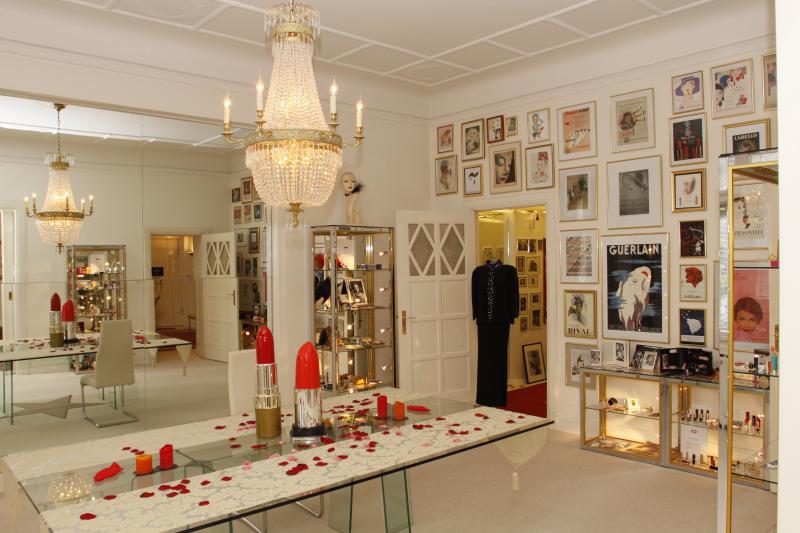
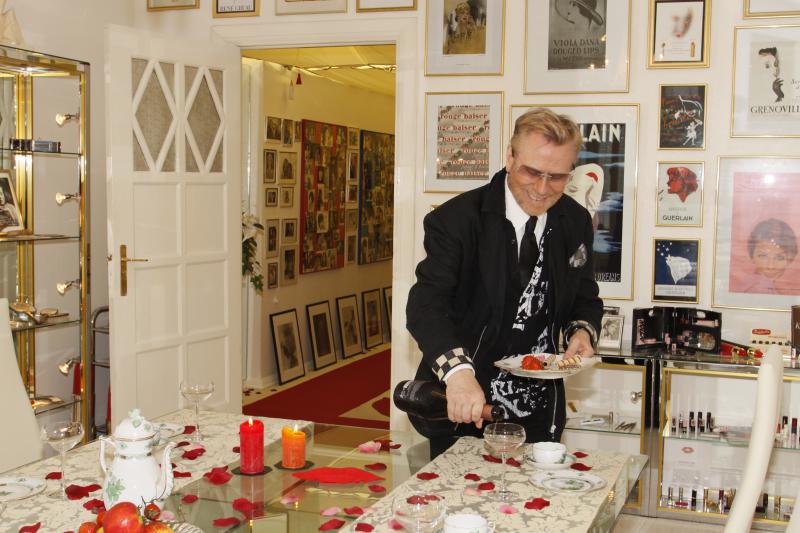
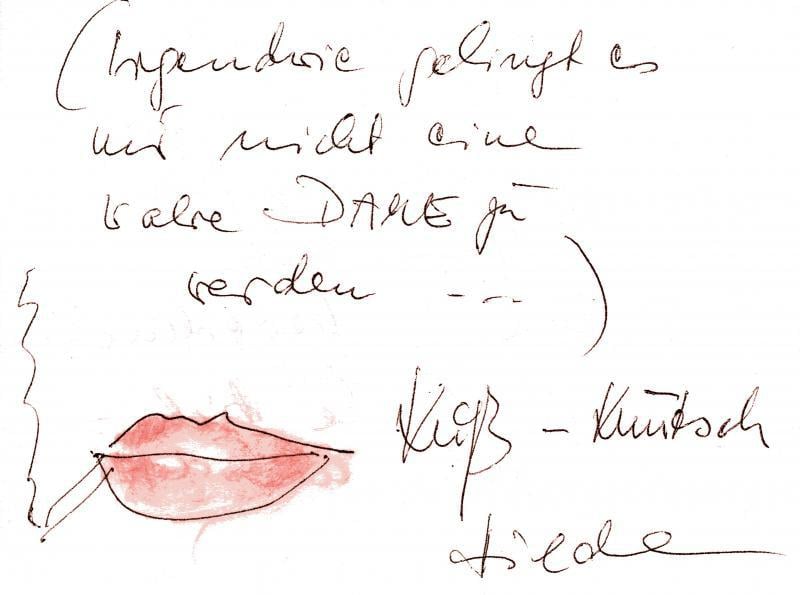
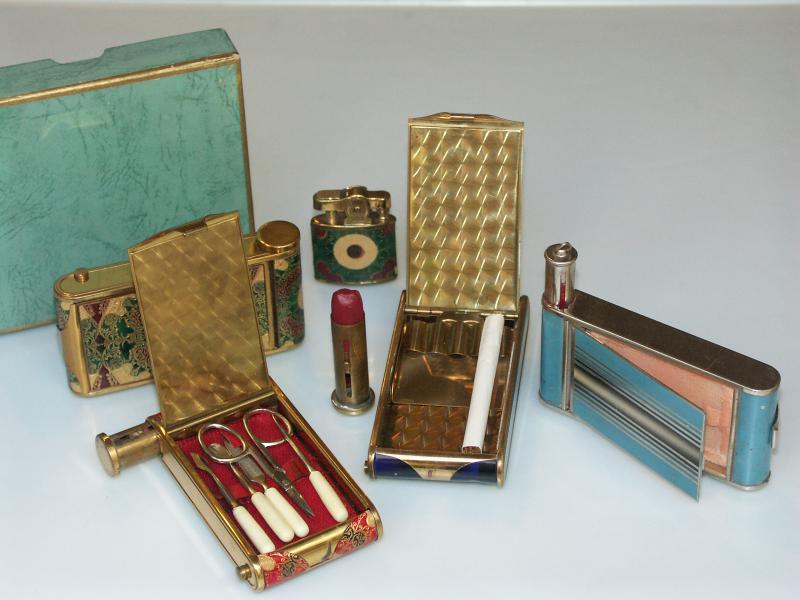
In Wilmersdorf, in the Bavarian Quarter, star make-up artist René Koch runs the world's only museum dedicated to lipstick. The private collection in his salon apartment ranges from the Baroque period to the present day, transforming a cosmetic classic into a piece of cultural history.
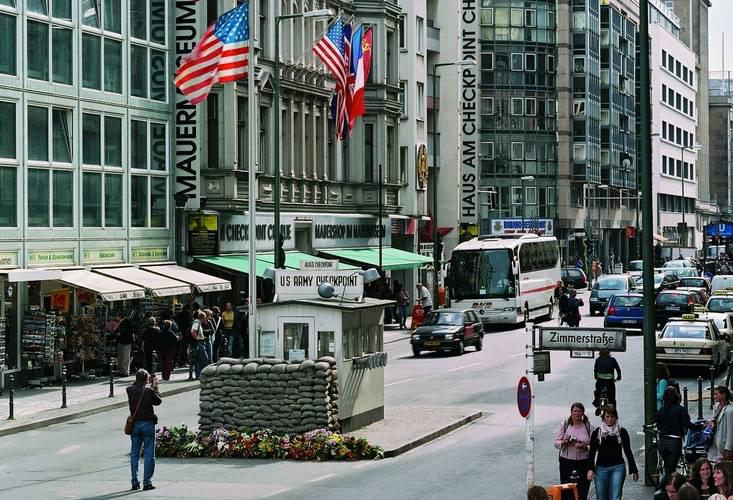
Right in front of the door of the museum is the former Checkpoint Charlie. Inside it is all about the creative ways of people wanting to flee from East Germany and the border fortifications of that time.
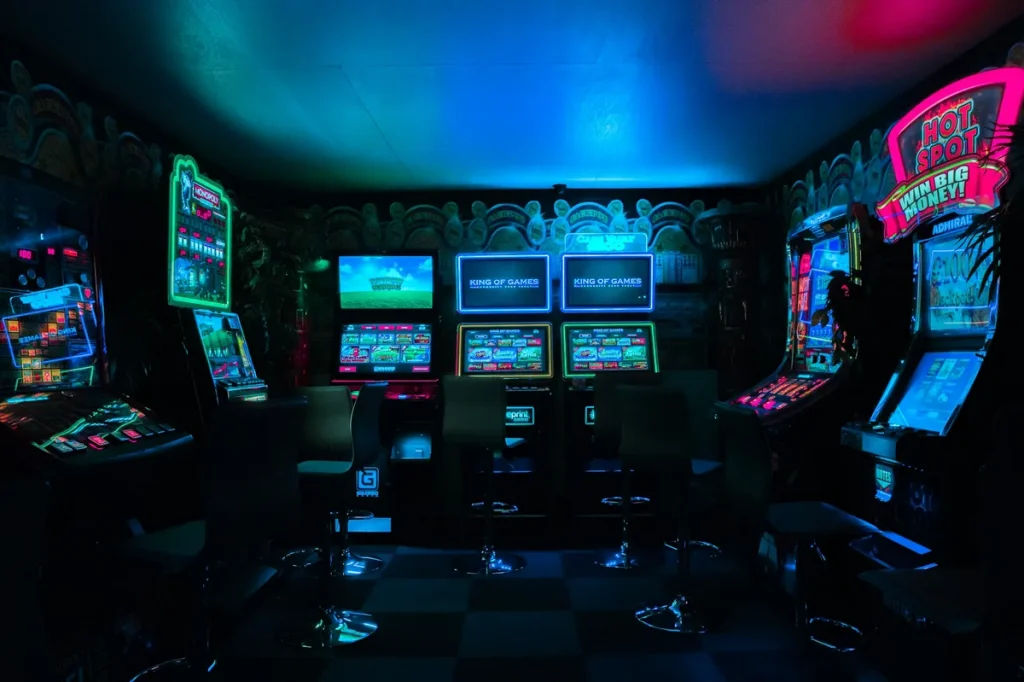
The Computer Games Museum in Friedrichshain is the world's first museum of its kind, taking visitors on a journey through 70 years of gaming history. Over 300 playable exhibits, an arcade hall, and changing special exhibitions make Sundays an experience for all generations.
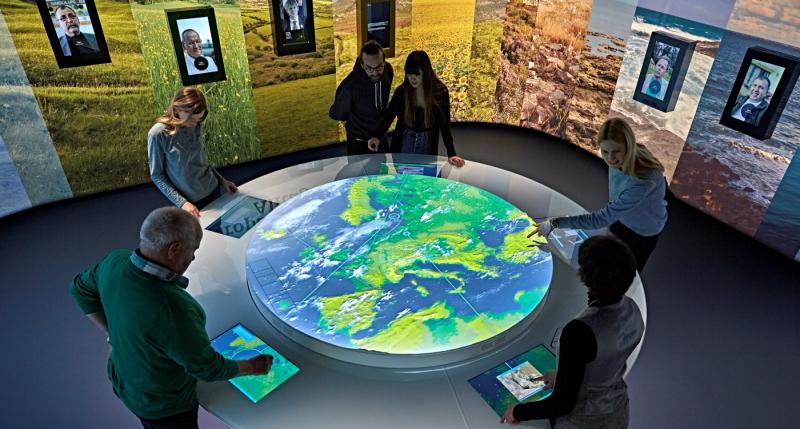

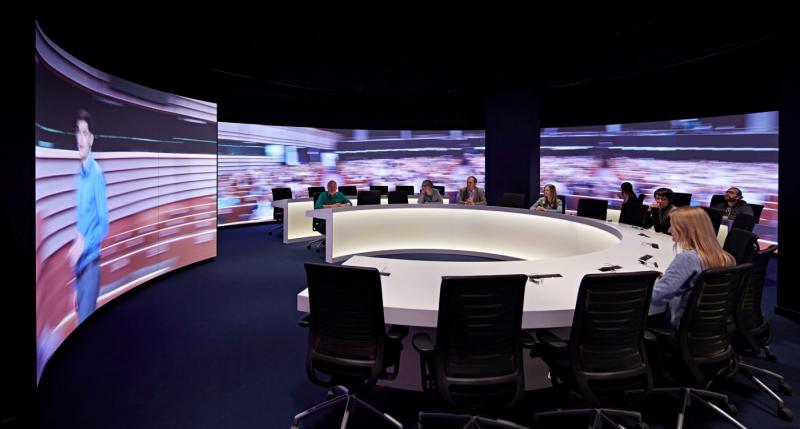
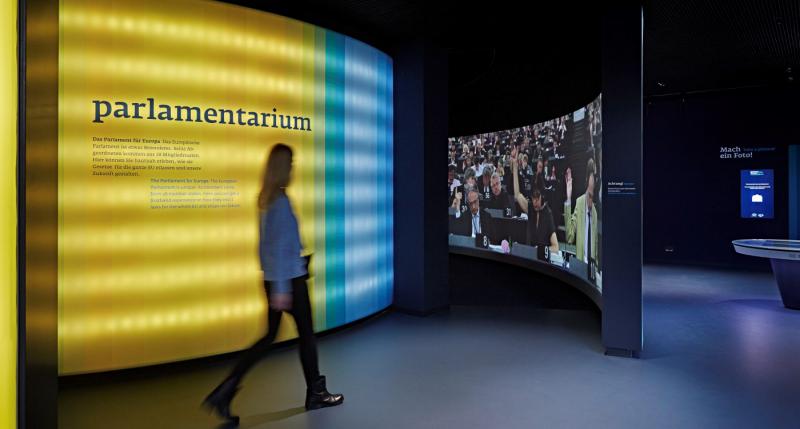
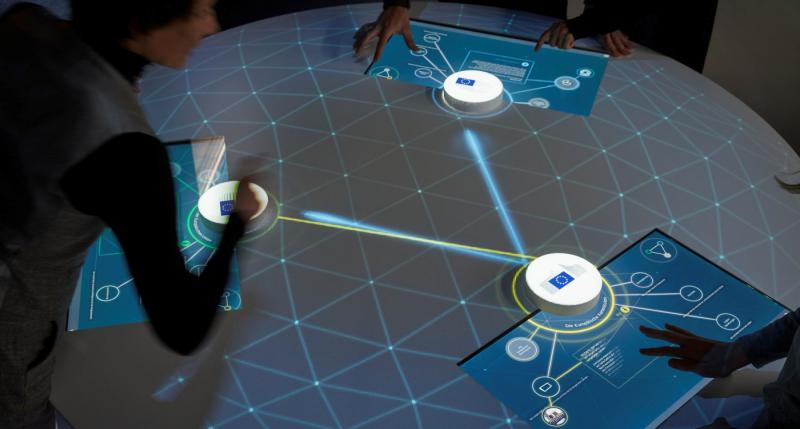
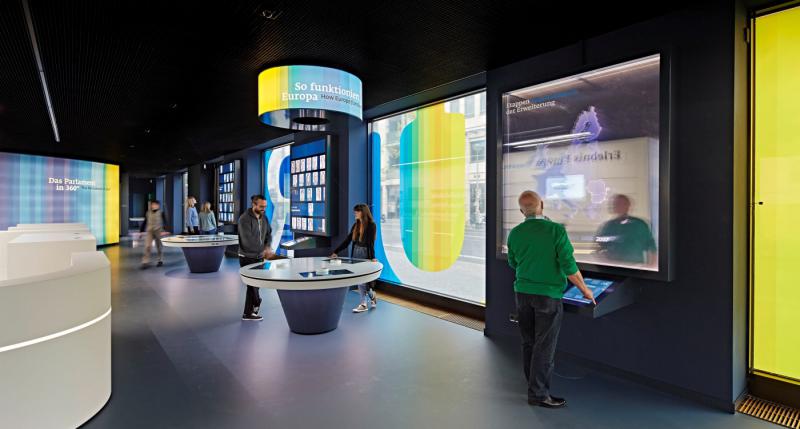
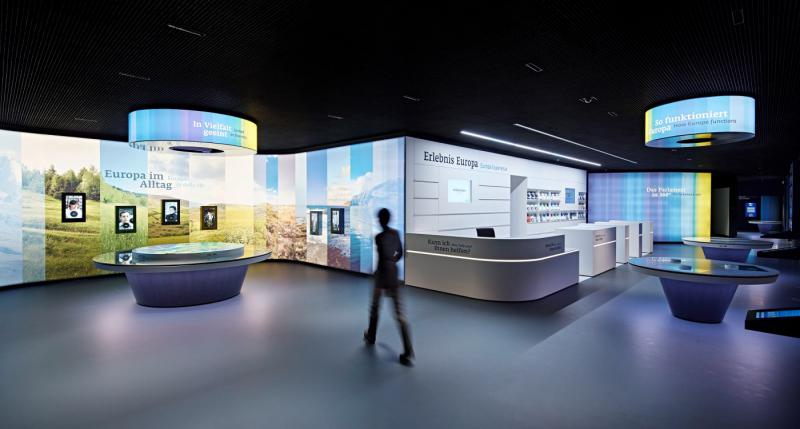
The interactive permanent exhibition Europa Experience at the European House Berlin at the Brandenburg Gate takes visitors on a journey throughout the European Union.
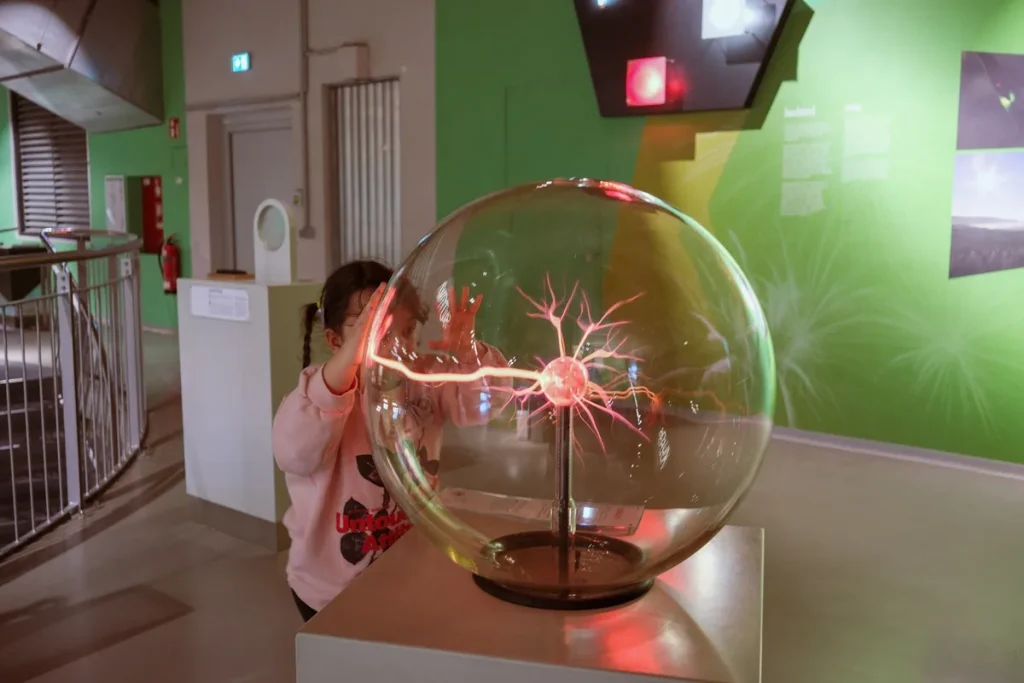
In the Kreuzberg Museum of Technology area, the Science Center Spectrum proves that natural science is not a school subject, but an experience. Over 150 interactive hands-on stations on four floors make physics and technology literally tangible for children aged 4 and up. One of Germany's oldest science centers, which has lost none of its fascination to this day.
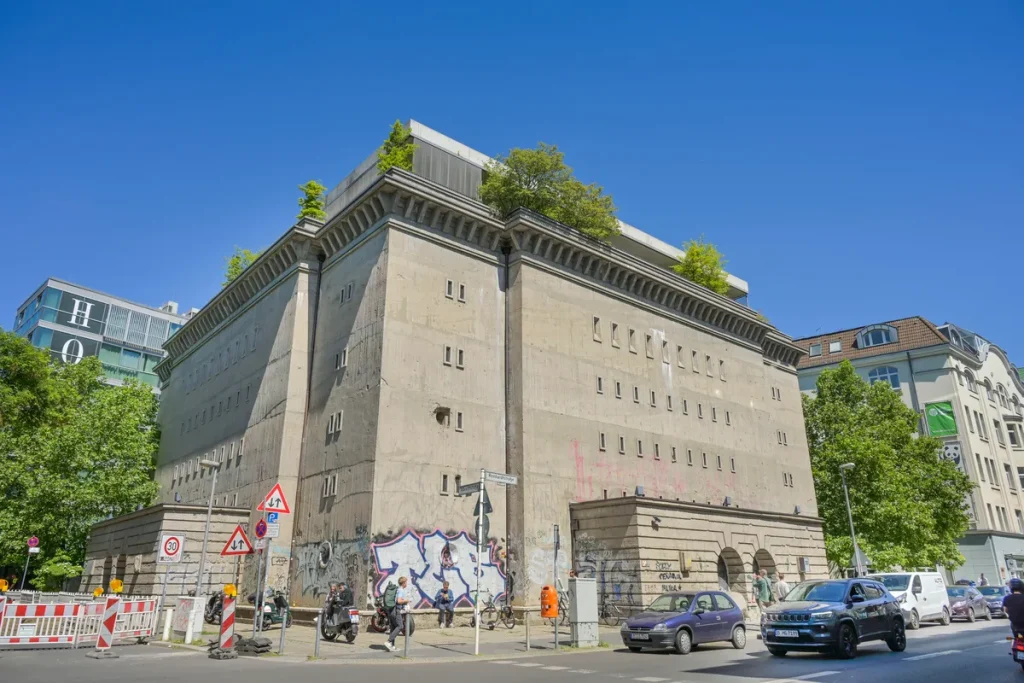
On Reinhardtstraße stands a massive high-rise bunker from 1942, with trees growing on its roof. Inside, Karen and Christian Boros have been displaying their collection of international contemporary art since 2008, viewable only by guided tour.

In Berlin's government district, not far from the main train station, the Futurium stands as one of the city's most exciting free museums. Across over 5,000 square meters, visitors interactively explore the future of humanity, nature, and technology. Those who want to know what tomorrow looks like won't find answers here, but something better: the right questions.
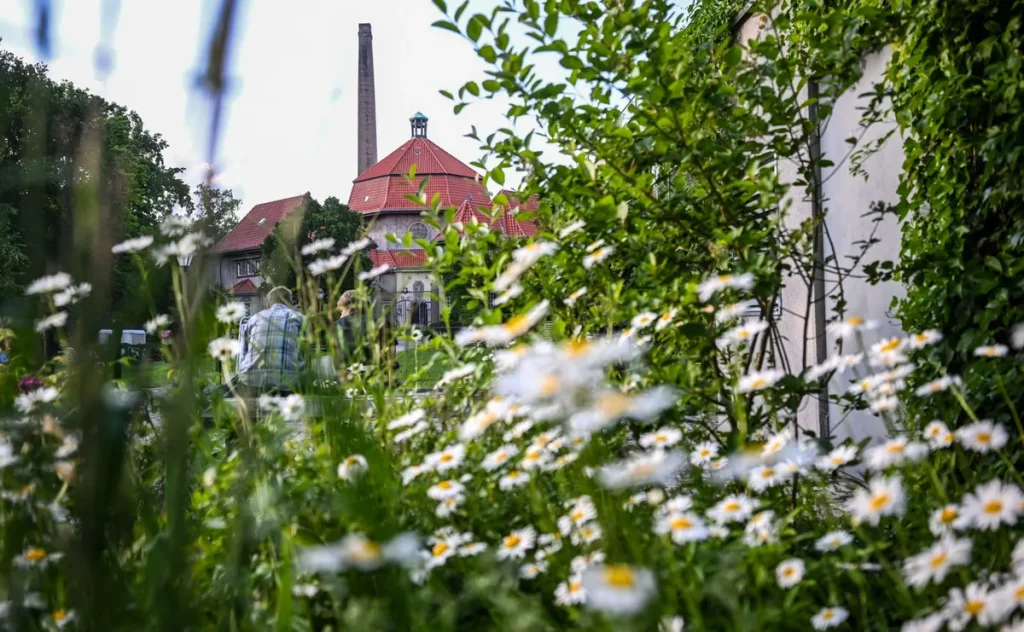
Behind the sandstone facade on Gerichtstraße in Wedding lies Berlin's first crematorium. Since 2013, it has become the silent green Kulturquartier, offering concerts, film programs, and exhibitions in the cupola hall and the underground concrete hall.
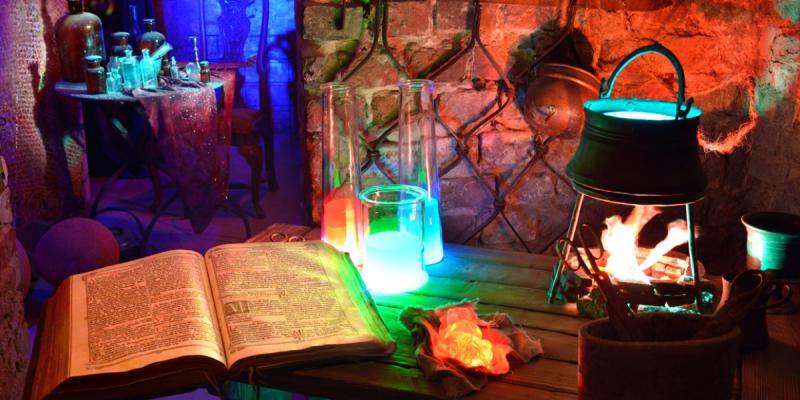
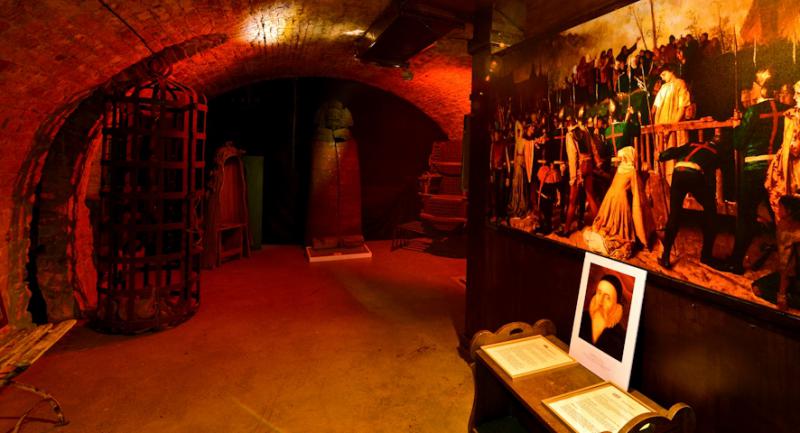

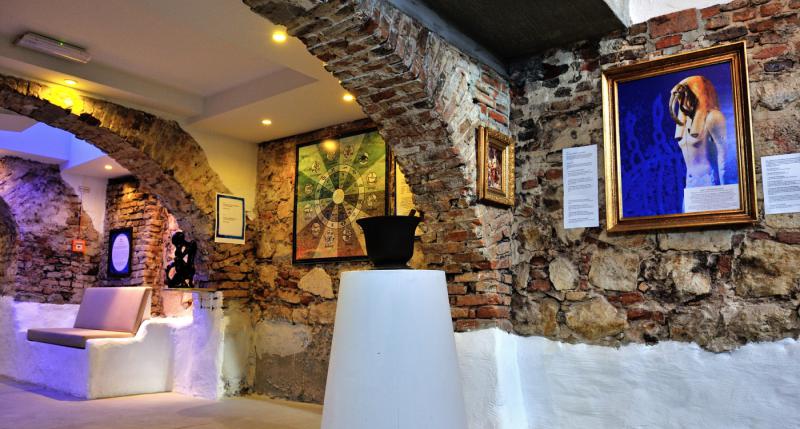
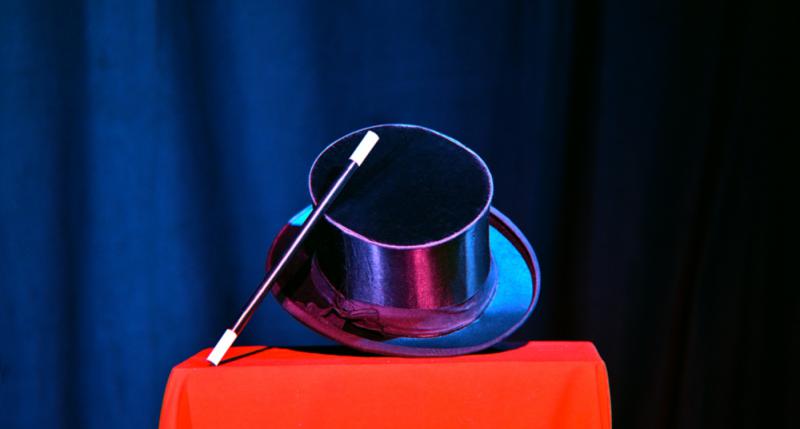
Hidden in the vaulted cellar of the historic Hamburger Hof in Scheunenviertel, Mitte, is Berlin's most peculiar magic museum. Covering over 600 square meters, the MAGICUM Berlin Magic Museum showcases around 450 exhibits from all over the world, from African ritual masks to Dutch witch scales. A museum that takes cultural history and mysticism seriously with humor.
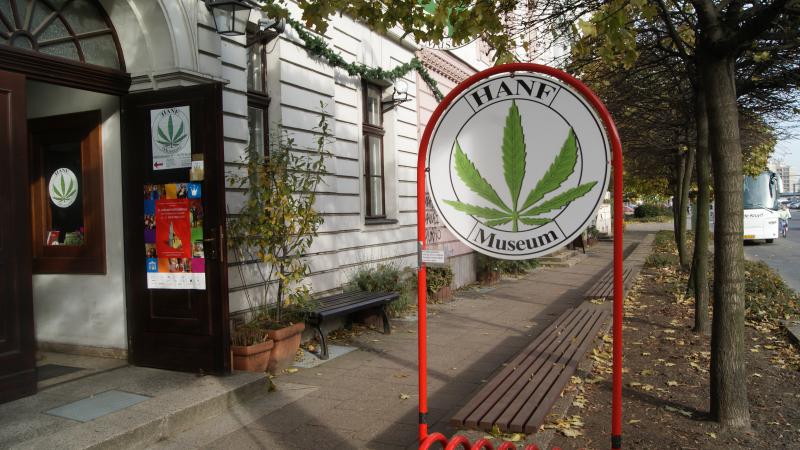
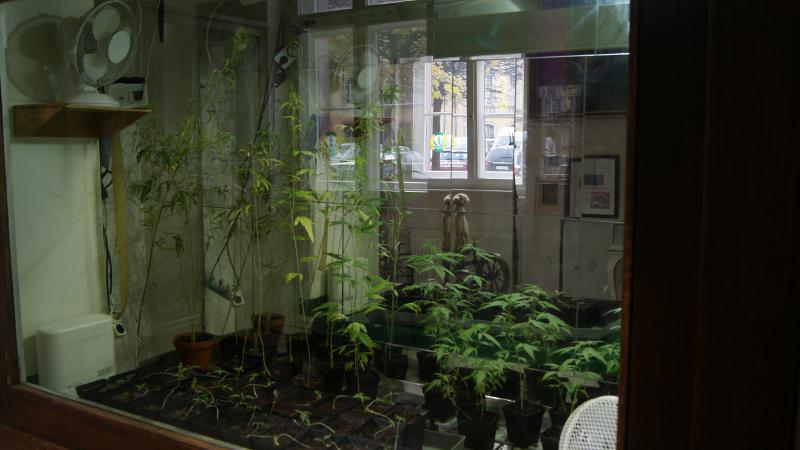
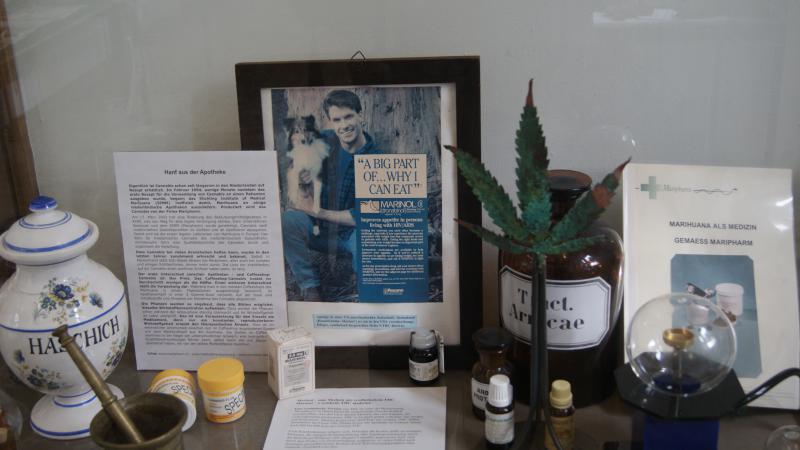

Located in the Nikolaiviertel, just a few minutes' walk from Alexanderplatz, the Hemp Museum Berlin is the only institution of its kind in Germany, dedicating approximately 300 square meters to the cultural history of cannabis. Botany, industrial history, medicine, and prohibition are given equal space here, presented objectively and without moralizing.
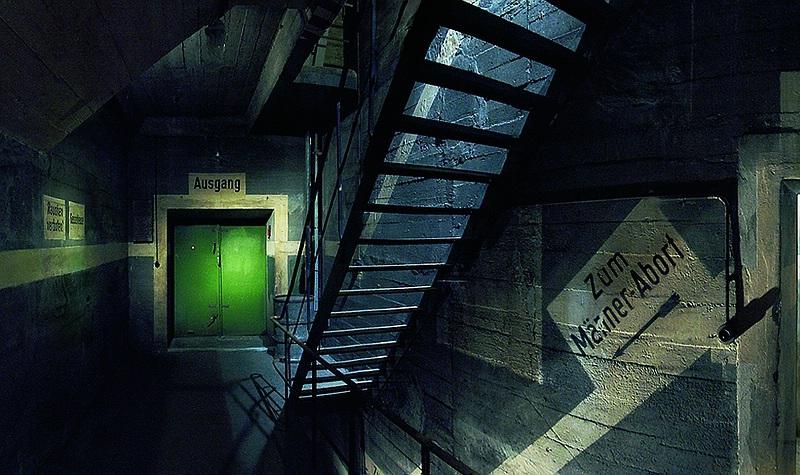
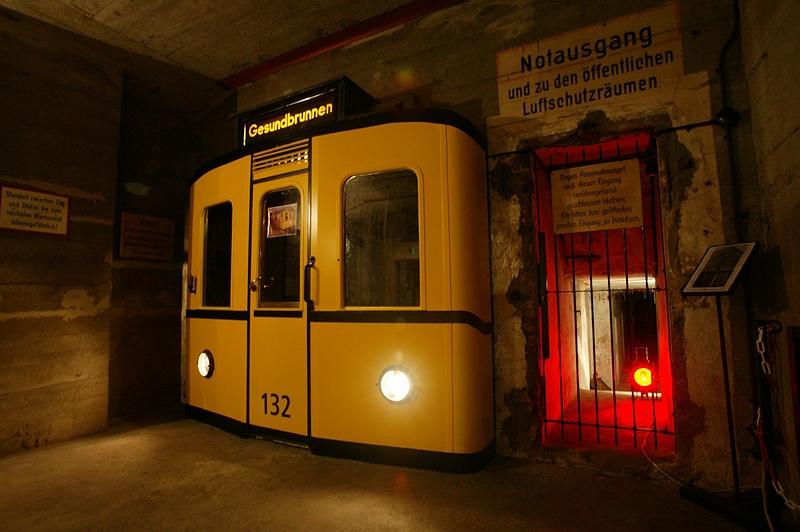
Behind a green door in Gesundbrunnen U-Bahn station, a world of air-raid shelters, tunnels, and old cellars begins. The Berliner Unterwelten association has been leading tours through these facilities since the late 1990s, recounting Berlin's history from World War II to the Cold War.
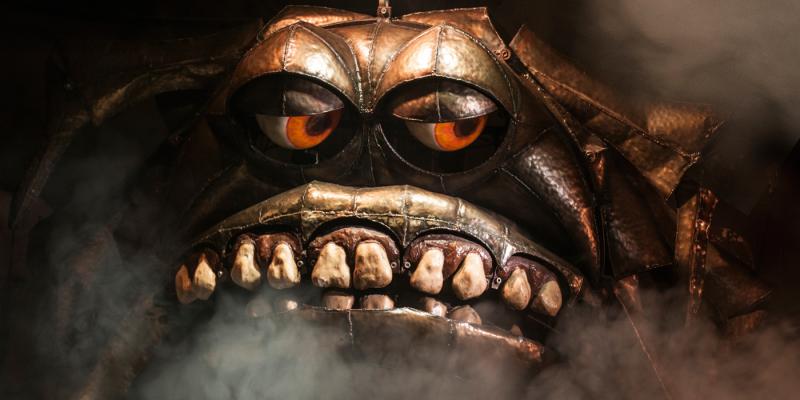
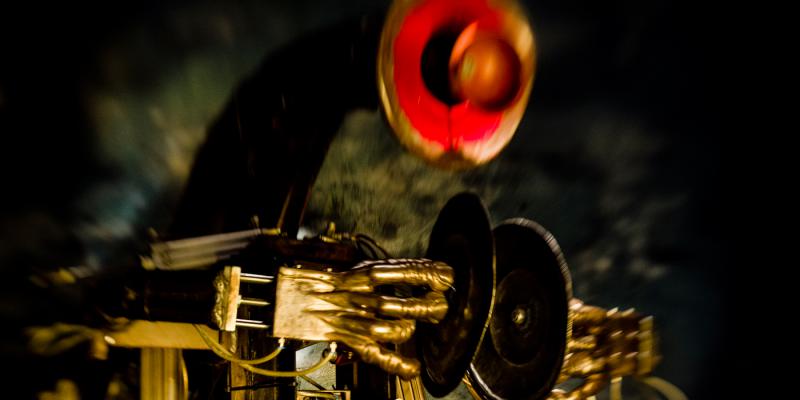
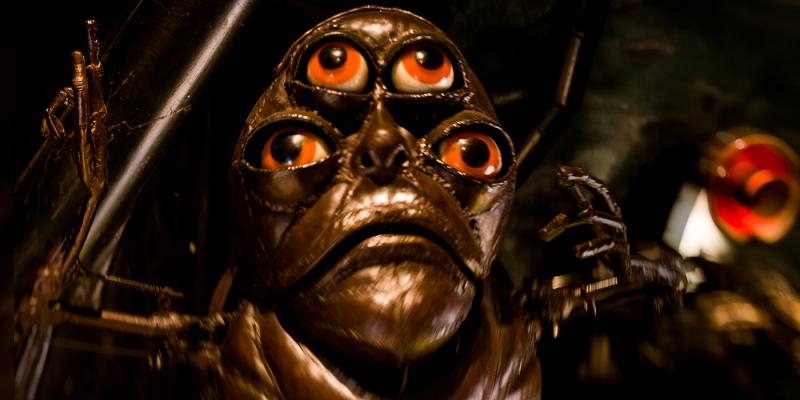
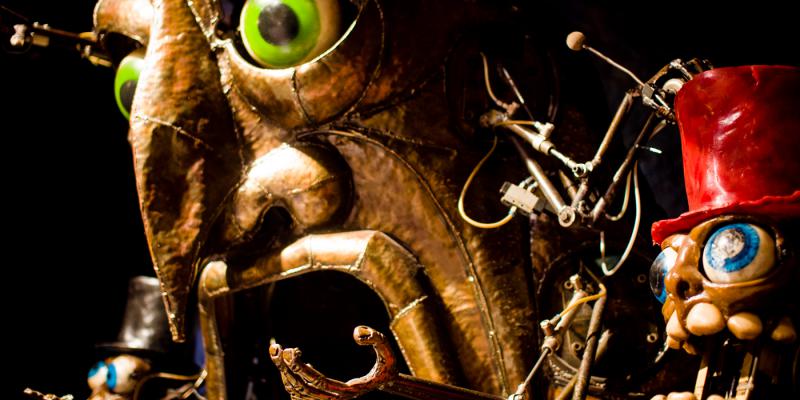
In the cellar of Haus Schwarzenberg on Rosenthaler Straße, mechanical monsters come to life. The Monster Cabinet by the artist group Dead Chickens is a machine theater where automaton figures made from scrap and found objects dance, sing, and recite poems.

In its permanent exhibition, the Puppetheater-Museum Berlin informs about the history of the puppet theater and shows today's play forms with current puppet theater for children.
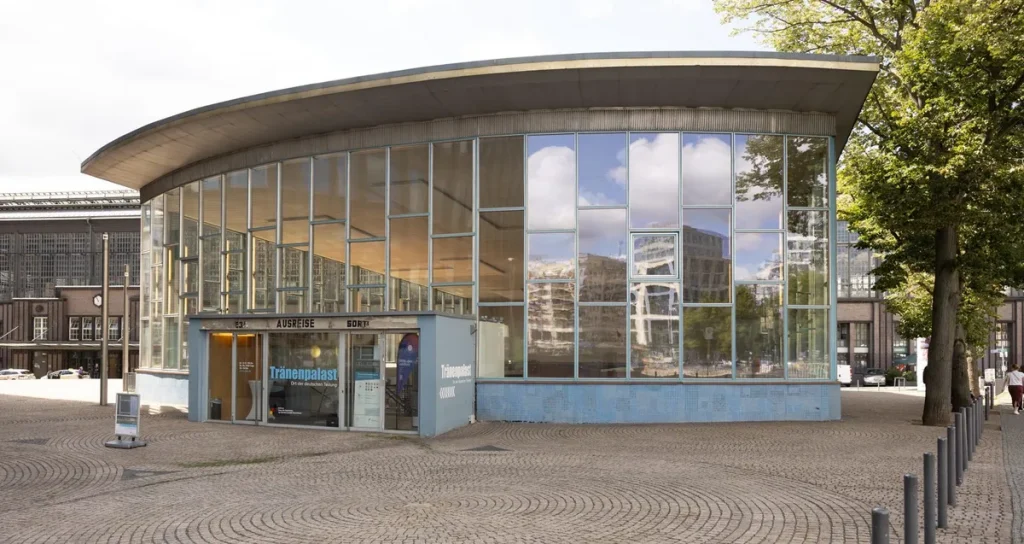
At Friedrichstraße station, there is a glass and steel pavilion that served as the departure hall at the border between East and West Berlin during GDR times. Today, the Tränenpalast (Palace of Tears) houses a permanent exhibition about everyday life in divided Germany, with free admission.
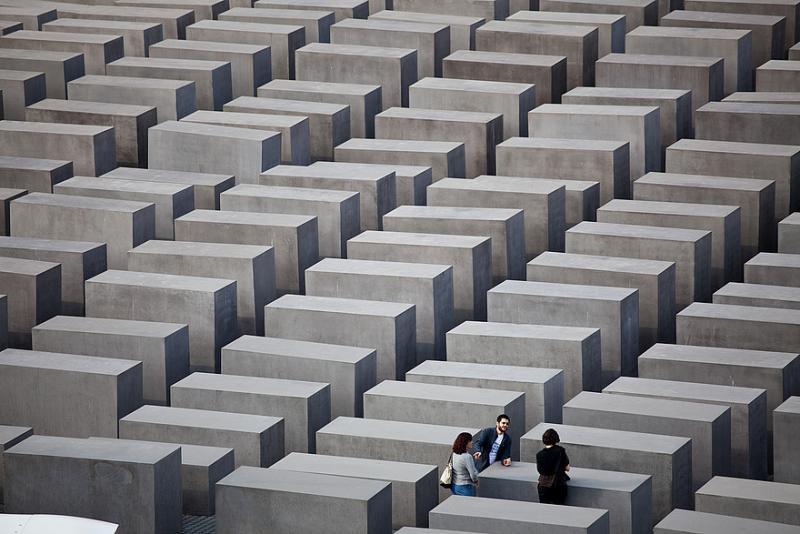
Countless people visit the Field of Stelae near the Brandenburg Gate in Berlin daily. However, few Berliners and tourists know that there is also a free exhibition located beneath the Holocaust Memorial.
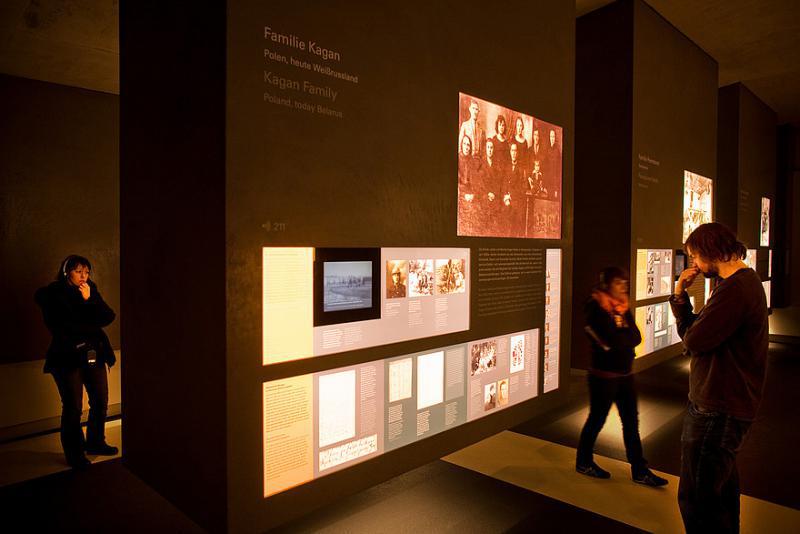
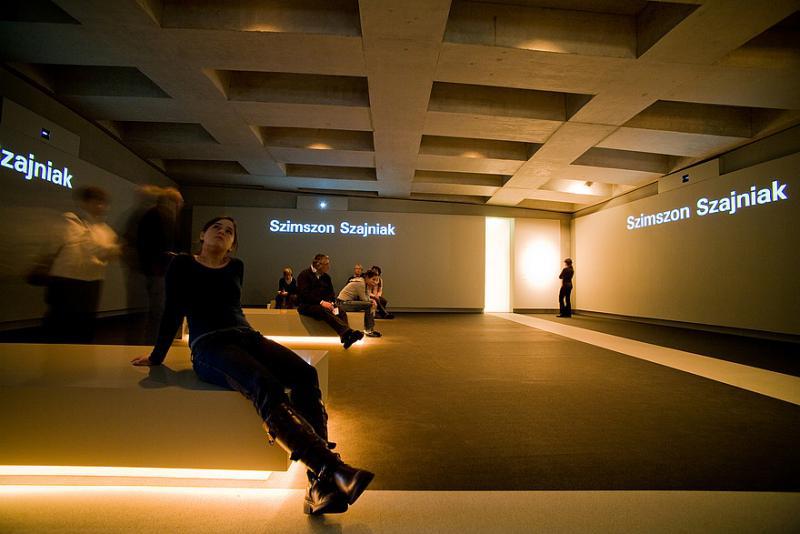
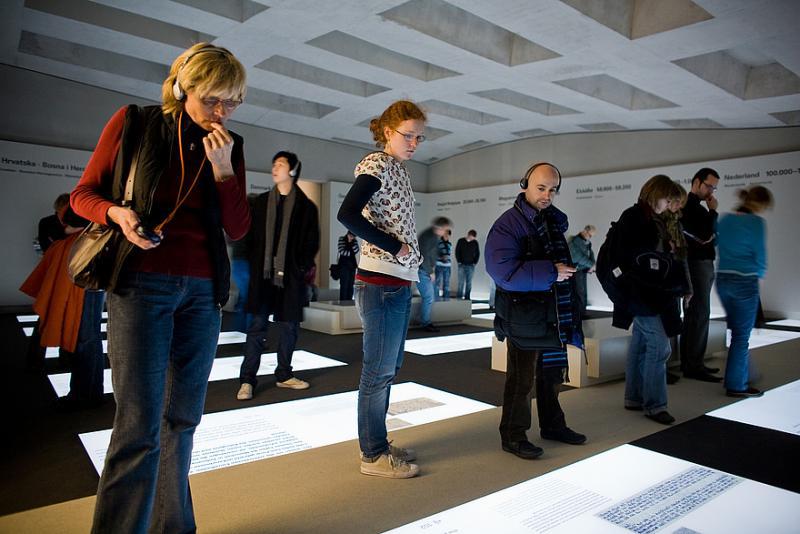
Beneath the field of stelae of the Memorial to the Murdered Jews of Europe lies the "Place of Information", an underground exhibition covering approximately 800 square meters. It tells the stories of people, families, and places of persecution, and admission is free.
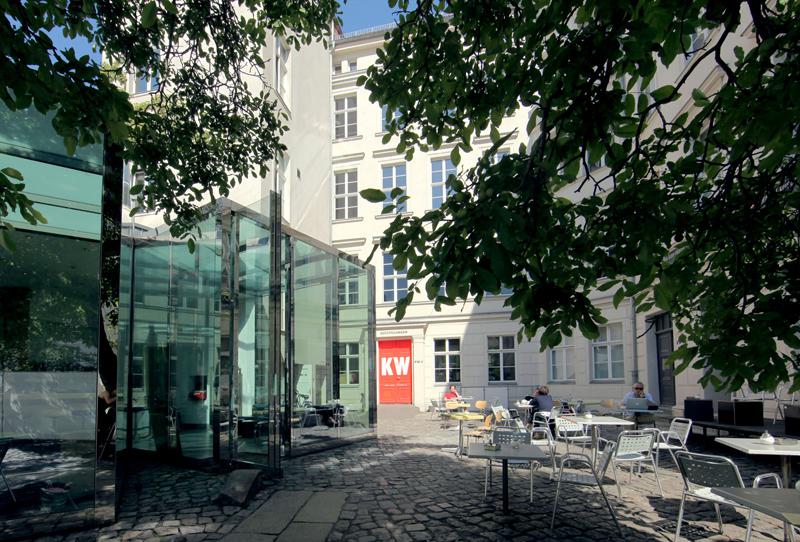
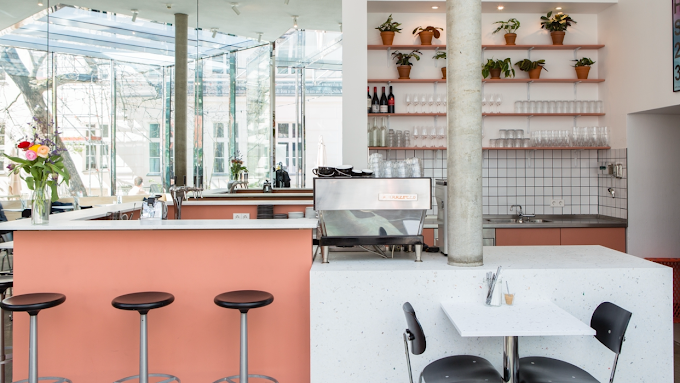
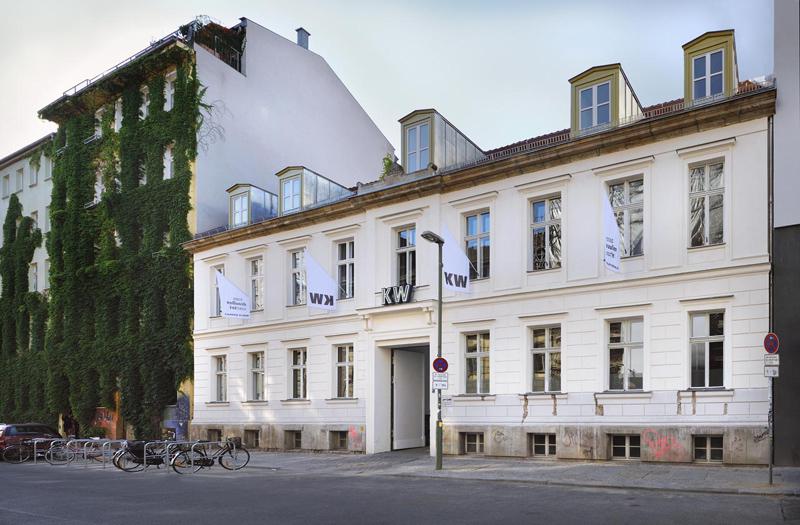
Café Bravo in the courtyard of the KW Institute for Contemporary Art on Auguststraße in Berlin-Mitte is arguably the city's most beautiful museum café. Cobblestones, old trees, and an iconic glass pavilion make Sundays here a real event.
In the backyard of an old factory in Moabit, between brick walls and train tracks, the Kulturfabrik Moabit's Open-Air Cinema shows films every summer that are rarely seen on a screen in Berlin. Admission is free, the atmosphere unique.
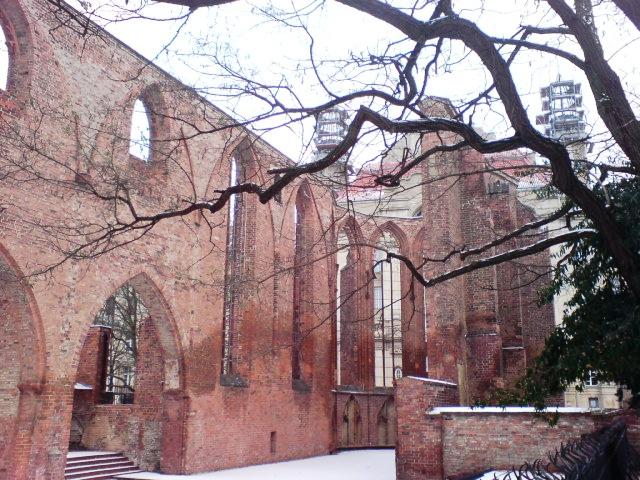
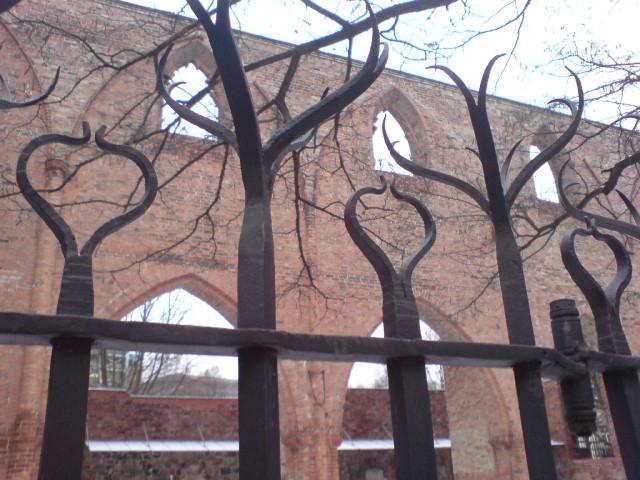
Just a few steps from Klosterstraße subway station stand the walls of a 13th-century monastery church. The ruin of the Franciscan Monastery Church is one of Berlin's oldest buildings and today serves as an open-air exhibition space for contemporary art, with free admission.
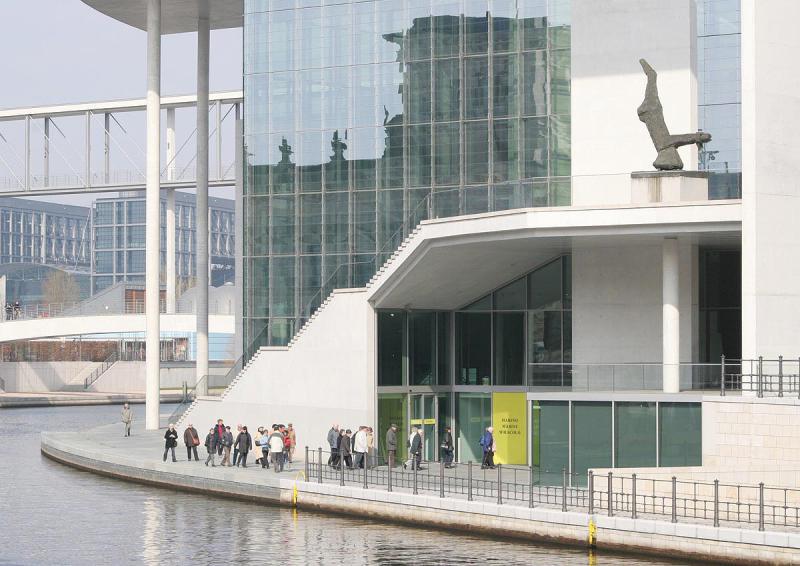
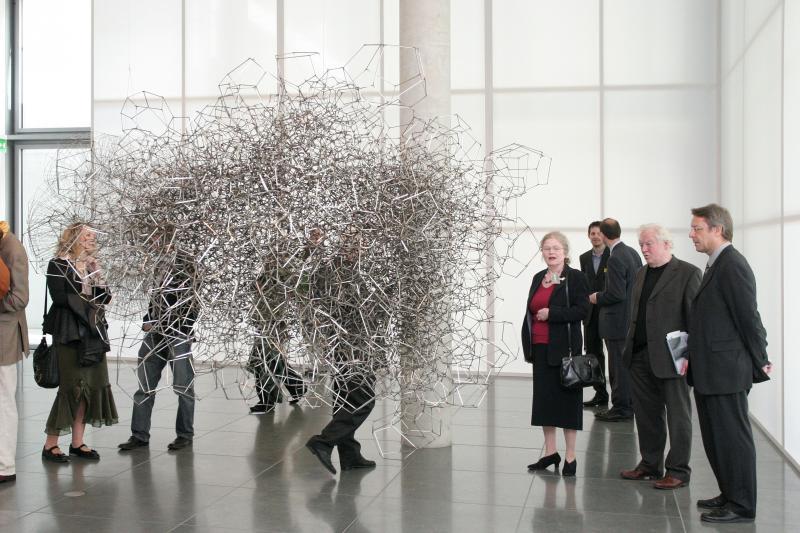
The Dome of the German Reichstag and the Chamber may be the most famous hotspots of the German Parliament, a visit, however, is associated with long waiting times and pretty boring when visiting a second time. In contrast, experts rather visit the art room of the Bundestag.
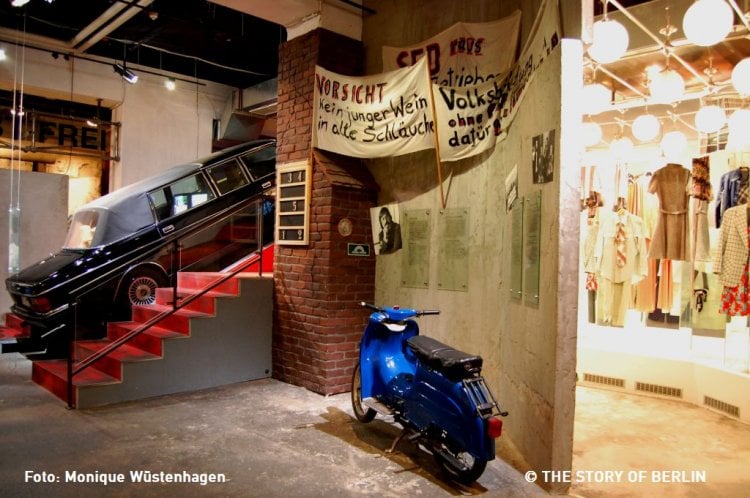
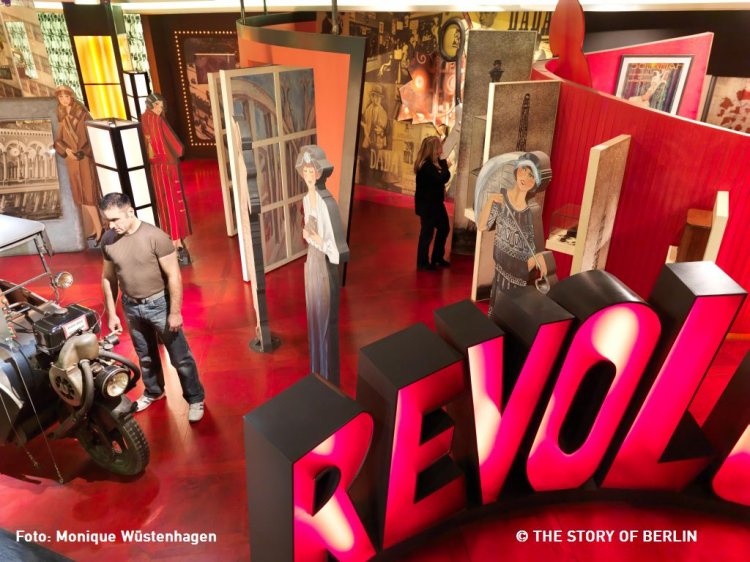
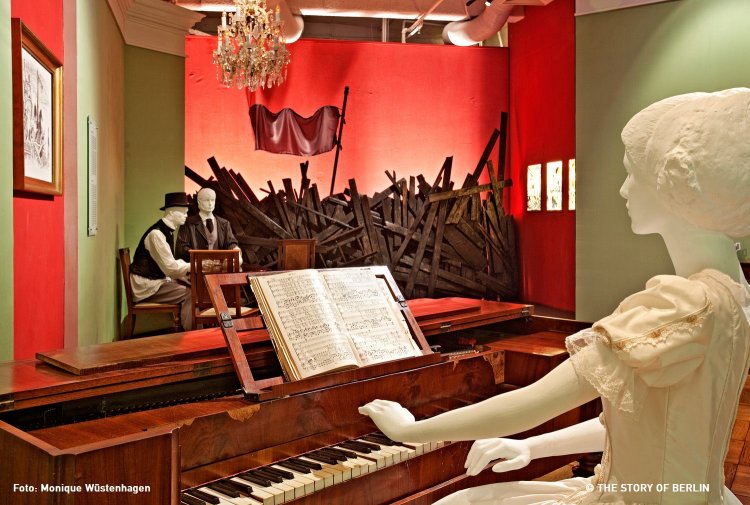
Due to reconstruction work, the adventure museum "The Story of Berlin" is permantently closed.