Our rating
4.8
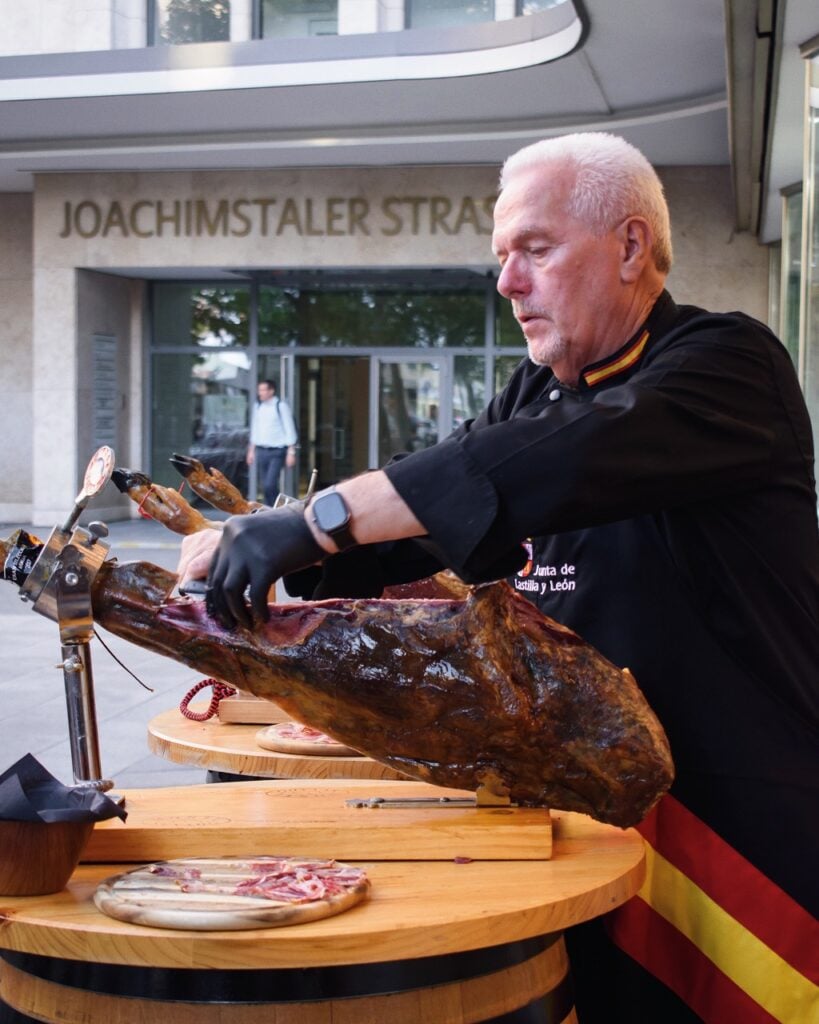
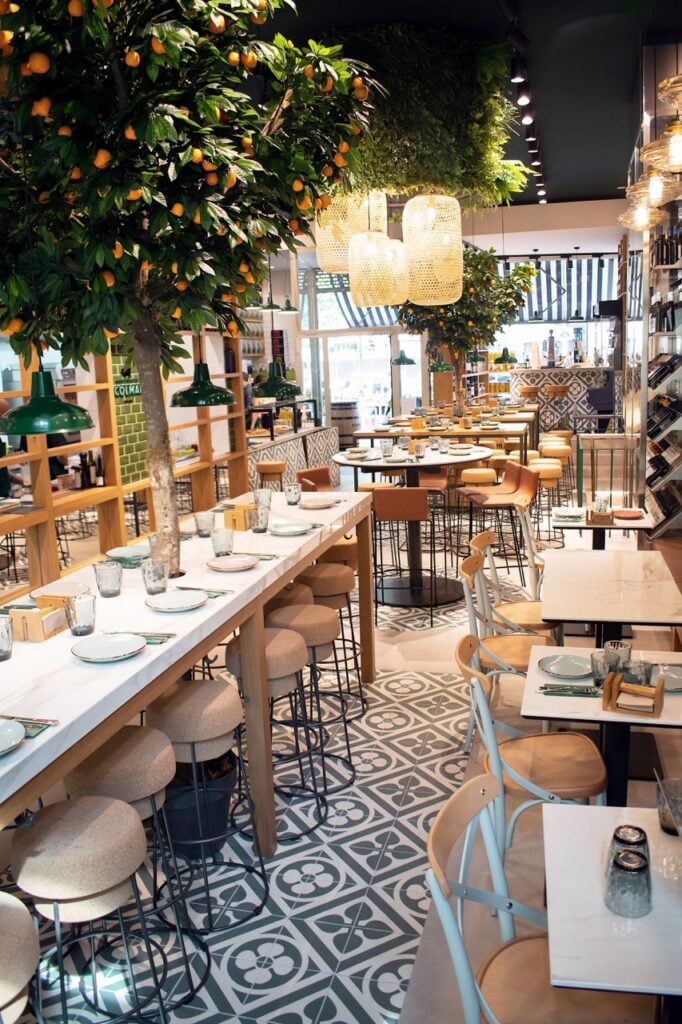
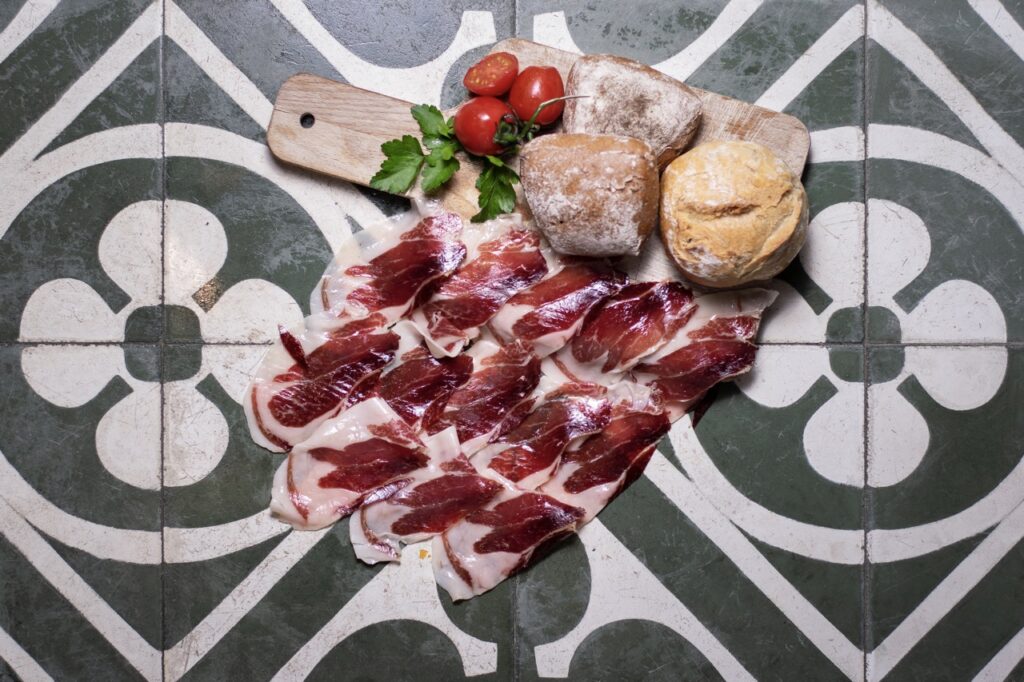
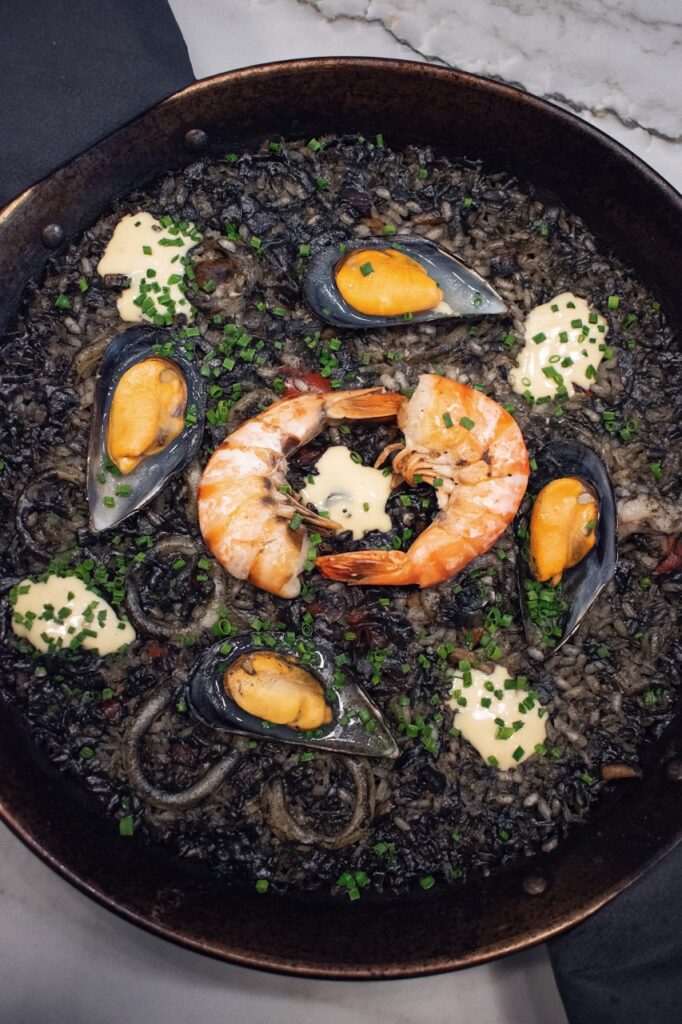
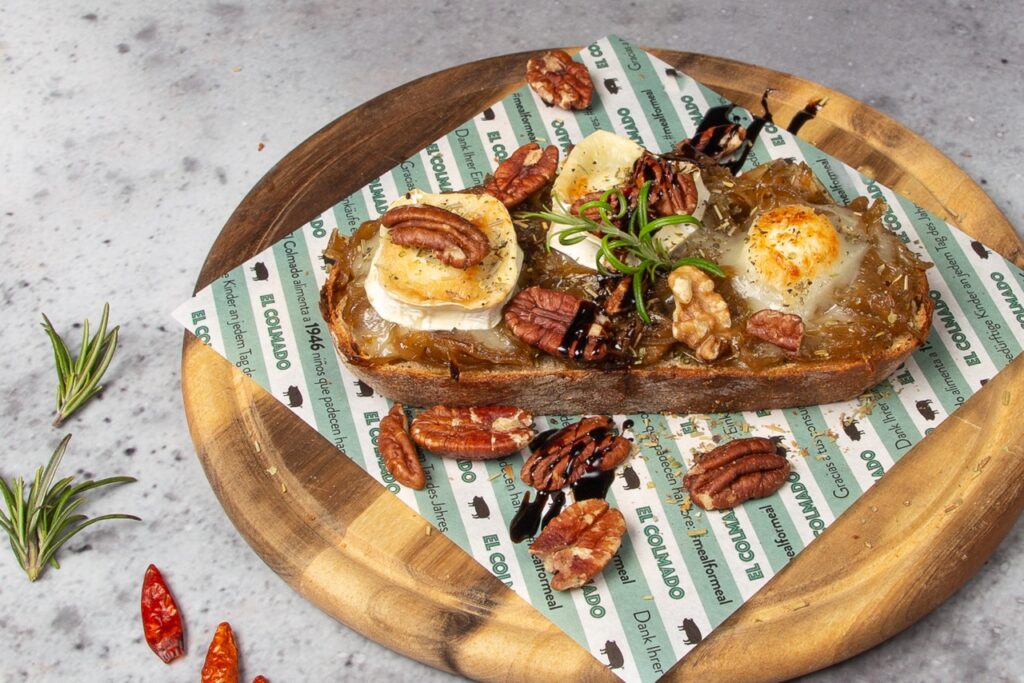
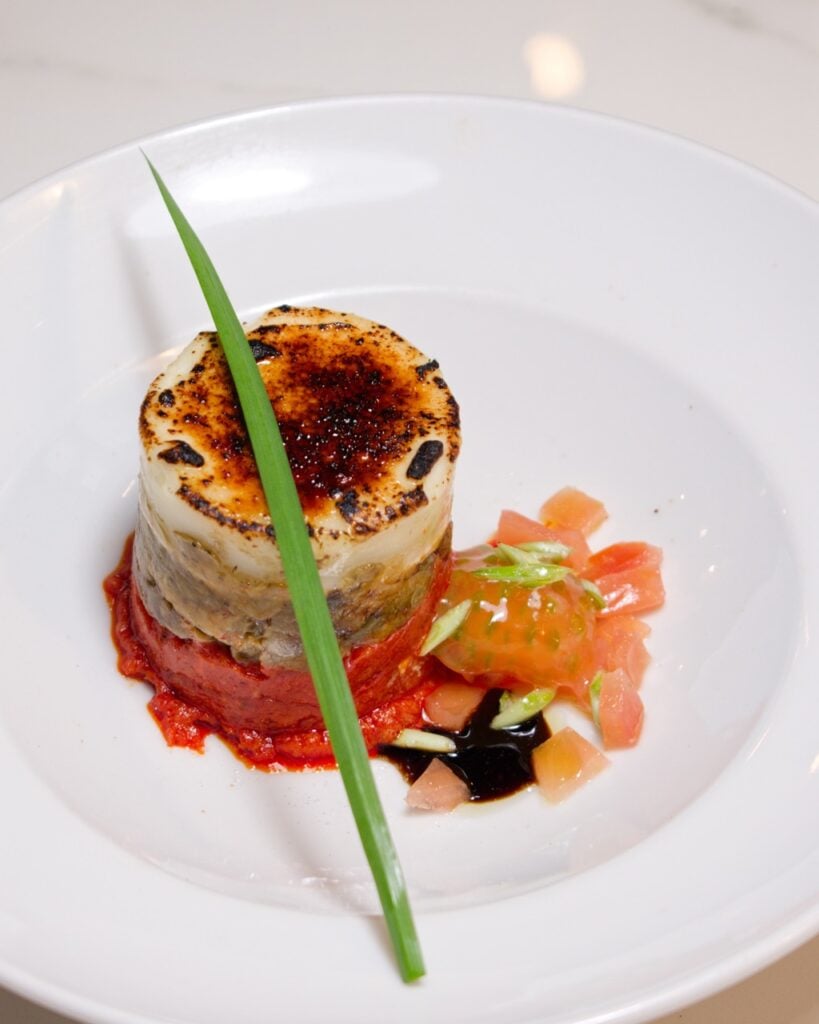
On Rathausstraße near Alexanderplatz, there's a tapas bar that avoids clichés: ham carved from the bone, croquetas, and vermouth, served at wooden barrels and at the counter.
See more

25 Locations
An insider tip is worth its weight in Berlin, a sprawling city where the best spots often hide in plain sight. From backstreet bars to under the radar restaurants, an insider tip here leads you past the tourist trail. This overview gathers Berlin locations known mostly to those in the know.
Tucked away in the courtyards of Mitte, the side streets of Neukoelln and the quieter corners of the east, these are the places locals keep coming back to. Unmarked bars, tiny kitchens and independent shops reward the curious, and word of mouth does the advertising. Half the pleasure is in the finding.
Browse the venues below to find an insider tip across Berlin, from hidden bars to local favourites.
On Rathausstraße near Alexanderplatz, there's a tapas bar that avoids clichés: ham carved from the bone, croquetas, and vermouth, served at wooden barrels and at the counter.
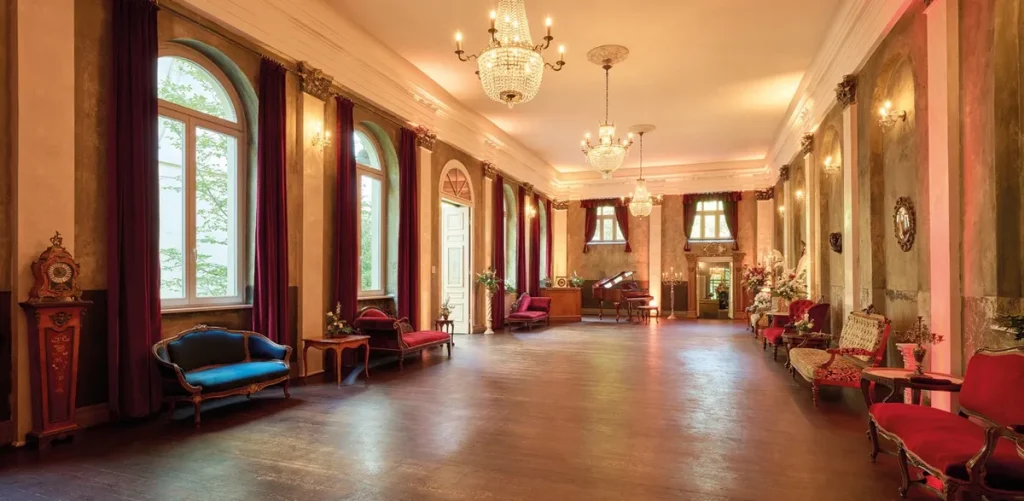
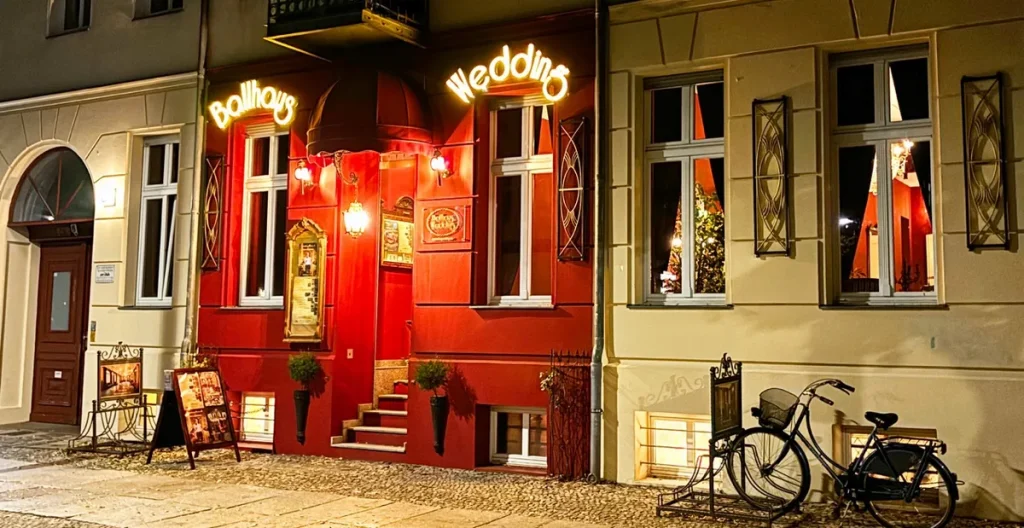
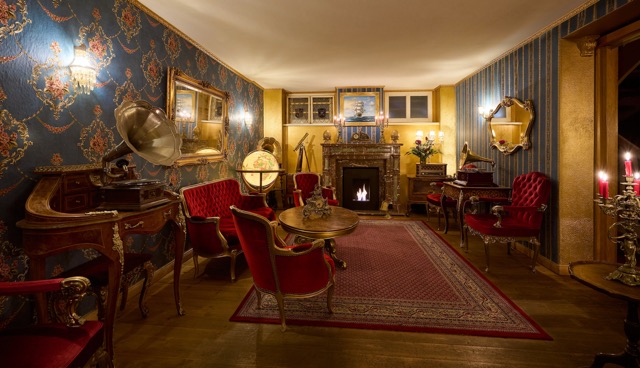
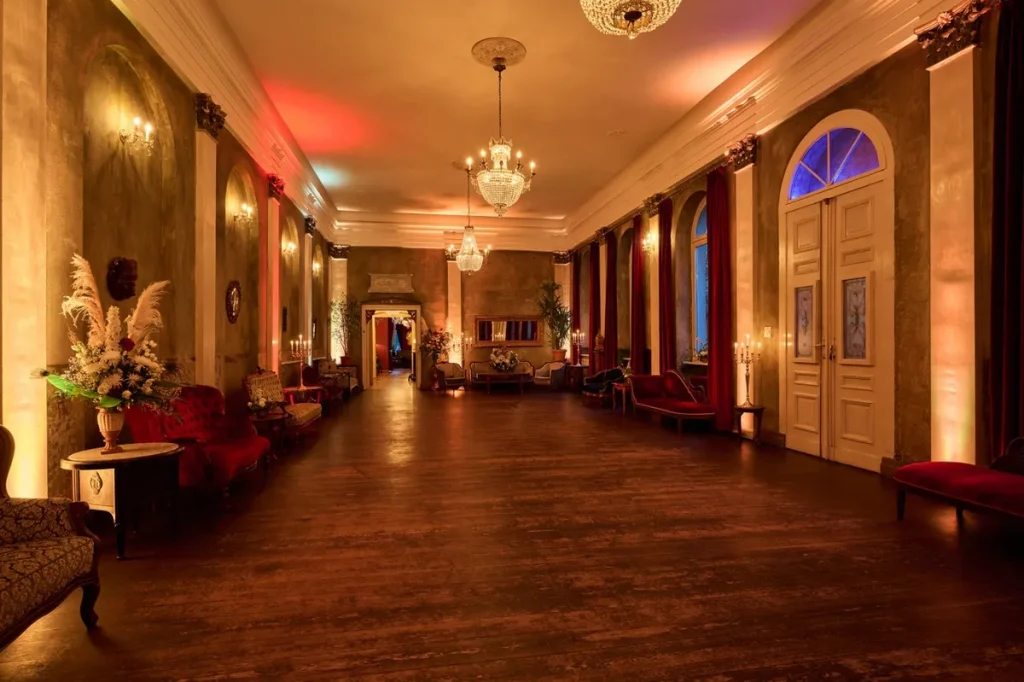
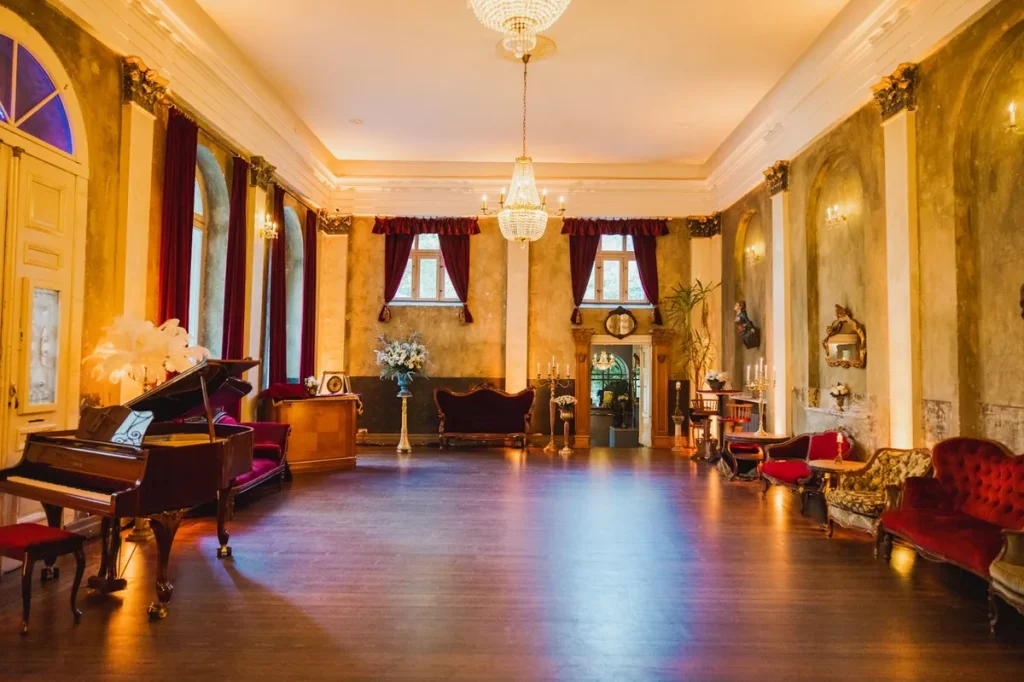
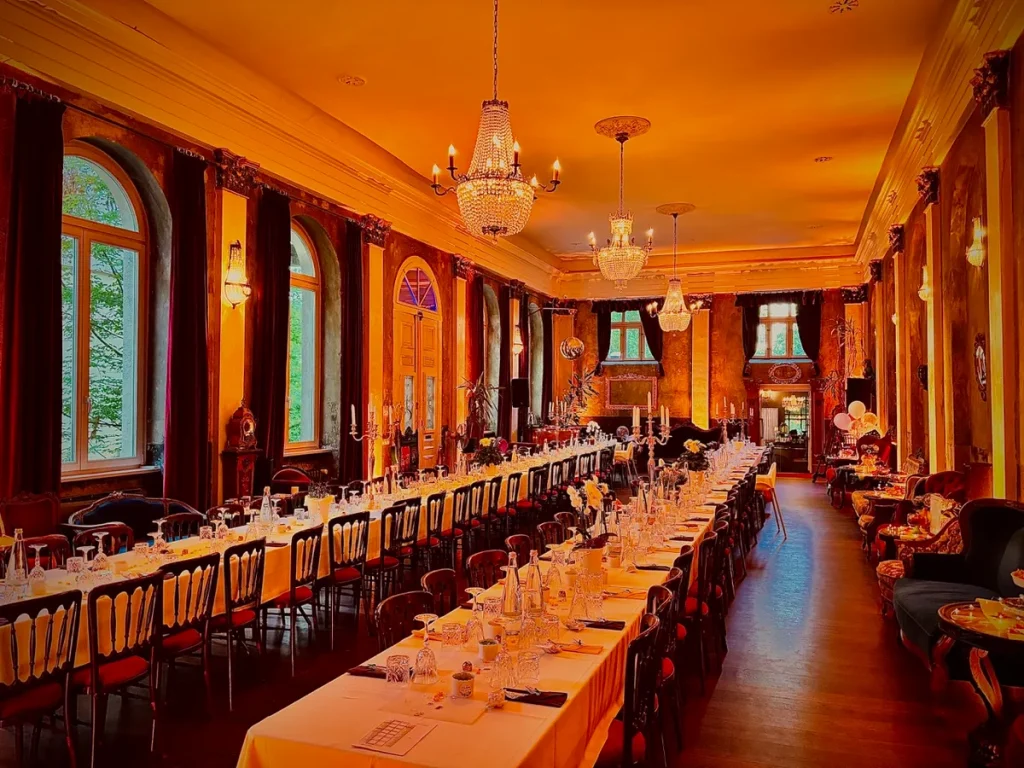
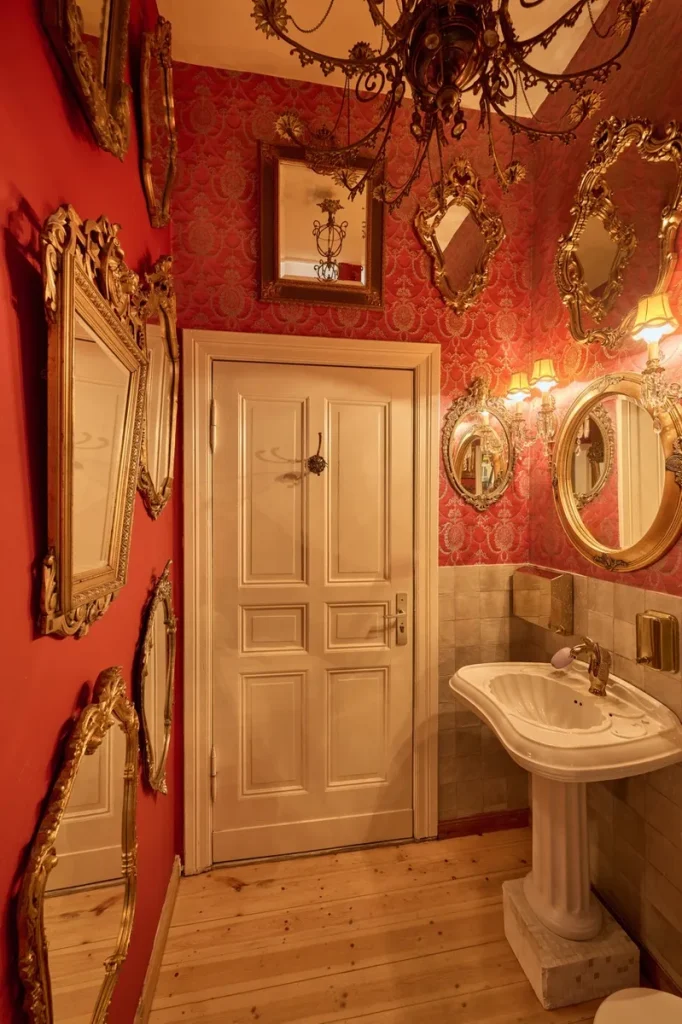
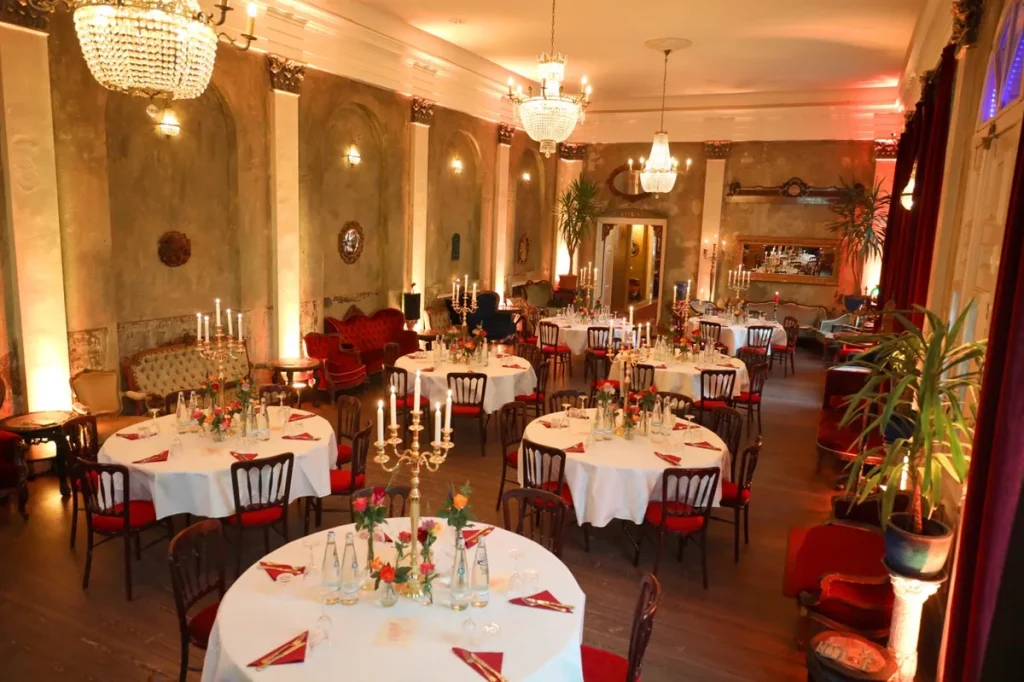
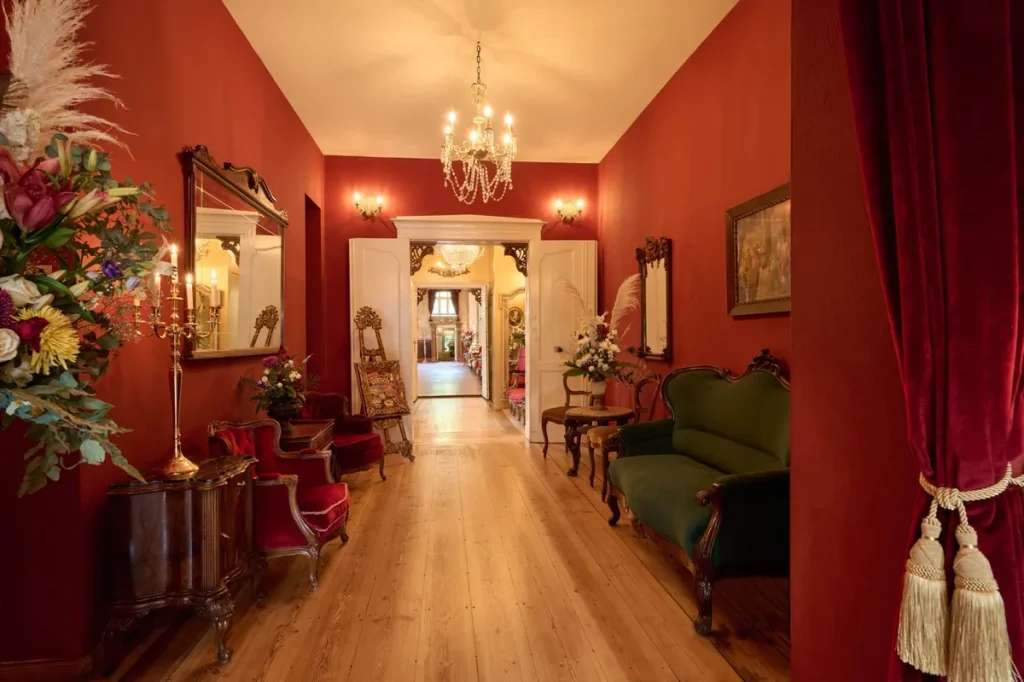
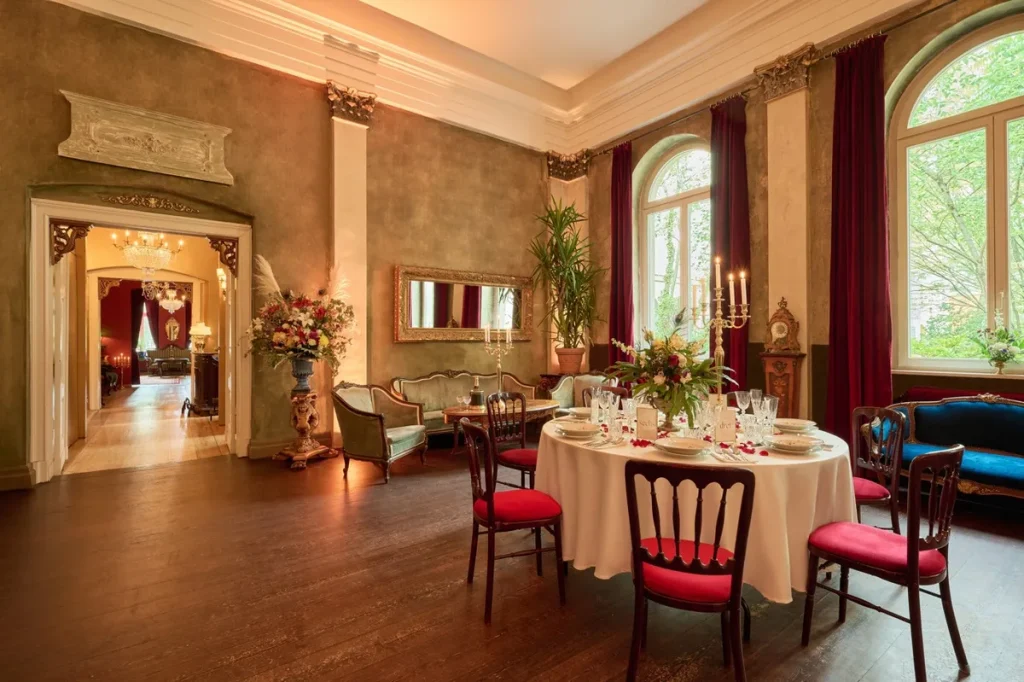
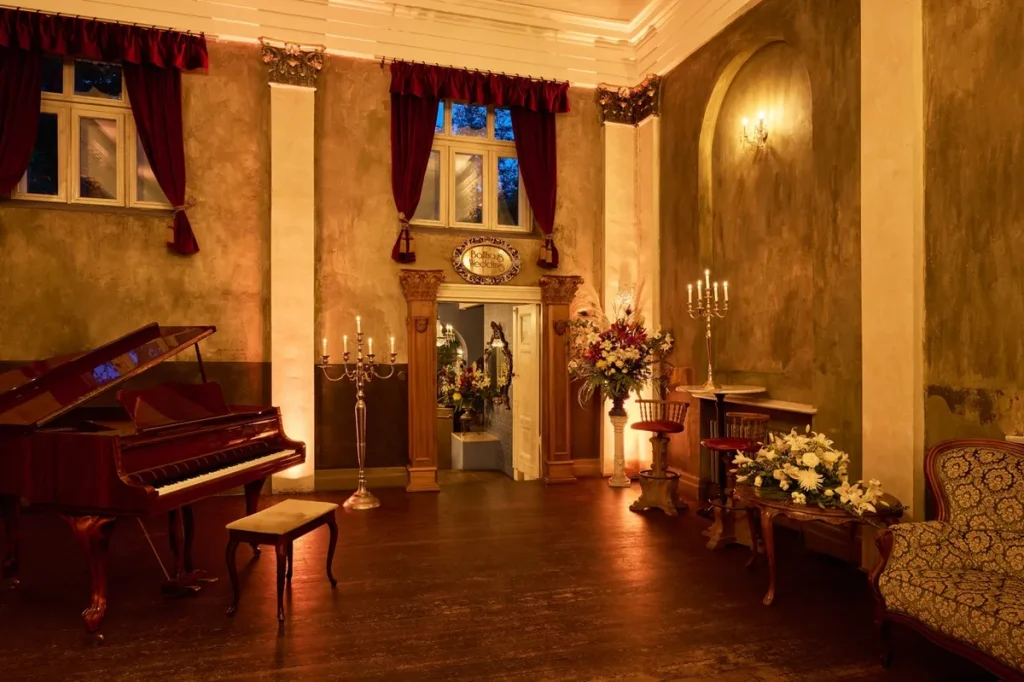
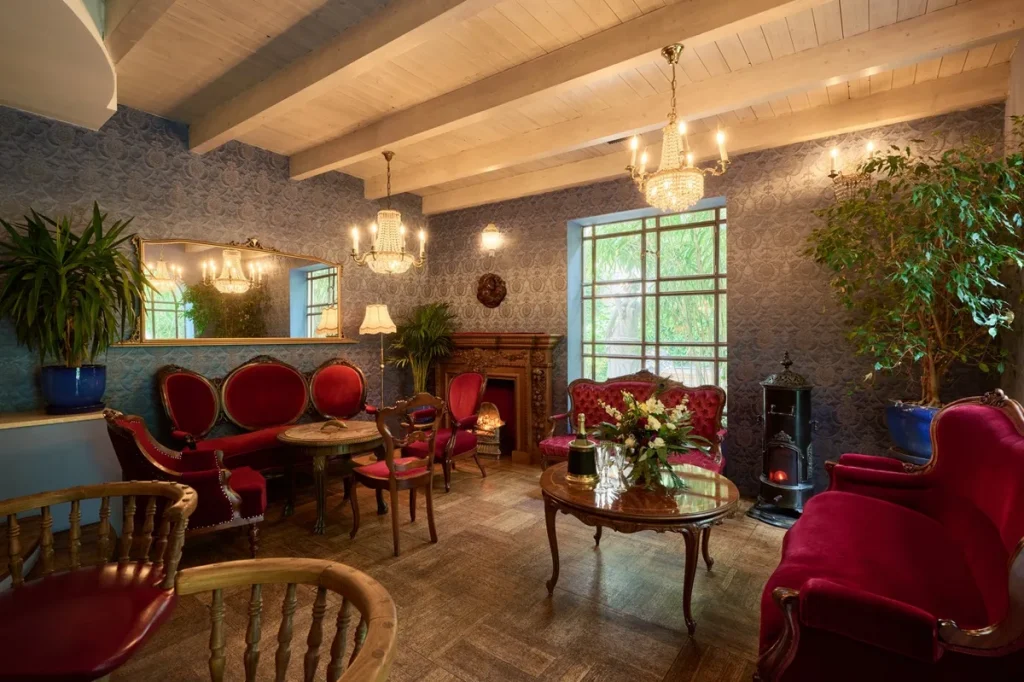
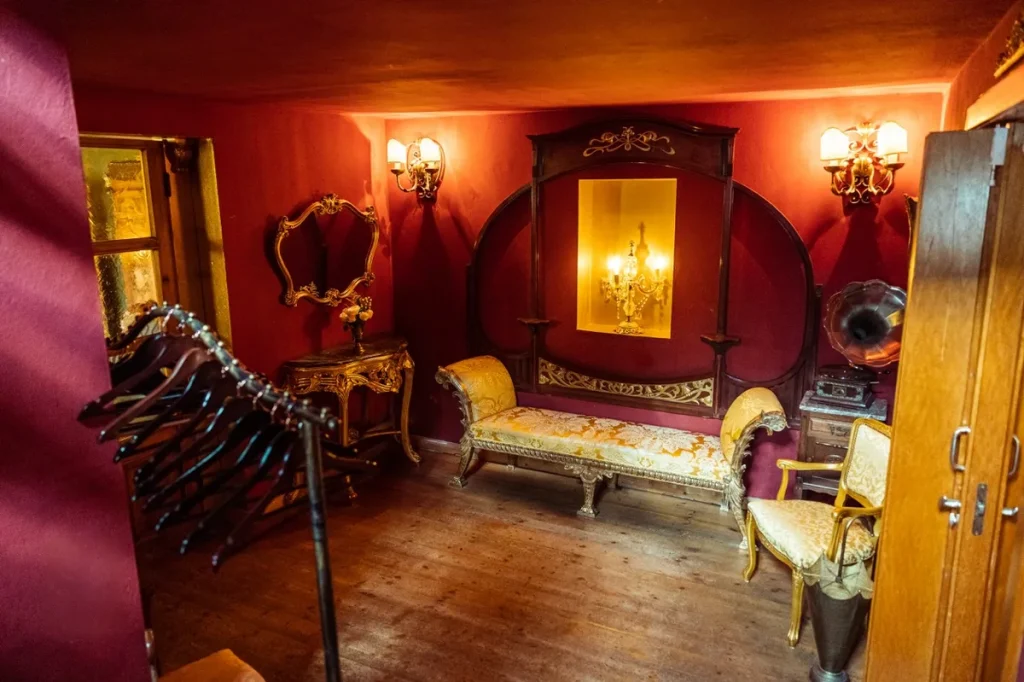
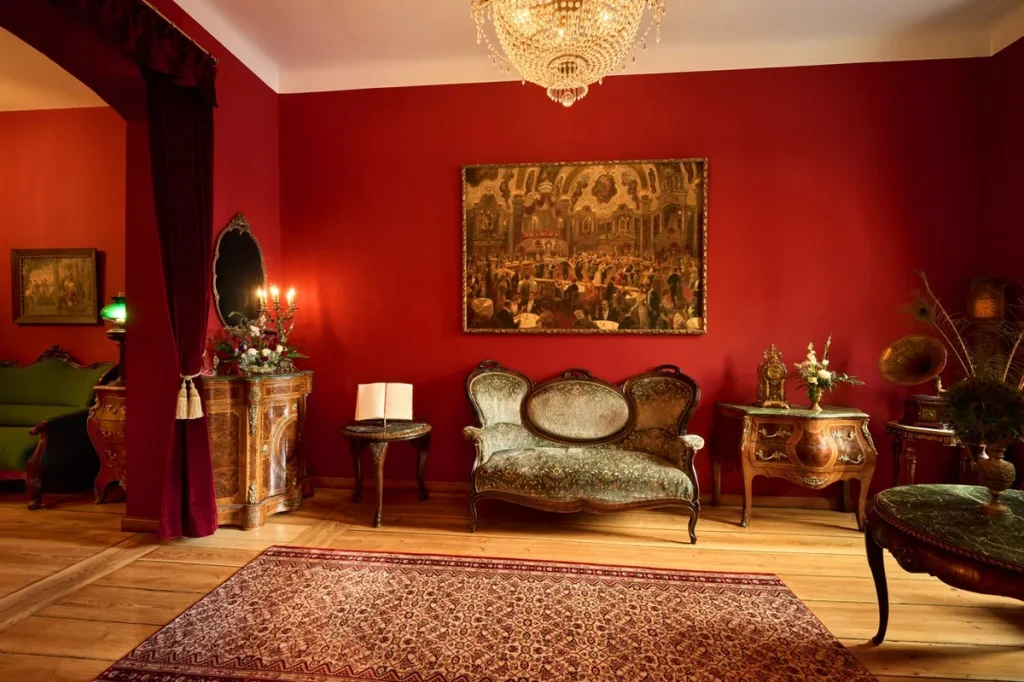
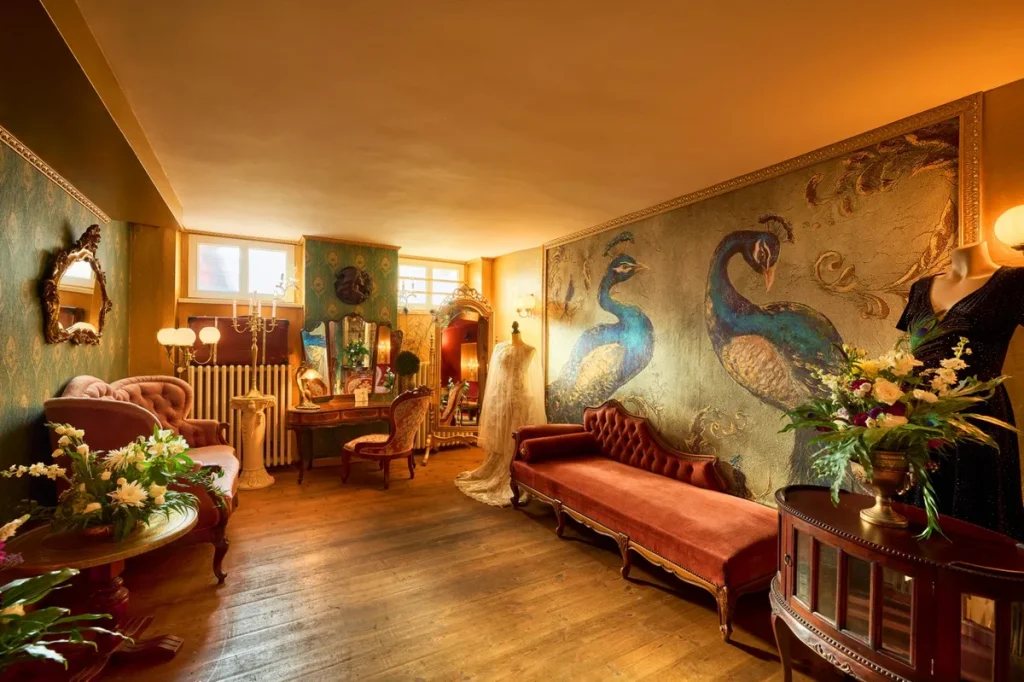
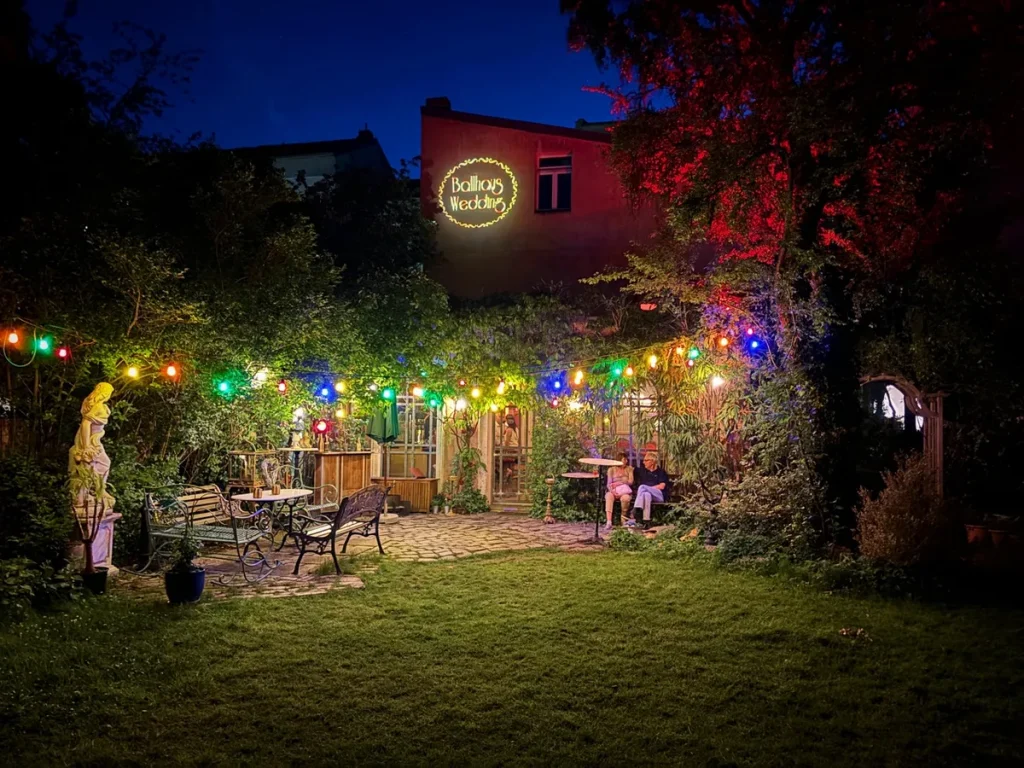
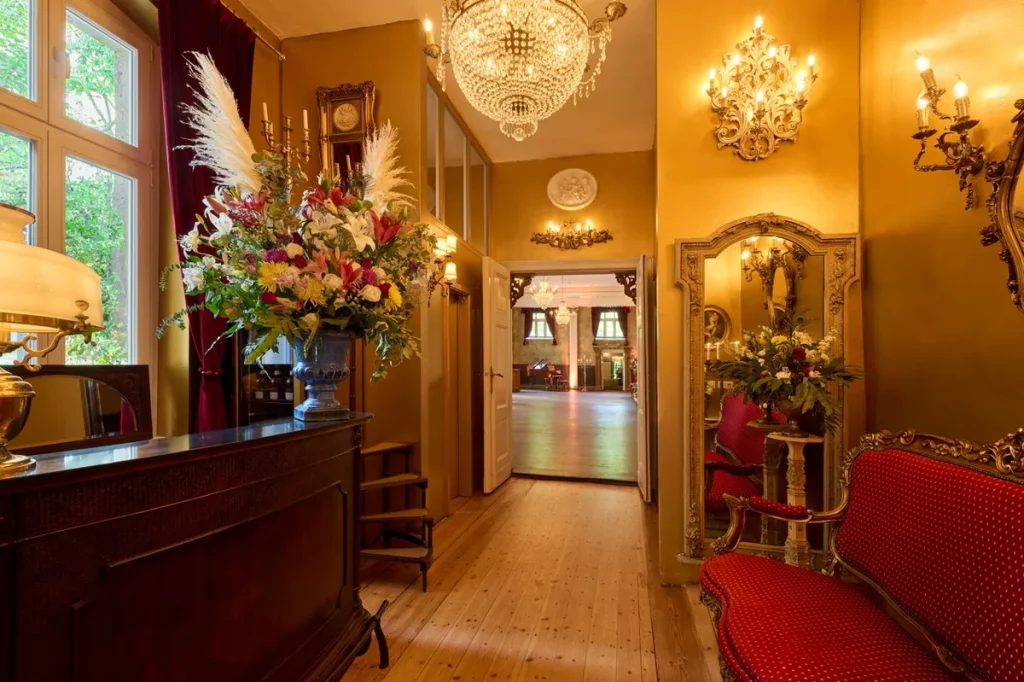
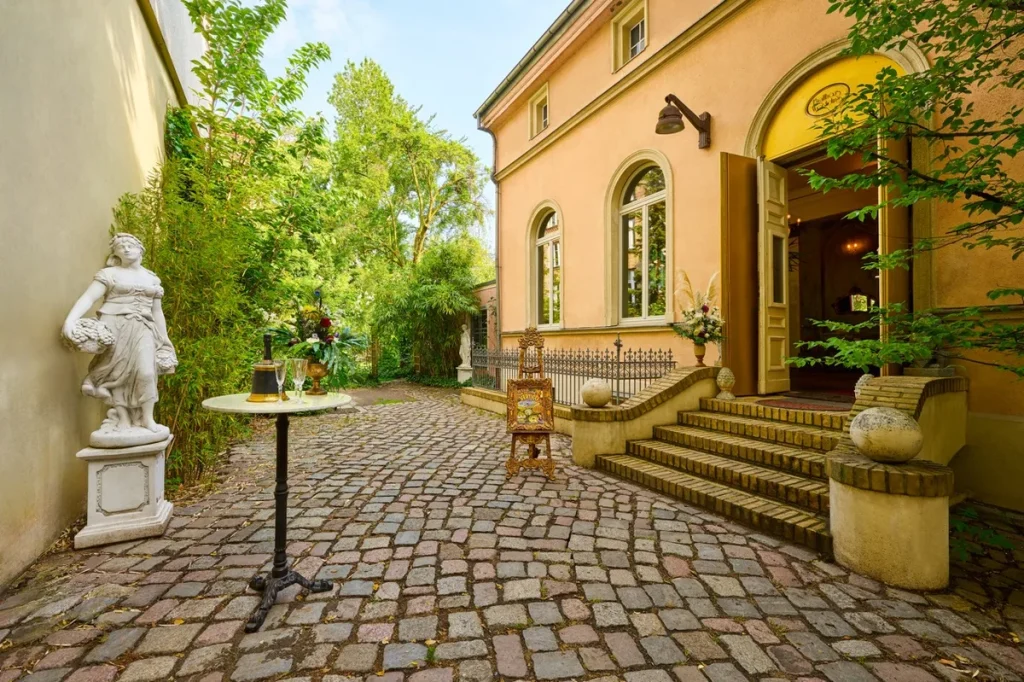
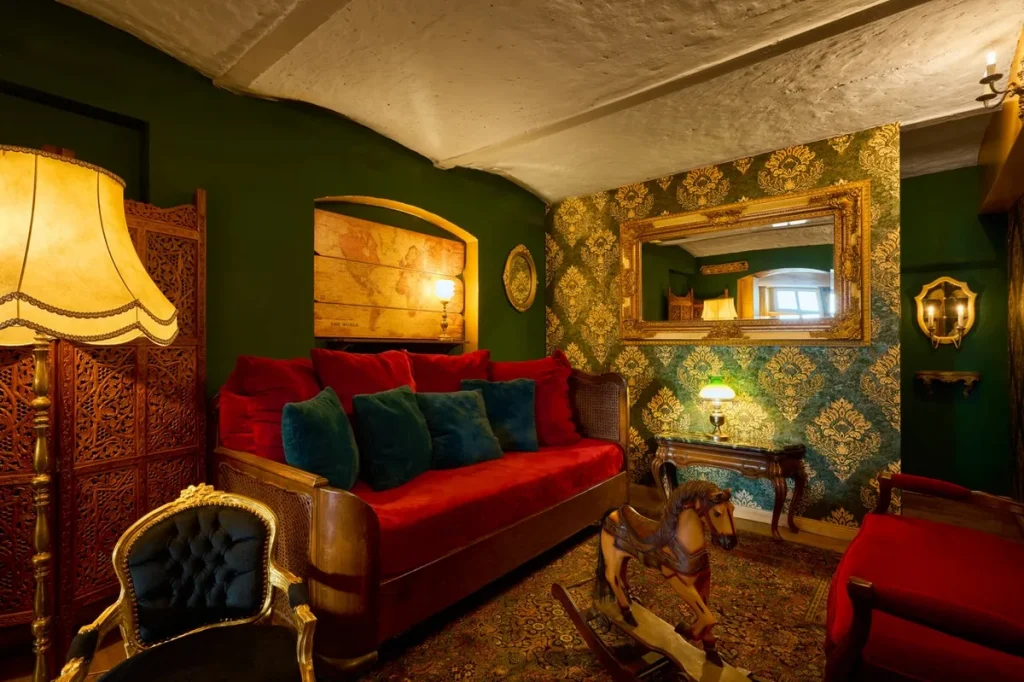
Hidden in a backyard on Wriezener Straße is an 1889 ballroom with chandeliers, a walnut dance floor, and Gründerzeit furniture. Since 2022, Ballhaus Wedding has once again been a cultural venue in the Soldiner Kiez, offering tango evenings, poetry slams, improv theater, and concerts.
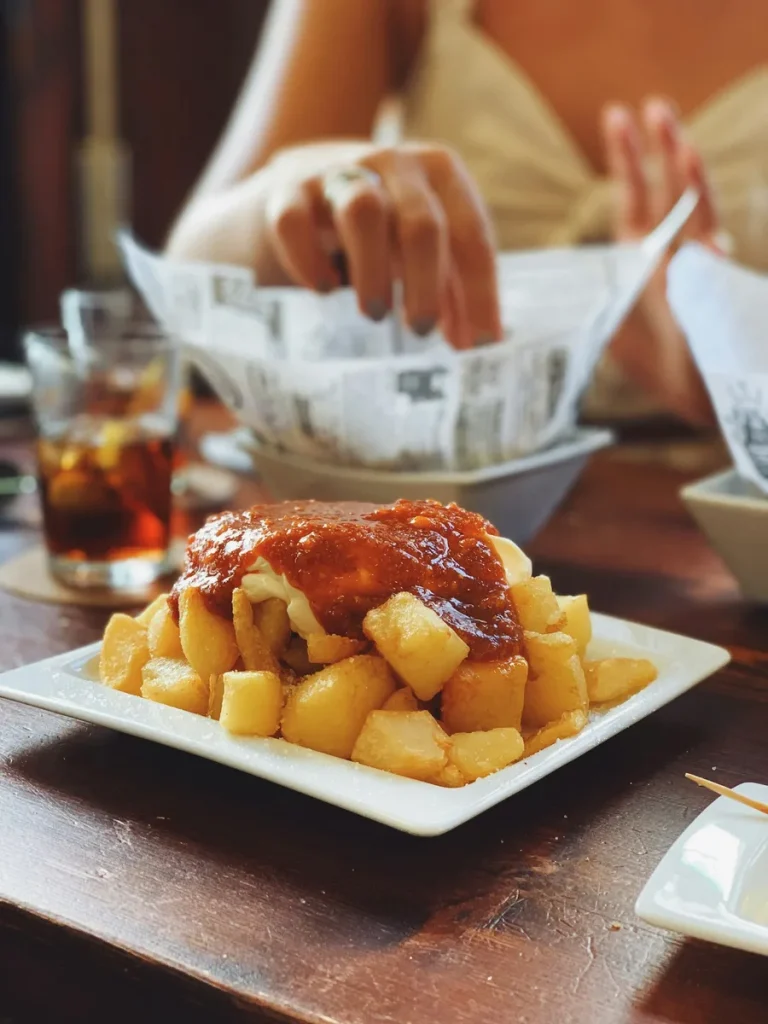
Picoteo Tapas Bar has opened its second chapter in Charlottenburg: small dishes for sharing, Spanish wines, and a space where traditional and modern elements coexist.
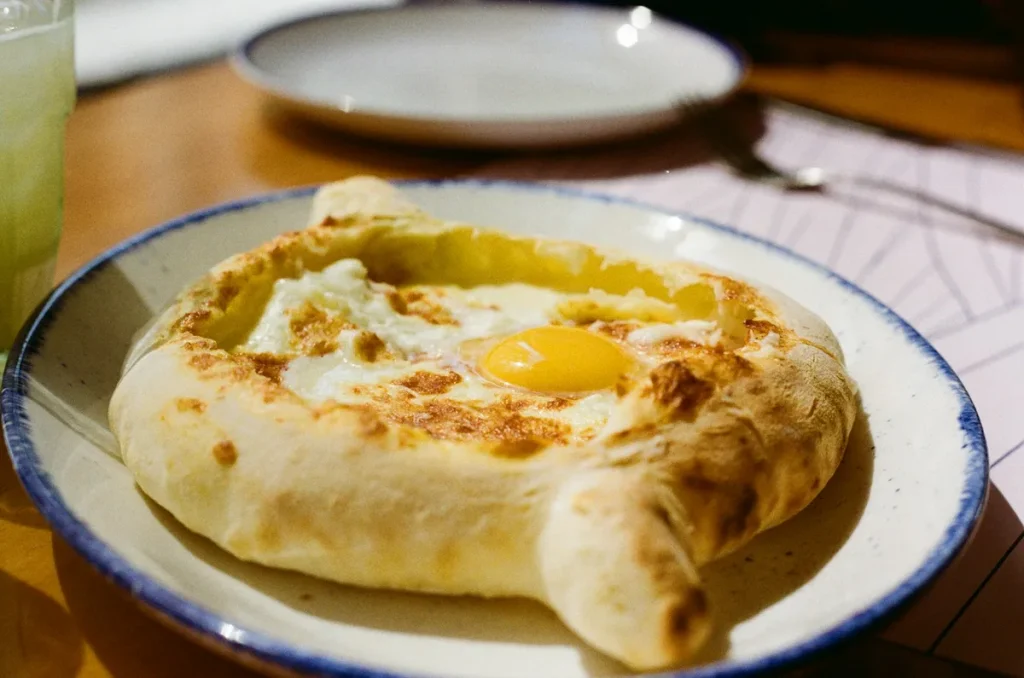
Georgian cuisine with character: Kin Za in Berlin-Mitte, housed in the former Ramones Museum on Krausnickstraße, is so much more than a restaurant. Handmade Khinkali, freshly baked Khachapuri, and a completely self-built interior make this place one of the most idiosyncratic addresses in the city.
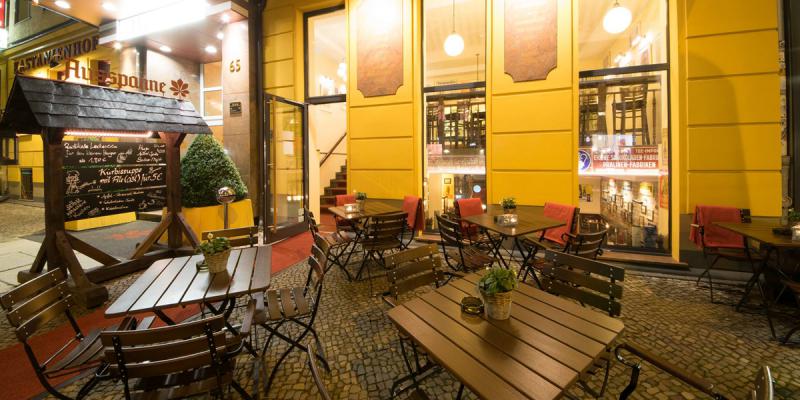
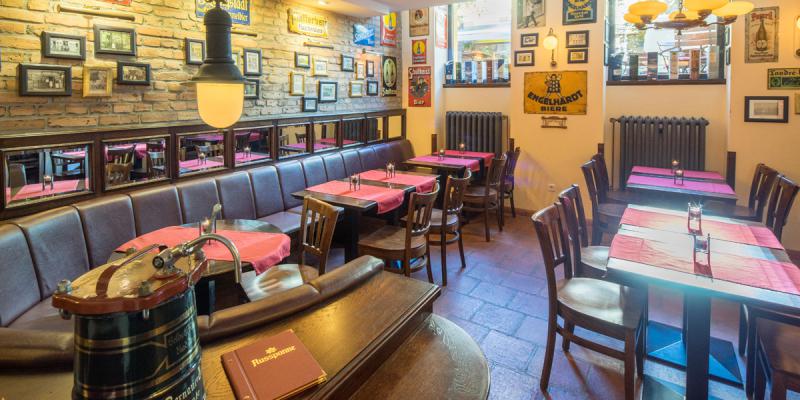
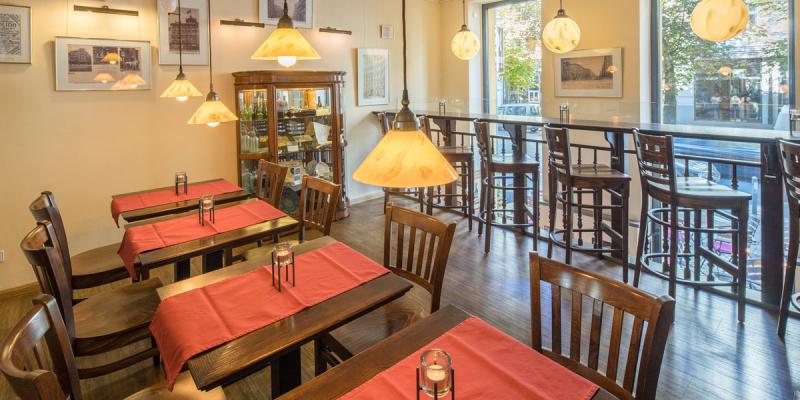
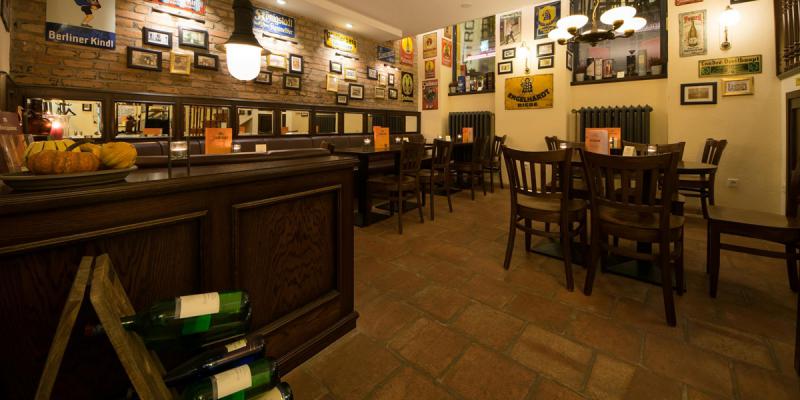
The Old Berlin pub Ausspanne offers exclusive and modernly interpreted Berlin cuisine in the heart of Berlin.
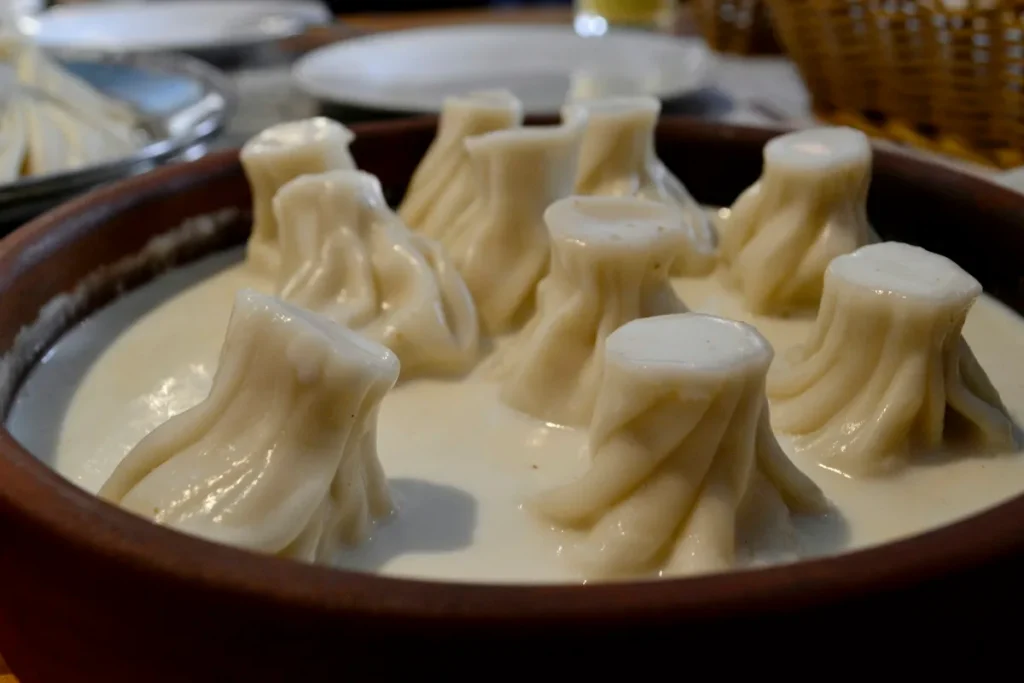
In the Scandinavian Quarter in Prenzlauer Berg, two sisters have brought Georgian cuisine to Berlin that feels as warm and genuine as a supra at home. Daia stands for generation-tested recipes, rare Qvevri natural wines, and the spirit of true Georgian hospitality.
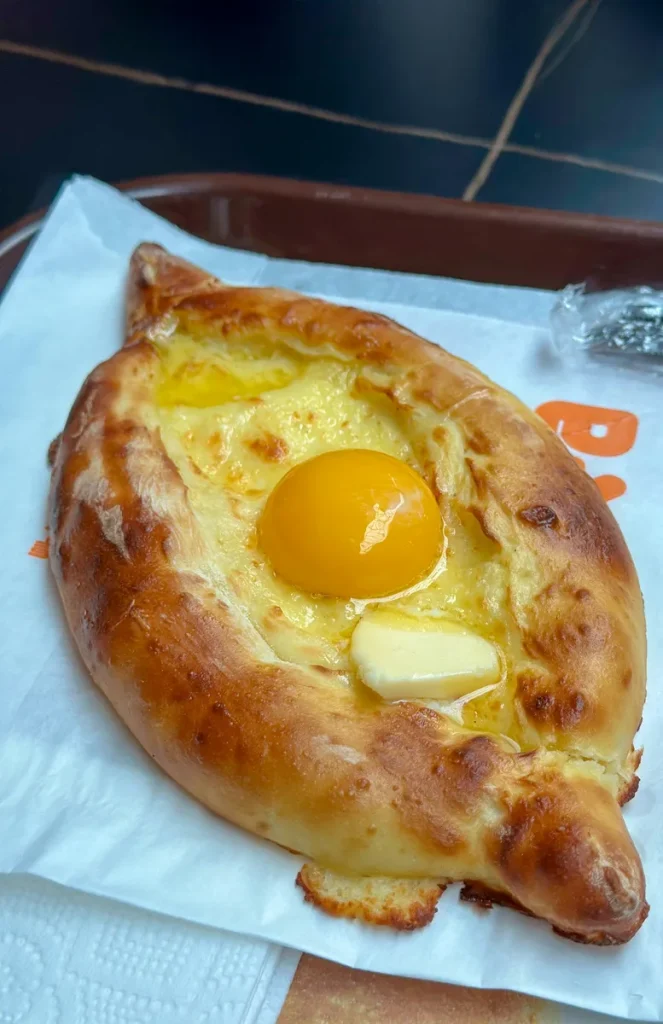
Tsomi in Kollwitzkiez in Prenzlauer Berg combines modern, colorful design with traditional Georgian cuisine. The name means "dough" in Georgian – because bread has an ancient tradition in Georgia and is part of every dish. If you're looking for Khinkali, Khachapuri, and natural wines from the Caucasus, this is the right place.
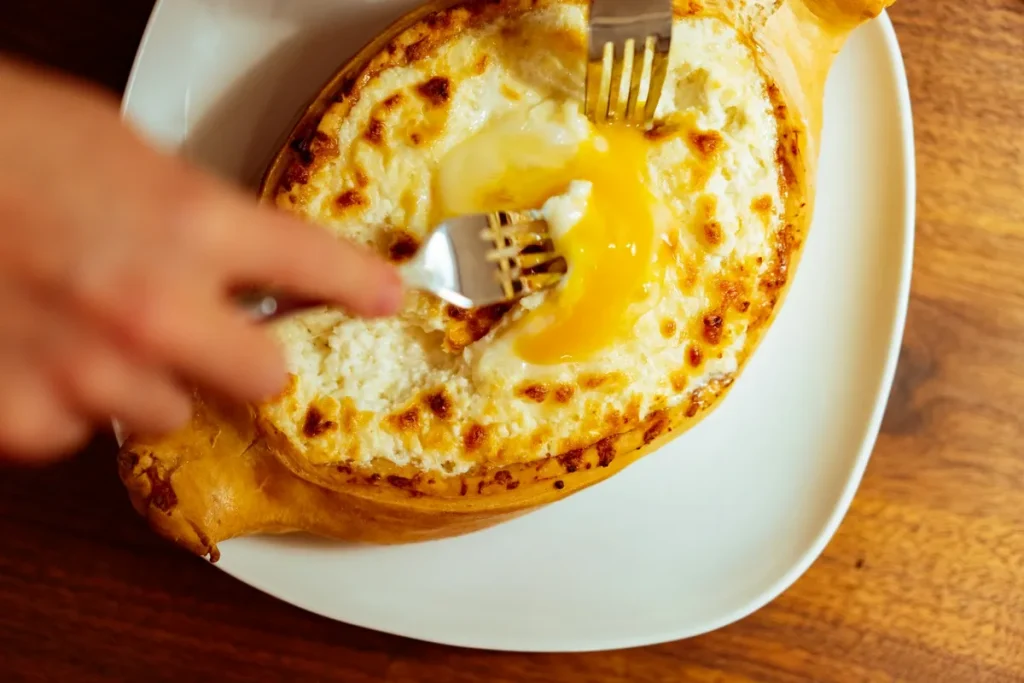
Homemade Georgian cuisine in the heart of Kreuzberg, just a few steps from Kottbusser Tor: Gio's stands for hearty, no-frills soul food, with Khinkali and Khachapuri that taste, and are meant to taste, like grandma's recipe.
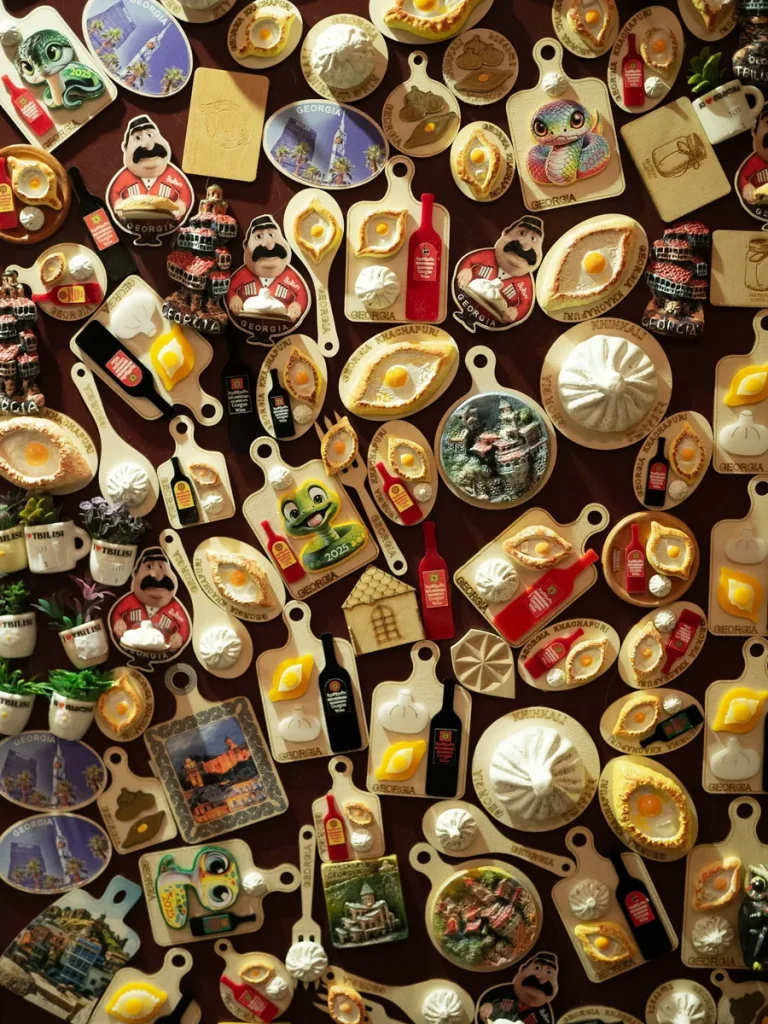
On Hohenzollerndamm in Wilmersdorf, Genazvale offers Georgian cuisine that could hardly be more traditional: rustic wooden ambiance, steaming Khinkali, and shashliks made according to old recipes. Anyone looking for Caucasus cuisine in Berlin will end up here sooner or later.
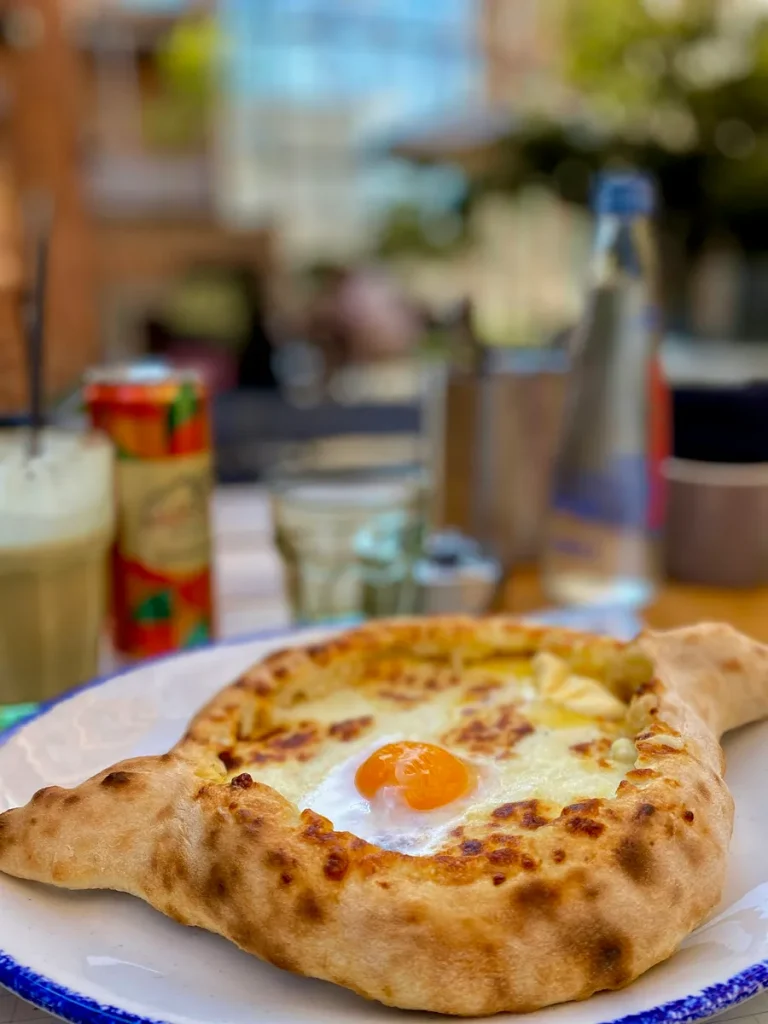
Those looking for Georgian cuisine in Friedrichshain that doesn't need to hide will find it on Mainzer Straße. The Golden Fleece Friedrichshain stands for handmade Khinkali, crispy Khachapuri from the stone oven, and Georgian wines that are rarely found in Berlin.
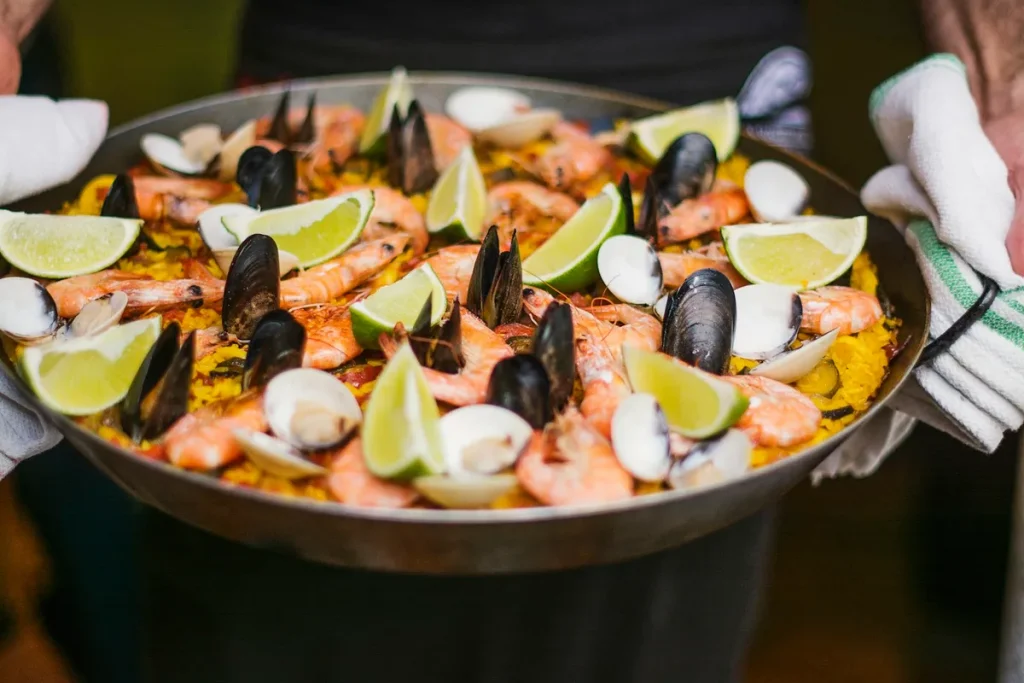
On Schlesische Straße in the Wrangelkiez, Faro serves uncompromising Spanish classics: a small dining area, lively evenings, and tapas just as they would be served in Madrid.
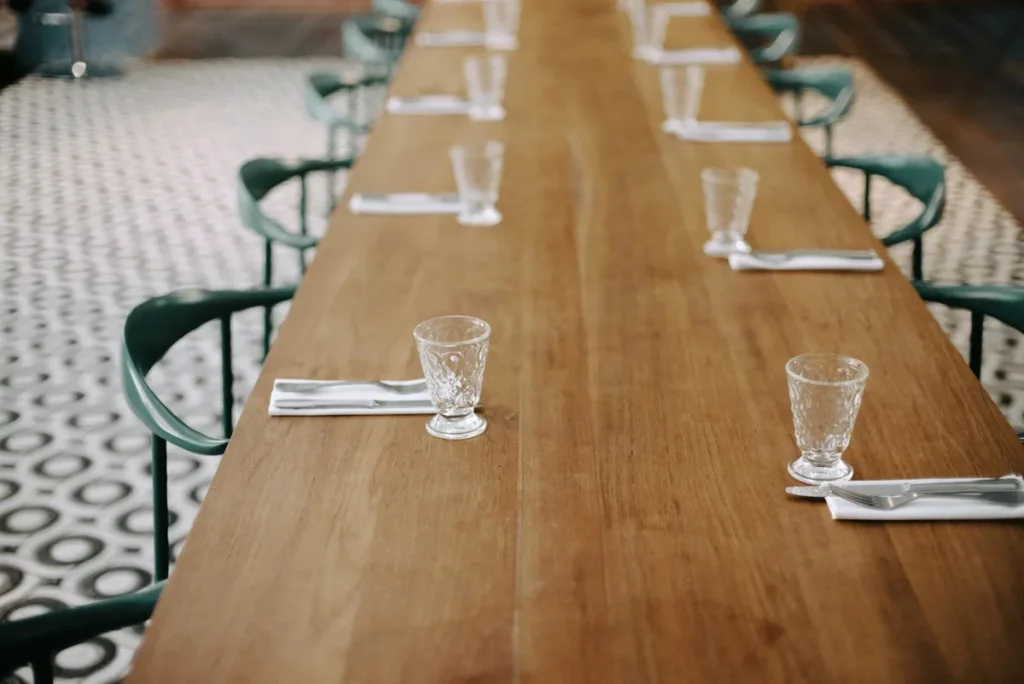
In Charlottenburg, near Amtsgerichtplatz, Sara & Gogi combines two of the most aromatically rich cuisines of the Middle East and the Caucasus: Georgia and Israel. The result is a menu full of walnuts, spices, and warmth that satisfies Berlin's longing for authentic dining culture.
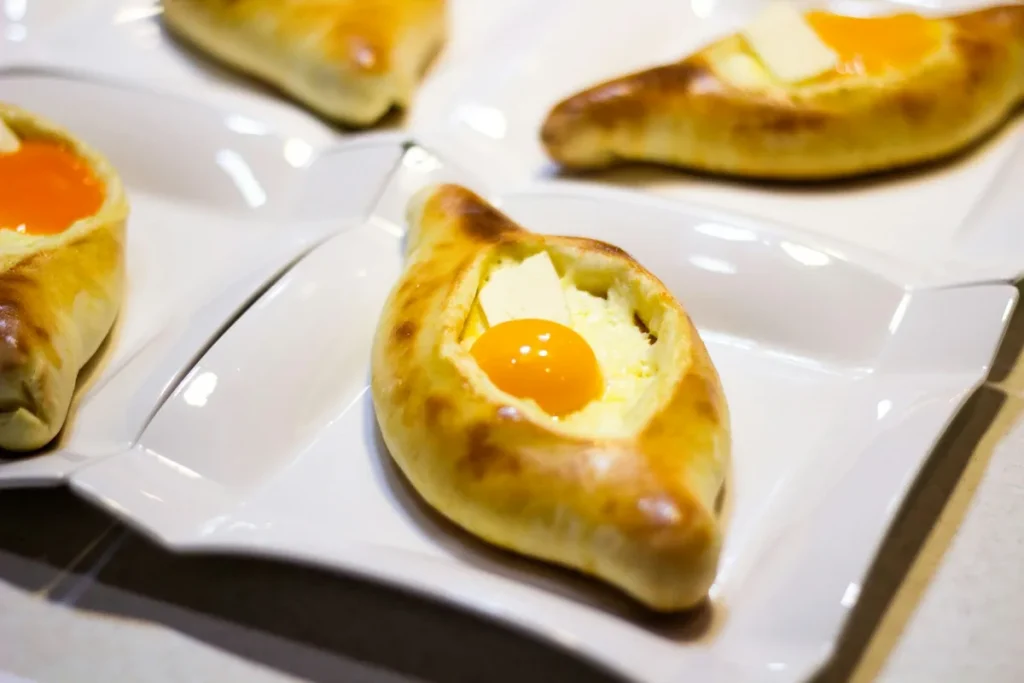
In Schöneberg, on Gustav-Müller-Straße, a restaurant already carries its claim in its name: Stumari means "guest" in Georgian – and that's exactly how you feel here. Authentic Georgian cuisine, warm hospitality, and a wine list full of Qvevri rarities make Stumari one of the most compelling addresses for Georgian food in Berlin.
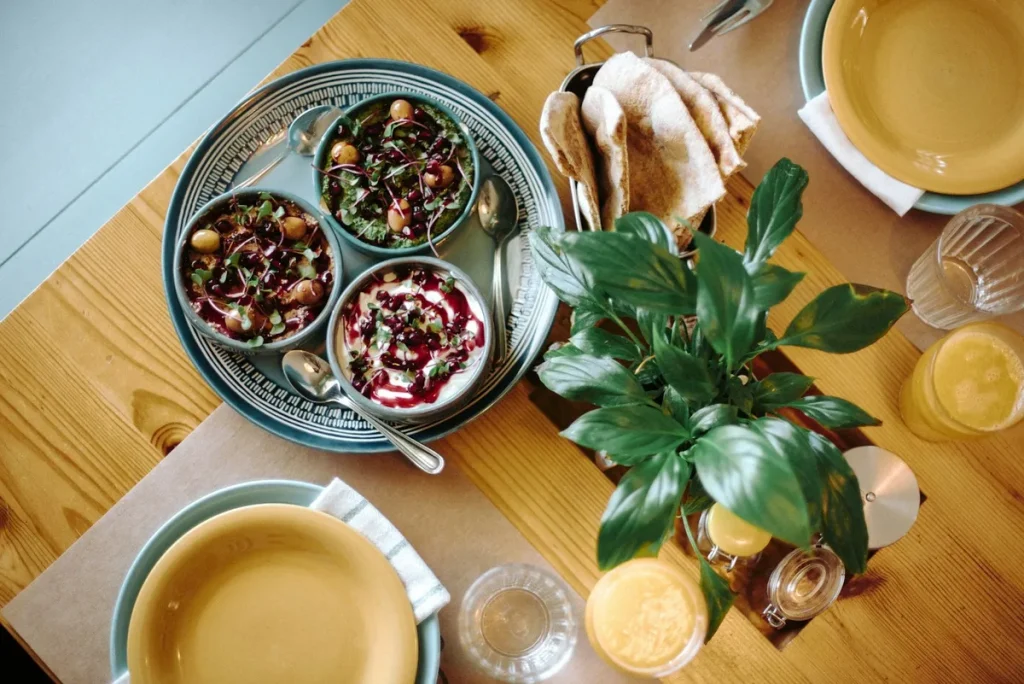
At Hackescher Markt in Mitte, directly under the S-Bahn arches, Supra serves Georgian cuisine as a complete experience: Khachapuri, Khinkali, and natural wines from the Caucasus meet folk music and dance. Those who dine here aren't just having dinner; they're in the midst of a Georgian feast.
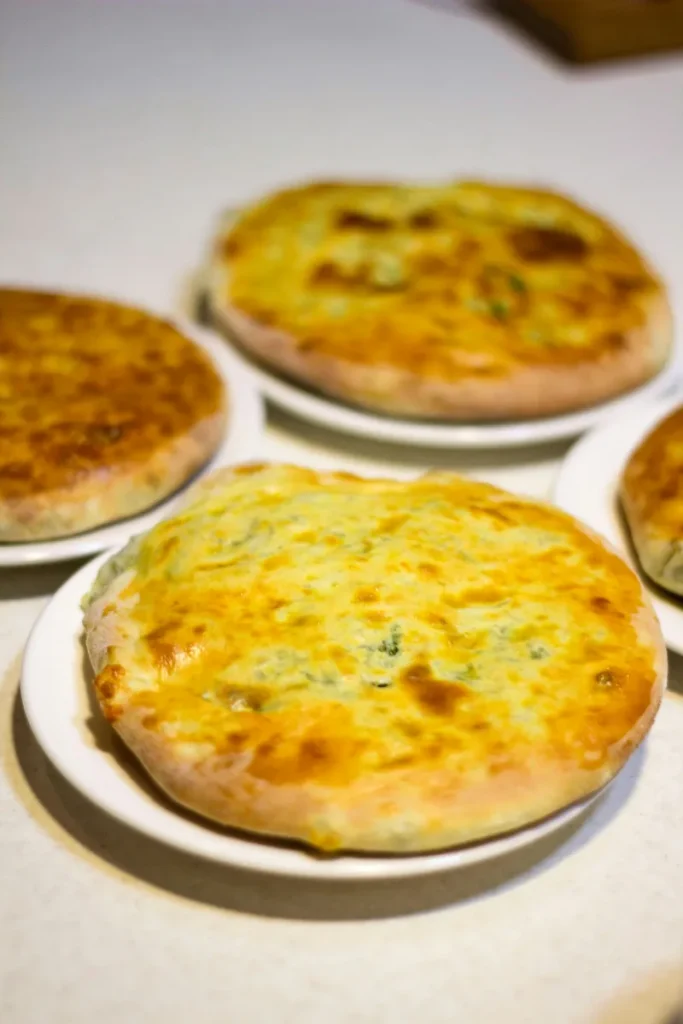
In Charlottenburg, directly on Uhlandstraße, Saperavi serves uncompromising Georgian cuisine: juicy Khinkali, steaming Khachapuri, and a wine selection that lives up to the restaurant's name. For those who can't fly to Tbilisi, this is a compelling alternative.
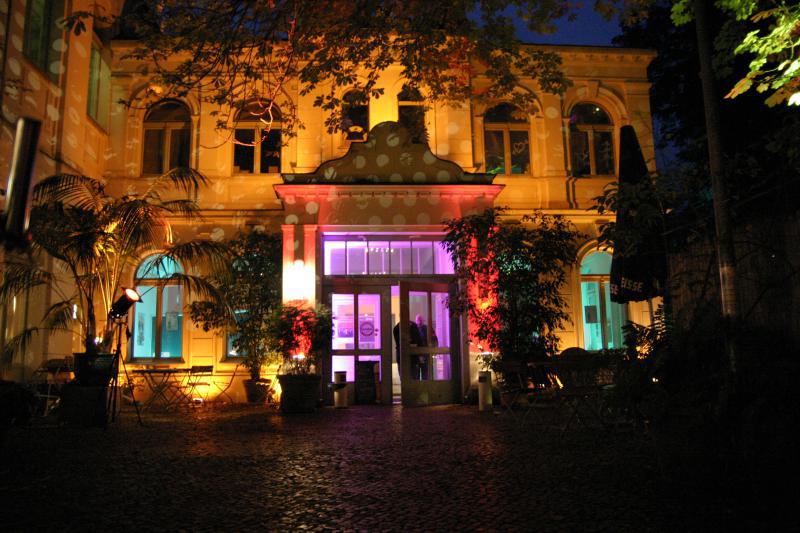
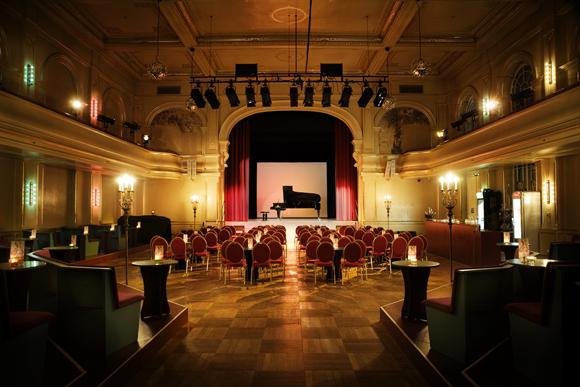
Heimathafen Neukölln performs in the historic ballroom of the Saalbau on Karl-Marx-Straße, beneath golden stucco and in front of a red velvet curtain. The program features original plays about Neukölln, concerts, poetry slams, and discussion evenings.
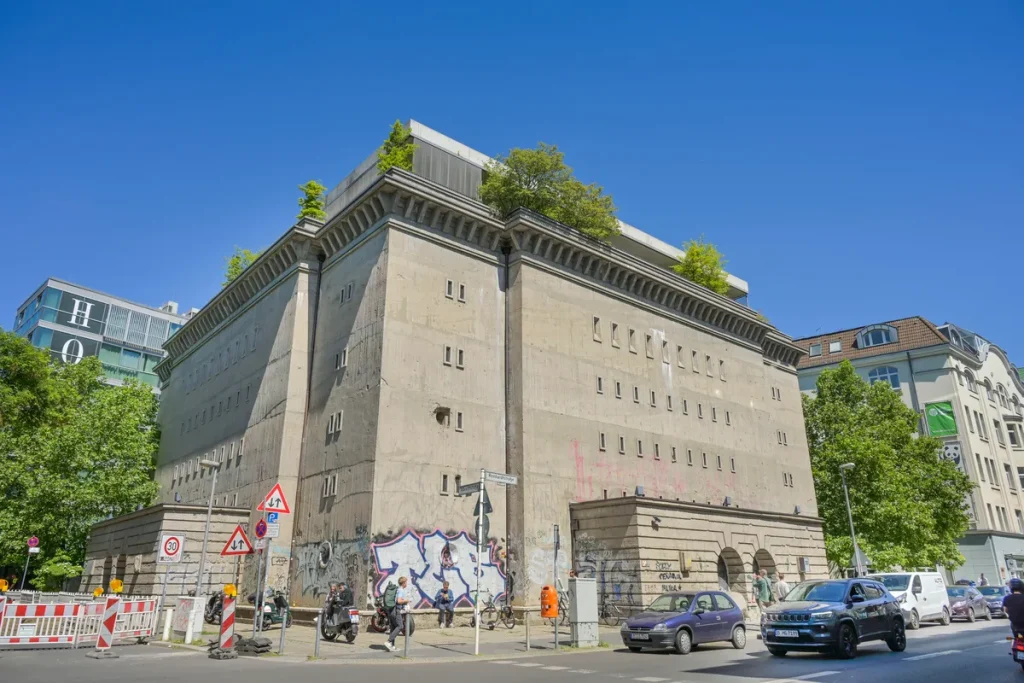
On Reinhardtstraße stands a massive high-rise bunker from 1942, with trees growing on its roof. Inside, Karen and Christian Boros have been displaying their collection of international contemporary art since 2008, viewable only by guided tour.
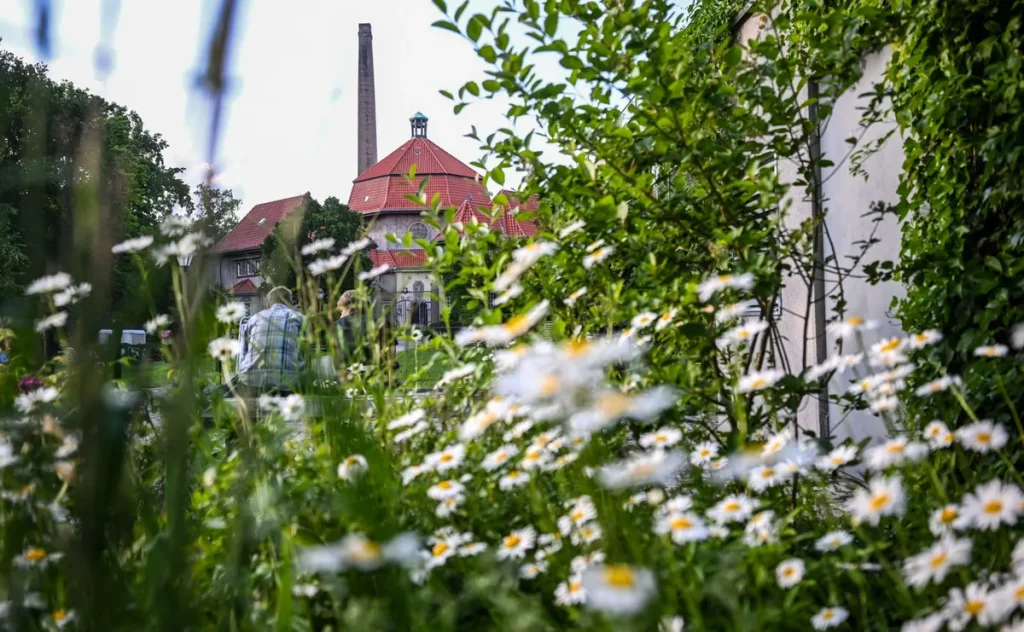
Behind the sandstone facade on Gerichtstraße in Wedding lies Berlin's first crematorium. Since 2013, it has become the silent green Kulturquartier, offering concerts, film programs, and exhibitions in the cupola hall and the underground concrete hall.
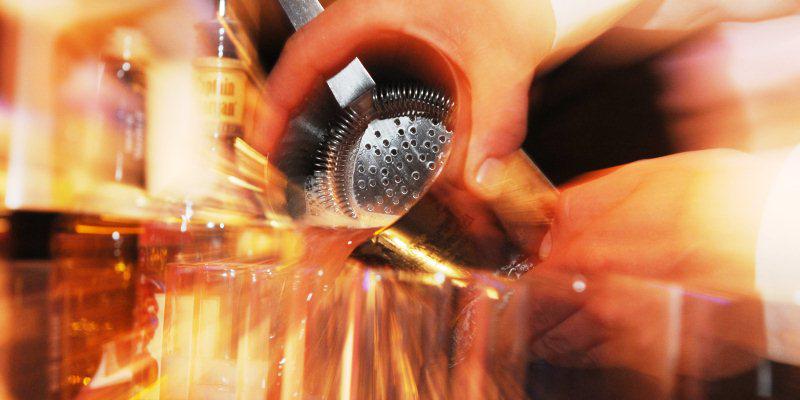
Berlin's oldest cocktail bar has been located since 1976 in an inconspicuous ground-floor apartment in Wilmersdorf, Fasanenstraße 40 - whoever finds the black door with the golden frame and rings the bell enters the self-proclaimed "Institute for Advanced Drinking". There's room for barely more than a handful of guests, and cocktails are served without a menu.
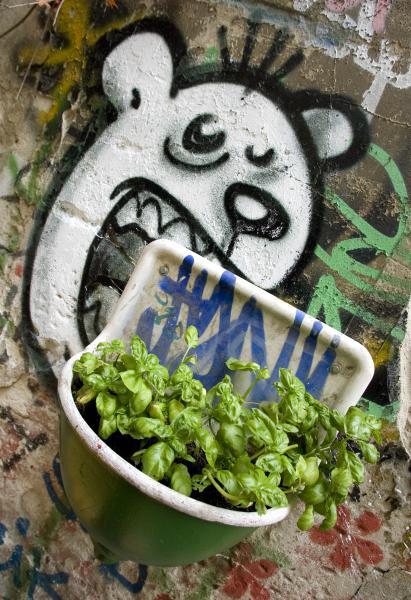
On Rosenthaler Straße, right next to the Hackesche Höfe, a passage leads into an unrestored courtyard full of street art. Haus Schwarzenberg has been an artist house since 1995, featuring a gallery, art-house cinema, bar, Monsterkabinett, and two museums dedicated to the history of the site.
Restaurant Ausspanne is crafting a delicious Easter menu for Easter 2019, featuring Easter eggs, Easter lamb, and homemade eggnog!
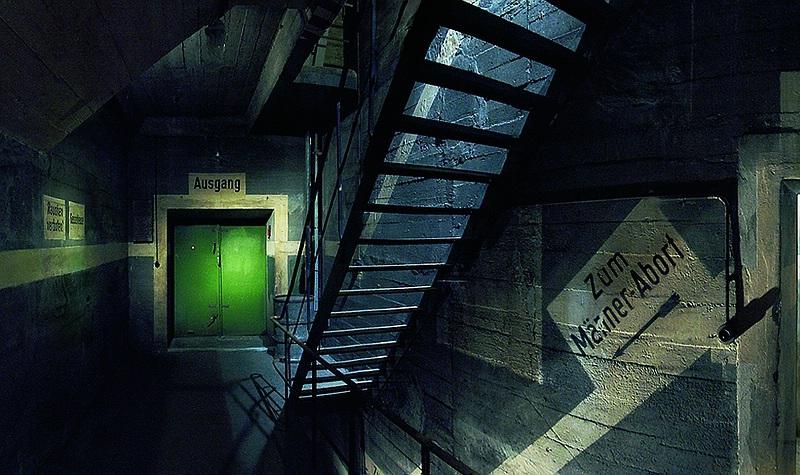
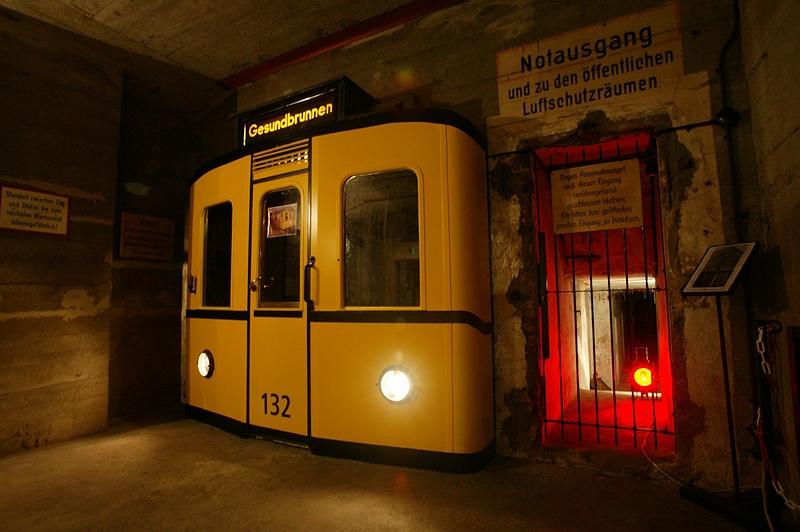
Behind a green door in Gesundbrunnen U-Bahn station, a world of air-raid shelters, tunnels, and old cellars begins. The Berliner Unterwelten association has been leading tours through these facilities since the late 1990s, recounting Berlin's history from World War II to the Cold War.
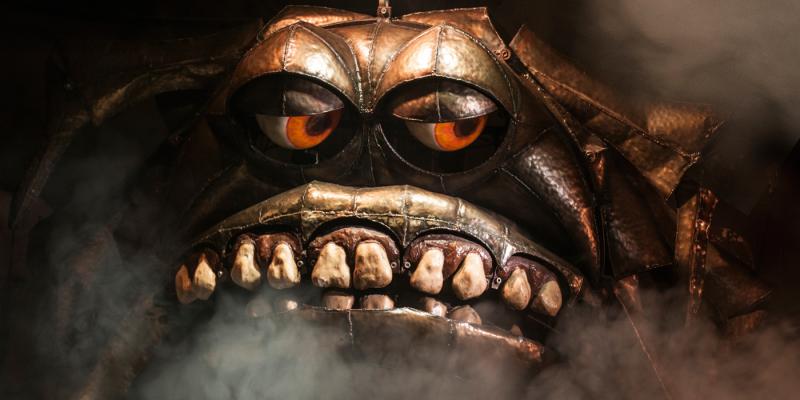
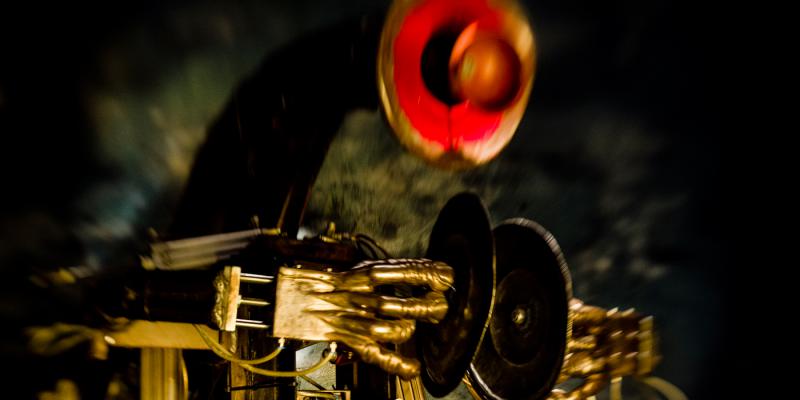
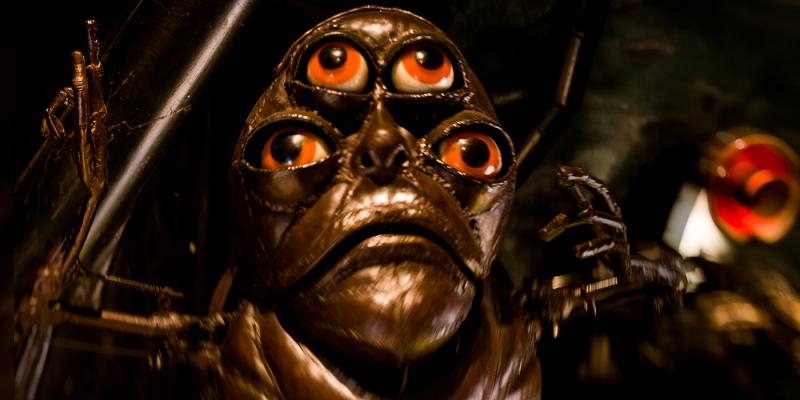
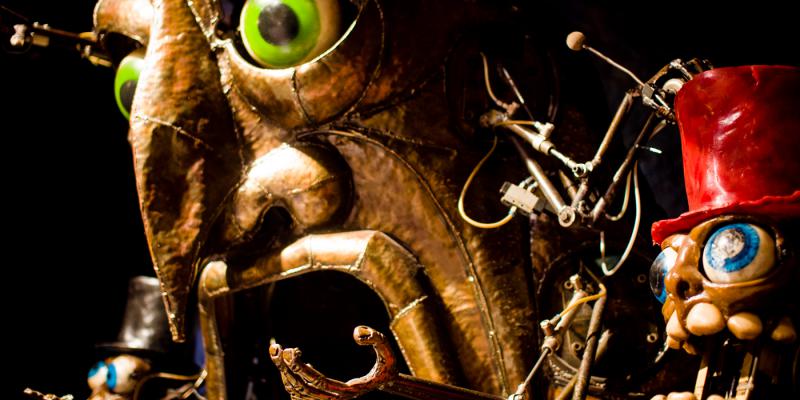
In the cellar of Haus Schwarzenberg on Rosenthaler Straße, mechanical monsters come to life. The Monster Cabinet by the artist group Dead Chickens is a machine theater where automaton figures made from scrap and found objects dance, sing, and recite poems.
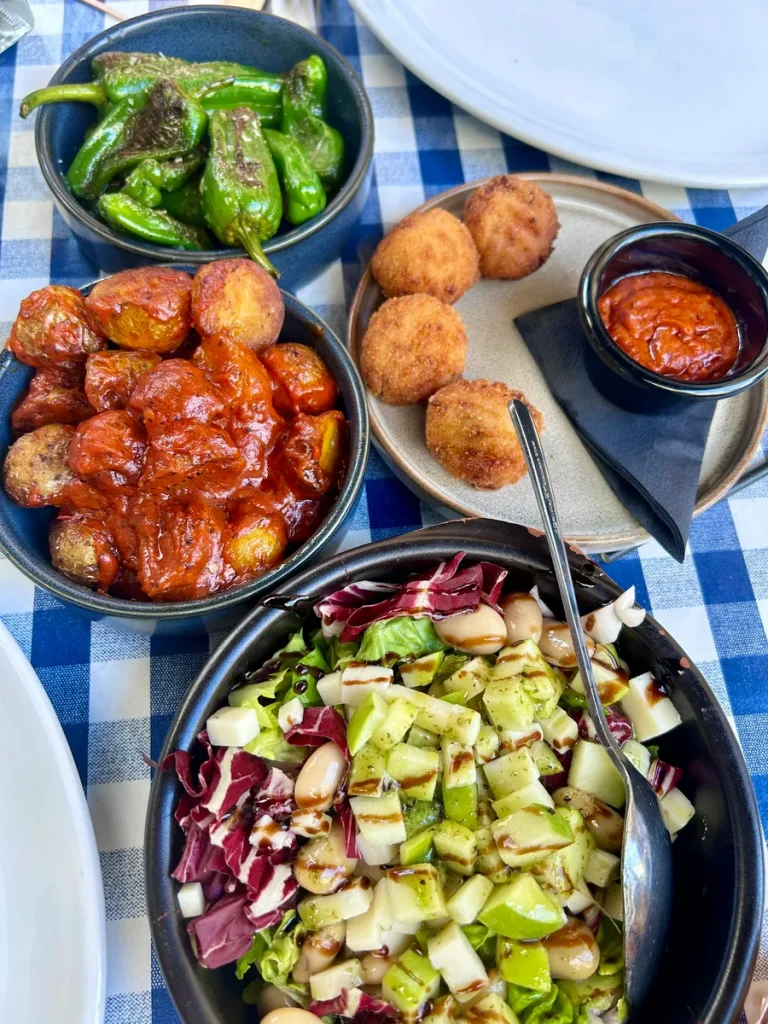
On Bänschstraße in Friedrichshain, away from the main entertainment streets, Vineria del Este serves Spanish tapas and wine in a tavern that doesn't care about trends.
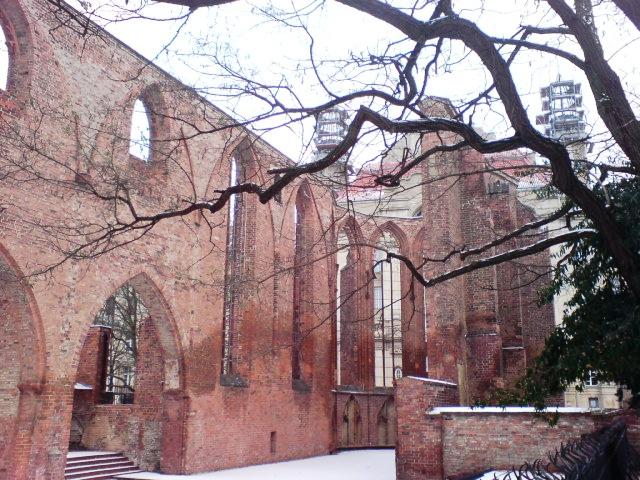
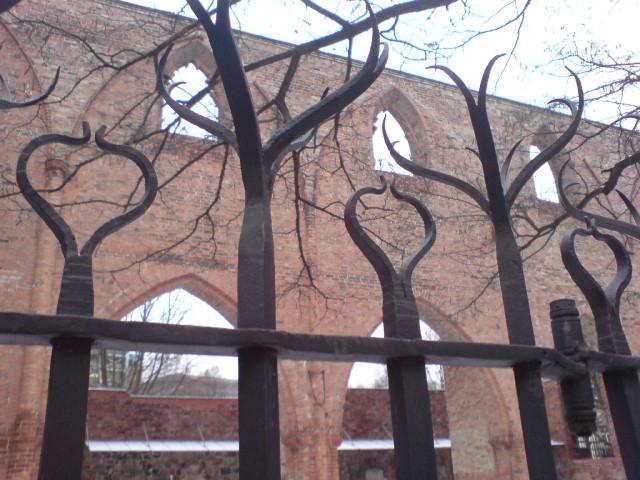
Just a few steps from Klosterstraße subway station stand the walls of a 13th-century monastery church. The ruin of the Franciscan Monastery Church is one of Berlin's oldest buildings and today serves as an open-air exhibition space for contemporary art, with free admission.