Our rating
4.9
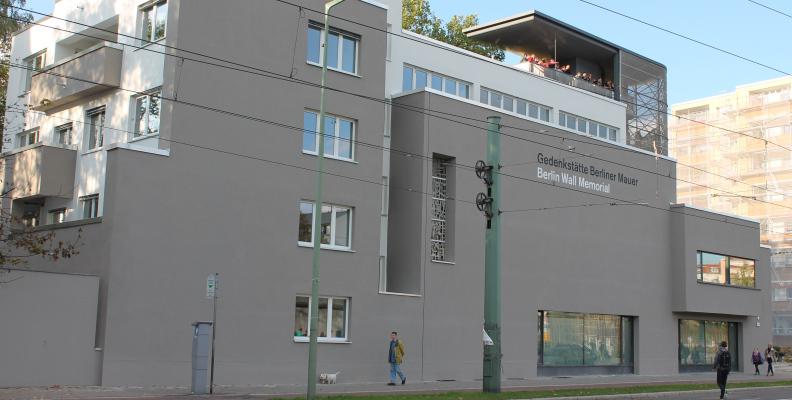
The central Berlin Wall Memorial on Bernauer Straße shows the permanent exhibition "1961 | 1989. The Berlin Wall".
See more

16 Locations
The wall victims are remembered across Berlin, the people who died trying to cross the divided city's border. From memorials to individual markers, sites honouring the wall victims tell their stories. This overview gathers Berlin locations dedicated to their memory.
The Berlin Wall Memorial on Bernauer Strasse includes a Window of Remembrance with portraits of those who died, while markers along the former border note where individuals lost their lives. The Guenter Litfin memorial recalls one of the first victims, and documentation centres record the fuller history. The sites invite quiet reflection.
Browse the venues below to find memorials to the wall victims across Berlin, from Bernauer Strasse to individual markers.
The central Berlin Wall Memorial on Bernauer Straße shows the permanent exhibition "1961 | 1989. The Berlin Wall".

The Hohenschönhausen Memorial is located in the former central Stasi prison of the GDR.
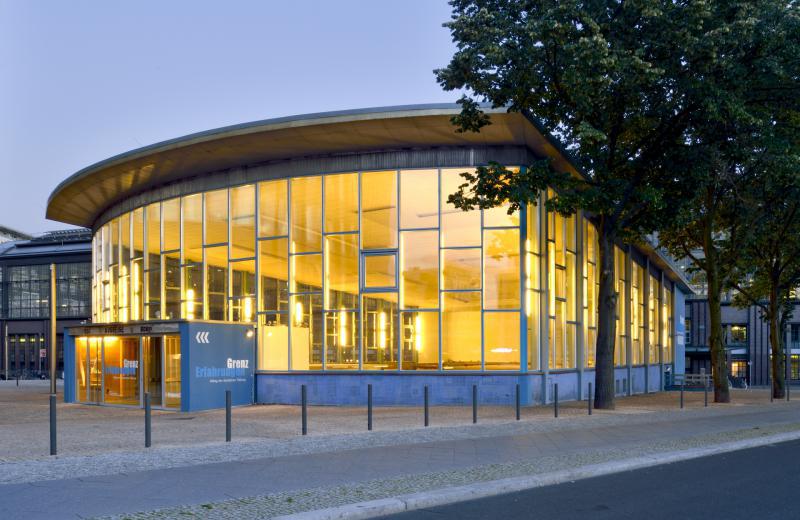
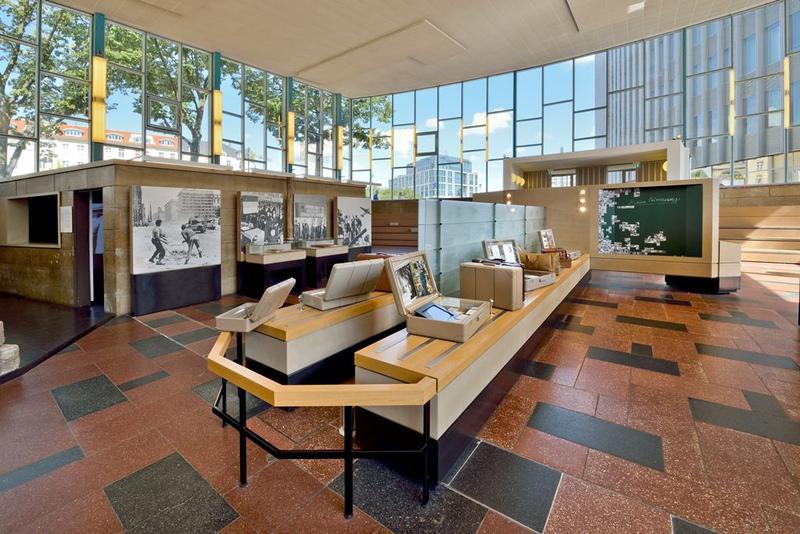
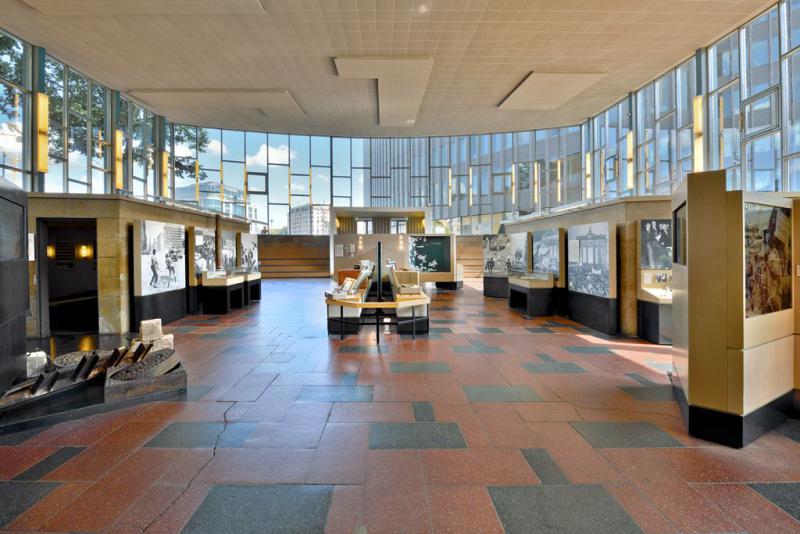
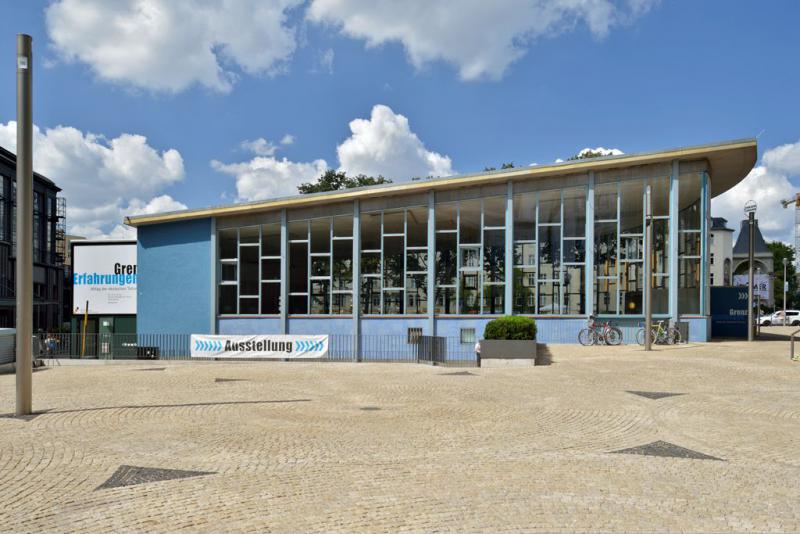
The Tränenpalast ("Palace of Tears") near Bahnhof Friedrichstraße is home to the permament exhibition "GranzErfahrungen", giving an insight into the day-to-day life of a country divided in two.


Roger Moore used Checkpoint Charlie as a backdrop for the James Bond film 'Octopussy'.
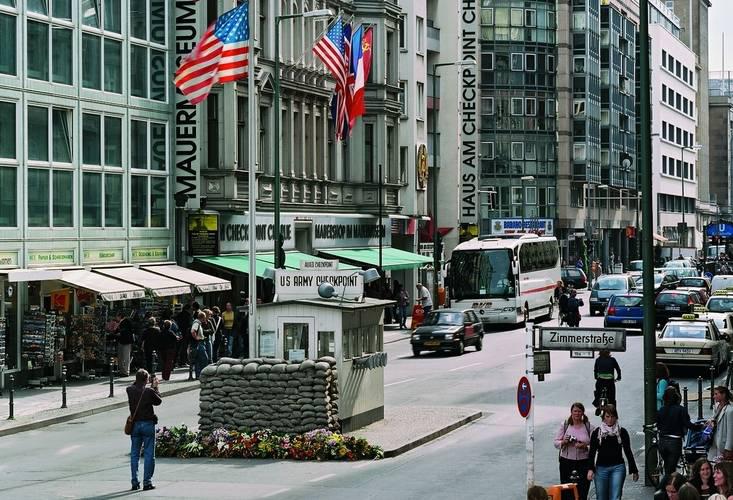

In front of the museum is the former Checkpoint Charlie. Inside, everything revolves around the creative escape attempts of people in the GDR and the border security system of that time.


Friedrichhain's East Side Gallery is with its 1.361 metres the longest open air gallery in the world and at the same time the longest piece of the Berlin Wall still standing!
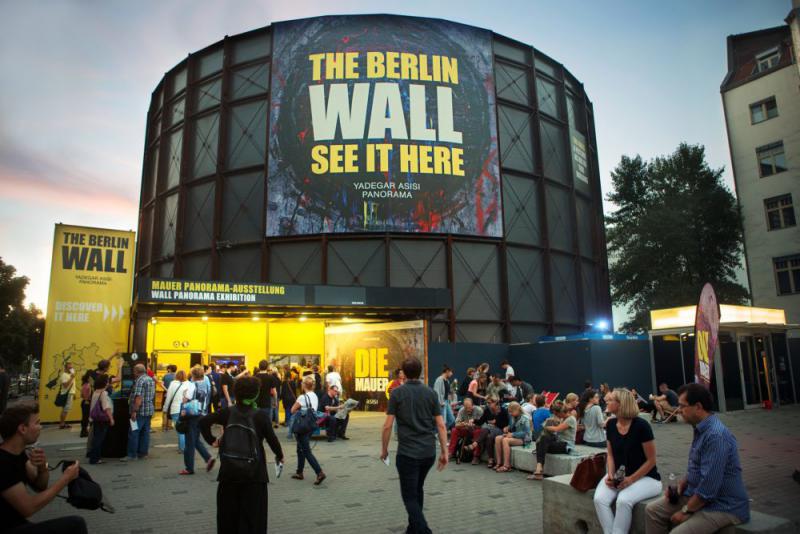
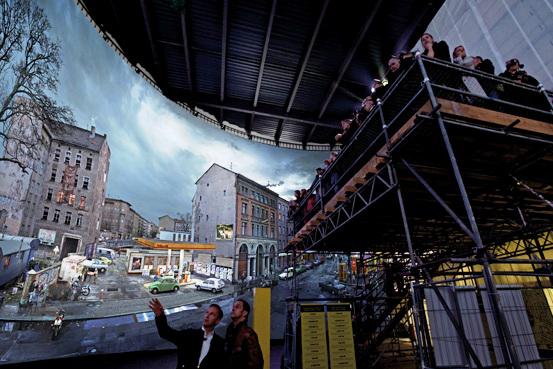
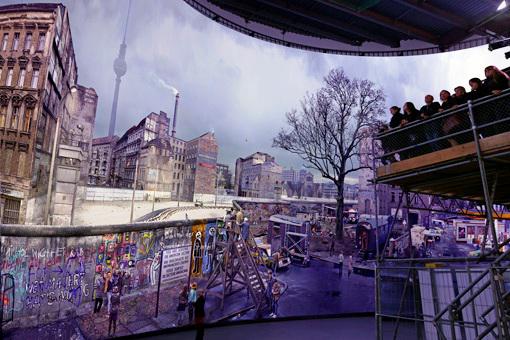
The large Panorama wall of the artist Yadegar Asisi visualizes the daily life next to the Berlin wall on a fictitious autumn day in the 1980s.


The Wall Museum East Side Gallery is located directly in the Mühlenspeicher (mill warehouse) on the Spree and offers a deep insight into the history of German division. With over 100 screens and exciting interviews, this exhibition tells the events from 1961 until the fall of the Berlin Wall in a modern way.


Together with tens of thousands of other GDR citizens, Chancellor Angela Merkel crossed into the West at this very spot on the day the Wall fell.
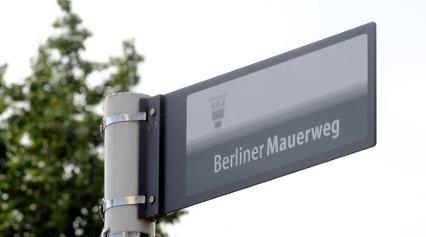
The Berlin Mauerweg gives the answer to the frequently asked question where the Berlin Wall stood.


Where the death strip ran until 1989, today lie almost 15 hectares of Mauerpark between Prenzlauer Berg and Wedding. Behind the Jahn Sport Park, there are still around 300 meters of the inner wall, officially approved for graffiti, plus the Sunday flea market and the Bearpit Karaoke in the amphitheater. Among Berlin's parks, this is the loudest and most vibrant.
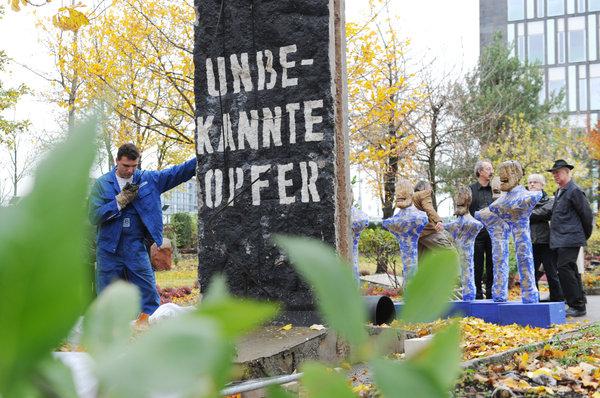
The monument "Parliament of Trees" was created by artist Ben Wargin in 1990 and commemorates the people who died on the Berlin Wall.
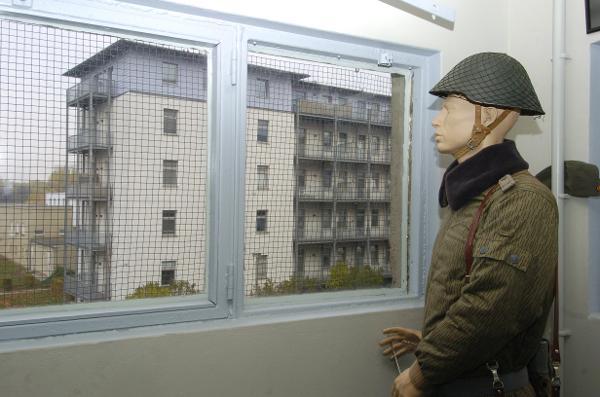
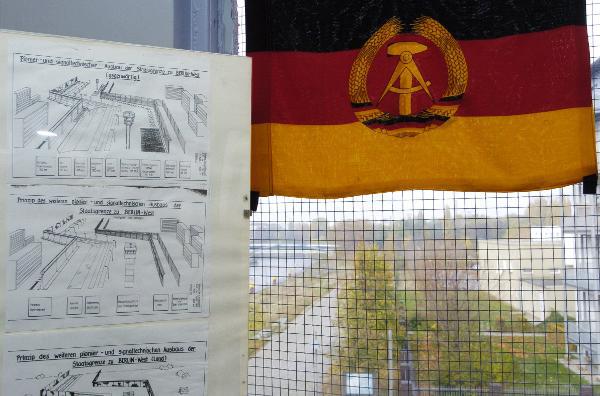
This memorial site commemorates the victims of gunfire and barbed wire at the Berlin Wall and is named after Günter Litfin, the first victim of precision shooting at the Wall.
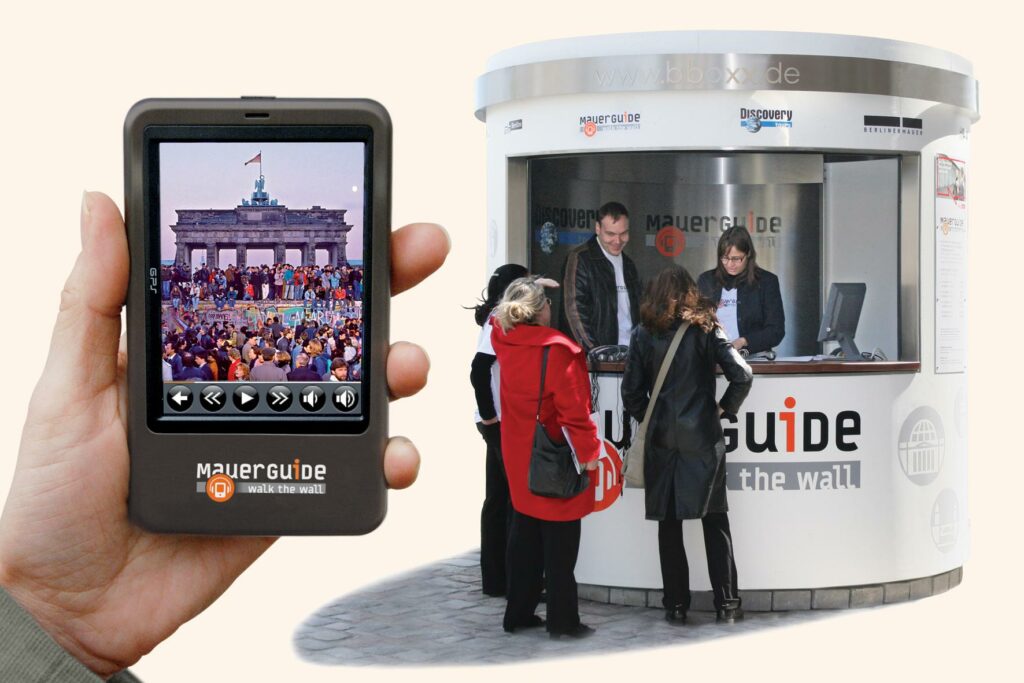
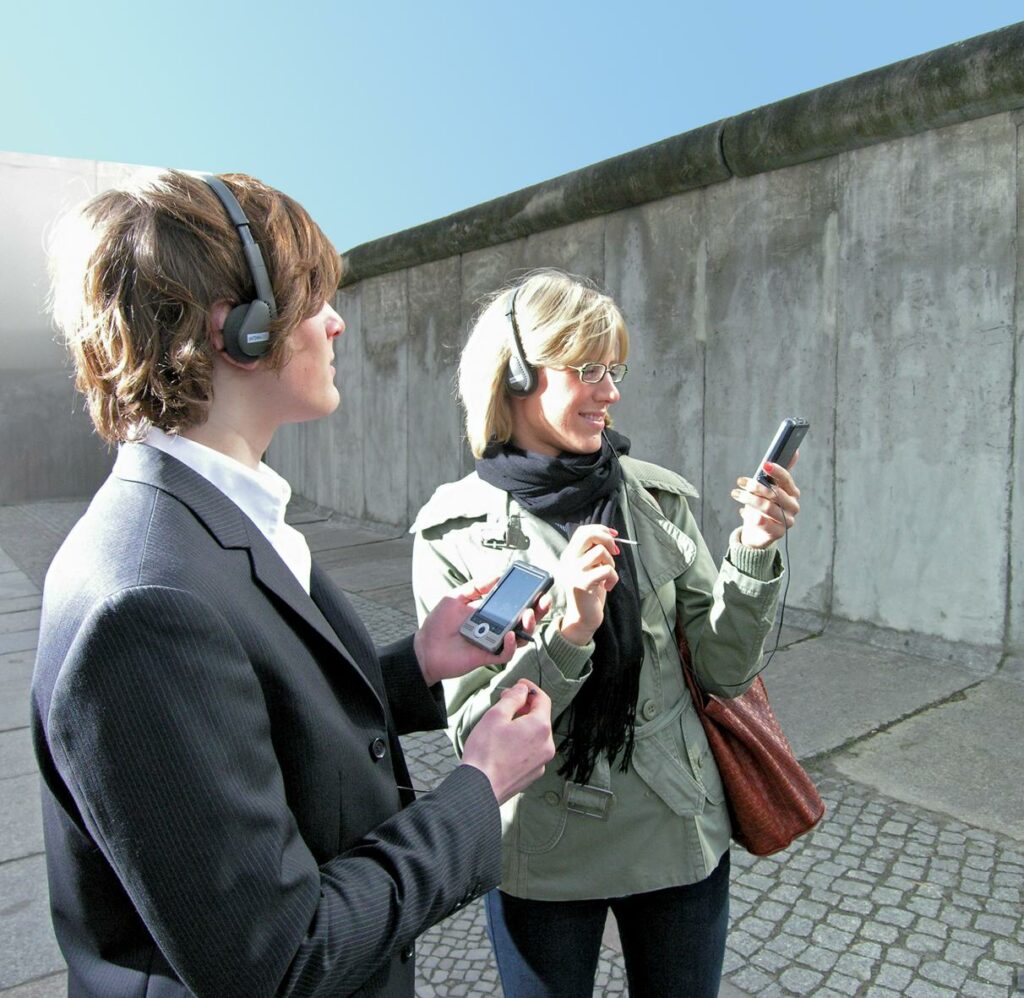
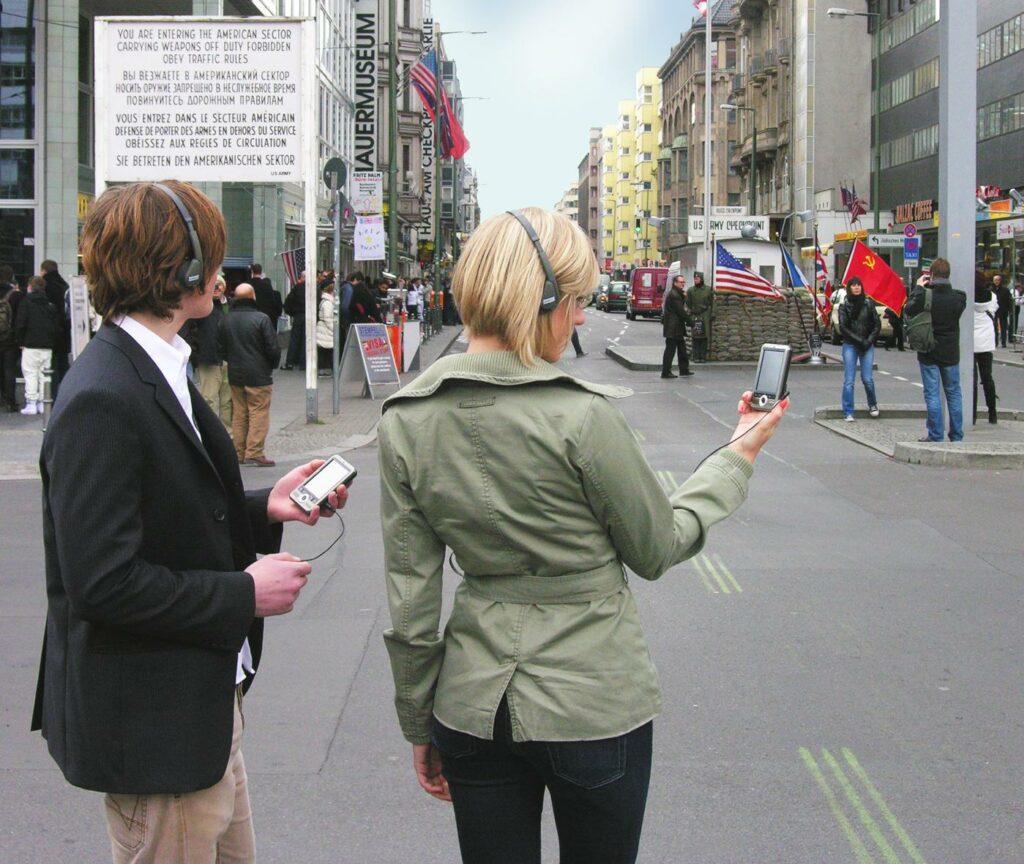
Pictures, films, original quotes, interviews and games make history and histories of the Berlin Wall come alive with the multimedia WallGuide.
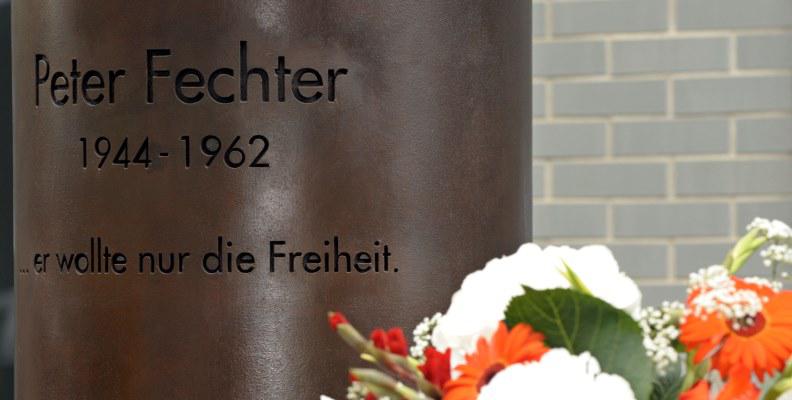
His tragic death converted Peter Fechter into a symbol. He was shot in 1962 when trying to climb across the Wall.
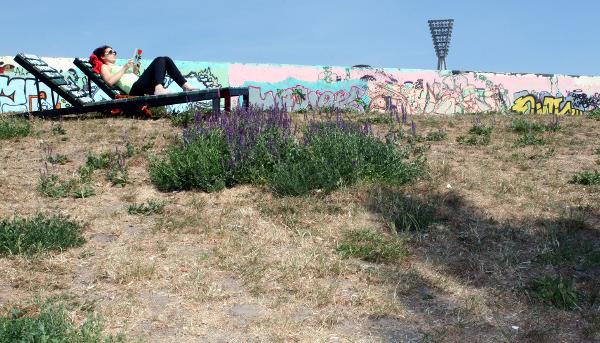
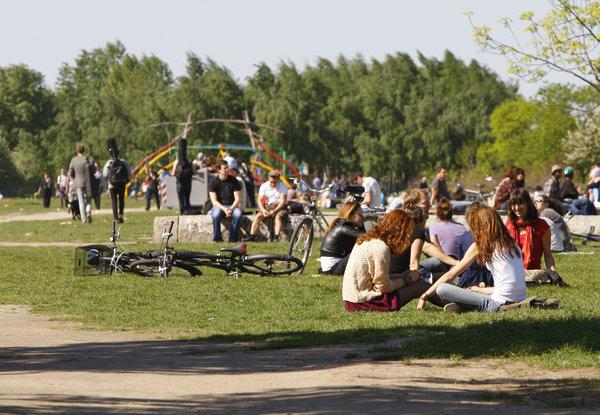
The Mauerpark (Wall Park) was created in the former border strip as a public green space which contains about 300 metres of original Berlin Wall!