Ostern im Museum Glashütte
In the Baruther Glashütte Museum Village, about an hour south of Berlin in the Teltow-Fläming district, centuries-old glassblowing craftsmanship and a lively Easter program come together. Where glass has been produced since 1716, the Easter holidays transform into a creative experience for the whole family.
Easter at Glashütte Museum: Craftsmanship to Touch
If you’re looking to get out of Berlin with children during the Easter holidays, the Baruther Glashütte Museum Village offers an excursion destination that is far more than a classic museum. In the heart of the Baruth glacial valley between Spreewald and Fläming, glass has been produced since 1716. The romantic settlement is a monument of European significance, having organically grown from half-timber, brick, and clay over three centuries. The reason this place becomes particularly lively during the Easter festivities lies in its unique concept: artisans live and work directly on-site here.
In the museum village, guests can experience the Intangible Cultural Heritage of manual glass production and even try it themselves. Additionally, for Easter, the village community offers Easter egg painting according to Sorbian tradition, as well as laying small glass mosaics and painting glass. This turns a museum visit into a hands-on day.
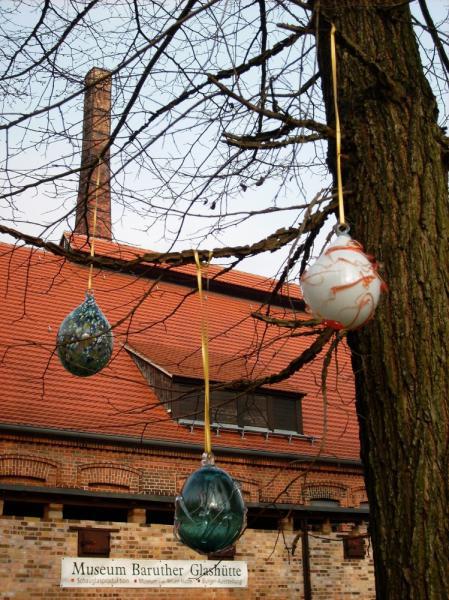
In the “Neue Hütte” (New Hut) and the packing shed, small Easter egg workshops are set up where visitors can design Easter eggs for themselves and for the Easter trees in Glashütte. This makes the place immediately accessible even for children who might not usually be keen on museums.
300 Years of History, Sorbian Tradition, and Fresh Spring Air
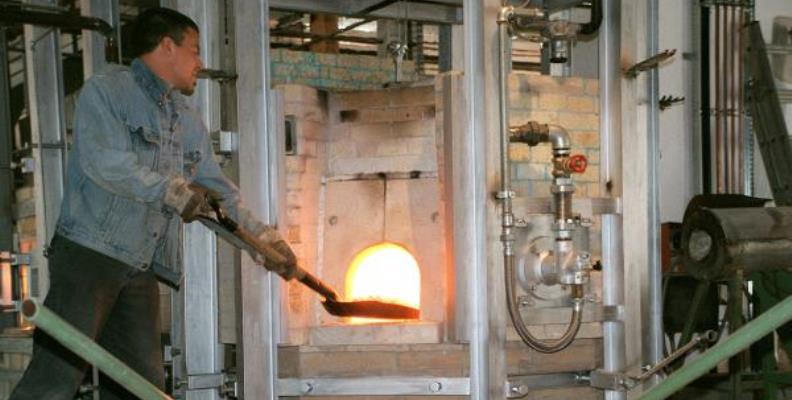
The absolute highlight of the museum village is the live glass production, where visitors can look over the shoulder of glassmaker Patrick Damm. Those who wish can observe how fragile objects are created from glowing mass. This is, frankly, hard to beat for both young and old.
Furthermore, the visit is worthwhile due to the historical depth of the place. In the traditional Glashütte near Baruth in the Teltow-Fläming district, visitors can view historical exhibits, tools, models, and underground stoking channels. In addition to other hands-on activities, visitors can expect industrial culture and monumental historical charm amidst the nature of the glacial valley.
The museum is open from April to October, Tuesday to Sunday from 10 AM to 6 PM, and also on Easter Monday. Admission is 5.50 Euros for adults, 3.00 Euros for children, and 13.00 Euros for families. All in all, it’s an Easter holiday excursion that can be easily undertaken from Berlin and offers something for everyone.

Top10 Redaktion
Erfahrungsbericht vom 11.09.2026
Opening Hours
Tuesday to Sunday 10 AM to 5 PM, open year-round, closed Mondays
Highlight
Daily glassblowing demonstrations at 12 PM and 3 PM included in admission, possibility to blow your own glass ball (12.00 Euros)
Parking
Paid parking in the village, short-term parking up to 1.5 hours 3.00 Euros, day ticket 5.00 Euros. With a parking ticket, 50 cents discount on museum admission
Arrival
Rural location in Brandenburg, arrival by car recommended. Nearest train station Klasdorf (RE8), from there on-demand bus line R779
Prices
Adults 6.50 Euros, children 7-15 years 4.00 Euros, reduced 4.50 Euros, family ticket 16.50 Euros
Opening Hours
- Monday: Closed
- Tuesday: 10:00–16:30
- Wednesday: 10:00–16:30
- Thursday: 10:00–16:30
- Friday: 10:00–16:30
- Saturday: 10:00–16:30
- Sunday: 10:00–16:30