Our rating
4.7
Among all Berlin sights the Brandenburg Gate is clearly one of the classics.
See more

Last updated on 10/28/2026
Berlin has more sights than a weekend allows, which is why it is worth looking at the truly record-breaking ones. The TV tower at Alexanderplatz is, at over 360 metres, the tallest structure in Germany and offers the most complete view over the city from the top. The Reichstag with its glass dome is among the most visited parliament buildings in the world, while Museum Island brings together no fewer than five houses as World Heritage. At the East Side Gallery in Friedrichshain, the longest preserved stretch of the Berlin Wall runs along as an open-air gallery, and the Berlin Cathedral sets a monumental exclamation mark with its dome. Together these places add up to Berlin in the superlative. Which of these landmarks is right at the top of your list?

Ellen Mehrhoff-Roddewig
I am not really one for crowds, but for certain landmarks I make an exception. The view from the TV tower and the walk through the glass Reichstag dome are, for me, among the moments when I experience Berlin at its grandest. For this list I chose the sights that you really have to have seen once.
Among all Berlin sights the Brandenburg Gate is clearly one of the classics.


At 368 meters, the Berlin TV Tower is Germany's tallest structure and visible from almost every point in the city center. The glazed observation deck is at 203 meters, Tim Raue's revolving restaurant Sphere is at 207 meters and rotates twice an hour. For superlative attractions in Berlin, there's no way around this tower.

The Reichstag on Republic Square has been the seat of the German Bundestag again since 1999 and welcomes well over a million guests annually for the dome and roof terrace alone. Norman Foster's glass dome measures 40 meters in diameter and consists of 800 tons of steel. Two spiral ramps lead up to a height of 40.7 meters. Admission is free, but registration is mandatory.
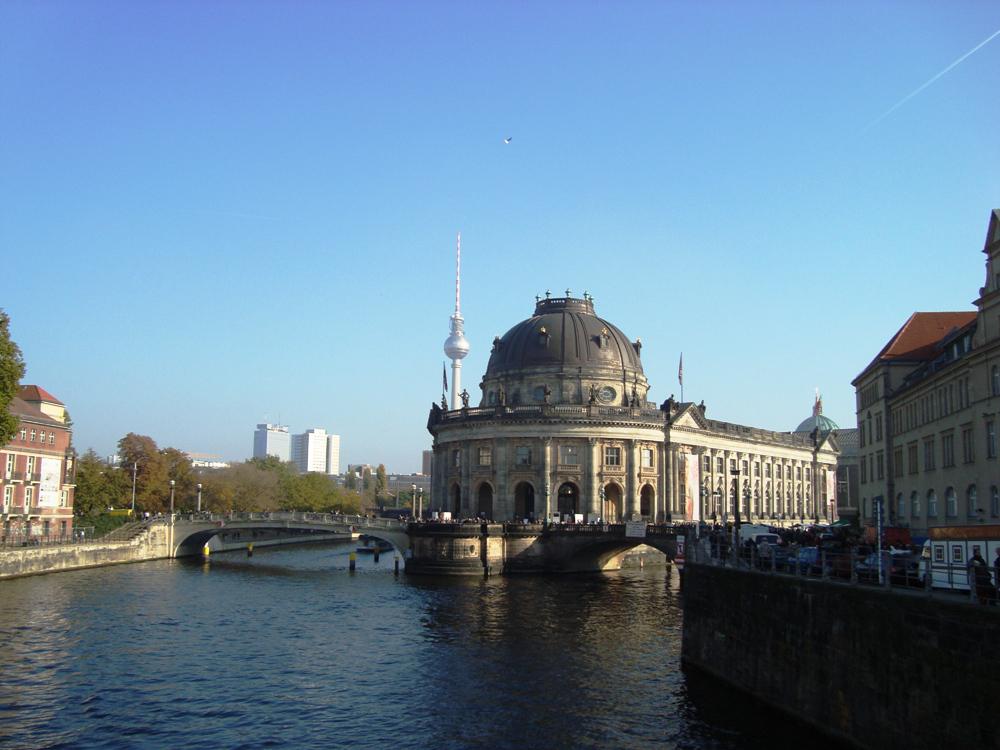
Museum Island, located on the northern tip of Spree Island in Berlin-Mitte, has been a UNESCO World Heritage site since 1999 and gathers five historic museum buildings dating from 1830 to 1930. Visitors can see the bust of Nefertiti, antiquities from Greece and Rome, and 19th-century paintings. The Pergamon Museum remains closed until 2027 due to renovation.


Zoo Berlin on Hardenbergplatz opened on August 1, 1844, as Germany's first zoo and is now home to around 20,000 animals from nearly 1,200 species, making it the most species-rich zoo in the world. Its most famous residents are the pandas Leni and Lotti, and next door, the listed Berlin Aquarium has reopened after three years of renovation.


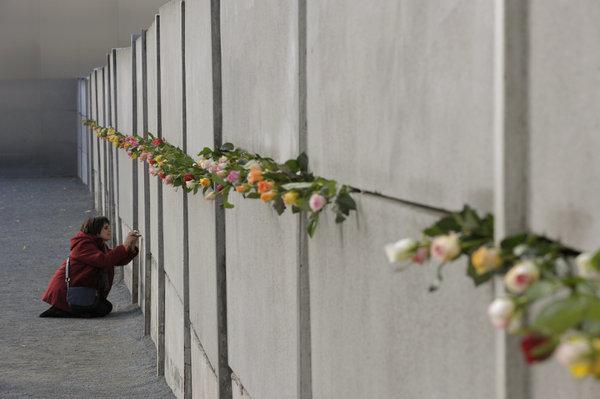
Stretching for 1.3 kilometers along Mühlenstraße in Friedrichshain, the East Side Gallery is the longest preserved section of the Berlin Wall and at the same time the world's longest open-air gallery. 118 artists from 21 countries painted it with over a hundred works in the summer of 1990. Admission is free.


After the war, Potsdamer Platz, on the border of Tiergarten and Mitte, lay fallow for almost fifty years because the Berlin Wall ran right through it. Since 1998, a complete district covering 68,000 square meters has stood here, through which approximately 100,000 people pass each day. The Panoramapunkt in the Kollhoff Tower takes guests up 100 meters in about 20 seconds.


The KaDeWe on Tauentzienstraße opened on March 27, 1907, and with over 60,000 square meters of retail space, it is the largest department store on the European continent. Eight floors, a gourmet food floor with several hundred types of cheese, and over eight million visitors per year make it a landmark that also happens to be a department store.
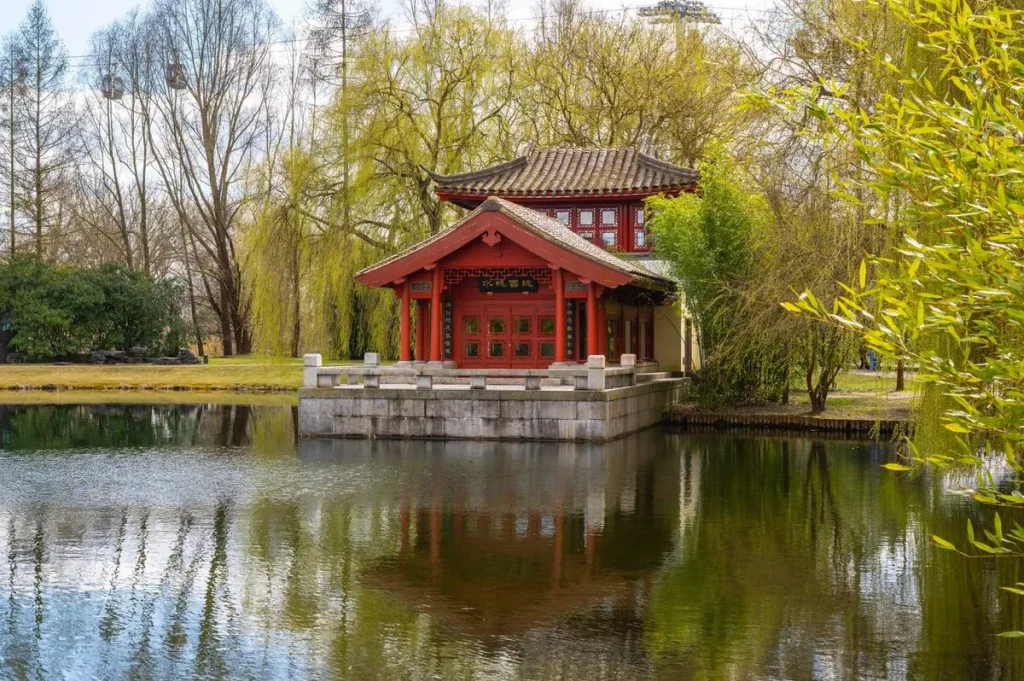
The Gardens of the World in Marzahn were created in 1987 as the Berlin Garden Show and grew to 43 hectares for the International Garden Exhibition 2017. Eleven theme gardens and nine garden cabinets lead from Beijing to Bali and Seoul; the Chinese Garden was the first of them. Above them, Berlin's only cable car glides up to 35 meters high over the Kienberg.
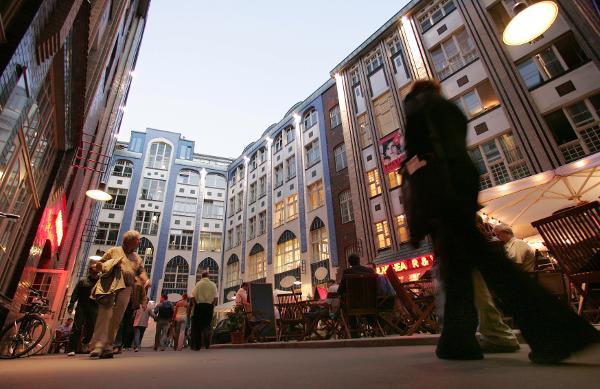
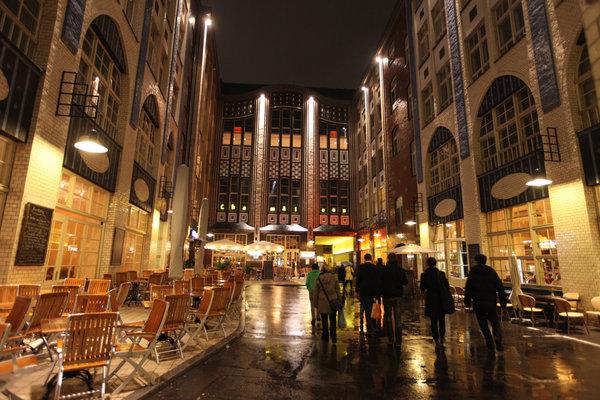
The Hackesche Höfe on Rosenthaler Straße in Berlin-Mitte were built in 1906 and, with eight connected courtyards spanning 27,000 square meters, form Germany's largest contiguous courtyard area. August Endell designed the Art Nouveau facade of the first courtyard. Around 1.8 million guests visit annually, and access is free.