The perfect Berlin experience:
Gift the Top10 Experience Box now!
Top10 Berlin

The best history sites in Berlin 2026

112 Locations - Page 5

Few cities carry as much history as Berlin, from Prussian palaces to the Wall and the scars of the 20th century. Around Mitte and the former border, history comes alive at museums, memorials and landmarks that tell of empire, war and division.

This overview gathers Berlin locations rich in history, from grand museums and palaces to memorials and preserved sites. Some focus on the Nazi era and the Cold War, others on the wider sweep of the city's past.

Browse the places below to explore the best history sites in Berlin 2026, compare exhibitions and opening hours, and plan your visit.

Our rating
3.7

On the evening of November 9, 1989, the Bösebrücke on Bornholmer Straße was the first border crossing to open, hours before other barriers went up elsewhere. The steel bridge, opened in 1916, still stands today, and at the eastern bridgehead, the Square of November 9, 1989, with metal reliefs and a section of the forefield wall, commemorates that night.

See more
Our rating
3.6

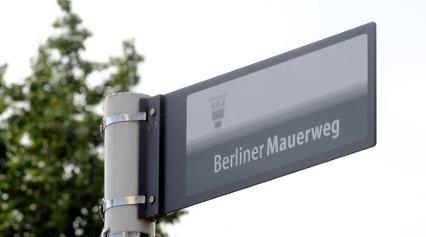
Over 160 kilometers, the Berlin Wall Trail follows the former border strip around West Berlin, divided into 14 stages between Lübars in the north and the Brandenburg countryside. More than a hundred overview maps and forty information stations explain what happened where along the way. Among the Berlin Wall sites, it is the only one you can travel for hours.

See more
Our rating
3.6

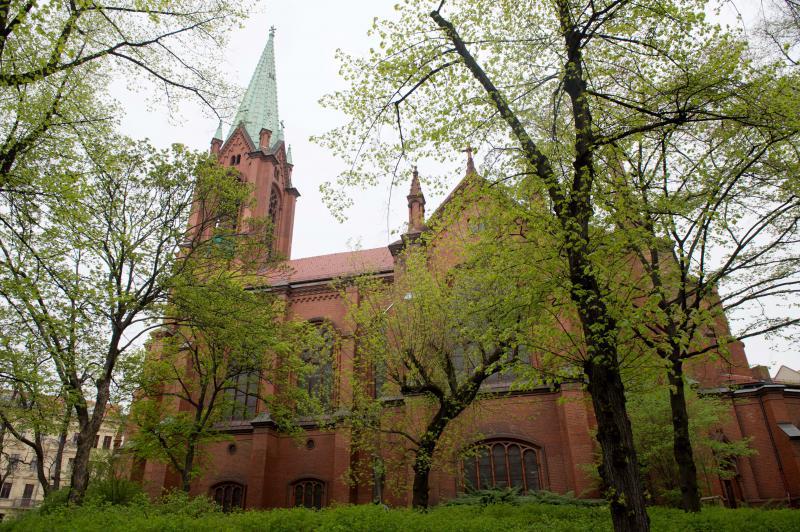
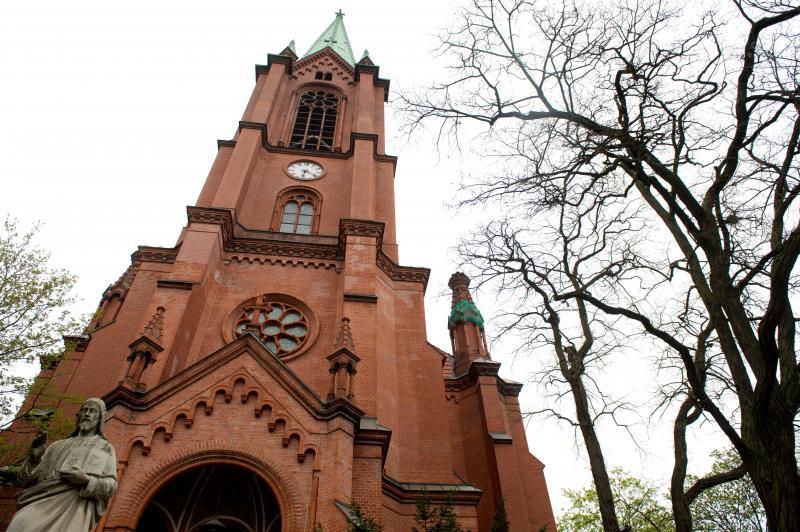
The Gethsemane Church on Stargarder Straße was consecrated in 1893 in the presence of the imperial couple and was the center of the East Berlin opposition movement in autumn 1989. Candles burned outside its gates, and thousands kept vigil inside under the motto 'Watch and pray.' This is where the Peaceful Revolution in Berlin began.

See more
Our rating
3.6

Karl-Marx-Allee stretches for about two kilometers from Frankfurter Tor to Strausberger Platz and is the largest preserved grand boulevard of the GDR. Hermann Henselmann's twin towers, the workers' palaces in socialist classicism, and the 1960s buildings such as Kino International and Café Moskau are now listed as an ensemble.

See more

On the edge of Humboldthain Volkspark in Gesundbrunnen, the ruins of a 1942 flak tower rise, its former gun platform serving as an observation terrace since 1990. At 85 meters high, one looks out over Wedding and Mitte; access via the winding paths is free. Tours of Berliner Unterwelten for 18 Euros are the only way to access the interior.

See more

In Viktoriapark, on the 66-meter-high Kreuzberg, stands Schinkel's cast-iron National Monument for the Liberation Wars, inaugurated in 1821 and later raised onto an eight-meter-high plinth. From its platform, the view extends over the roofs of Kreuzberg to the city center. The ascent leads past the 24-meter-high waterfall and costs nothing.

See more

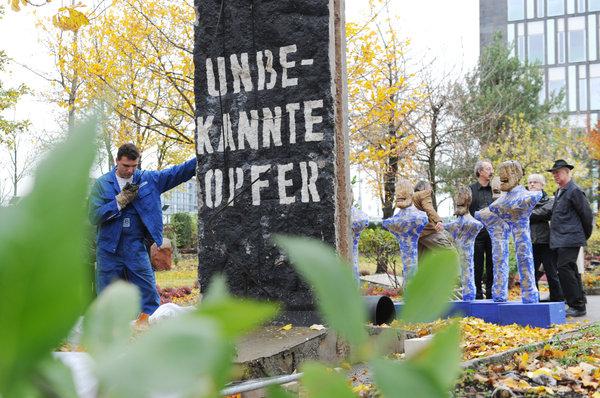
Eleven days after the Berlin Wall was built, Günter Litfin was shot dead on August 24, 1961, in Humboldthafen, becoming the first victim to die by gunfire at the Berlin Wall. The Günter Litfin Memorial is located in the former border tower at Kieler Eck, one of only three remaining towers in the city. His brother Jürgen saved it from demolition.

See more
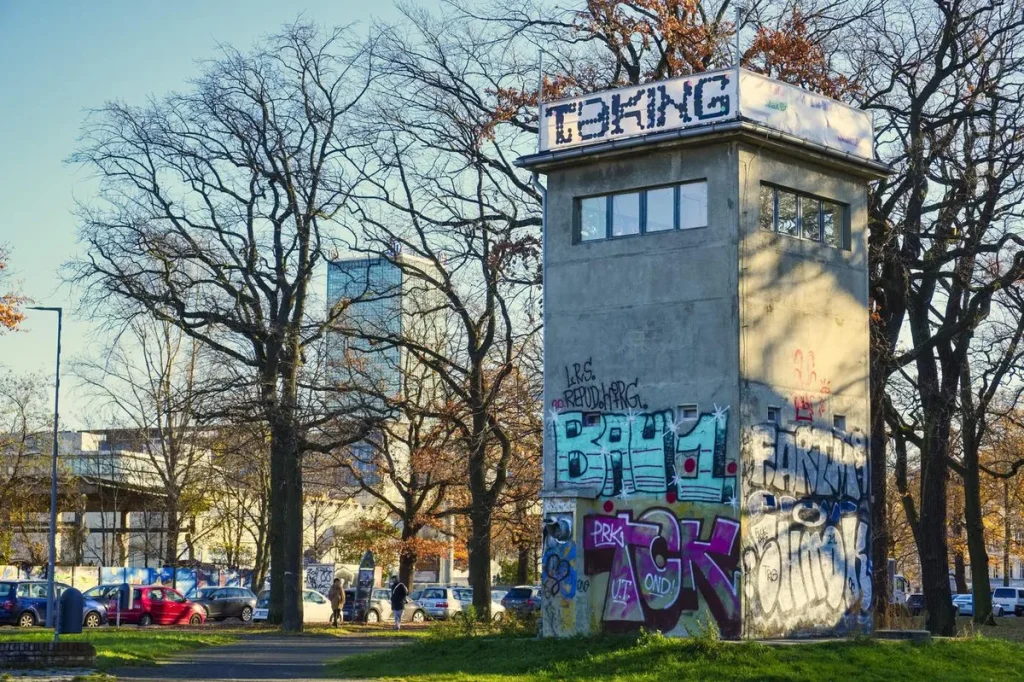
Der erhaltene DDR-Grenzwachturm im Park Schlesischer Busch an der Puschkinallee in Berlin-Treptow.

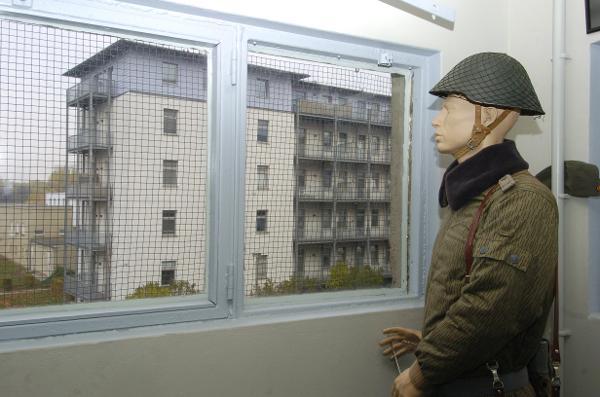
In Schlesischer Busch Park on Puschkinallee stands the GDR Watchtower, not a simple observation post, but a command center: From here, 18 watchtowers and the electronic security systems of this border section were controlled. Of 302 towers around West Berlin, three remain. Among the Berlin Wall sites, this is the most authentic.

See more

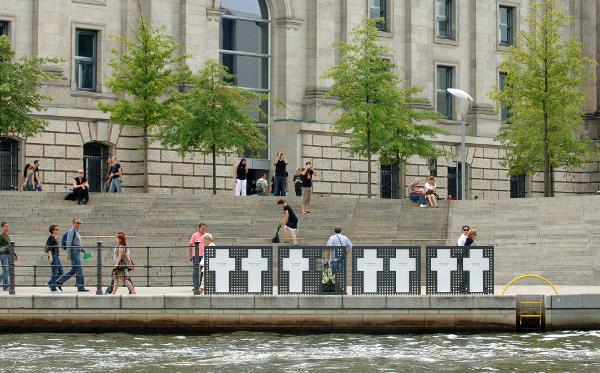
Behind the East entrance of the Reichstag, seven white wooden crosses hang in the Spree's riverbank railing, erected in 1971 by the Berliner Bürger-Verein. They name thirteen victims of the Berlin Wall, from Günter Litfin to Chris Gueffroy. The water at that time belonged to East Berlin; whoever jumped here was immediately in GDR sovereign waters.

See more