Our rating
5.0
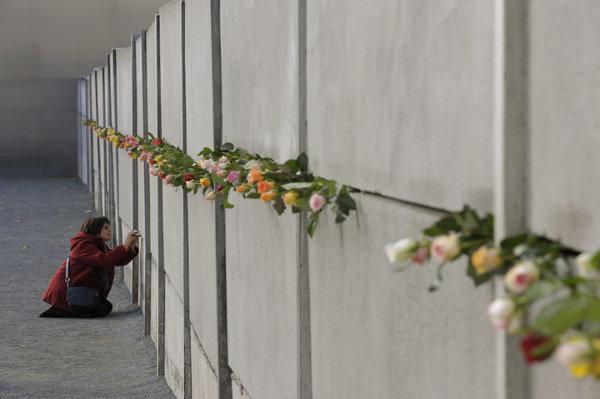
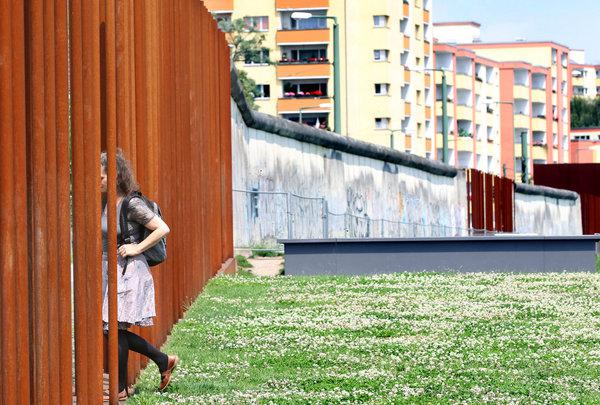
Bernauer Straße was the border between the districts of Wedding (West) and Mitte (East).
See more

20 Locations
The border between East and West shaped Berlin for decades, and its path can still be traced across the city. From Bernauer Straße to Checkpoint Charlie, sites of the former border reveal the story of division, the death strip and daring escapes.
This overview gathers Berlin locations tied to the border, from preserved Wall segments and watchtowers to memorials and museums. Some focus on the history and politics, others on personal stories and everyday life beside the border.
Browse the places below to explore the former border in Berlin, compare exhibitions and opening hours, and plan your visit.
Bernauer Straße was the border between the districts of Wedding (West) and Mitte (East).
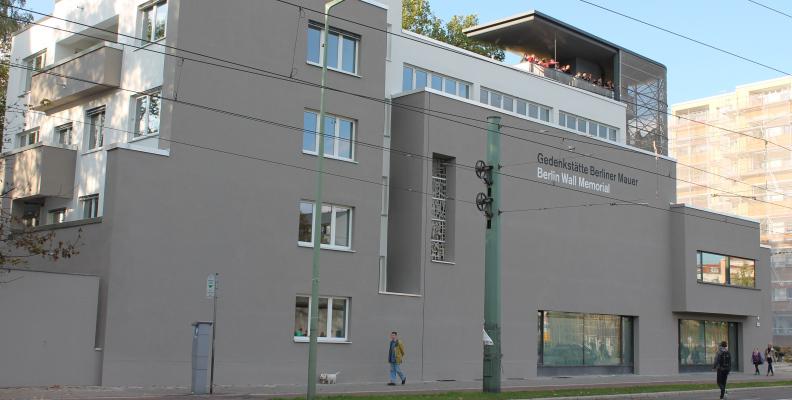
The central Berlin Wall Memorial on Bernauer Straße shows the permanent exhibition "1961 | 1989. The Berlin Wall".
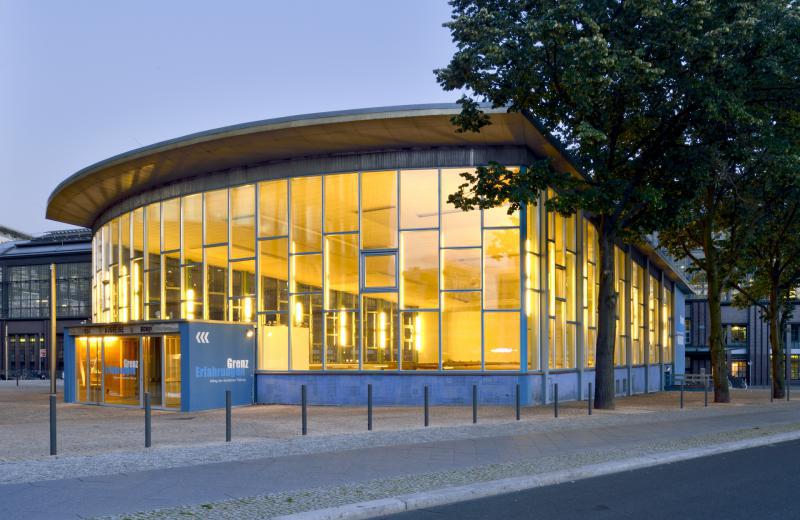
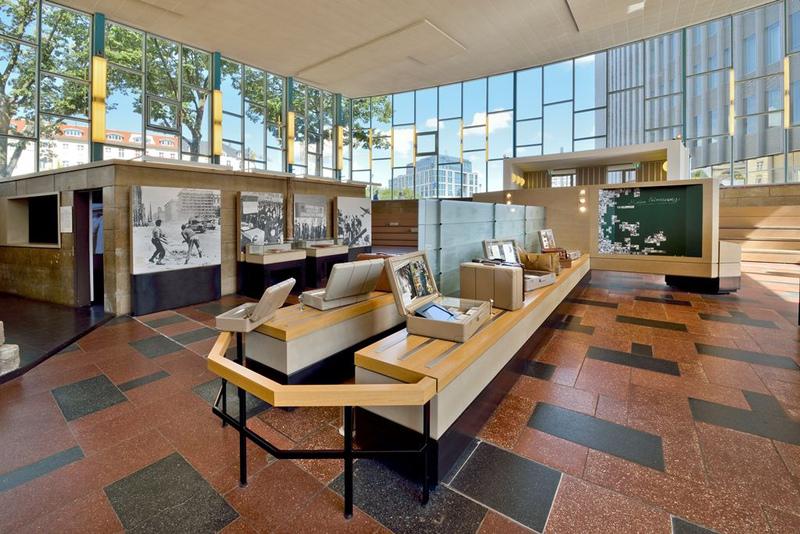
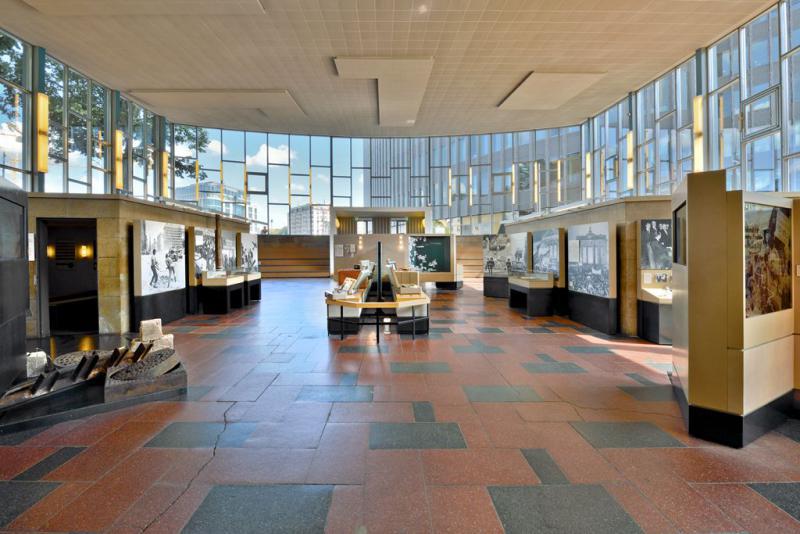
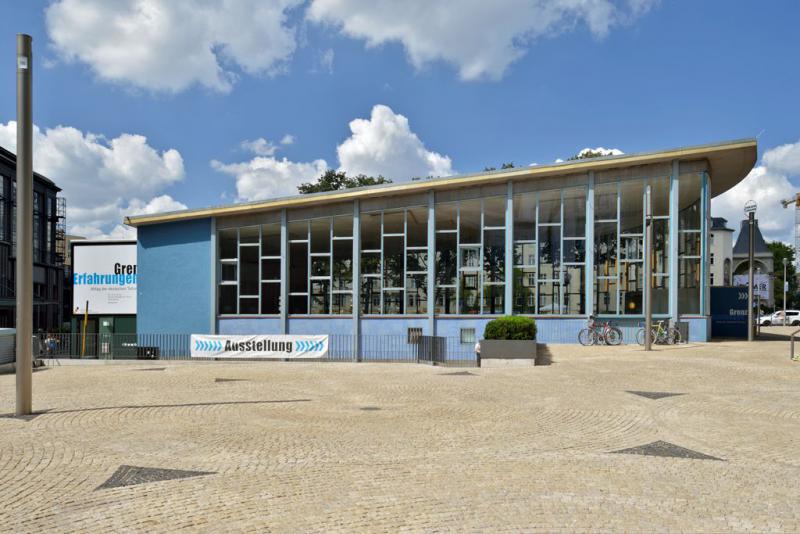
The Tränenpalast ("Palace of Tears") near Bahnhof Friedrichstraße is home to the permament exhibition "GranzErfahrungen", giving an insight into the day-to-day life of a country divided in two.
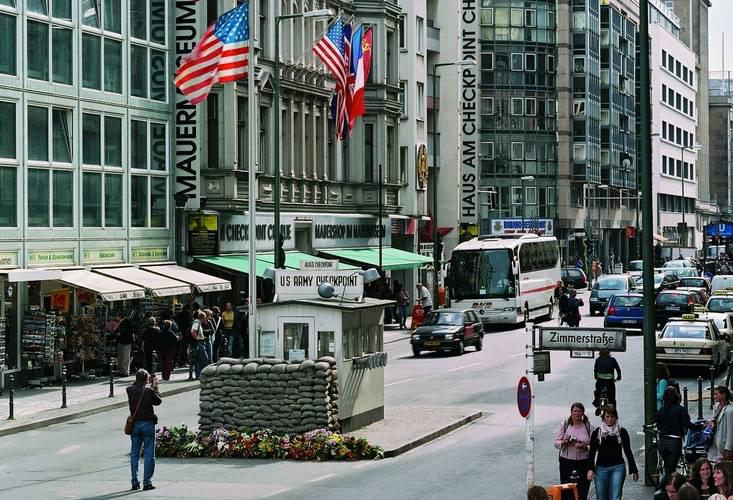
Right in front of the door of the museum is the former Checkpoint Charlie. Inside it is all about the creative ways of people wanting to flee from East Germany and the border fortifications of that time.
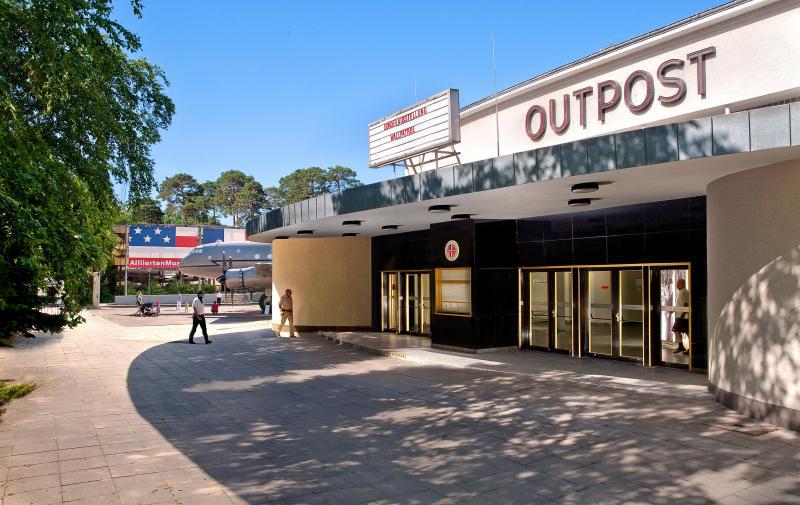
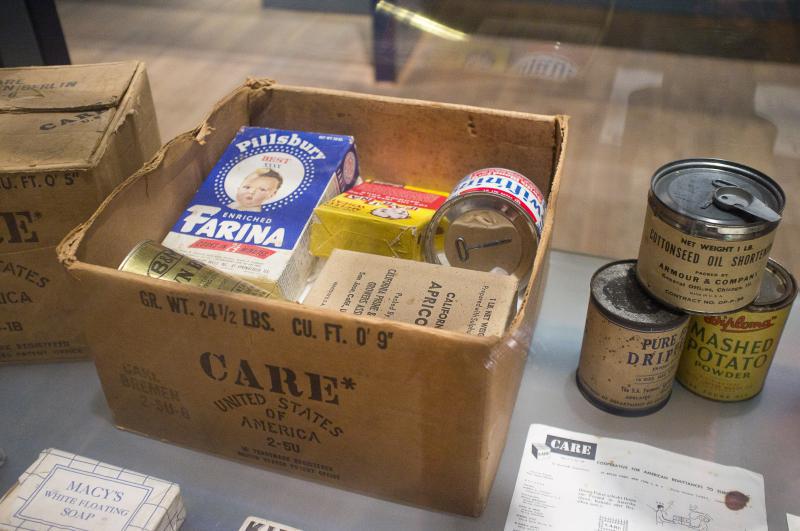
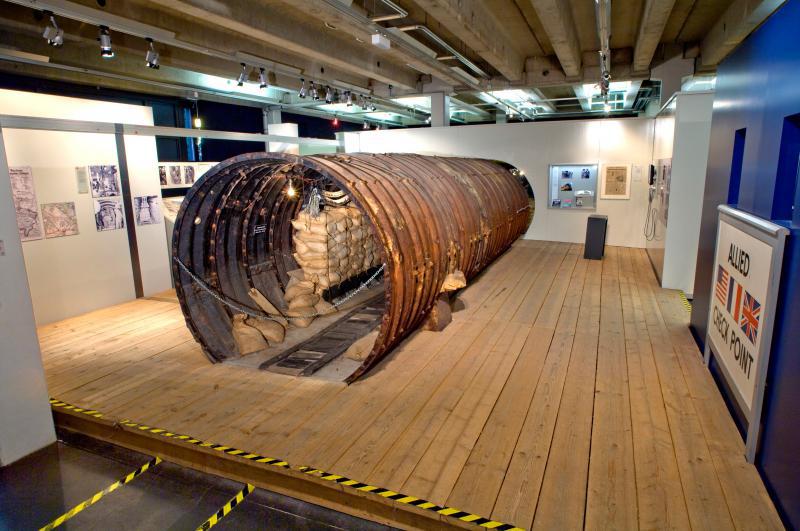
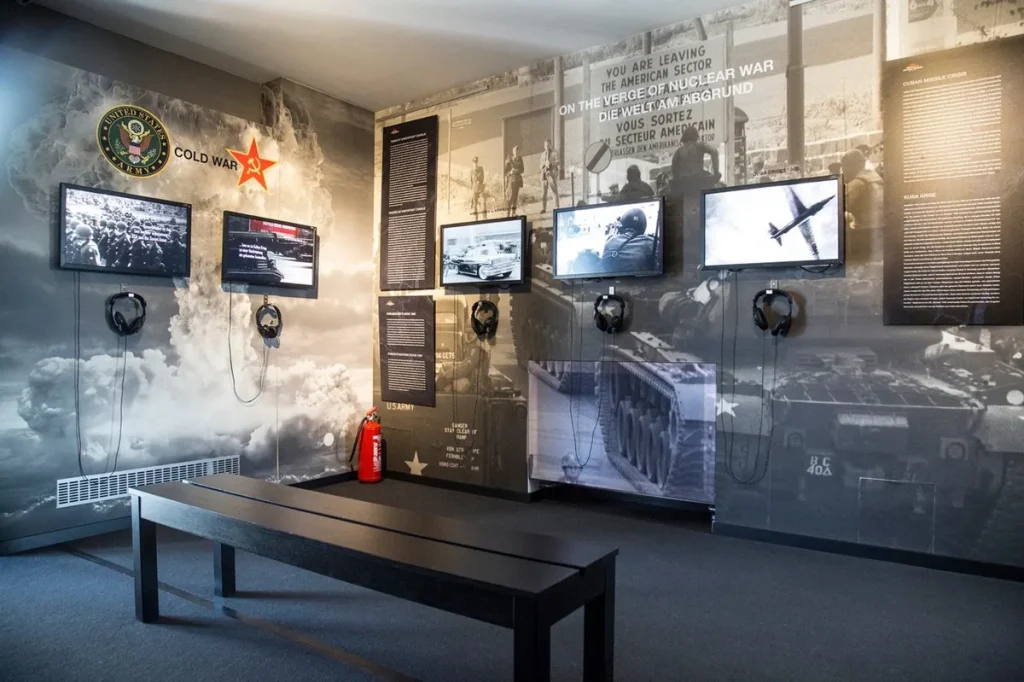
The Allied Forces Museum on Zehlendorf's Clay-Allee illustrates the history of the western allies in Berlin. From the end of World War II, over the Berlin Air Lift to Checkpoint Charlie - all this and more are to be discovered there.
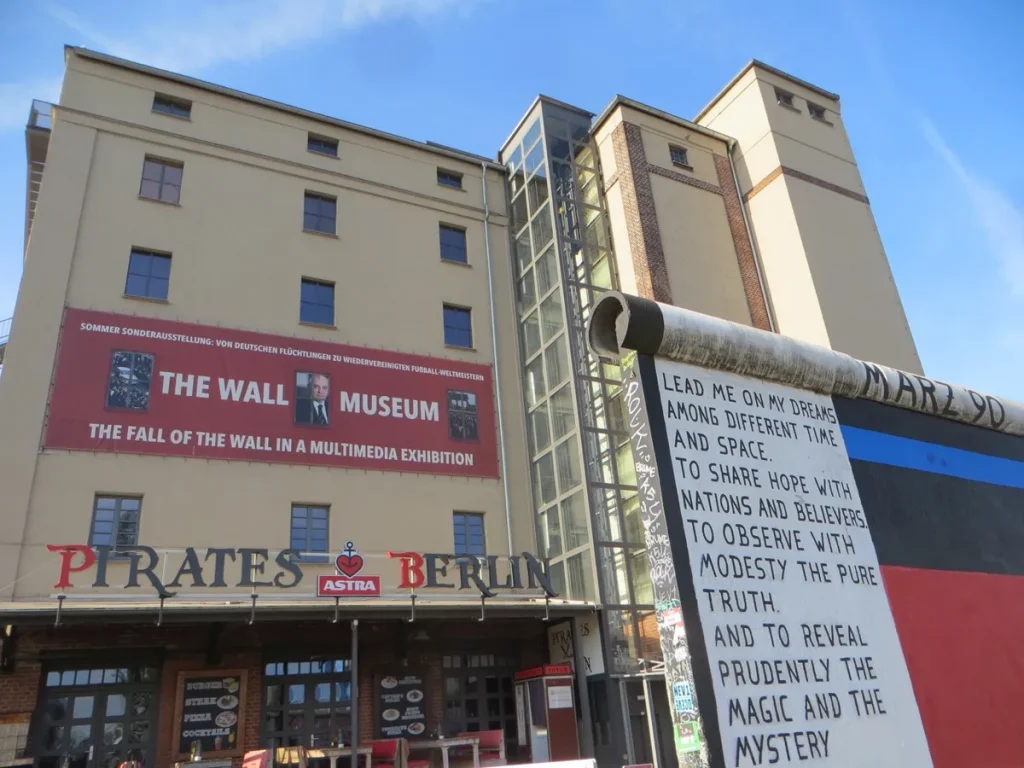
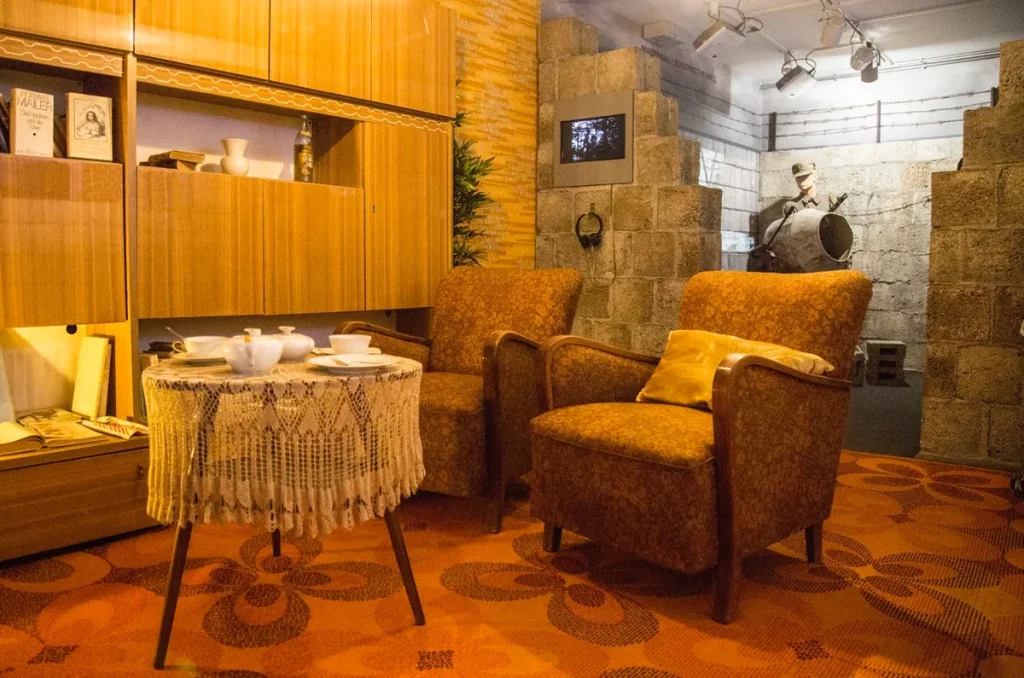
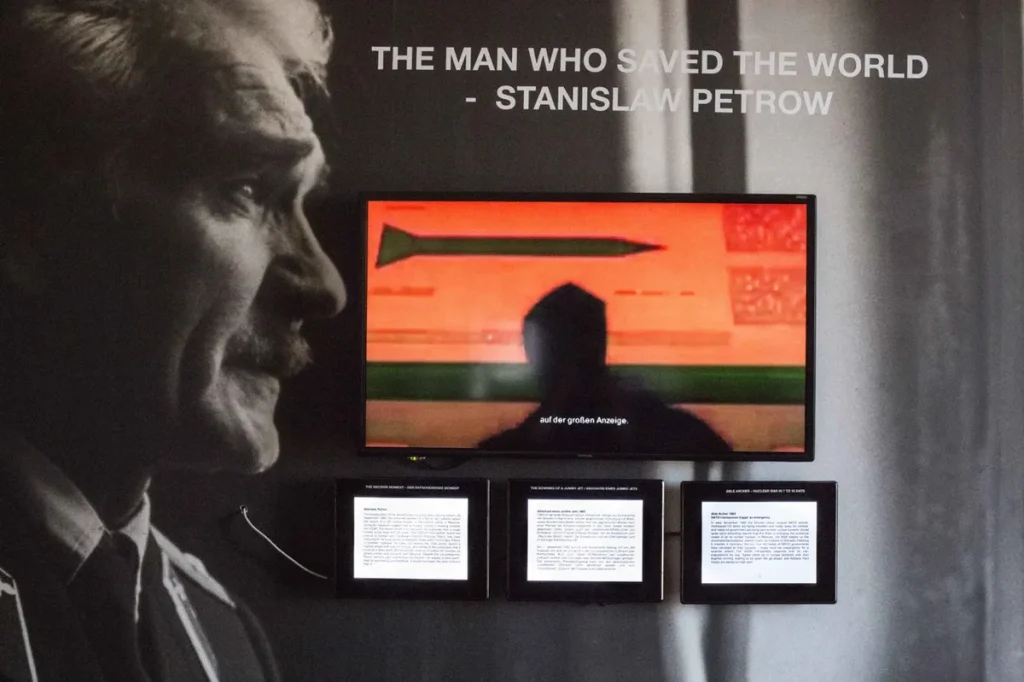
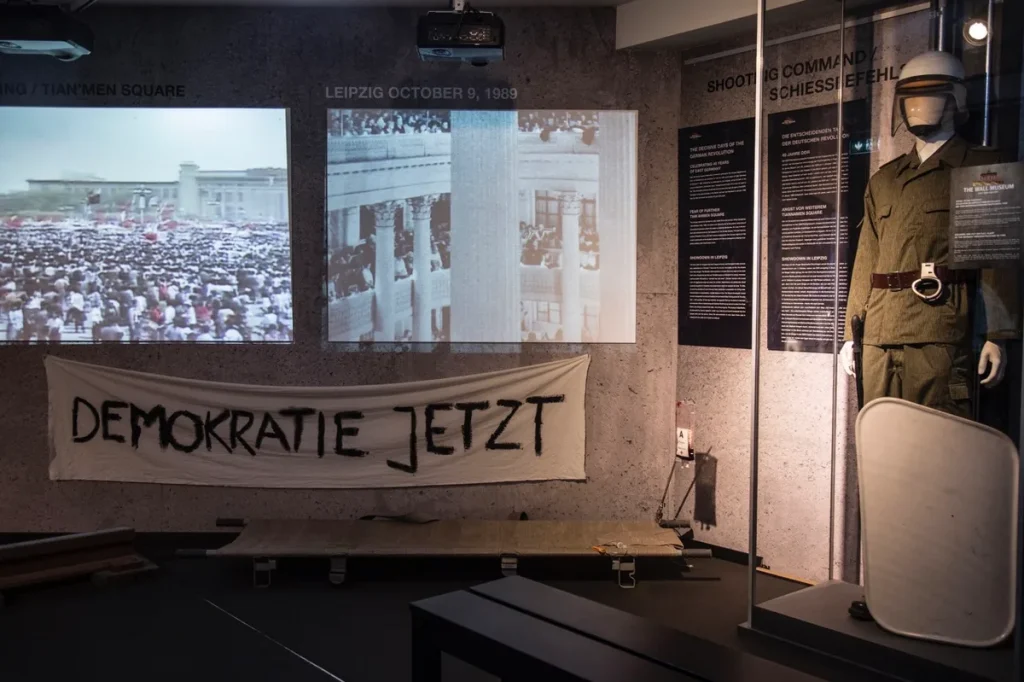
In the historic mill warehouse directly on the Spree, an emotional journey through the history of German division awaits you. The museum connects personal fates with original props and interviews from contemporary witnesses in 13 themed rooms.
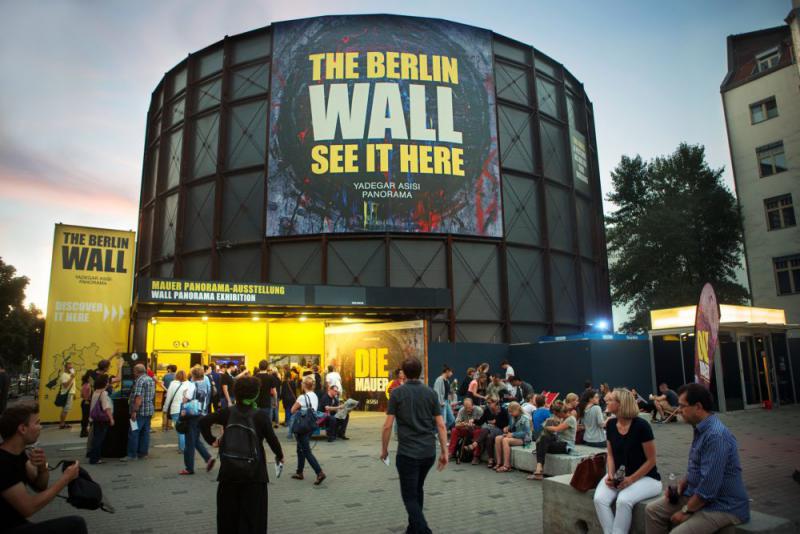
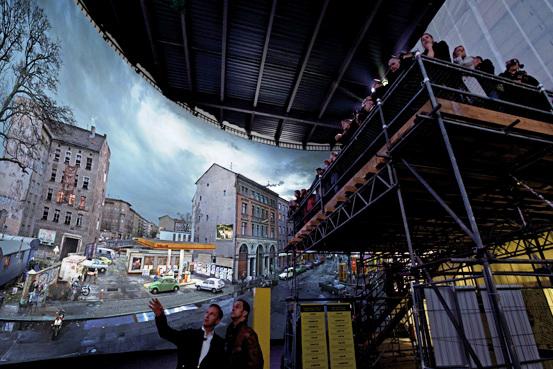
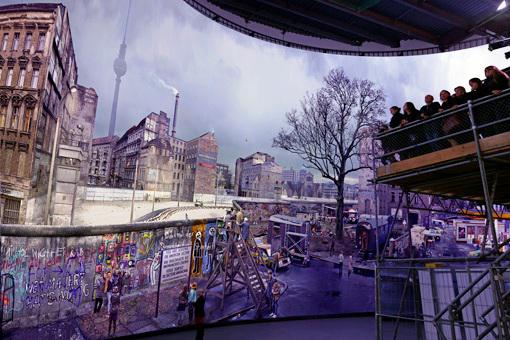
The large Panorama wall of the artist Yadegar Asisi visualizes the daily life next to the Berlin wall on a fictitious autumn day in the 1980s.
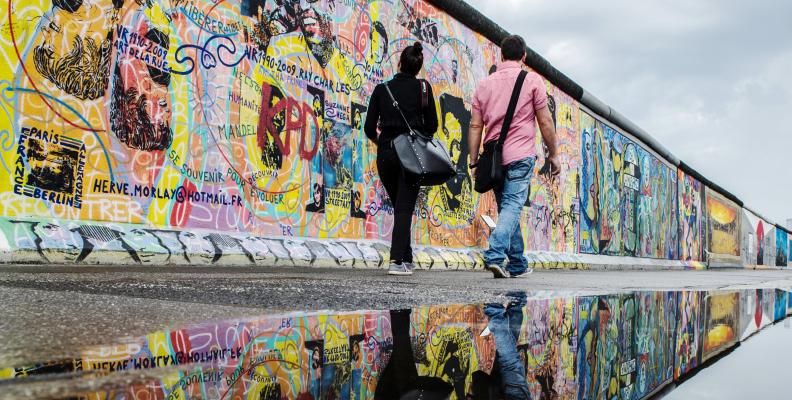
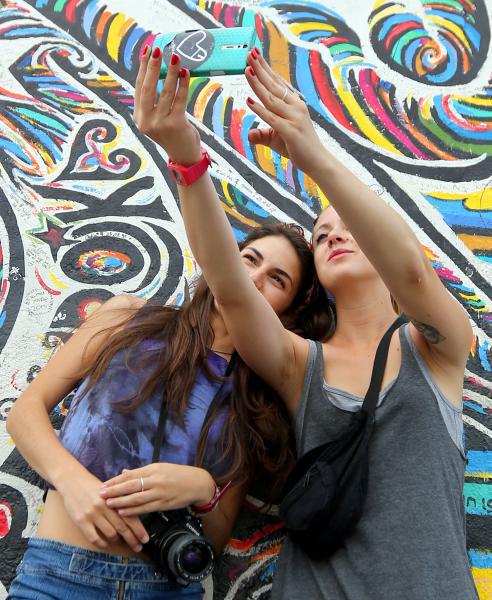
The city tour City Circle PURPLE Tour in a yellow doubledecker bus traces the former Berlin Wall and takes you to the trendy Berlin of today.
The Berlin Mauerweg gives the answer to the frequently asked question where the Berlin Wall stood.
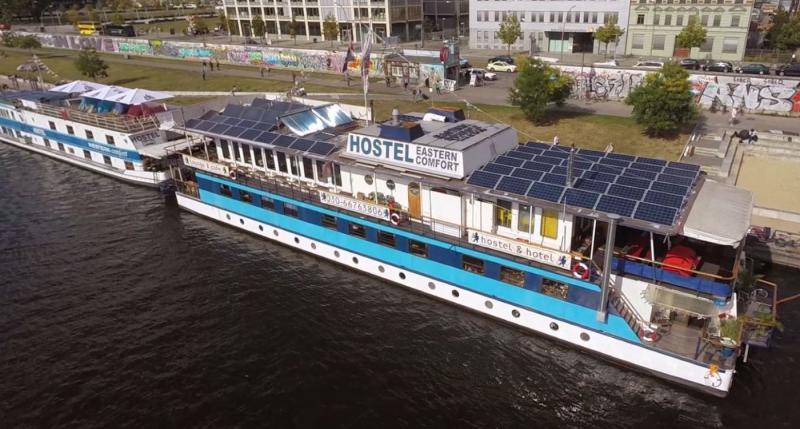
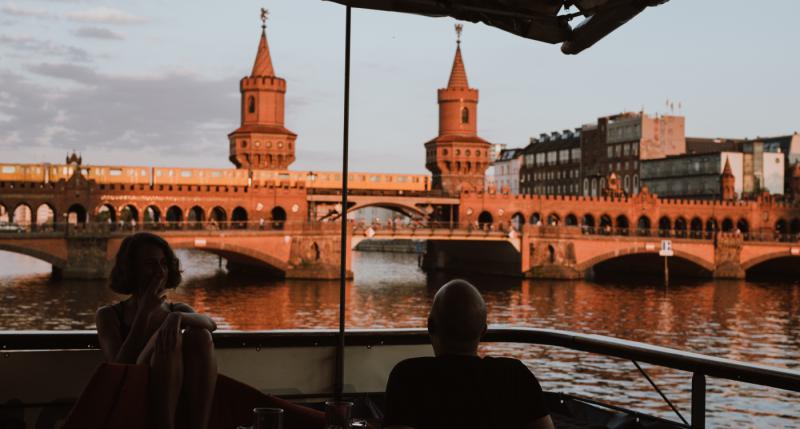
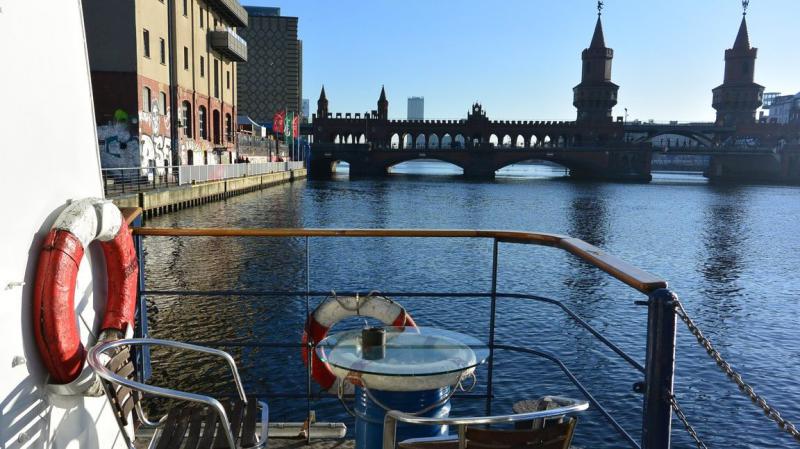
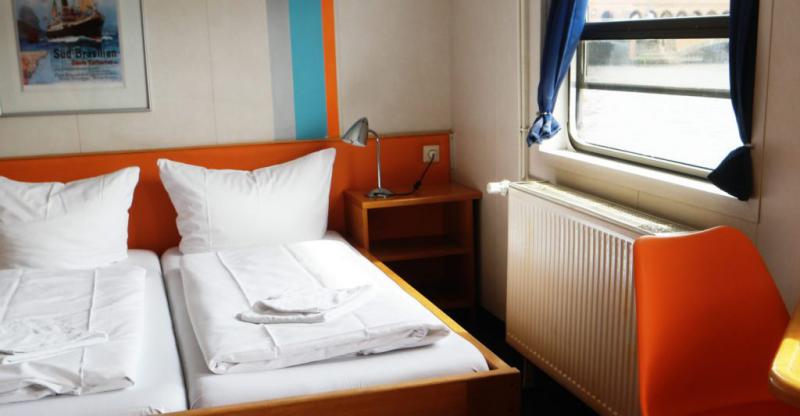
Two ships, one Spree, zero boredom: The Shipotel Berlin is located between Friedrichshain and Kreuzberg, directly on the East Side Gallery, offering overnight stays on the water instead of in a conventional hotel room. Those who want to experience Berlin differently sleep here in cabin beds with a view of the Oberbaumbrücke.
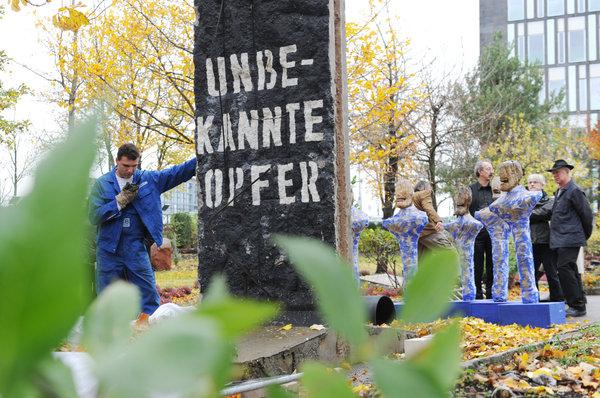
The monument "Parliament of Trees" was created by artist Ben Wargin in 1990 and commemorates the people who died on the Berlin Wall.
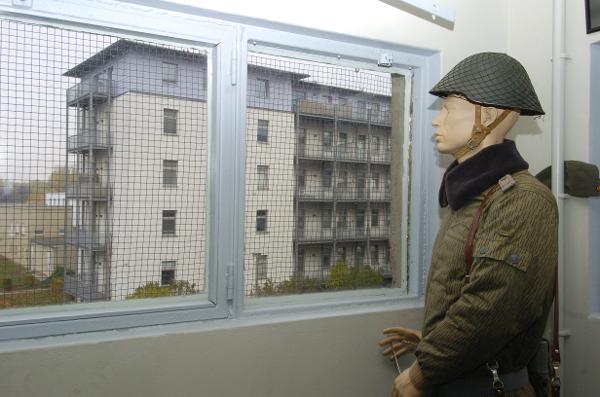
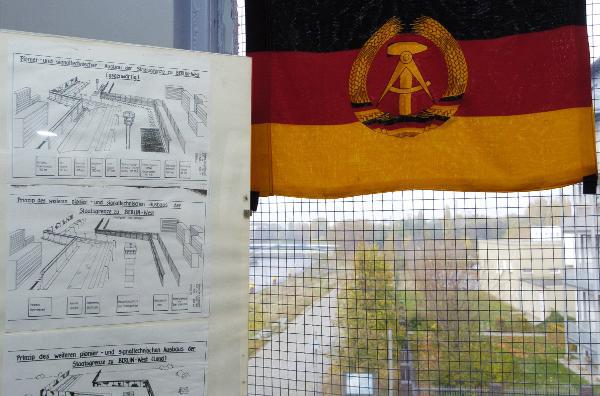
This memorial site commemorates the victims of gunfire and barbed wire at the Berlin Wall and is named after Günter Litfin, the first victim of precision shooting at the Wall.
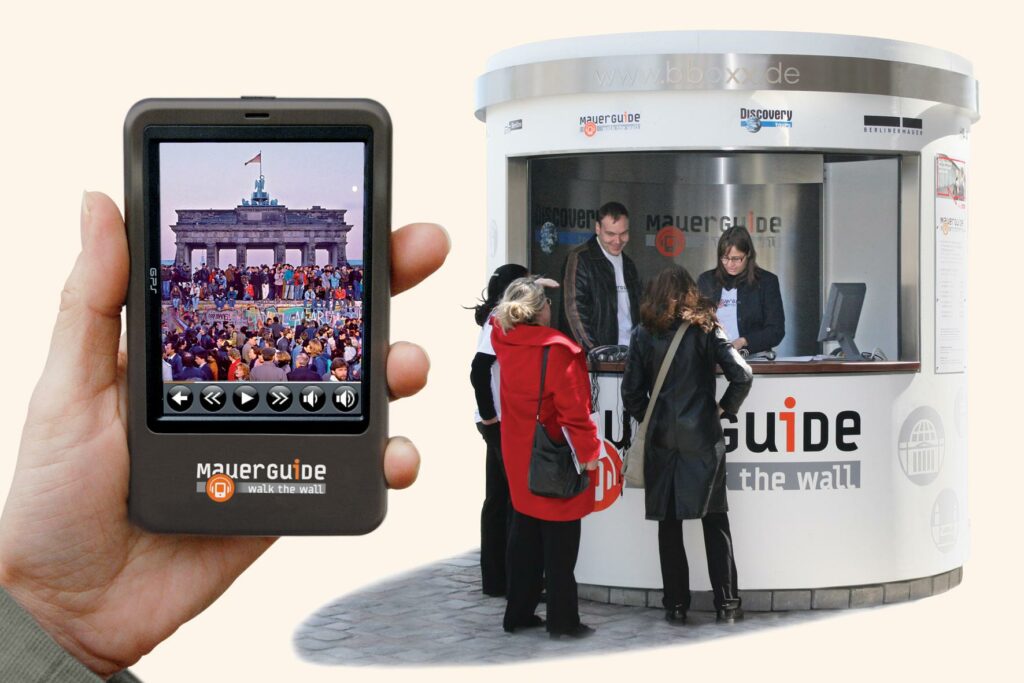
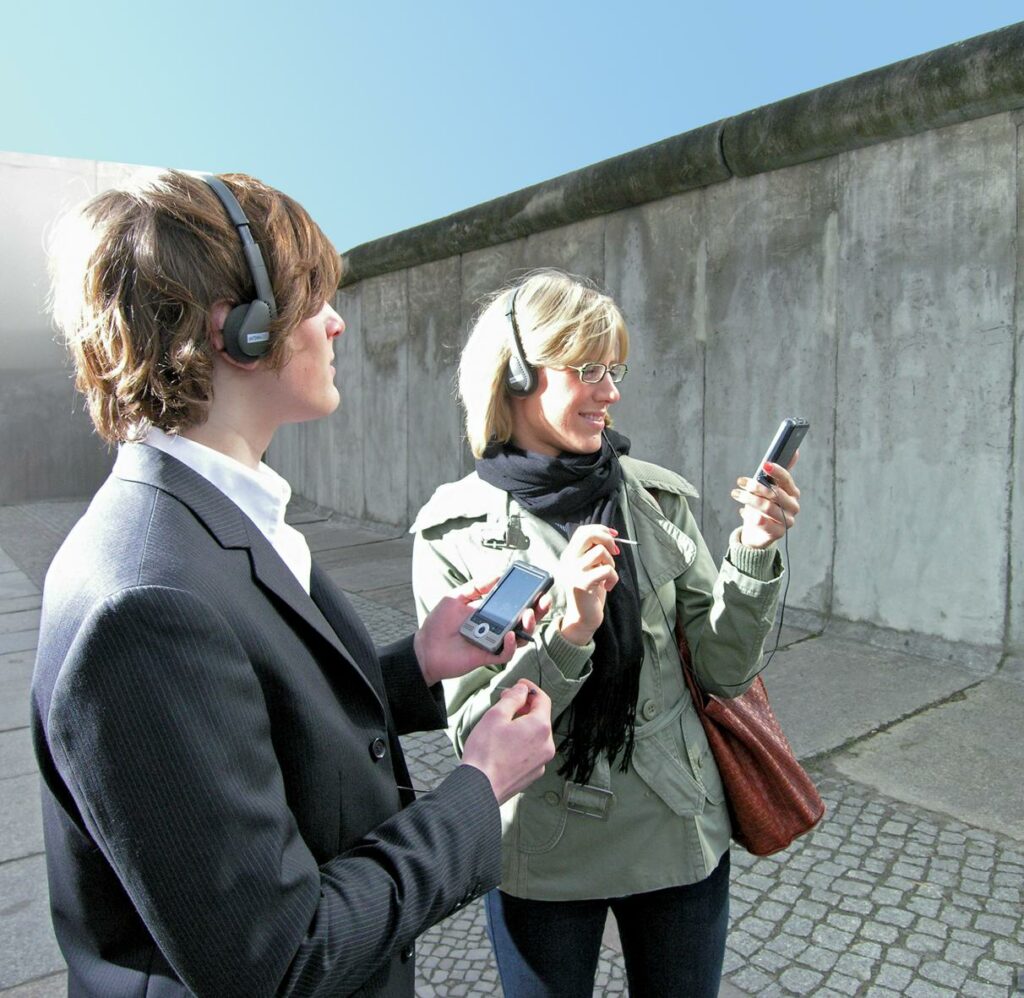
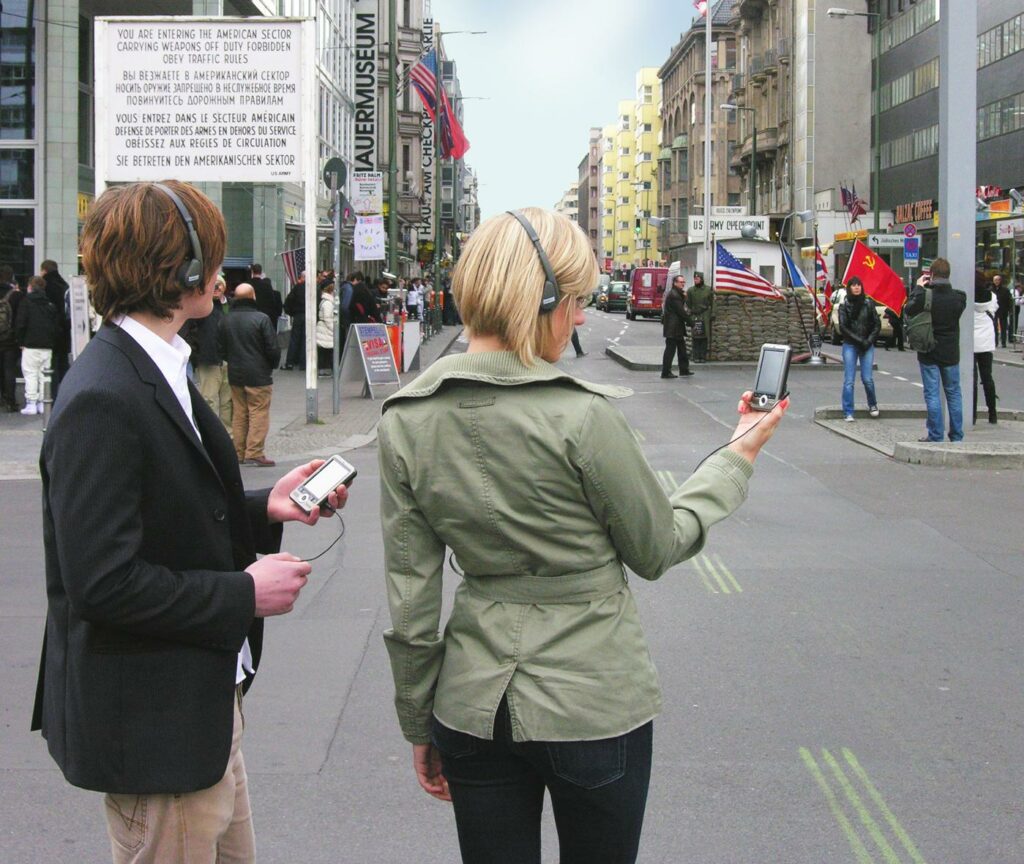
Pictures, films, original quotes, interviews and games make history and histories of the Berlin Wall come alive with the multimedia WallGuide.
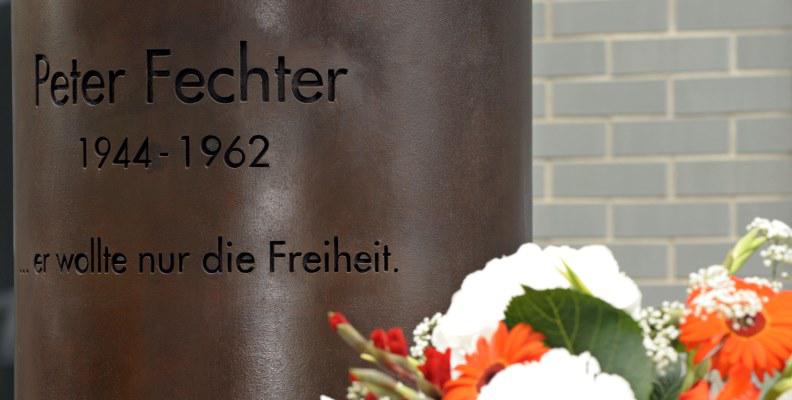
His tragic death converted Peter Fechter into a symbol. He was shot in 1962 when trying to climb across the Wall.
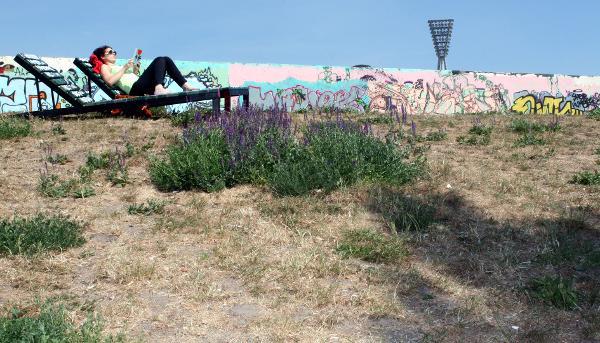
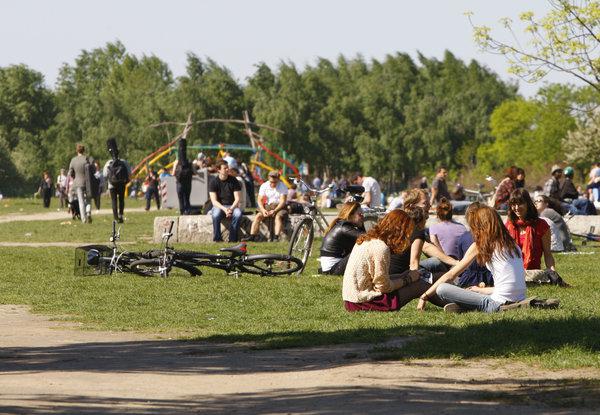
The Mauerpark (Wall Park) was created in the former border strip as a public green space which contains about 300 metres of original Berlin Wall!
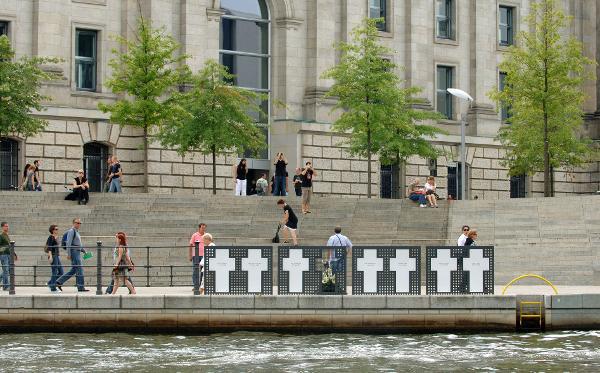
The white crosses are commemorating those who lost their lives trying to overcome the GDR border fortifications to escape from East Germany.
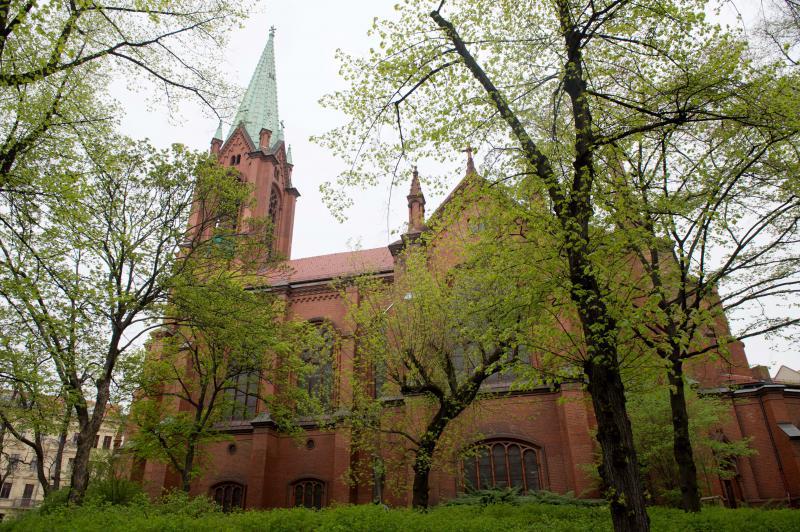
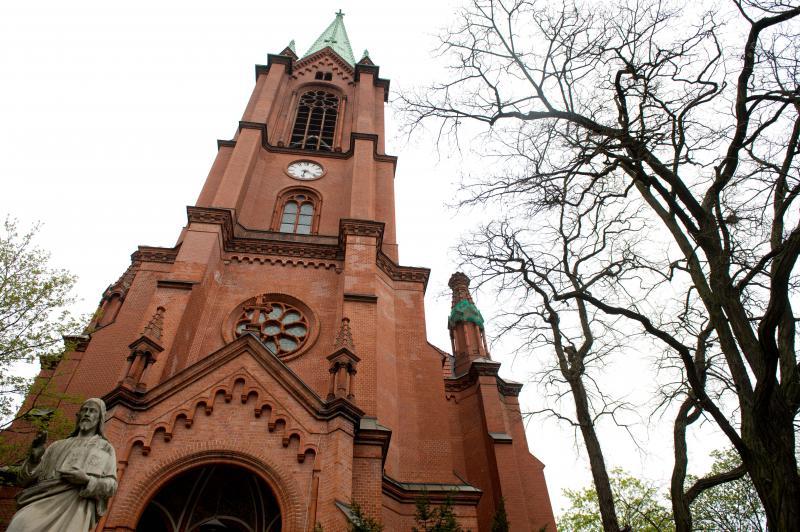
The Protestant Gethsemane Church in Prenzlauer Berg is a symbol of the peaceful revolution in the GDR.
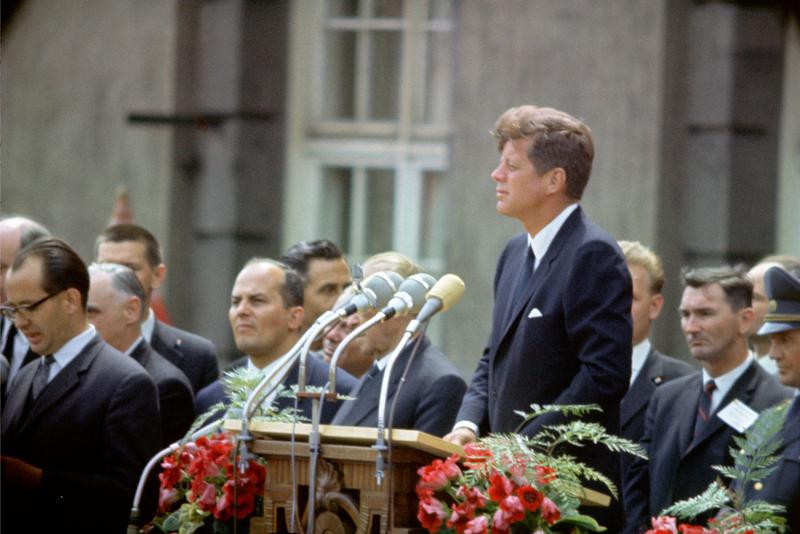
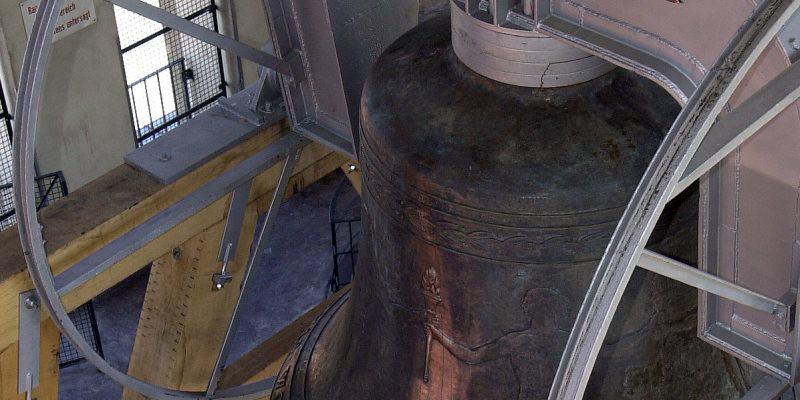
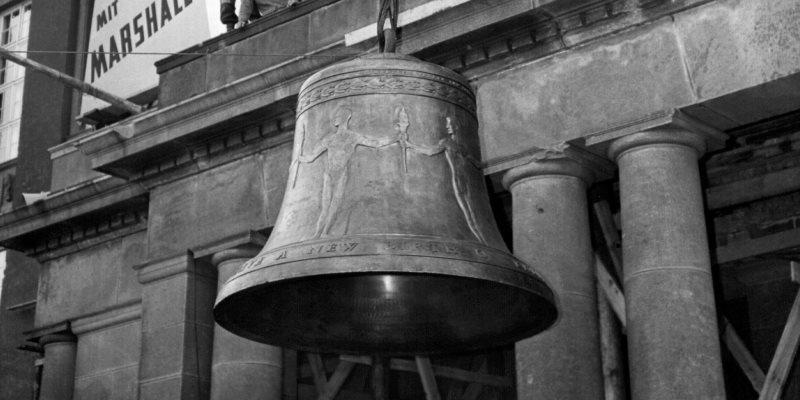
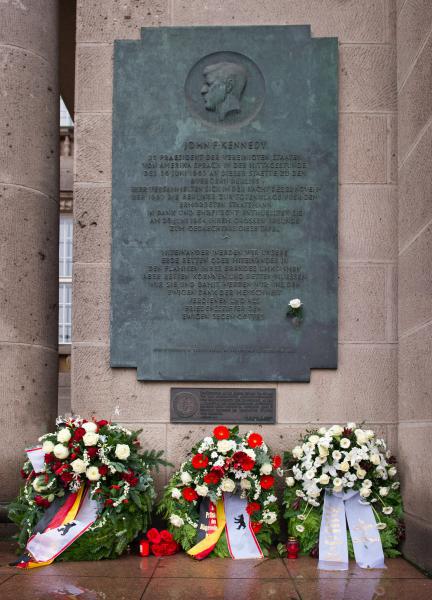
„Ich bin ein Berliner“ – John F. Kennedy said this famous sentence in front of the Schöneberg City Hall when he visited Berlin in 1963. However, a lot more German history was made here.
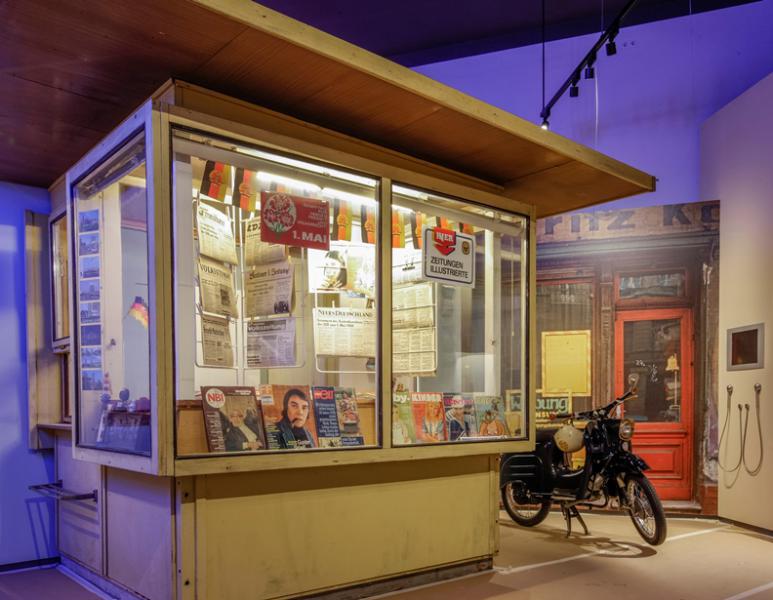
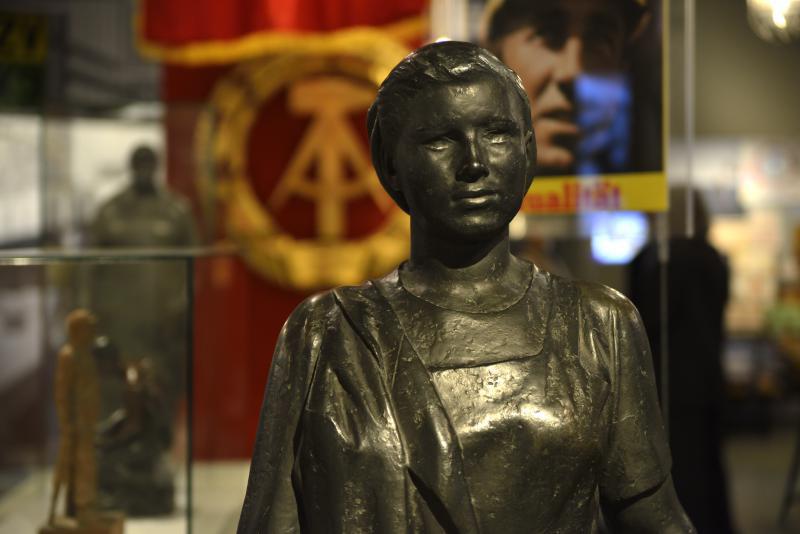
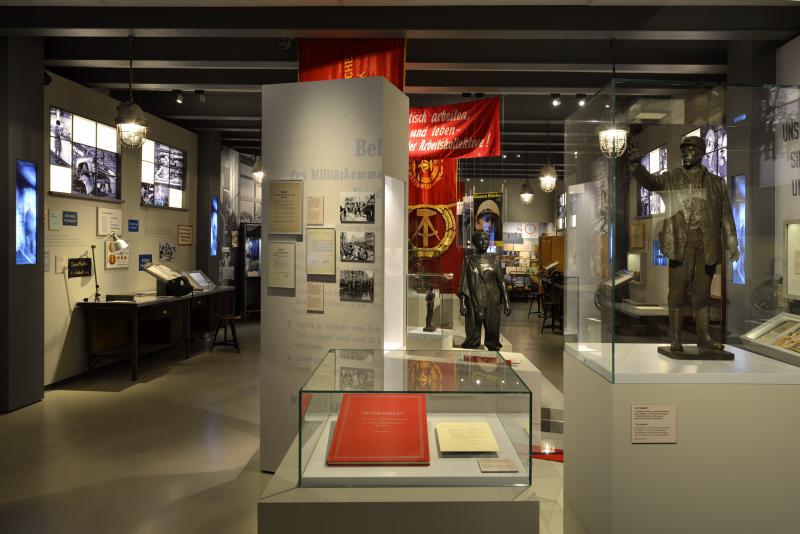
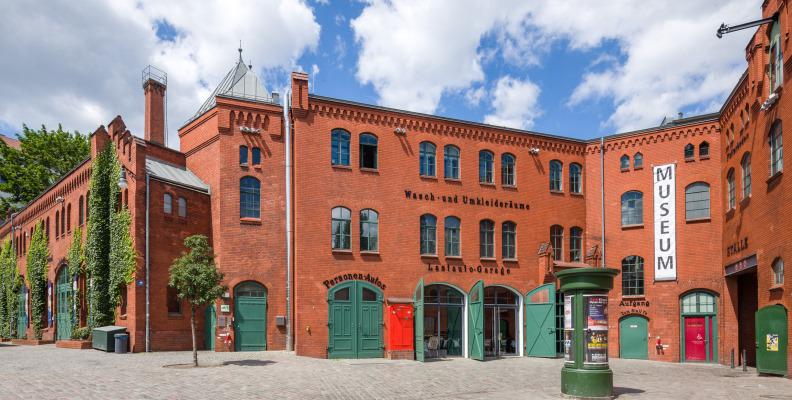
The permanent exhibition of the museum of Kulturbrauerei in Prenzlauer Berg is dedicated to the day-to-day life in the GDR.
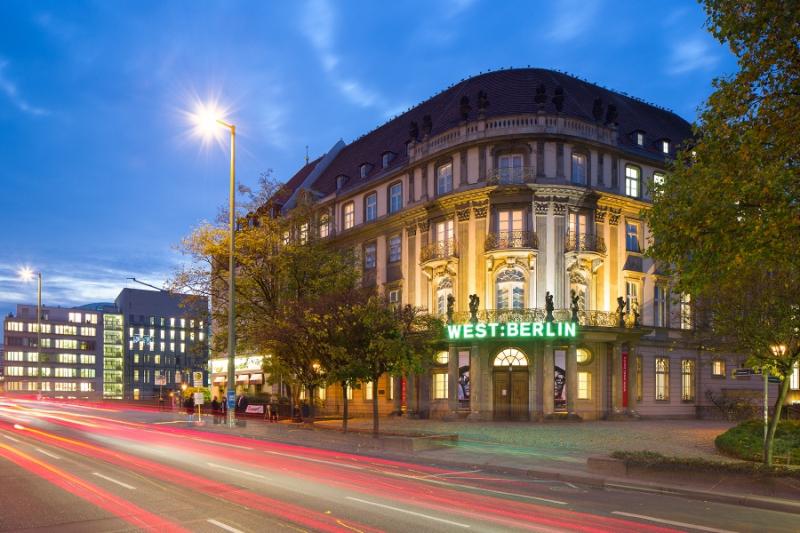
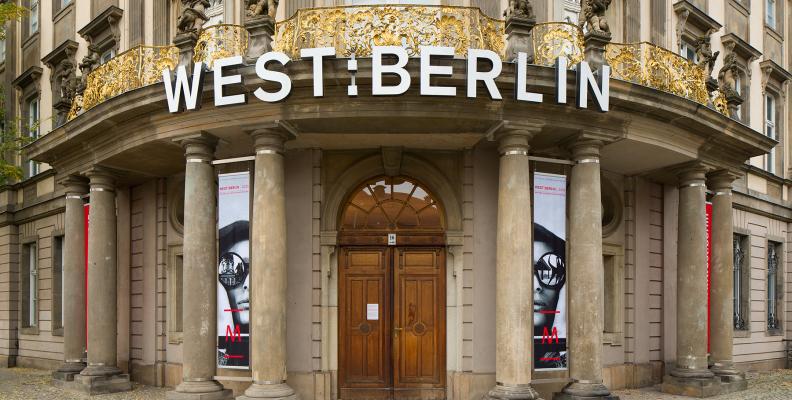
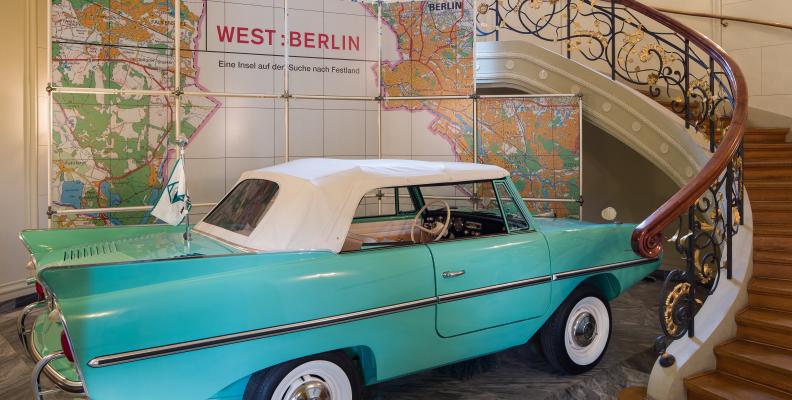
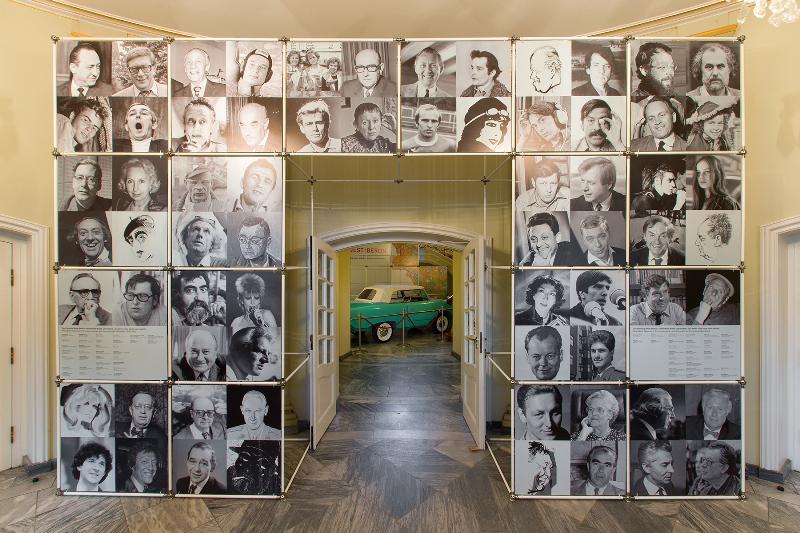
On the occasion of the 25th anniversary of the collapse of the Berlin Wall, Stadtmuseum Berlin deals with the insular city that West-Berlin was dedicating it the exhibition "WEST:BERLIN - an island in search of the mainland".