Sledding | Top10 Berlin
The perfect Berlin experience:
Gift the Top10 Experience Box now!
Top10 Berlin

Sledding

11 Locations

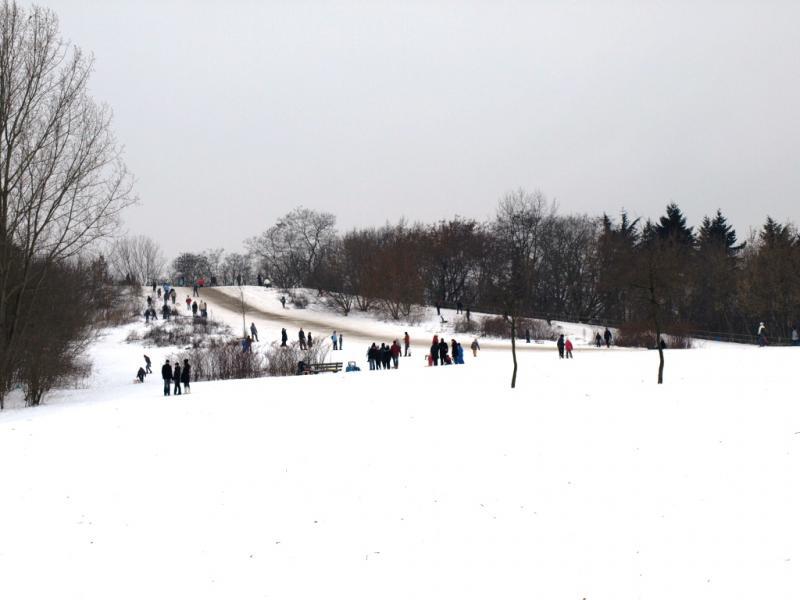
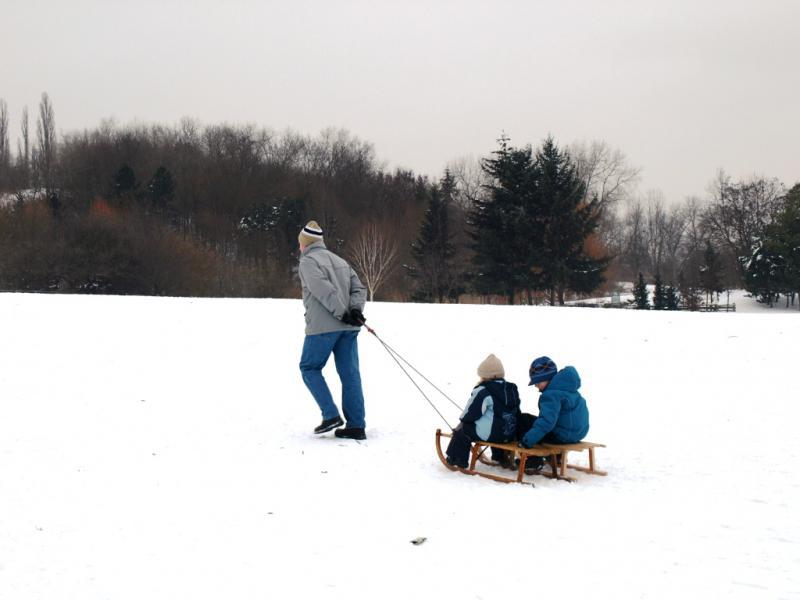
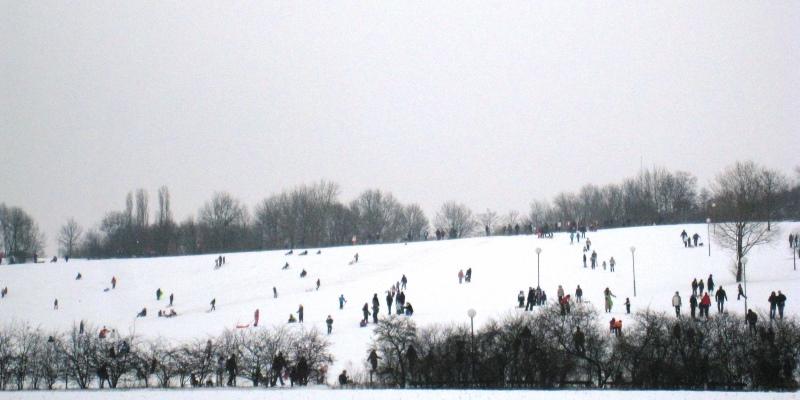
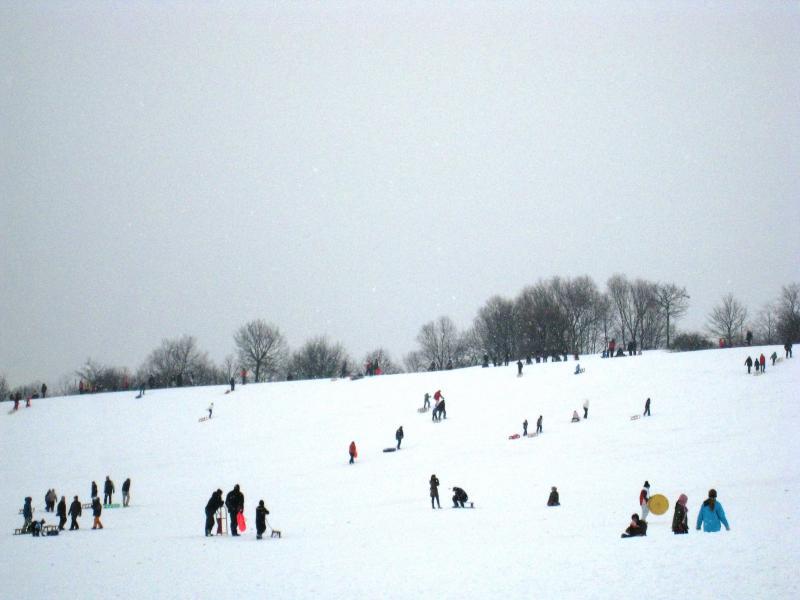
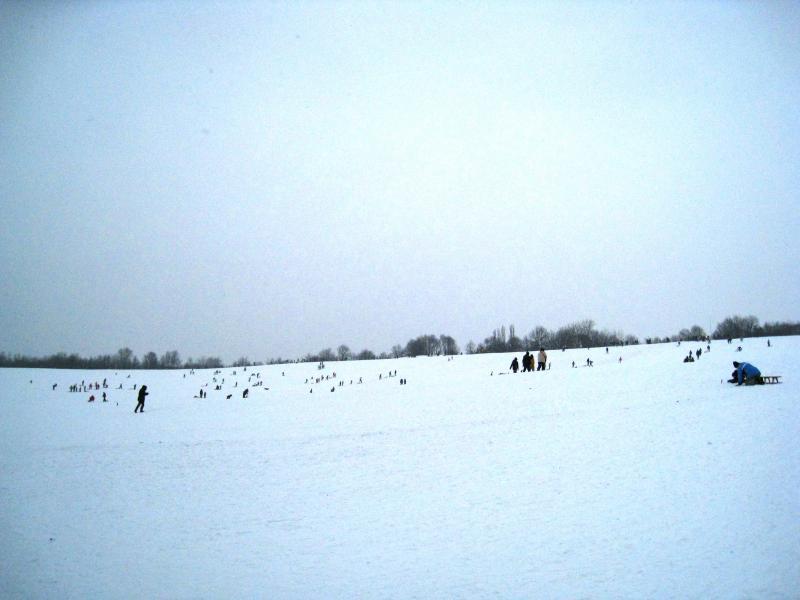
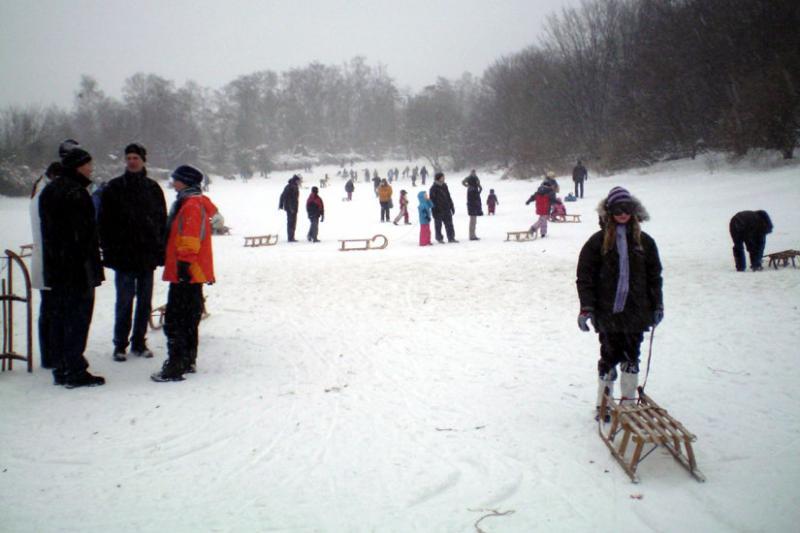
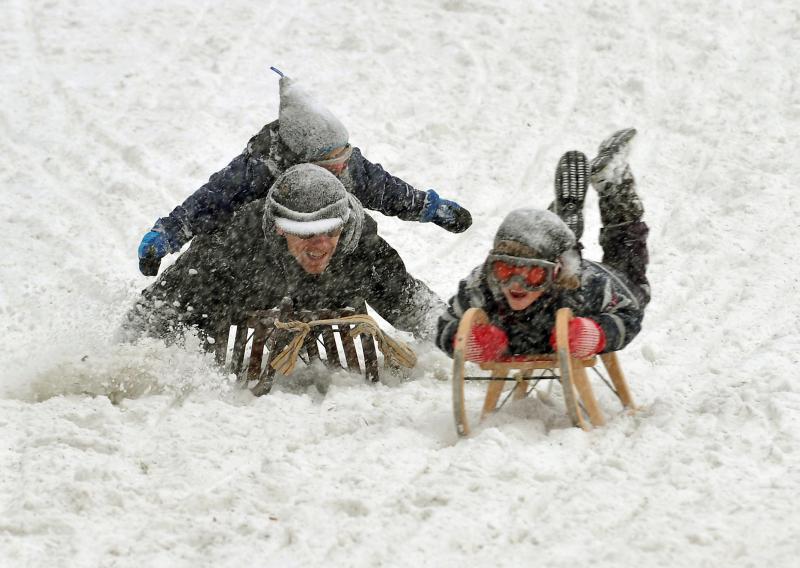
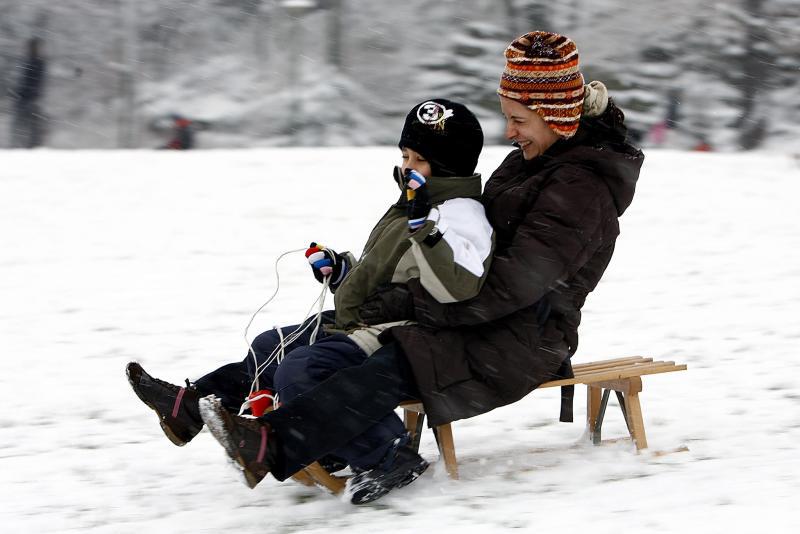
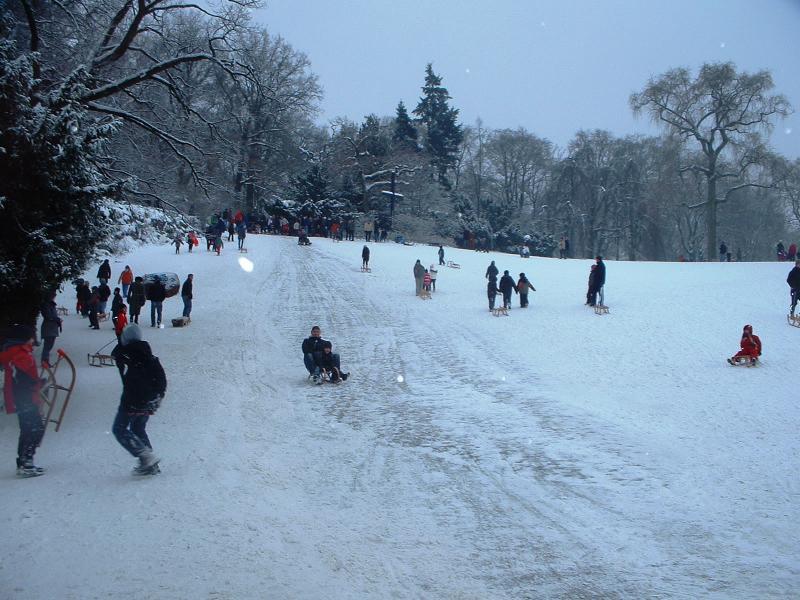
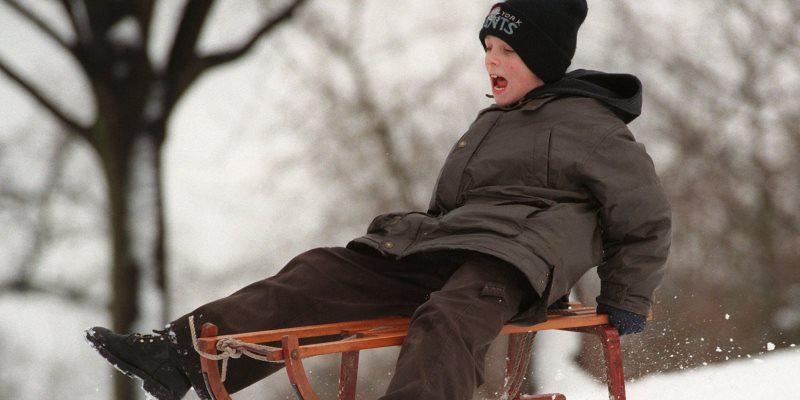
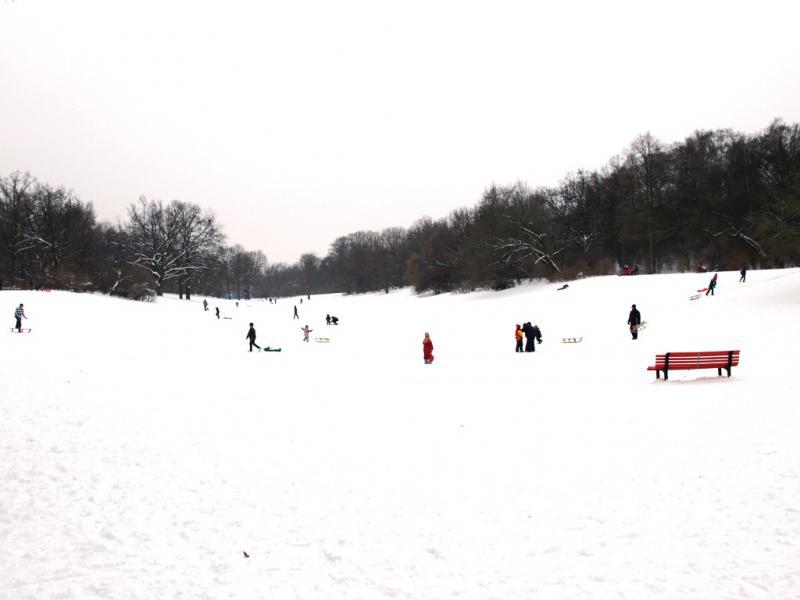
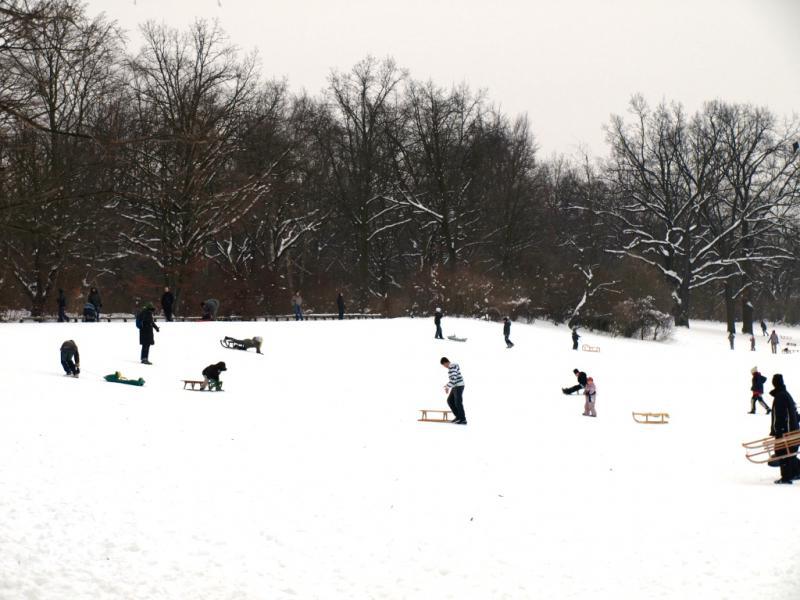
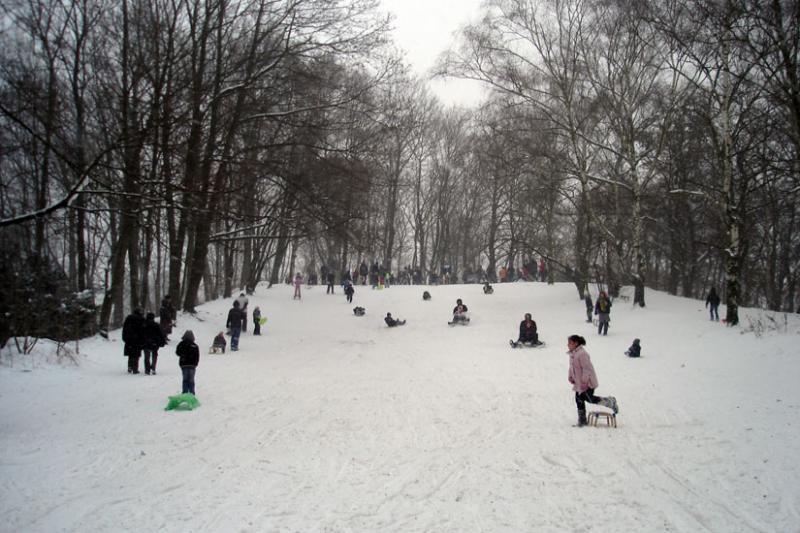
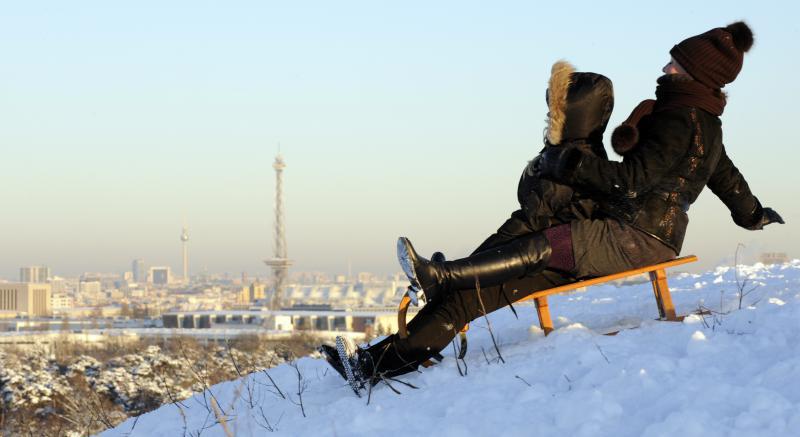
Sledding is a joyful winter tradition in Berlin, with families flocking to snowy hills when the flurries fall. From the Kreuzberg in Viktoriapark to Teufelsberg and park slopes, sledding turns a cold day into fun for children and adults alike.

This overview gathers Berlin locations for sledding, from steep park hills to gentle slopes for small children. Some focus on classic toboggan runs, others on wide, family-friendly hills and nearby spots for warming up afterwards.

Browse the places below to find the best sledding in Berlin, compare hills and facilities, and plan your visit.

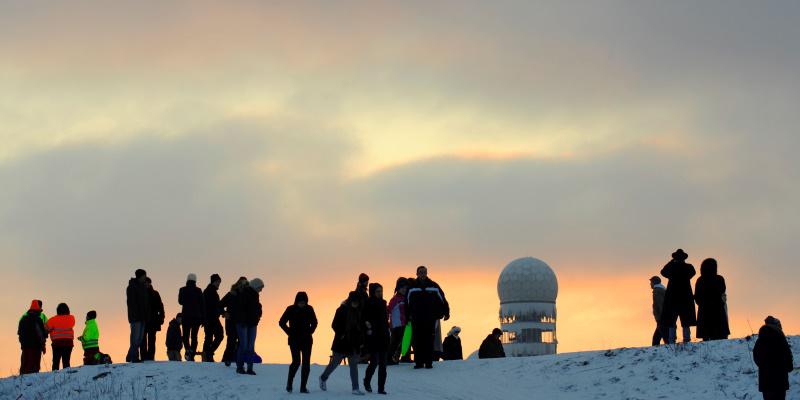
At 120.1 meters, Teufelsberg in Grunewald is Berlin's highest elevation and consists of approximately 26 million cubic meters of war debris, about a third of Berlin's rubble. Beneath the debris lies the demolished shell of a Nazi-era university, above stand the domes of the old listening station, and tobogganing takes place on its slopes.

See more
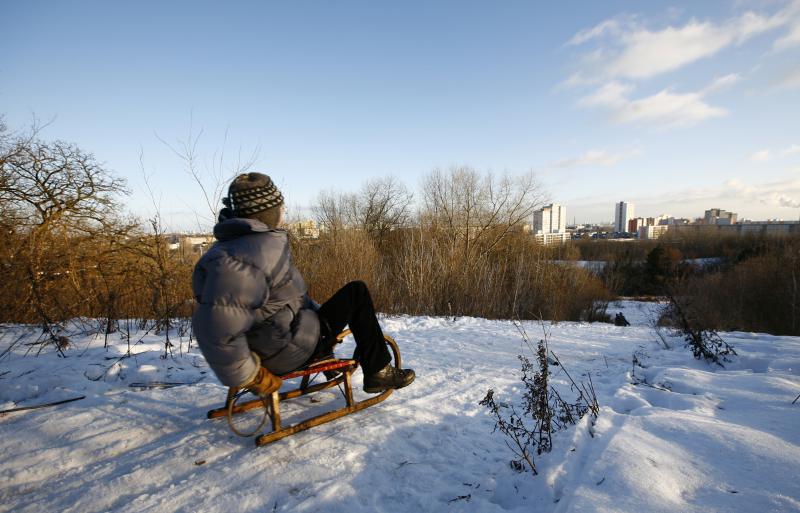
The Oderbruchkippe in Volkspark Prenzlauer Berg is a double hill of around 15 million cubic metres of rubble, much of it from the destroyed Alexanderplatz, rising almost forty metres above the surrounding streets. Its highest point, the Pappelplateau, reaches 90.9 metres, the sledding slope runs out gently, and Riesling has grown up there since 2009.

See more

The toboggan hill in Lübars Leisure Park is officially called Lübarser Höhe, measures 85.3 meters, and is a covered landfill that locals in Reinickendorf still colloquially call Müllberg (Garbage Mountain). The ski and toboggan slope is 300 meters long and equipped with floodlights – making it one of the few illuminated slopes in the city.

See more

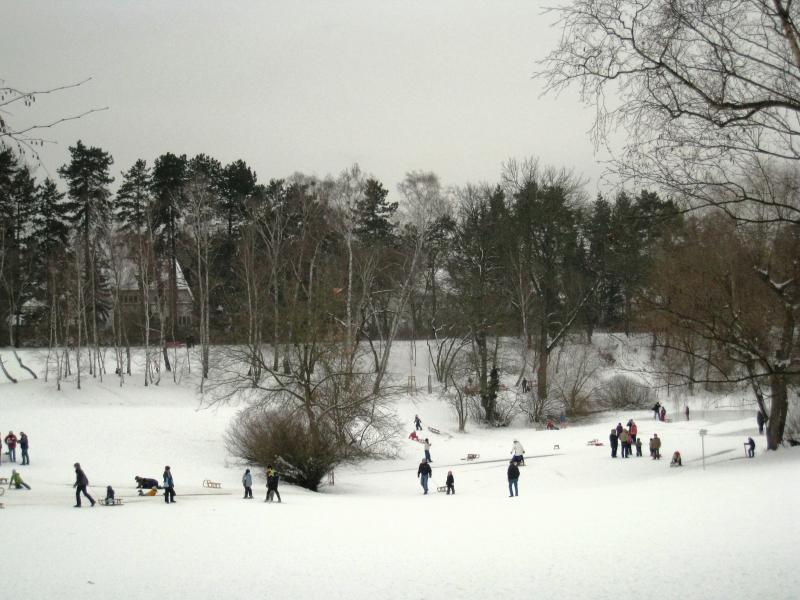
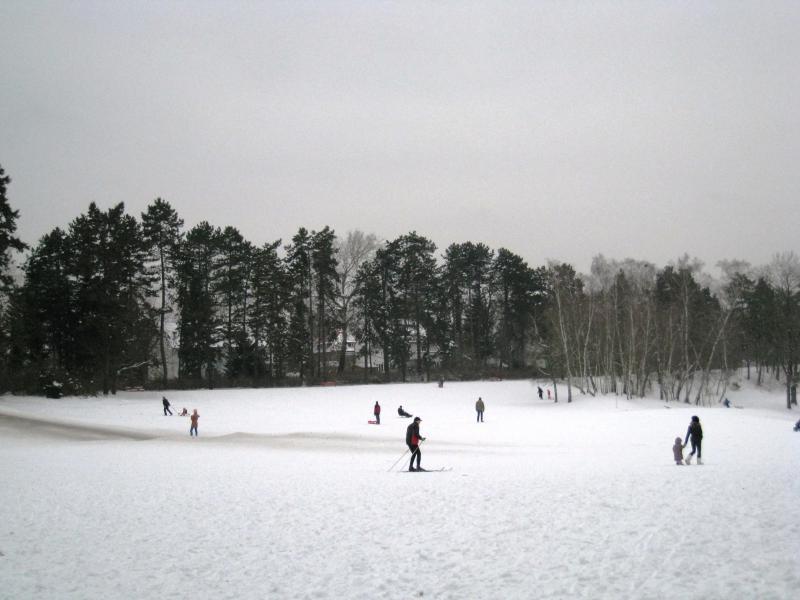
The Grunewald toboggan hill on Onkel-Tom-Straße is the only hill on this list that is not a rubble hill: it belongs to an ice-age meltwater channel and is located in Fischtalpark, a garden monument from 1925. The first fifty meters or so are steep, while the lower section becomes wider and flatter, making it suitable even for small children.

See more

The Hahneberg in Staaken is half nature, half rubble: originally 66 metres high, it was raised to 87 metres after the war with debris and construction waste. Inside lies the sunken Fort Hahneberg of 1888, a public observatory stands at 83 metres, and all around lie 37 hectares of nature and landscape conservation area.

See more

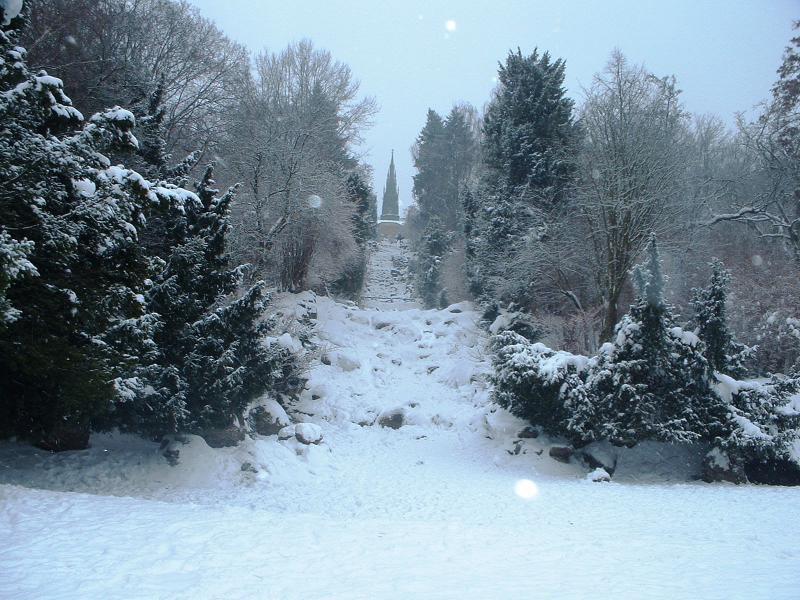
At 66 meters, Kreuzberg in Viktoriapark is Berlin's highest inner-city elevation, rising 32 meters above the glacial valley. At its summit stands Schinkel's cast-iron National Monument from 1821, a 24-meter artificial waterfall cascades down its northern side, and the toboggan run, with its varying slopes, faces Methfesselstraße.

See more

The sledding run in Volkspark Friedrichshain lies on the eastern slope of the Kleiner Bunkerberg, beneath which a blown up flak tower is buried. Its breakneck descent once earned it the nickname Todesbahn; in 2021 the district terraced part of it, so it is now shorter and far safer. The bigger neighbour is called Mont Klamott.

See more

The Rixdorfer Höhe in Hasenheide is a rubble mountain made from approximately 700,000 cubic meters of debris, piled up in 1951, 68 meters high and 22 meters above the surrounding terrain. The path leads spirally upwards, the descent requires attention, and at the foot of the mountain lies one of Berlin's largest animal enclosures.

See more
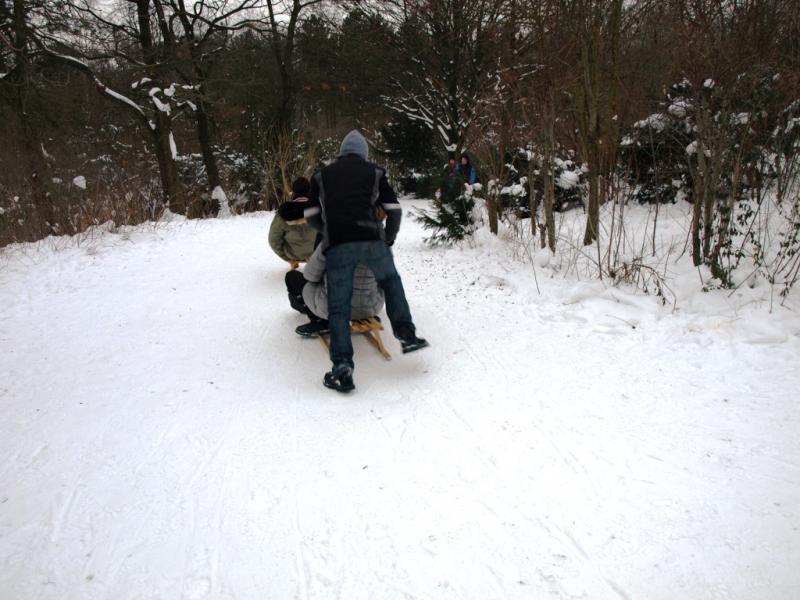
The toboggan hill in Humboldthain Volkspark is not Humboldthöhe, but the small bunker hill on the southern edge of the park, grown over a blown-up anti-aircraft guidance tower. The large neighboring hill features the preserved combat tower with an observation platform, climbing wall, and bat quarters - and in Mitte, toboggan runs are no longer officially designated.

See more