Our rating
5.0
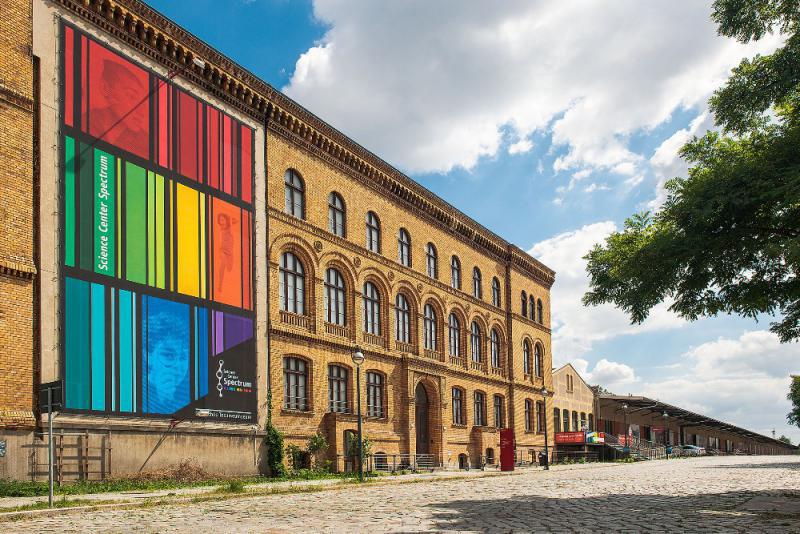
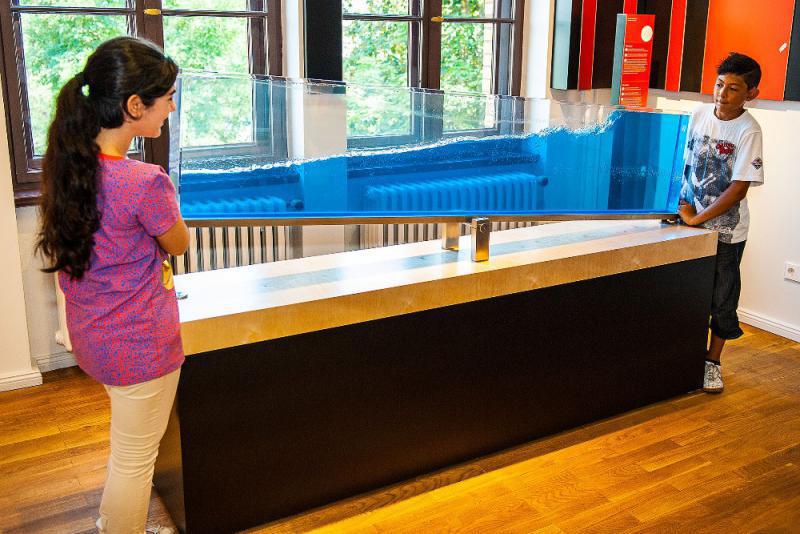
Touching is expressly desired in the colorful experimental world at the Science Center Spectrum in Berlin-Kreuzberg. On four floors, experiments are waiting for curious children and knowledgeable young explorers.
See more

13 Locations
Berlin is a city of science, home to great museums, universities and research institutes. From natural history to technology and space, science here is brought to life for curious minds. This overview gathers Berlin locations for the inquisitive.
The Natural History Museum, the German Museum of Technology and interactive science centres explore the natural and engineered world, while planetariums and observatories cover the cosmos. Universities and institutes open their doors for public lectures and events, and the city's long scientific heritage runs deep. There is inspiration for all ages.
Browse the venues below to explore science across Berlin, from natural history to technology and space.
Touching is expressly desired in the colorful experimental world at the Science Center Spectrum in Berlin-Kreuzberg. On four floors, experiments are waiting for curious children and knowledgeable young explorers.
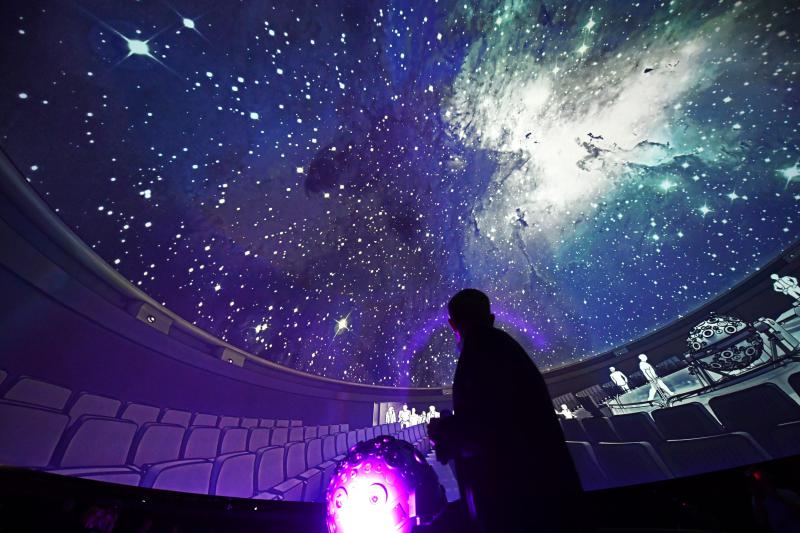
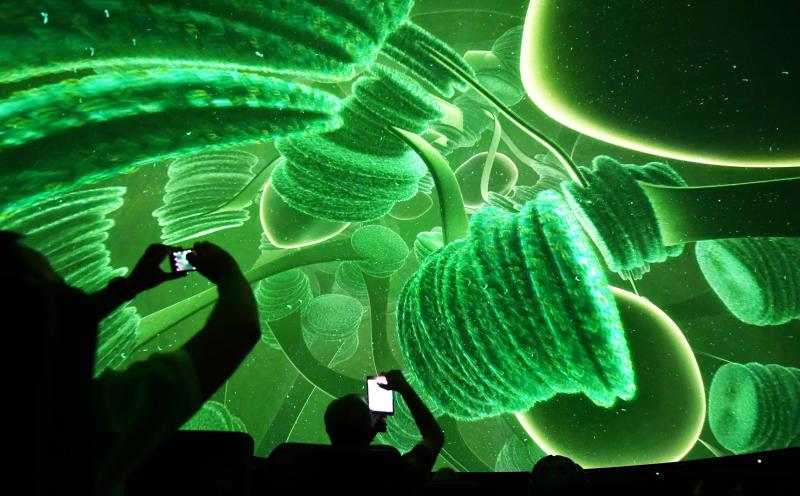
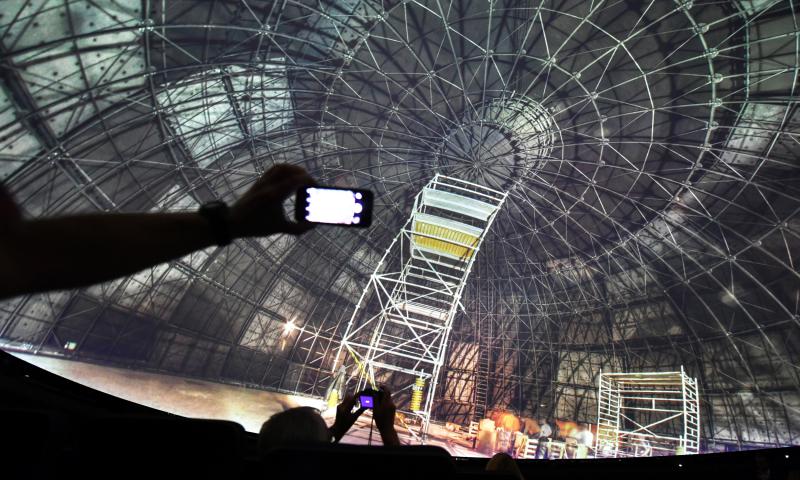
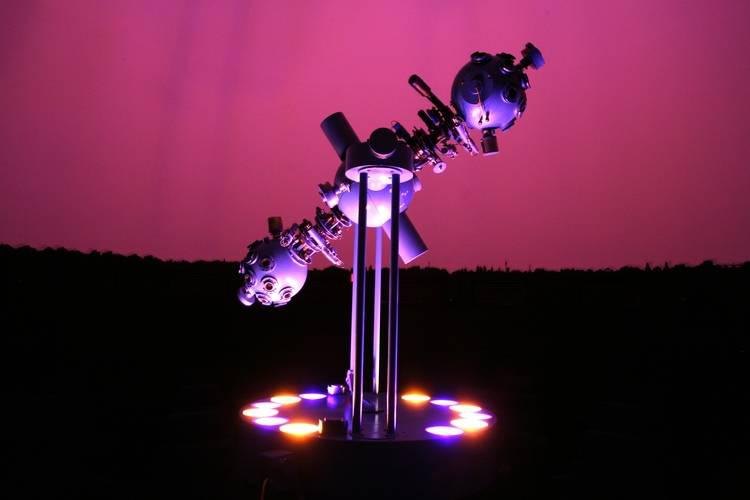
The silver dome on Prenzlauer Allee in Prenzlauer Berg is Berlin's window to space. The Zeiss Grand Planetarium is one of Europe's largest planetariums, captivating curious children and adults alike with its 360° fulldome experience, drawing them into the universe.
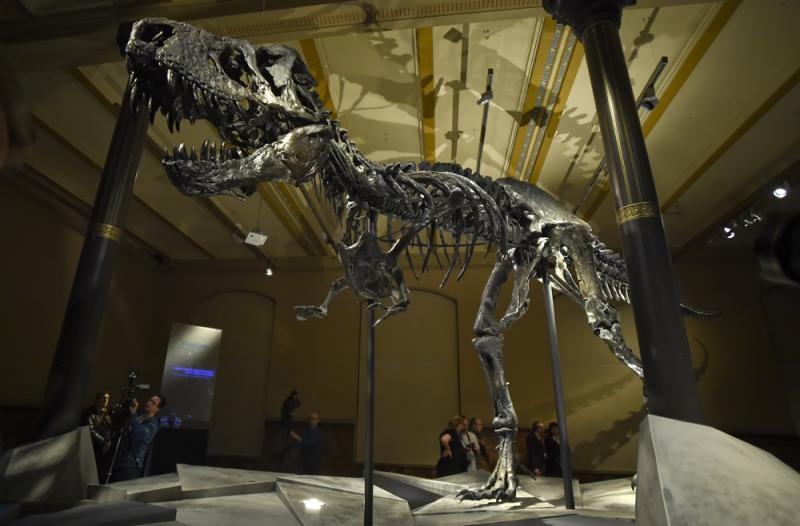
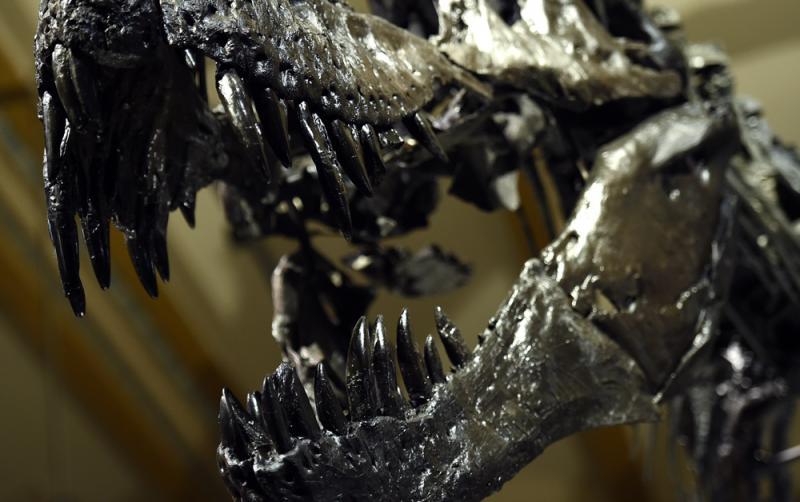
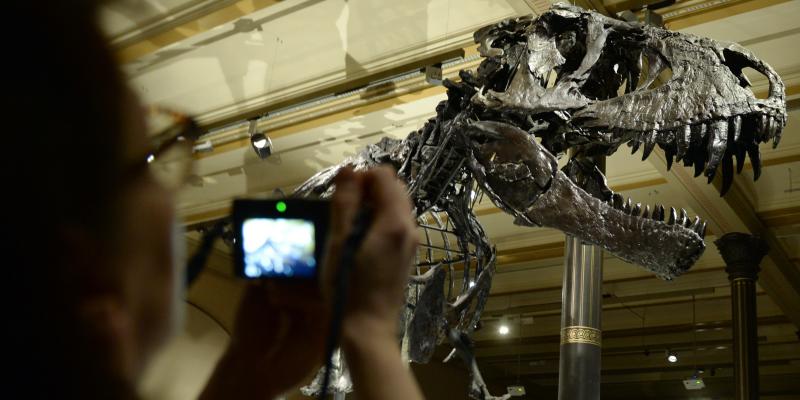
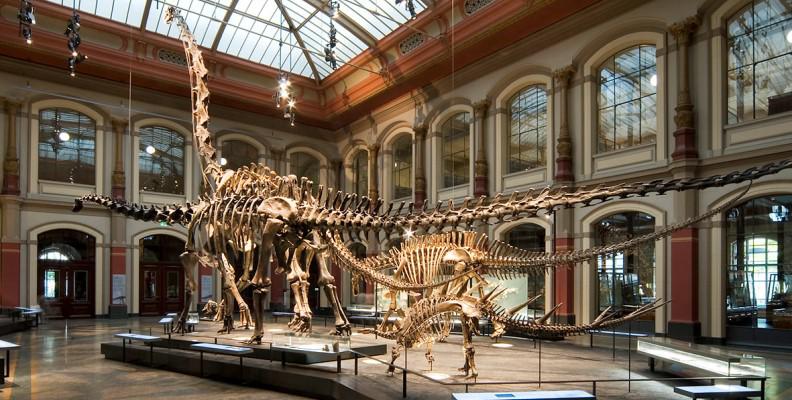
Located in Mitte, the Museum of Natural History houses over 30 million collection objects. The focus is on evolution and Earth's history – here, you're greeted by the world's tallest dinosaur and an exceptional meteorite archive.
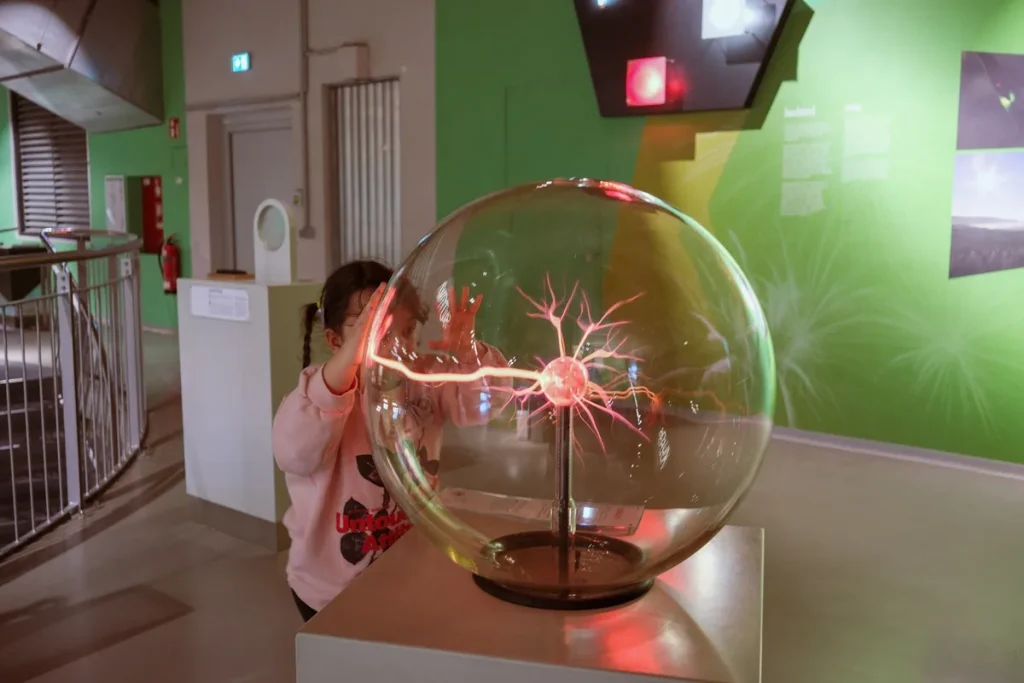
In the Kreuzberg Museum of Technology area, the Science Center Spectrum proves that natural science is not a school subject, but an experience. Over 150 interactive hands-on stations on four floors make physics and technology literally tangible for children aged 4 and up. One of Germany's oldest science centers, which has lost none of its fascination to this day.
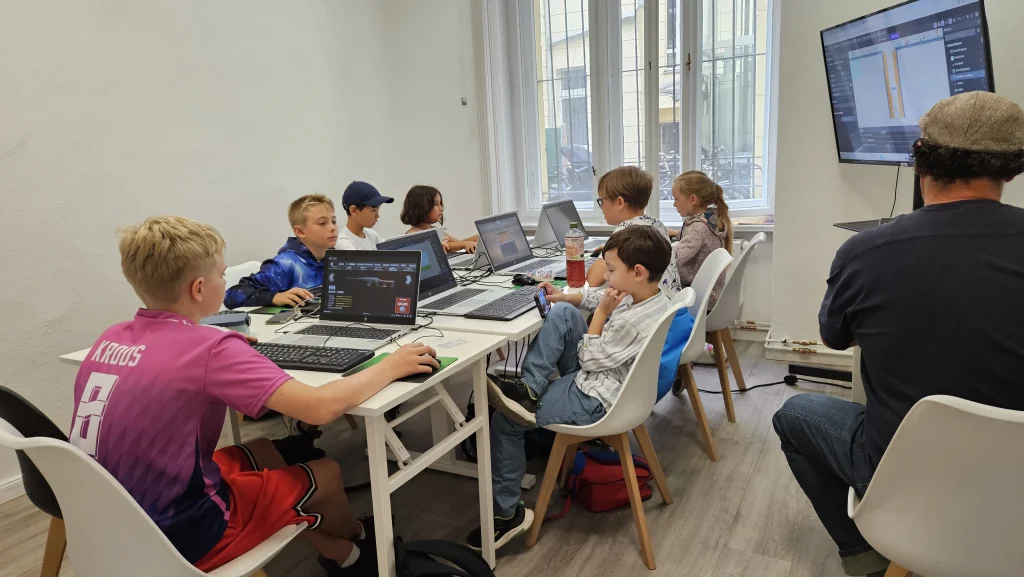
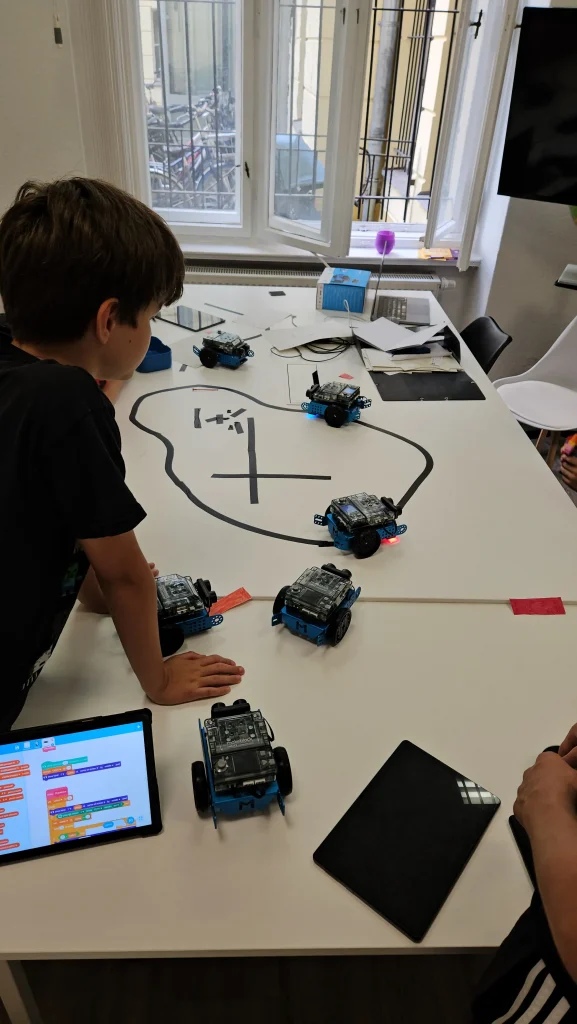
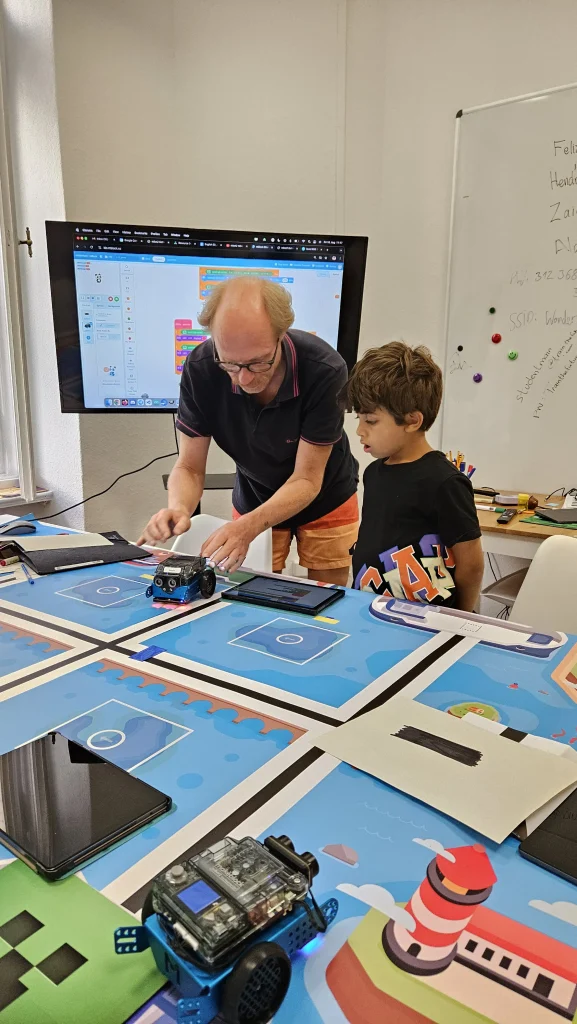
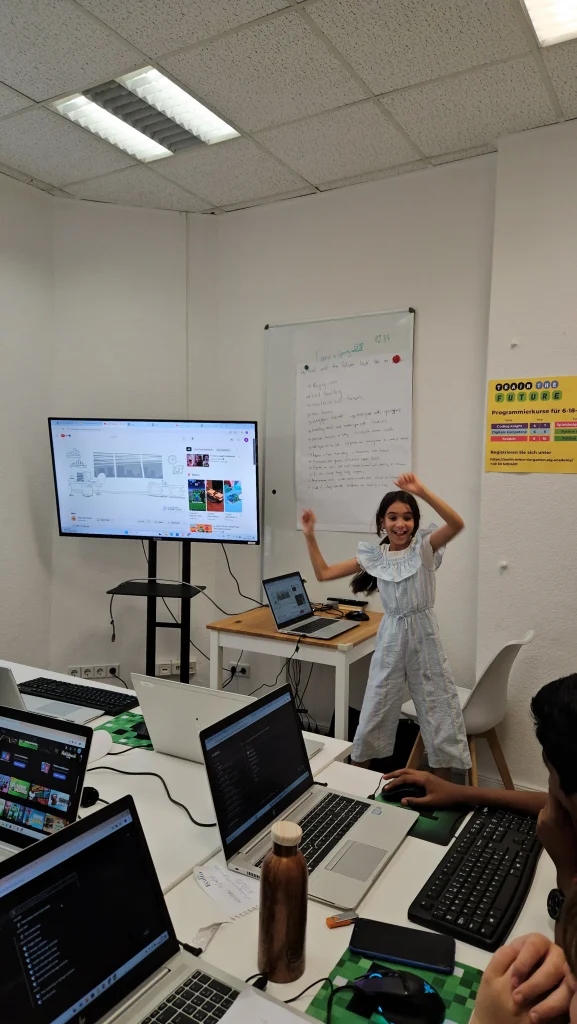
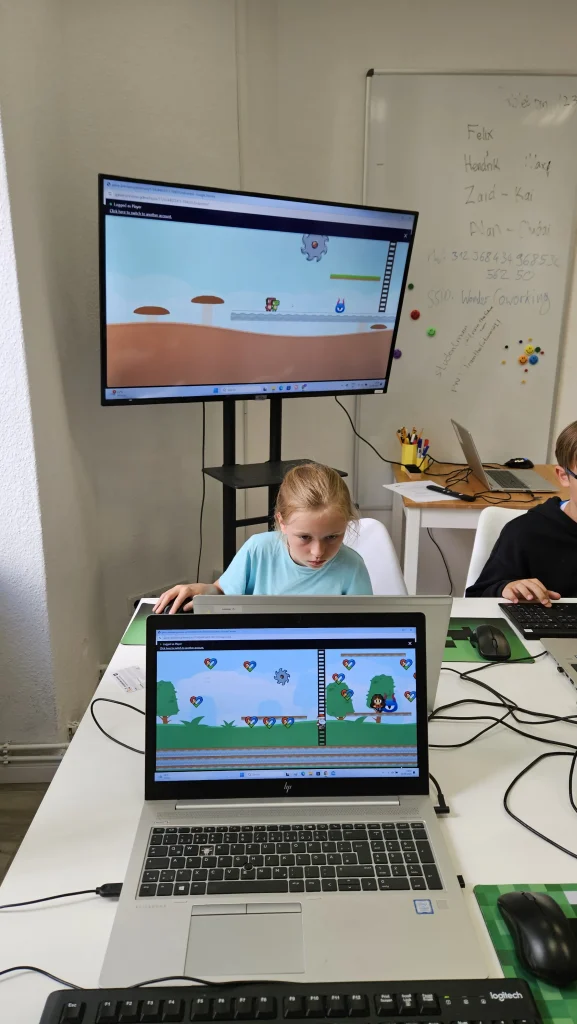
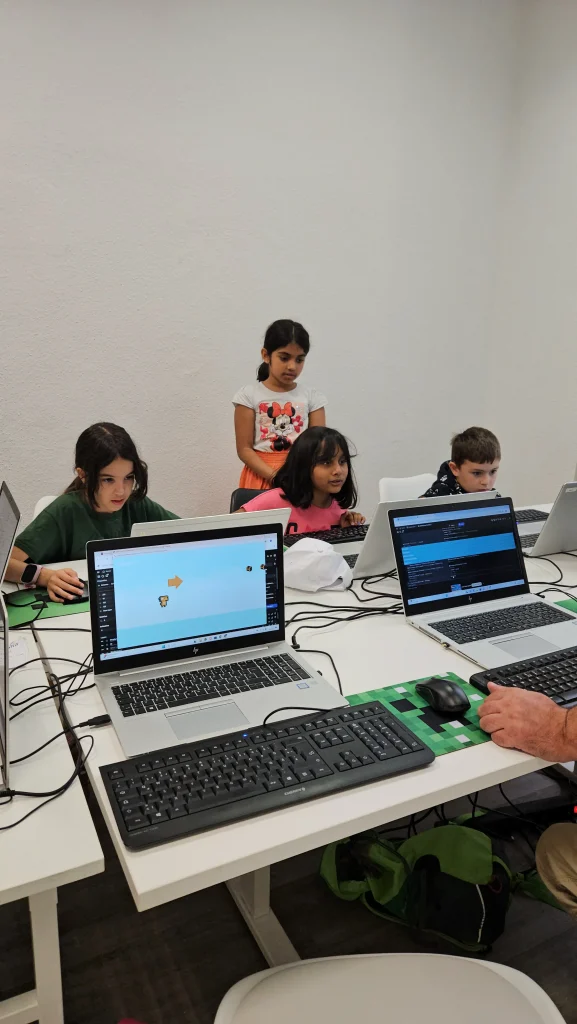
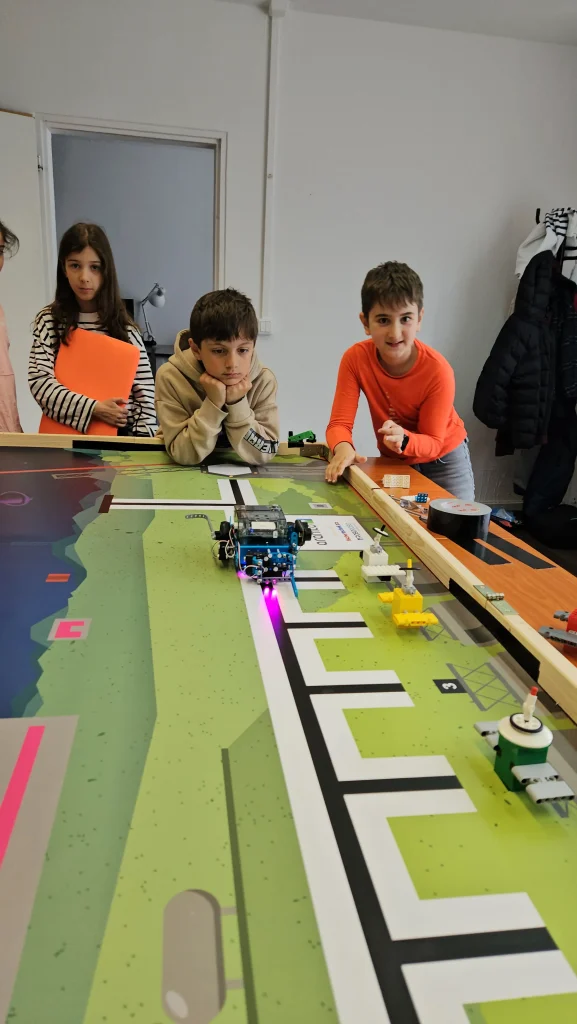
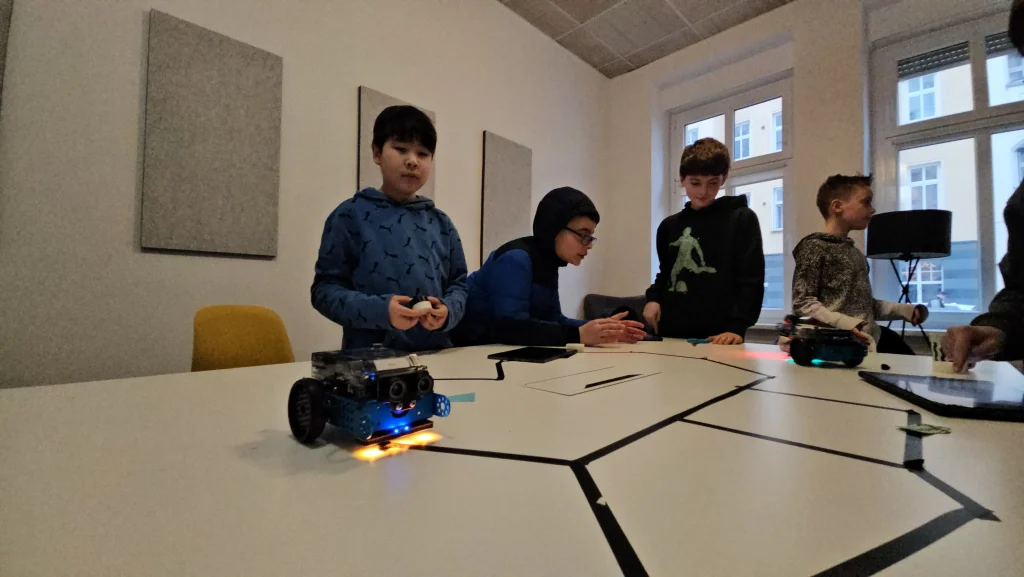
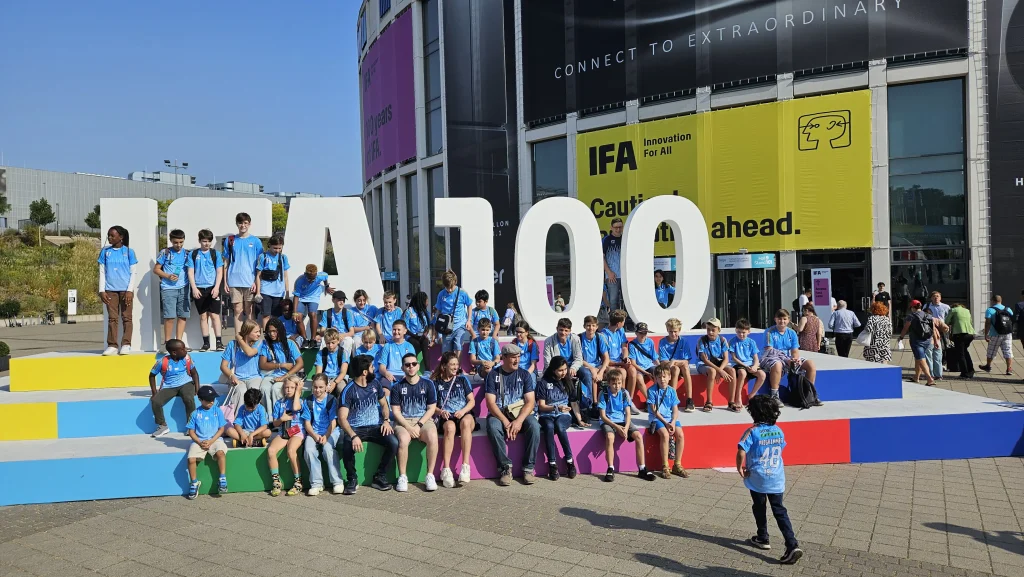
The programming school on Prenzlauer Allee teaches children and teenagers aged 5 to 18 in groups of a maximum of ten participants, from Scratch Jr to Python and robotics. Laptops and materials are provided by the school, and a trial lesson is free. As an indoor activity for children in Berlin, this is the option where something of their own is created at the end.
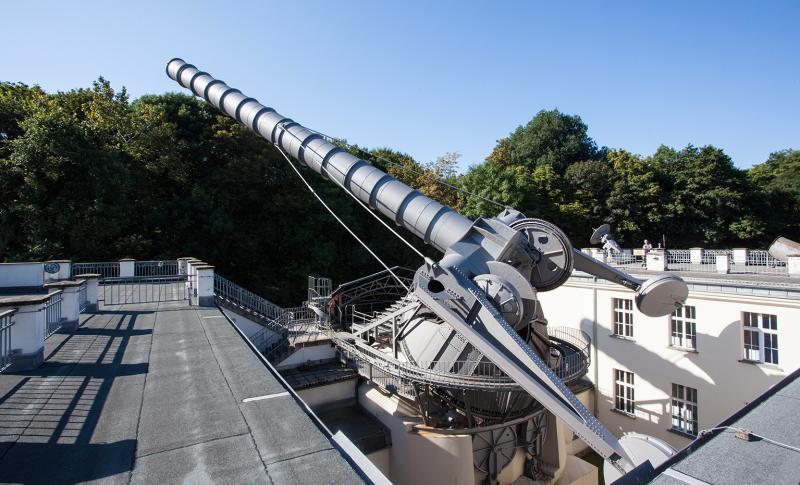
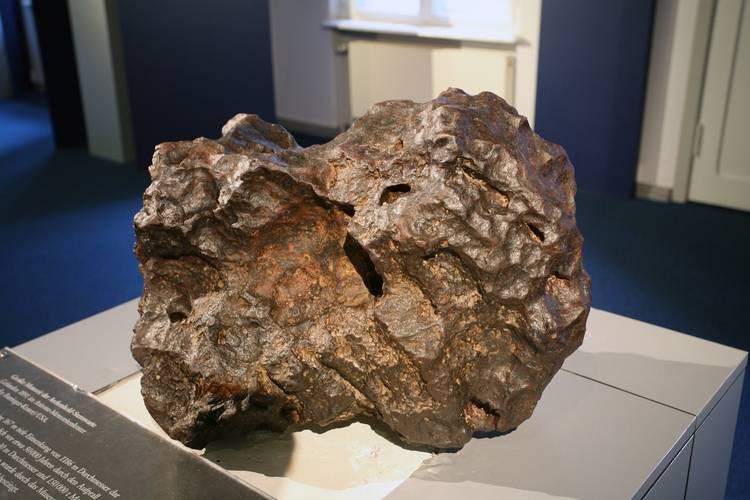
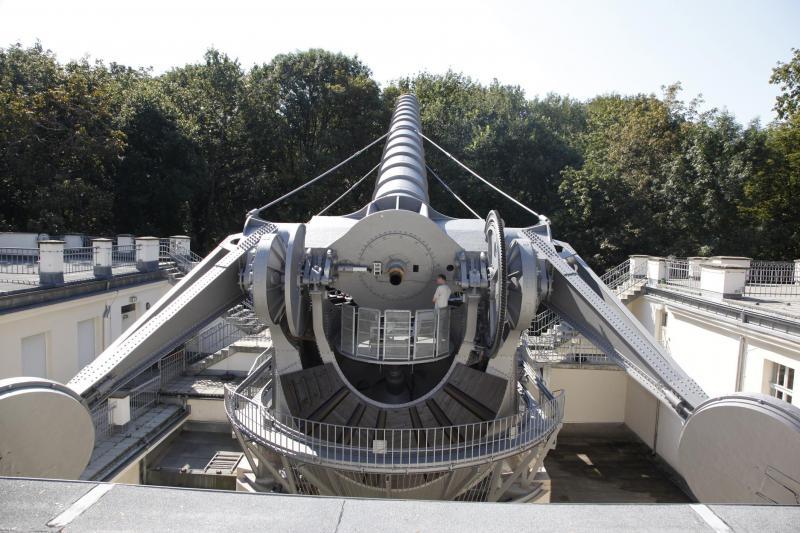
Since 1896, Treptower Park has been home to Germany's largest and oldest public observatory, featuring the 21-meter-long Great Refractor, the world's longest movable refracting telescope. In the Museum of Celestial Studies, a 283-kilogram iron meteorite can be touched, with free admission. Children's programs are available from 5 years old, offering amazing technology even without a clear sky.

Those who want to spend the Easter holidays with children without sacrificing a learning effect are in the right place at the Extavium in Potsdam. The hands-on museum by the canal transforms natural sciences into a tangible adventure, and during Easter, there's even a specially bookable slime experimentation course on top.

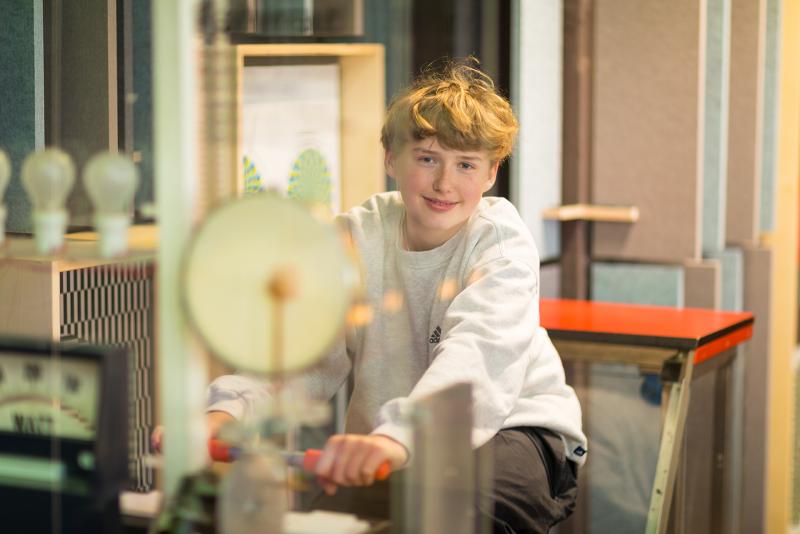
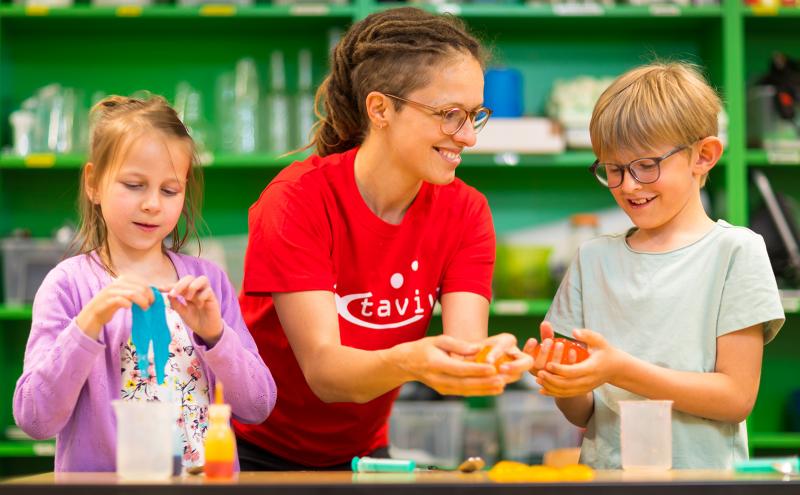
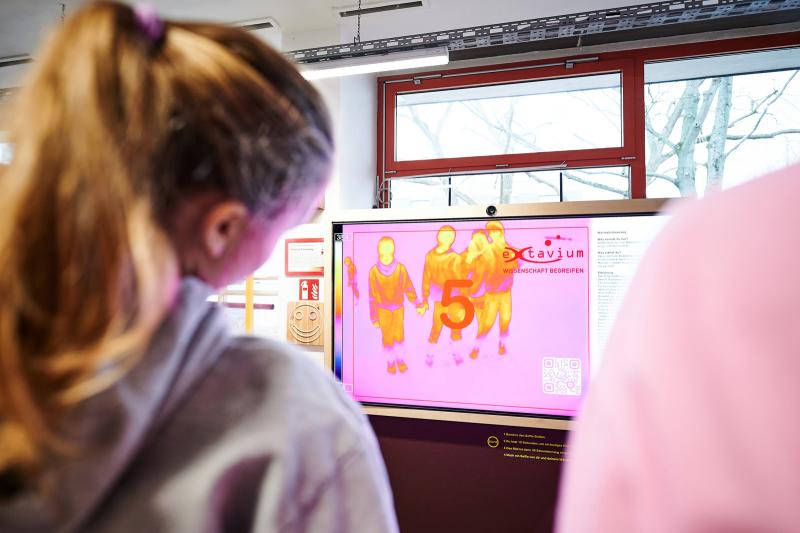
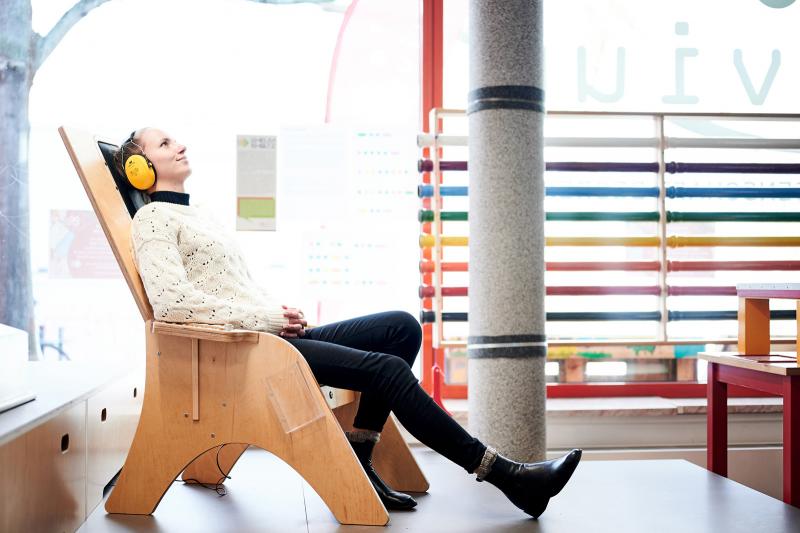
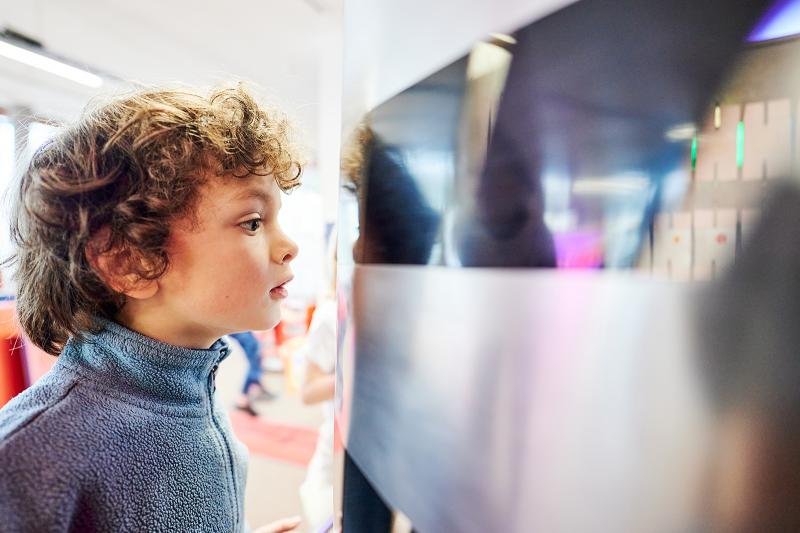
Potsdam's hands-on museum, known as Extavium until April 2024, features over 80 interactive exhibits from physics, chemistry, biology, and computer science. Children can dock at the ISS, watch chocolate kisses expand in a vacuum, and build mouse mazes. Experiment courses are available for ages 5 and up. For indoor activities with children, the short trip from Berlin to Potsdam is well worth it.

The Berlin Environmental Calendar by the Berlin Nature Conservation Foundation collects daily updated events related to nature and environment, from herb walks to bat observations. Usage is free, and many of the offers are also free of charge.
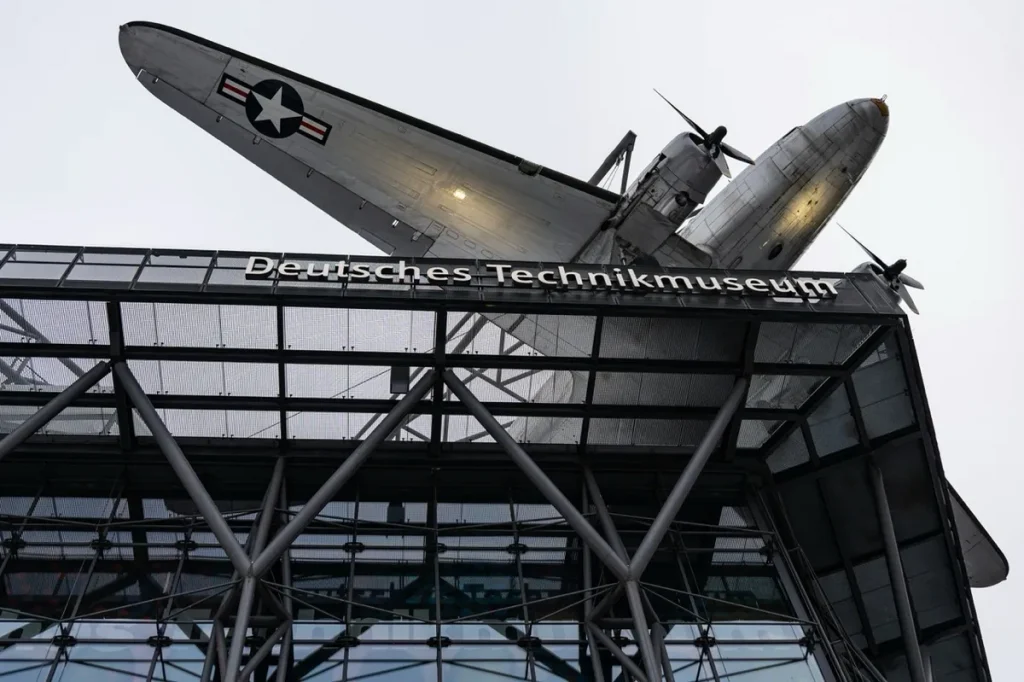
The German Museum of Technology at Gleisdreieck in Kreuzberg showcases steam locomotives, airplanes, ships, and historical computers on the grounds of the former Anhalter freight station. Admission is free for those under 18, and for everyone on Fridays from 13:00.
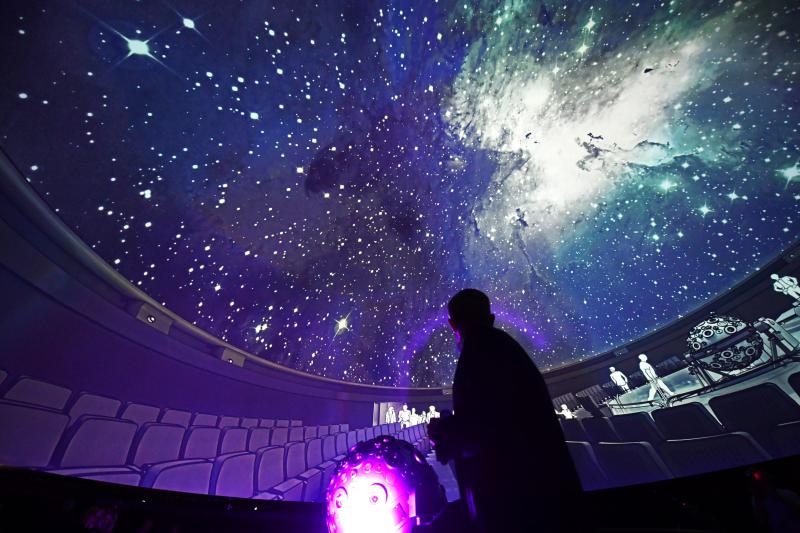
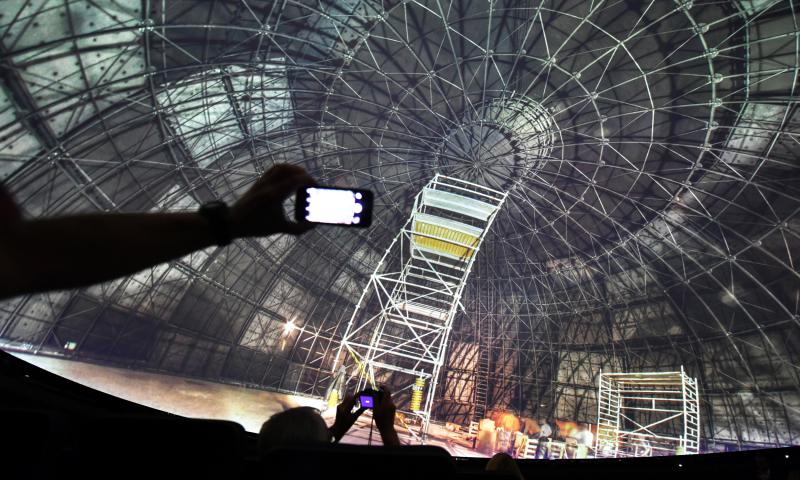
Under the silver dome in Prenzlauer Berg, the starry sky becomes the backdrop for a first date. The Zeiss-Grossplanetarium combines science, music, and atmosphere for an evening that's guaranteed to spark conversation.



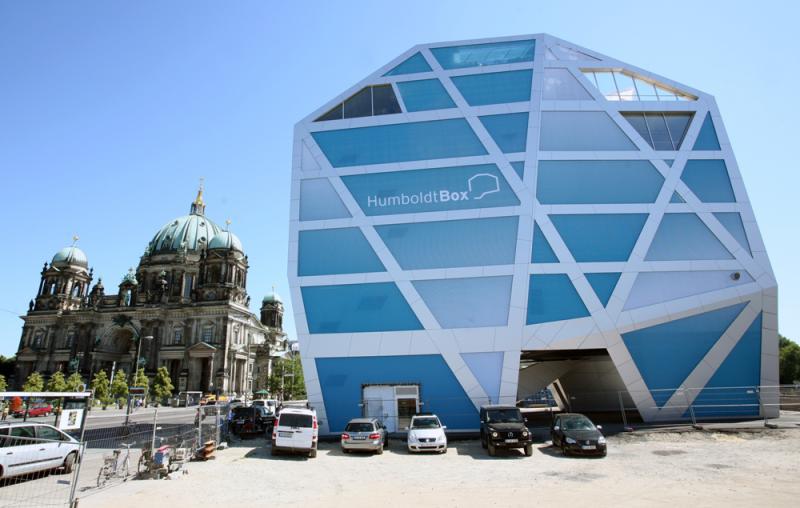
The Humboldt-Box near the Berlin Cathedral is permanently closed.