
Our rating
3.9
The Palace of Tears in Berlin-Mitte is the former departure hall from the GDR to the West.
See more

36 Locations - Page 2
The Berlin Wall divided the city for nearly three decades, and its traces are among Berlin's most powerful sights. From the East Side Gallery to the Memorial on Bernauer Straße, the berlin wall tells the story of division, escape and reunification.
This overview gathers Berlin locations connected to the berlin wall, from preserved segments and watchtowers to museums and documentation centres. Some focus on the history of the border, others on the art and memory that surround it today.
Browse the places below to explore the best Berlin Wall sites in Berlin, compare exhibitions and opening hours, and plan your visit.
The Palace of Tears in Berlin-Mitte is the former departure hall from the GDR to the West.


Bike tours instead of bus tours: Berlin on Bike starts in the courtyards of the Kulturbrauerei in Prenzlauer Berg, covering twelve to fifteen kilometers in three and a half hours, in groups of no more than thirteen people. Adults pay 35 Euros including rental bike and helmet, children up to eight years pay 9 Euros. Helmet and lock are included, e-bikes cost an additional 20 Euros.
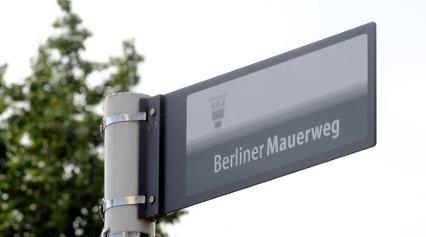
Over 160 kilometers, the Berlin Wall Trail follows the former border strip around West Berlin, divided into 14 stages between Lübars in the north and the Brandenburg countryside. More than a hundred overview maps and forty information stations explain what happened where along the way. Among the Berlin Wall sites, it is the only one you can travel for hours.
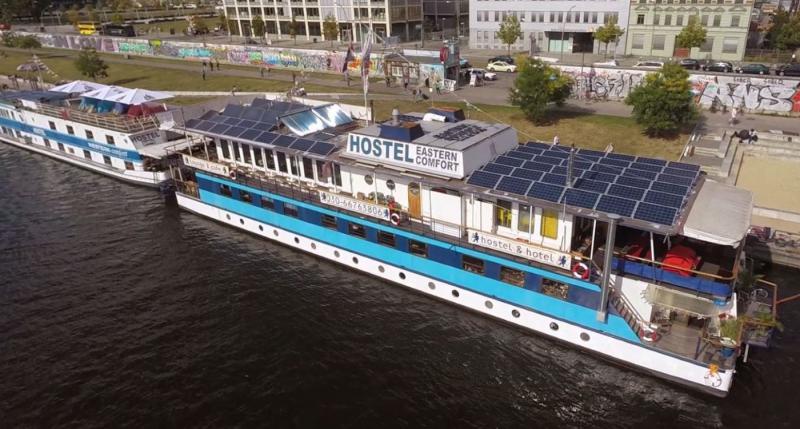
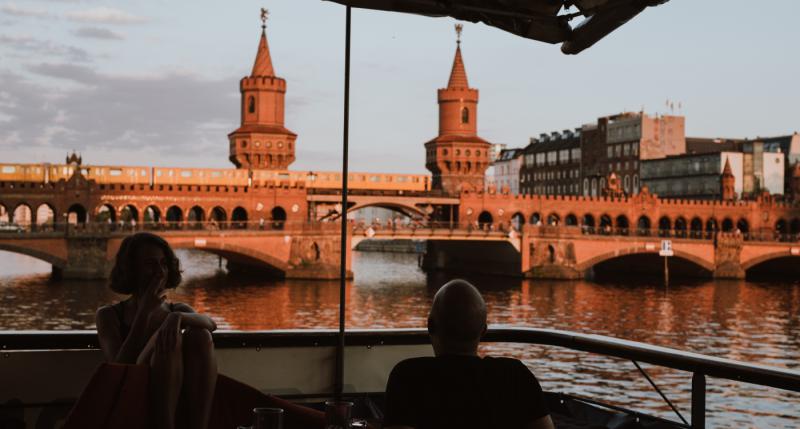
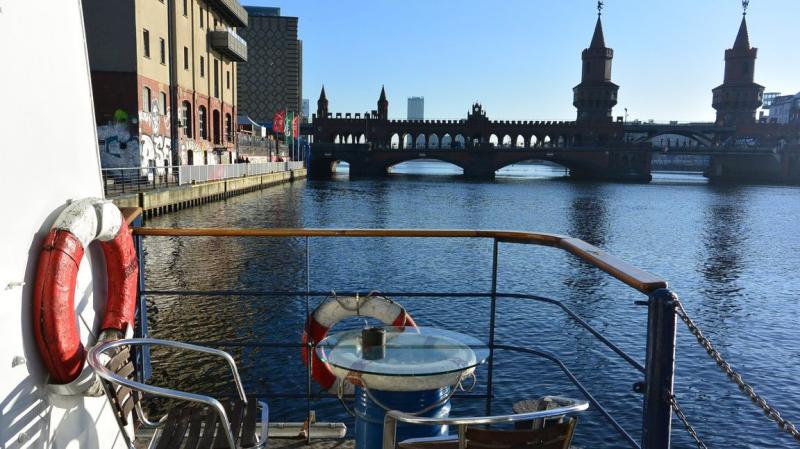
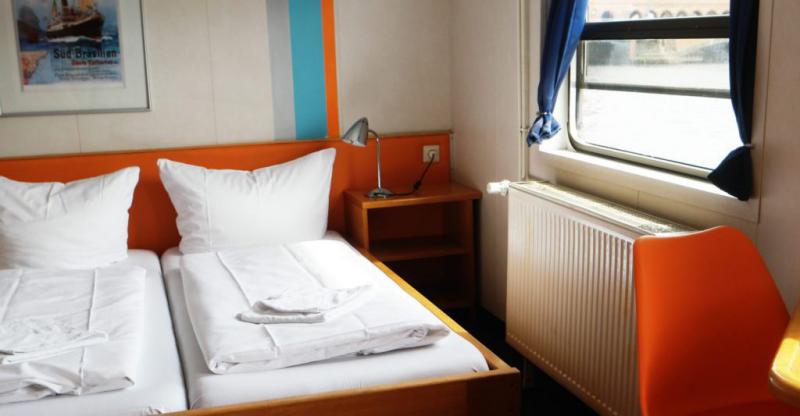
Two ships, one Spree, zero boredom: The Shipotel Berlin is located between Friedrichshain and Kreuzberg, directly on the East Side Gallery, offering overnight stays on the water instead of in a conventional hotel room. Those who want to experience Berlin differently sleep here in cabin beds with a view of the Oberbaumbrücke.
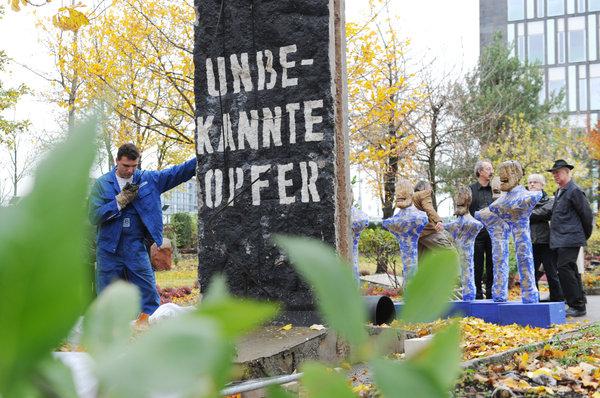
On approximately 2,850 square meters in the government district, Ben Wagin established the Parliament of Trees on the former border strip in 1990. A square of 16 trees was planted by the state premiers, and the names of 258 victims of the border regime are inscribed on granite slabs. Among the Berlin Wall sites, this is the greenest.
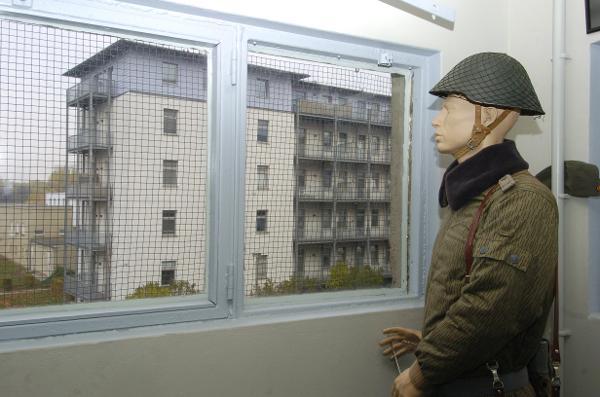
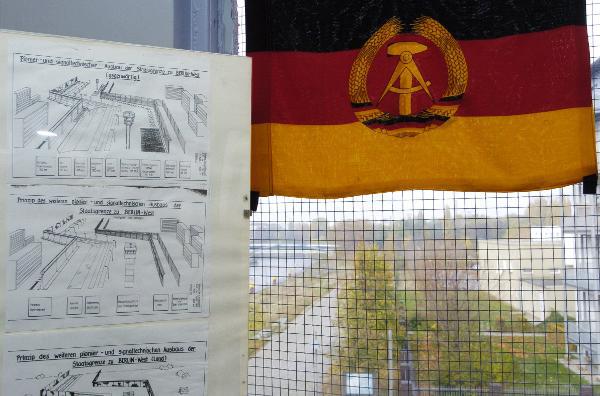
Eleven days after the Berlin Wall was built, Günter Litfin was shot dead on August 24, 1961, in Humboldthafen, becoming the first victim to die by gunfire at the Berlin Wall. The Günter Litfin Memorial is located in the former border tower at Kieler Eck, one of only three remaining towers in the city. His brother Jürgen saved it from demolition.
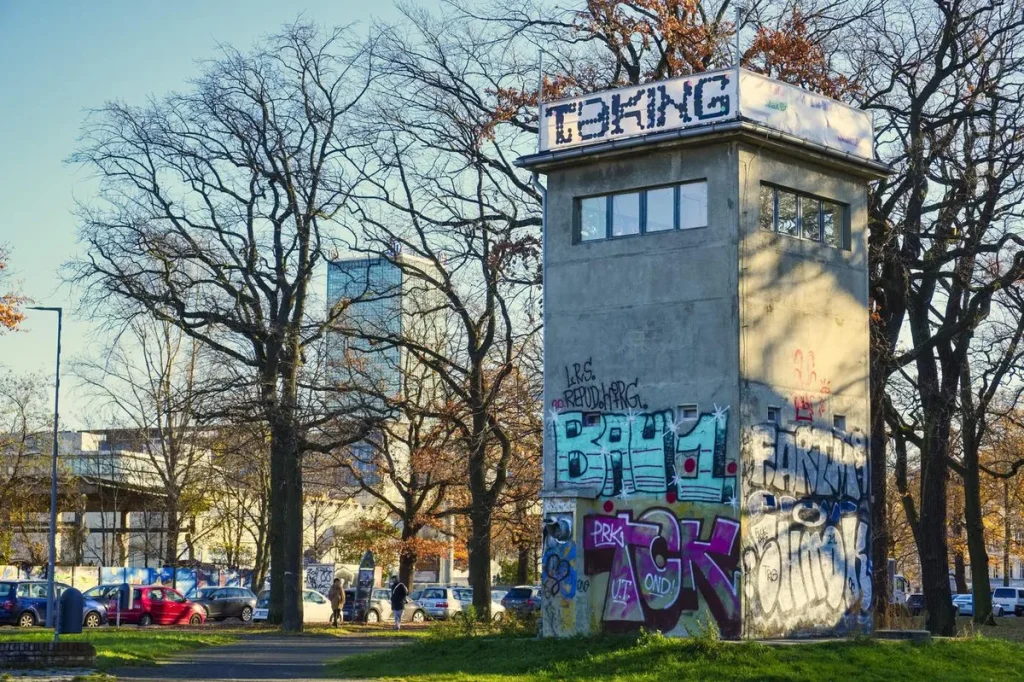
In Schlesischer Busch Park on Puschkinallee stands the GDR Watchtower, not a simple observation post, but a command center: From here, 18 watchtowers and the electronic security systems of this border section were controlled. Of 302 towers around West Berlin, three remain. Among the Berlin Wall sites, this is the most authentic.

On Zimmerstrasse in Kreuzberg, about 200 meters from the former Checkpoint Charlie, stands a 2.60-meter-high steel stele by Karl Biedermann. It marks the spot where 18-year-old Peter Fechter bled to death on August 17, 1962, after an escape attempt. No other Berlin Wall site makes the border regime so immediately tangible.
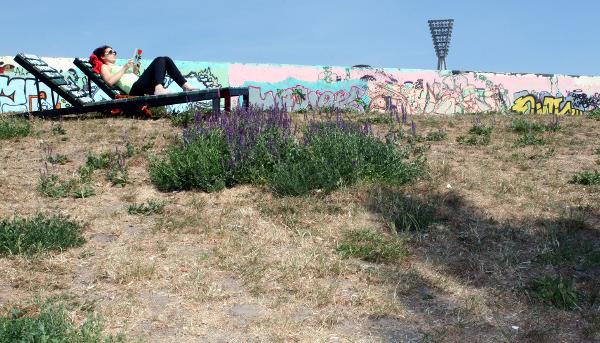
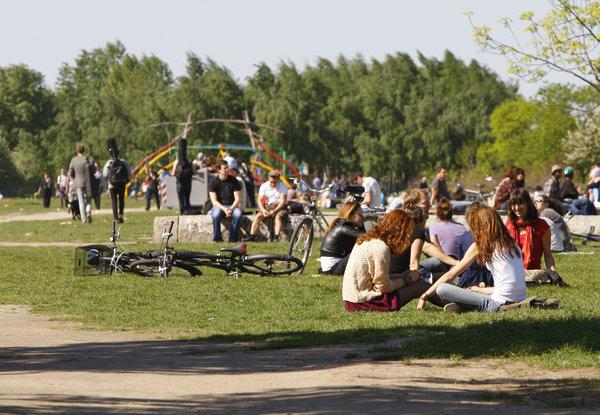
Where the death strip once ran between Prenzlauer Berg and Wedding, there are now almost 15 hectares of park. Behind the Friedrich-Ludwig-Jahn-Sportpark, about 300 meters of the original inner wall still stand, protected as a historic monument since 2001 and long covered in street art. Among Berlin Wall sites, Mauerpark is the most vibrant.
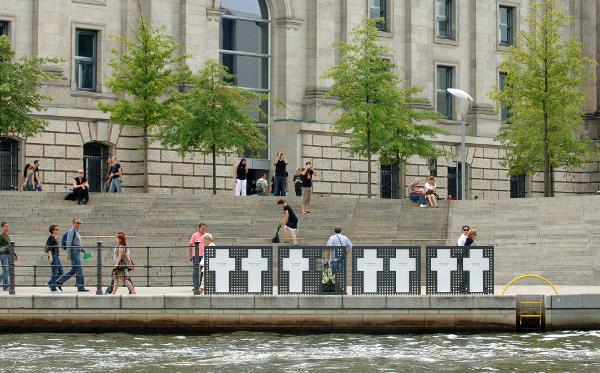
Behind the East entrance of the Reichstag, seven white wooden crosses hang in the Spree's riverbank railing, erected in 1971 by the Berliner Bürger-Verein. They name thirteen victims of the Berlin Wall, from Günter Litfin to Chris Gueffroy. The water at that time belonged to East Berlin; whoever jumped here was immediately in GDR sovereign waters.
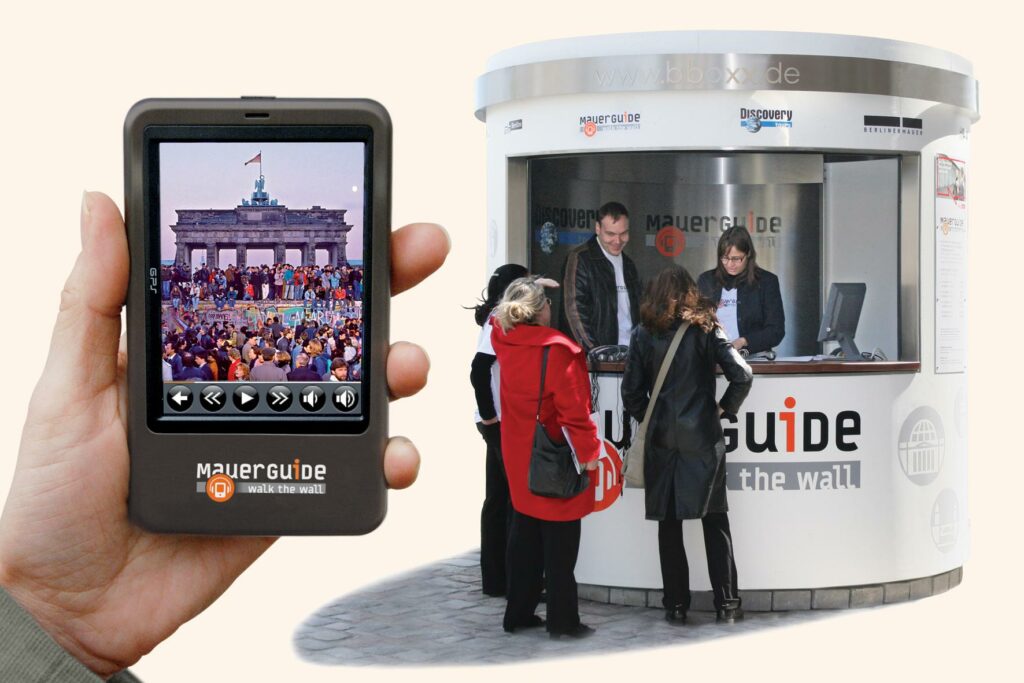
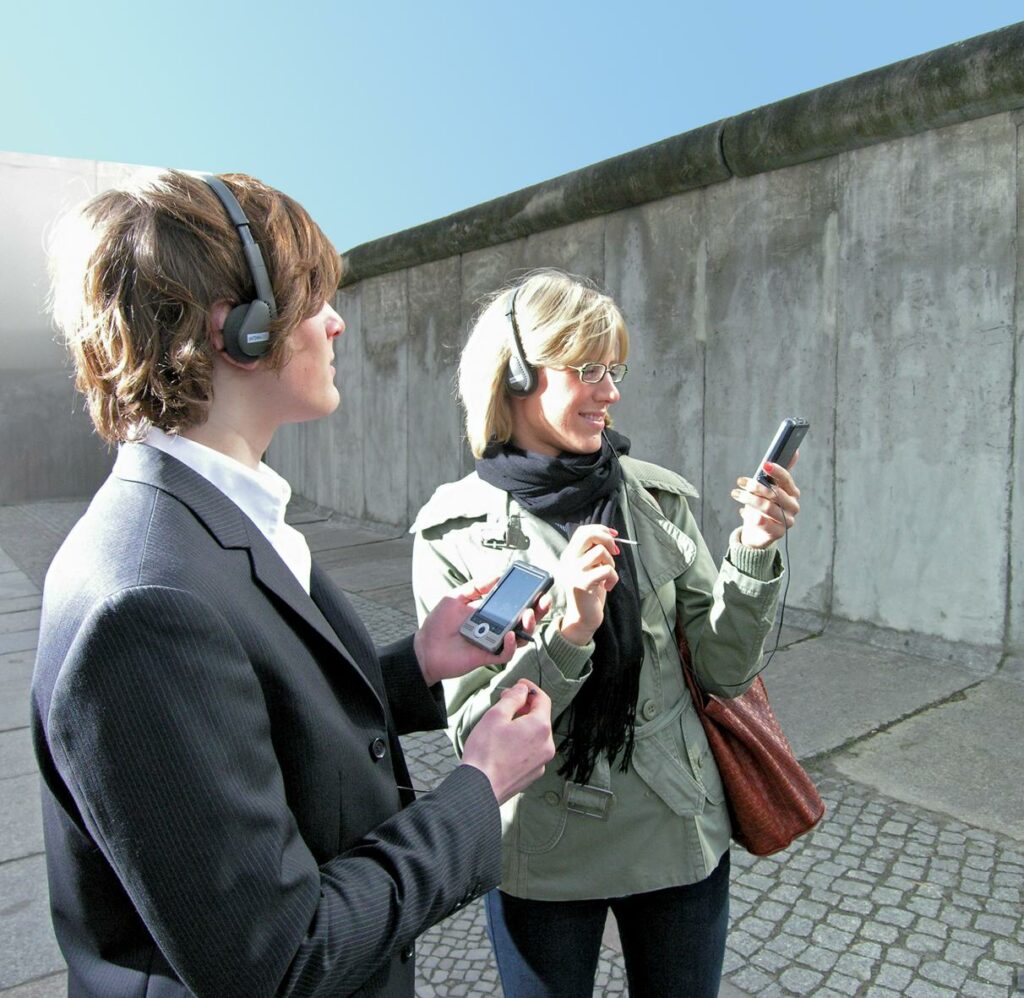
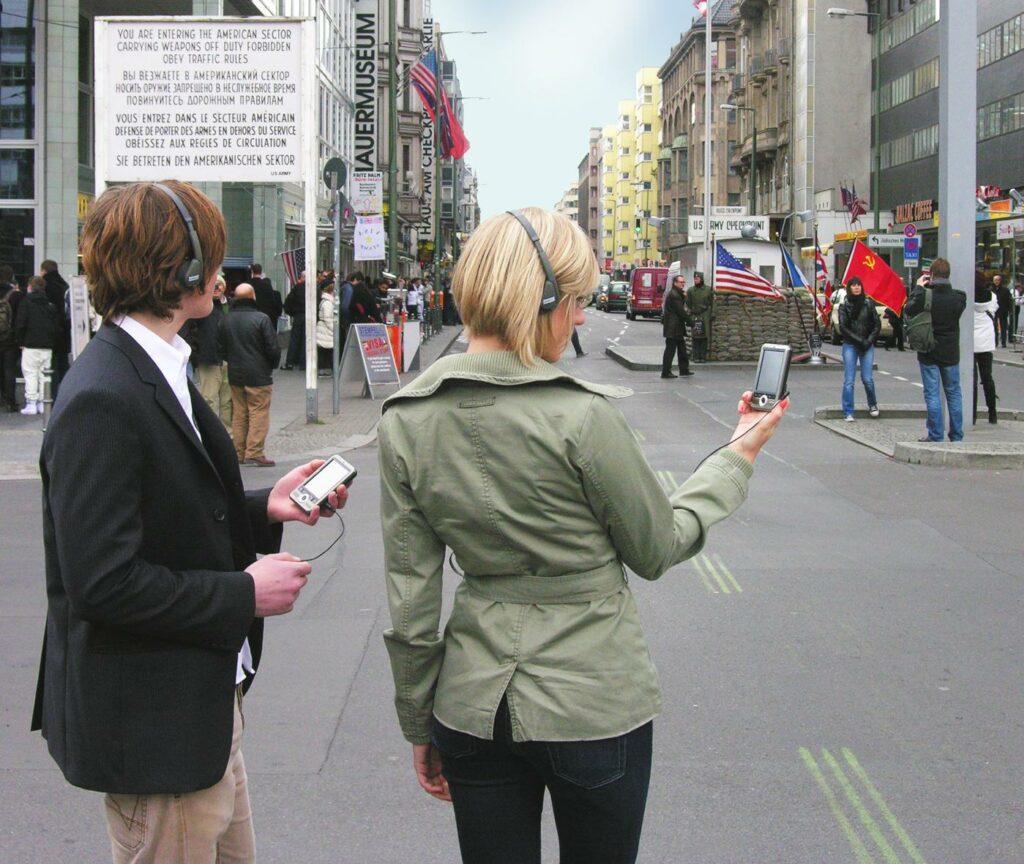
Pictures, films, original quotes, interviews and games make history and histories of the Berlin Wall come alive with the multimedia WallGuide.