Our rating
4.9
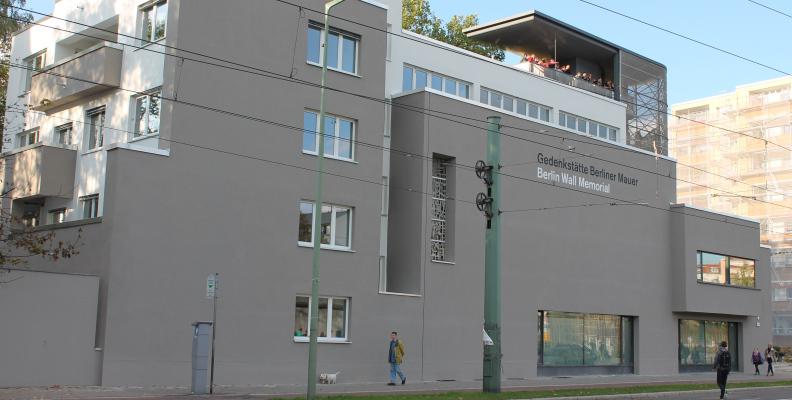
The central Berlin Wall Memorial on Bernauer Straße shows the permanent exhibition "1961 | 1989. The Berlin Wall".
See more

9 Locations
A memorial site invites reflection, and Berlin holds many that mark the events of a turbulent century. From the Wall to the Nazi era, a memorial site here helps visitors understand and remember. This overview gathers Berlin locations dedicated to memory.
Sites across the city commemorate the victims of war and dictatorship, from the Holocaust Memorial and the Topography of Terror to the many markers along the former Wall. Documentation centres and preserved buildings add context, and quiet gardens and plaques mark individual stories. Most are free to visit and open to all.
Browse the venues below to find a memorial site across Berlin, from major memorials to quiet markers.
The central Berlin Wall Memorial on Bernauer Straße shows the permanent exhibition "1961 | 1989. The Berlin Wall".
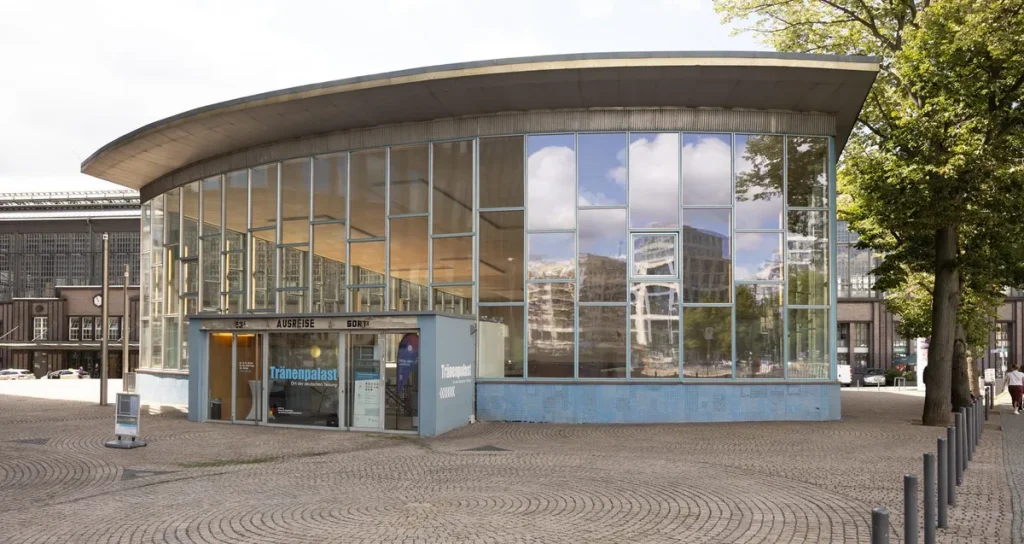
At Friedrichstraße station, there is a glass and steel pavilion that served as the departure hall at the border between East and West Berlin during GDR times. Today, the Tränenpalast (Palace of Tears) houses a permanent exhibition about everyday life in divided Germany, with free admission.
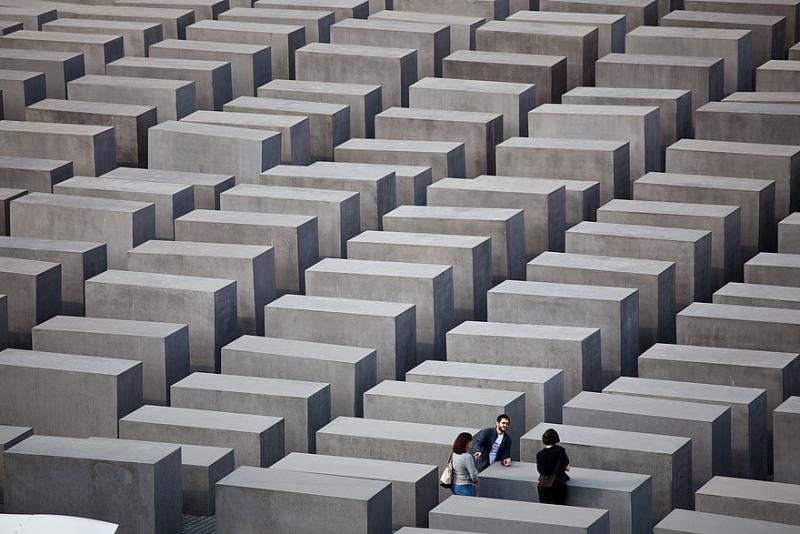
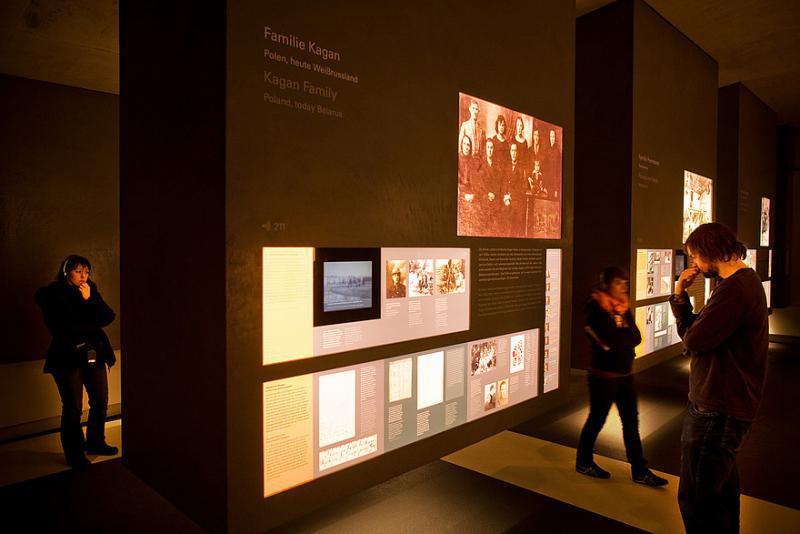
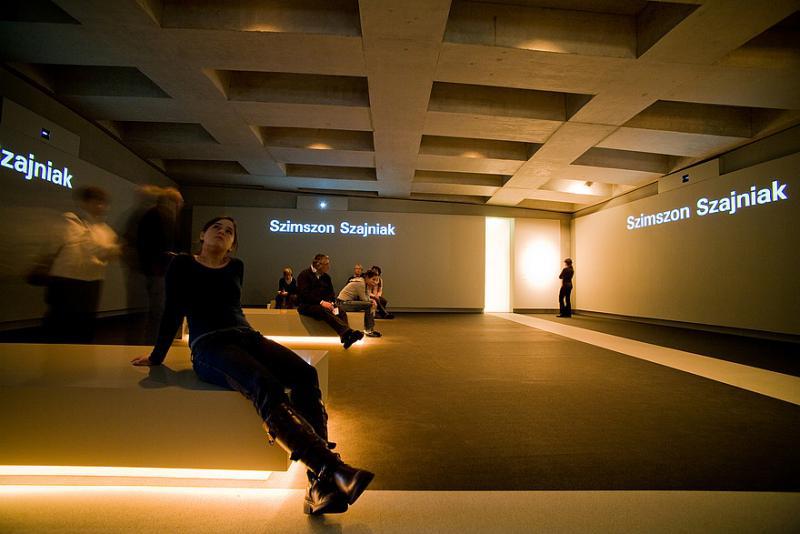
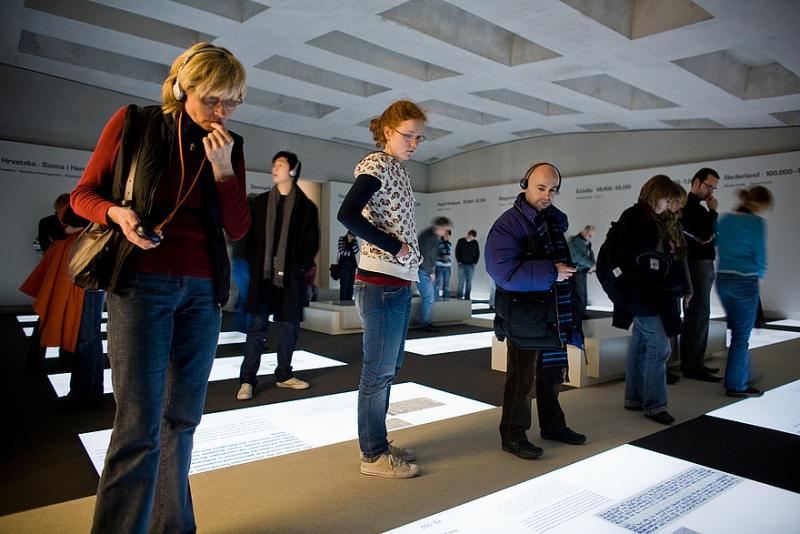
Beneath the field of stelae of the Memorial to the Murdered Jews of Europe lies the "Place of Information", an underground exhibition covering approximately 800 square meters. It tells the stories of people, families, and places of persecution, and admission is free.
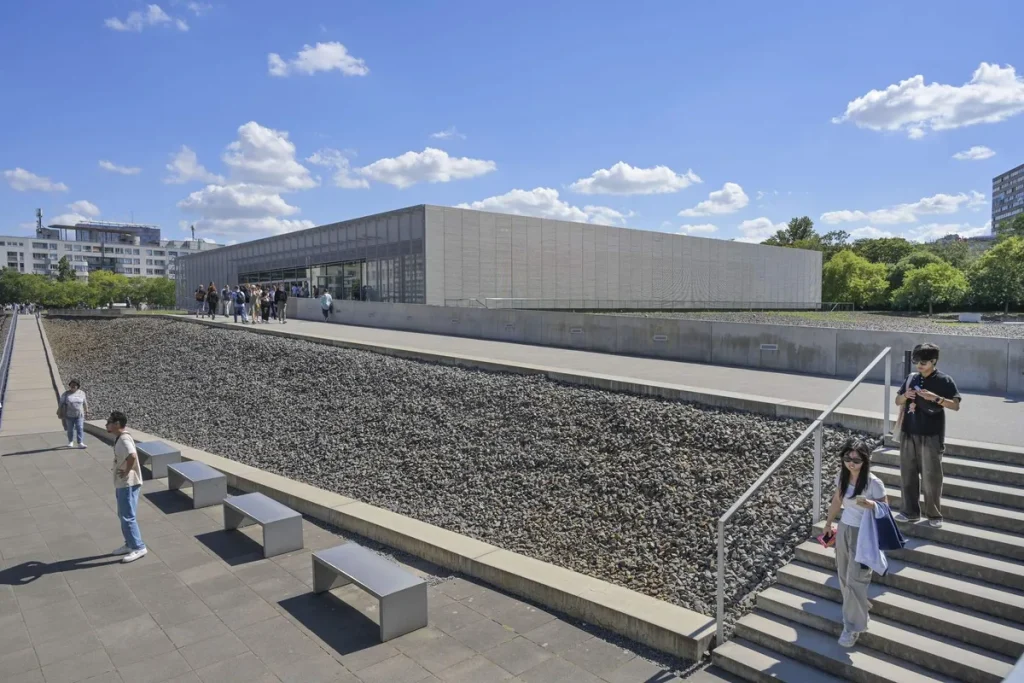
From 1933 to 1945 the Gestapo, the SS leadership and the Reich Security Main Office sat on this site at Niederkirchnerstrasse. Today there are excavated cellars, a site tour with fifteen stations and around 200 metres of the Berlin Wall. Admission and guided tours are free for school classes. For a school trip to Berlin, this is the view from the perpetrators’ side.
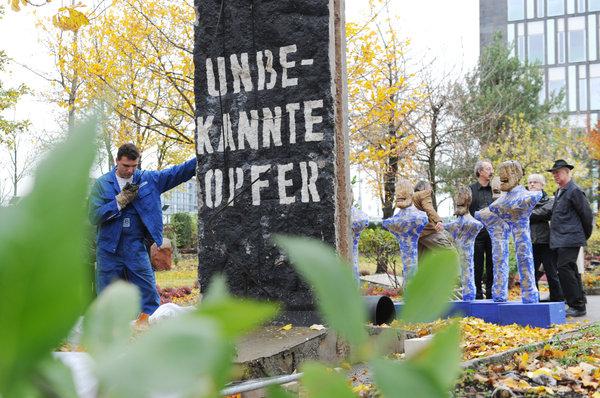
On approximately 2,850 square meters in the government district, Ben Wagin established the Parliament of Trees on the former border strip in 1990. A square of 16 trees was planted by the state premiers, and the names of 258 victims of the border regime are inscribed on granite slabs. Among the Berlin Wall sites, this is the greenest.
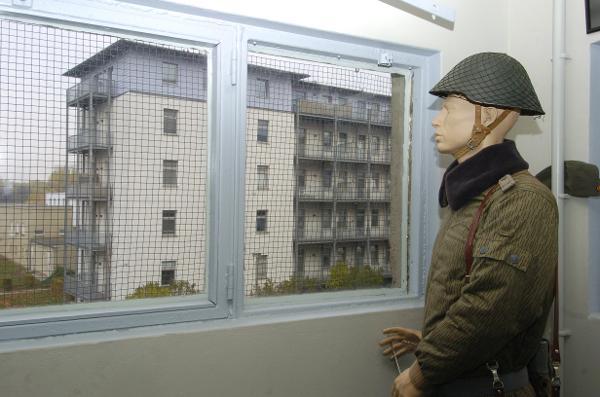
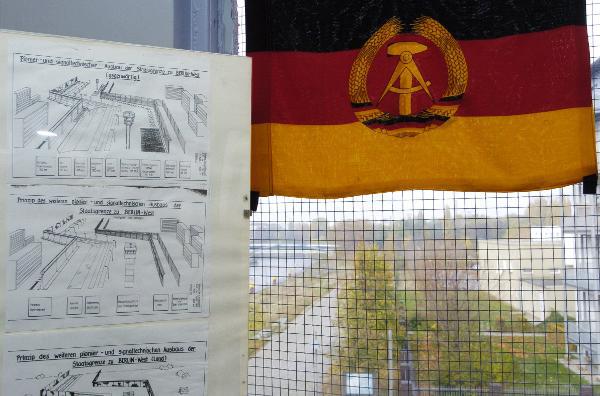
Eleven days after the Berlin Wall was built, Günter Litfin was shot dead on August 24, 1961, in Humboldthafen, becoming the first victim to die by gunfire at the Berlin Wall. The Günter Litfin Memorial is located in the former border tower at Kieler Eck, one of only three remaining towers in the city. His brother Jürgen saved it from demolition.
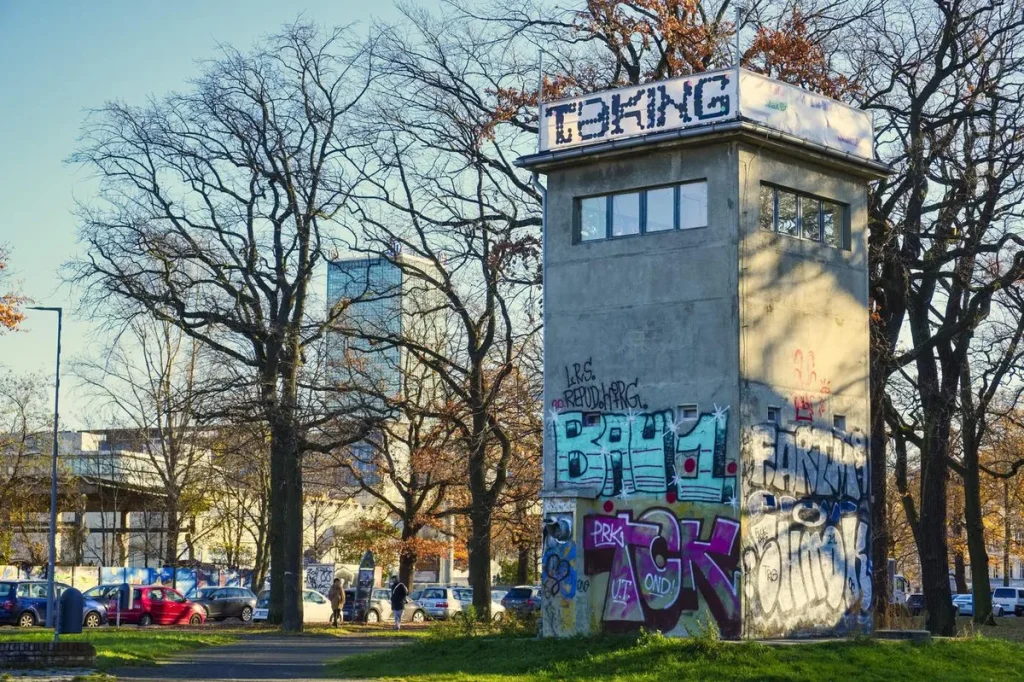
In Schlesischer Busch Park on Puschkinallee stands the GDR Watchtower, not a simple observation post, but a command center: From here, 18 watchtowers and the electronic security systems of this border section were controlled. Of 302 towers around West Berlin, three remain. Among the Berlin Wall sites, this is the most authentic.

On Zimmerstrasse in Kreuzberg, about 200 meters from the former Checkpoint Charlie, stands a 2.60-meter-high steel stele by Karl Biedermann. It marks the spot where 18-year-old Peter Fechter bled to death on August 17, 1962, after an escape attempt. No other Berlin Wall site makes the border regime so immediately tangible.
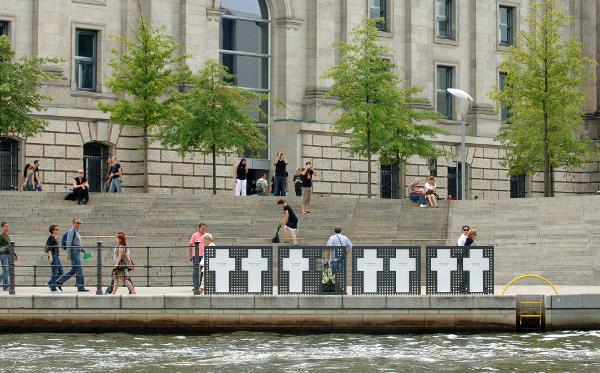
Behind the East entrance of the Reichstag, seven white wooden crosses hang in the Spree's riverbank railing, erected in 1971 by the Berliner Bürger-Verein. They name thirteen victims of the Berlin Wall, from Günter Litfin to Chris Gueffroy. The water at that time belonged to East Berlin; whoever jumped here was immediately in GDR sovereign waters.