Our rating
4.9
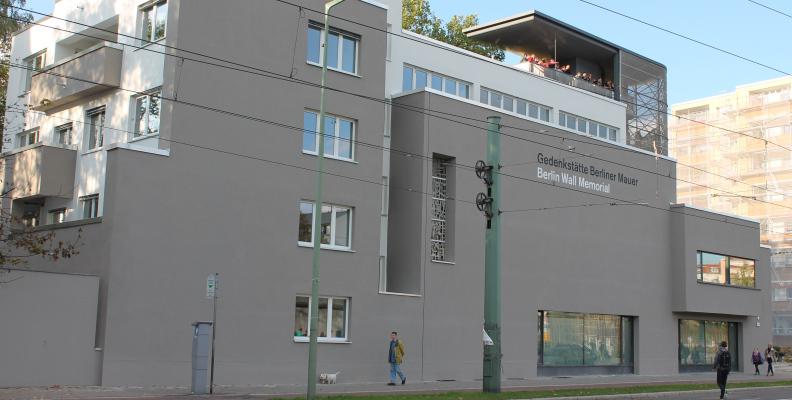
The central Berlin Wall Memorial on Bernauer Straße shows the permanent exhibition "1961 | 1989. The Berlin Wall".
See more

16 Locations
A watchtower is one of the most chilling relics of divided Berlin, a lookout from which guards once watched the Wall. A few watchtowers survive across the city, preserved as memorials to the border years. This overview gathers Berlin locations where they still stand.
The Berlin Wall Memorial on Bernauer Strasse keeps a watchtower within its preserved stretch of border, while lone towers stand near the former crossings, including the Guenter Litfin memorial in a restored command tower. Information panels explain their grim purpose, and they bring the scale of the surveillance home. They are sobering reminders of the divided city.
Browse the venues below to find a watchtower across Berlin, from the Wall Memorial to preserved command towers.
The central Berlin Wall Memorial on Bernauer Straße shows the permanent exhibition "1961 | 1989. The Berlin Wall".
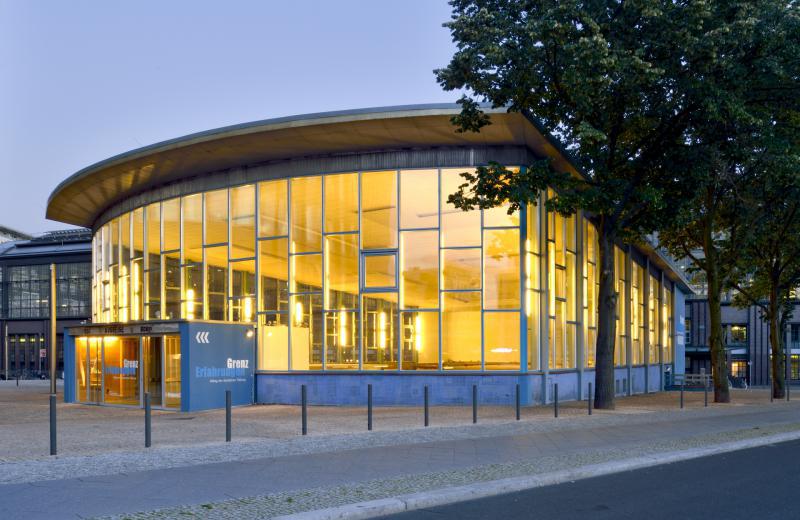
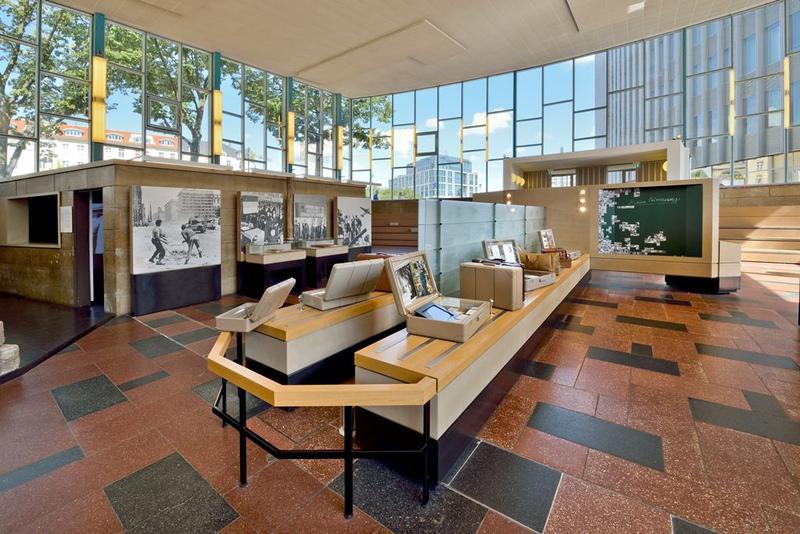
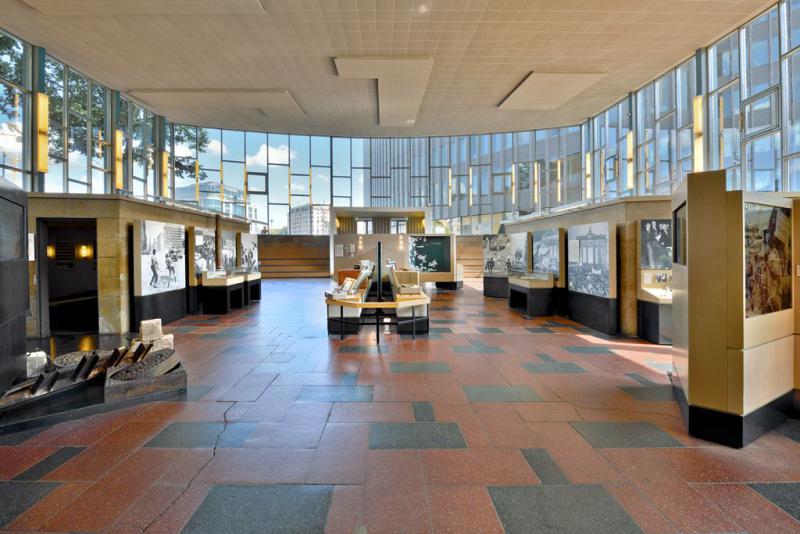
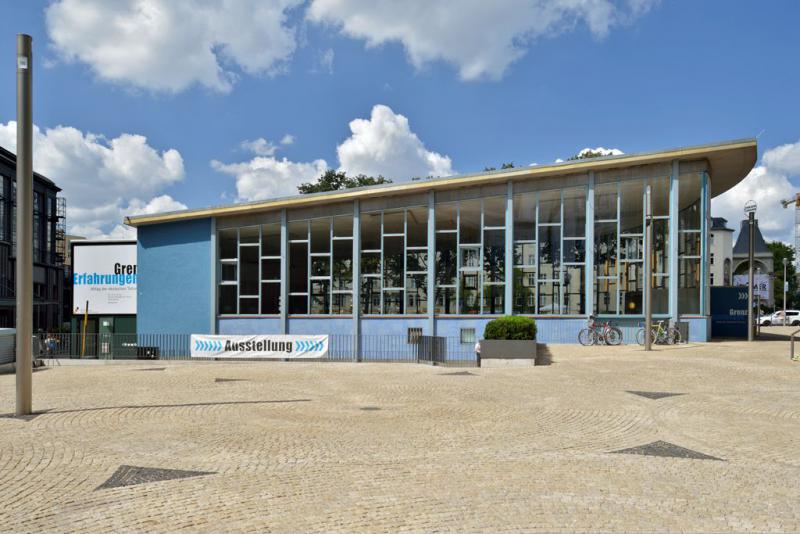
The Tränenpalast ("Palace of Tears") near Bahnhof Friedrichstraße is home to the permament exhibition "GranzErfahrungen", giving an insight into the day-to-day life of a country divided in two.


Roger Moore used Checkpoint Charlie as a backdrop for the James Bond film 'Octopussy'.
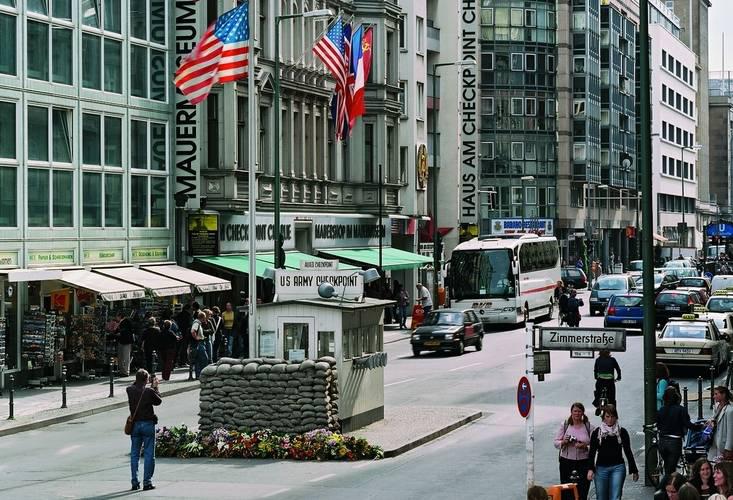

In front of the museum is the former Checkpoint Charlie. Inside, everything revolves around the creative escape attempts of people in the GDR and the border security system of that time.


Between Ostbahnhof and Oberbaumbrücke, the East Side Gallery stands as the longest preserved section of the Berlin Wall: 1.3 kilometers painted by 118 artists from 21 countries in the spring of 1990. Berlin has included the gallery in its list of monuments since November 1991. Among the Berlin Wall sites, it is the most colorful.



The Berlin Wall Trail is Berlin's most famous cycling tour: 160 kilometers on the former border strip, divided into 14 stages, all starting and ending at train stations. Over 40 information stations along the way tell the story of the division. It is not a fully developed cycle path; the surface alternates between asphalt, cobblestones, and forest floor.
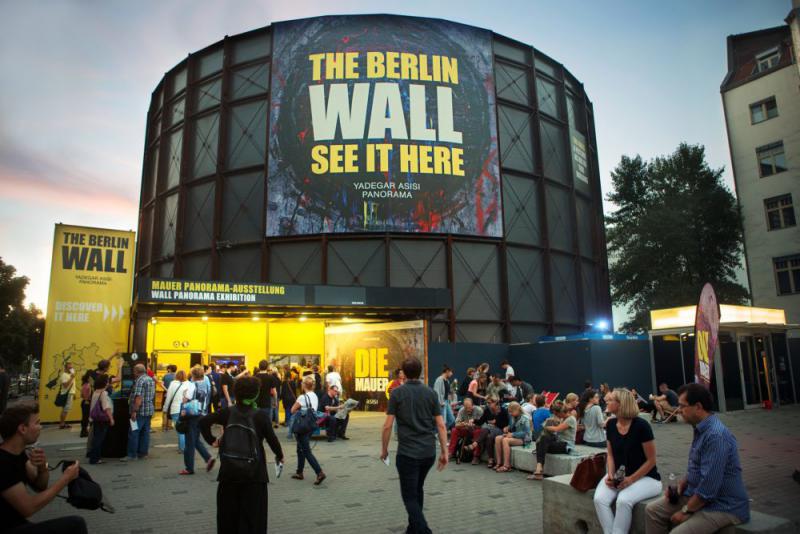
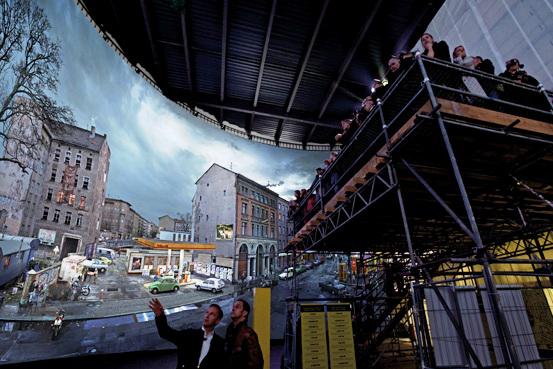
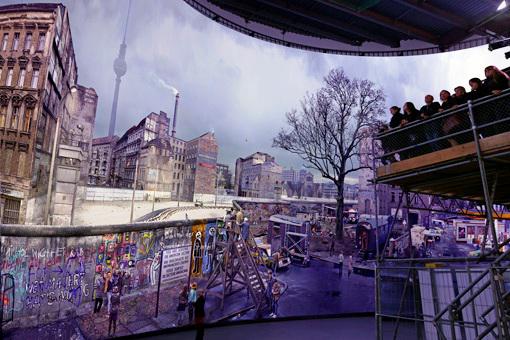
The large Panorama wall of the artist Yadegar Asisi visualizes the daily life next to the Berlin wall on a fictitious autumn day in the 1980s.


The Wall Museum East Side Gallery is located directly in the Mühlenspeicher (mill warehouse) on the Spree and offers a deep insight into the history of German division. With over 100 screens and exciting interviews, this exhibition tells the events from 1961 until the fall of the Berlin Wall in a modern way.


Together with tens of thousands of other GDR citizens, Chancellor Angela Merkel crossed into the West at this very spot on the day the Wall fell.


Where the death strip ran until 1989, today lie almost 15 hectares of Mauerpark between Prenzlauer Berg and Wedding. Behind the Jahn Sport Park, there are still around 300 meters of the inner wall, officially approved for graffiti, plus the Sunday flea market and the Bearpit Karaoke in the amphitheater. Among Berlin's parks, this is the loudest and most vibrant.
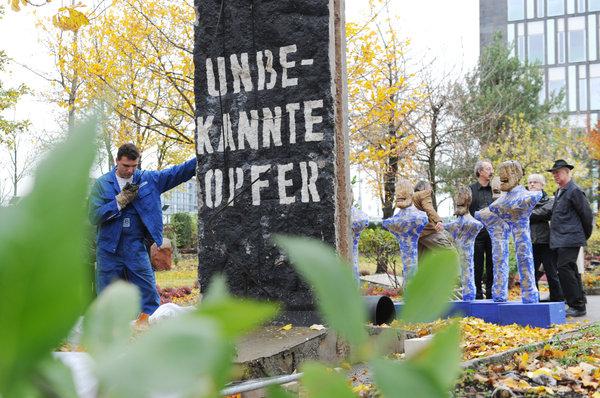
On approximately 2,850 square meters in the government district, Ben Wagin established the Parliament of Trees on the former border strip in 1990. A square of 16 trees was planted by the state premiers, and the names of 258 victims of the border regime are inscribed on granite slabs. Among the Berlin Wall sites, this is the greenest.
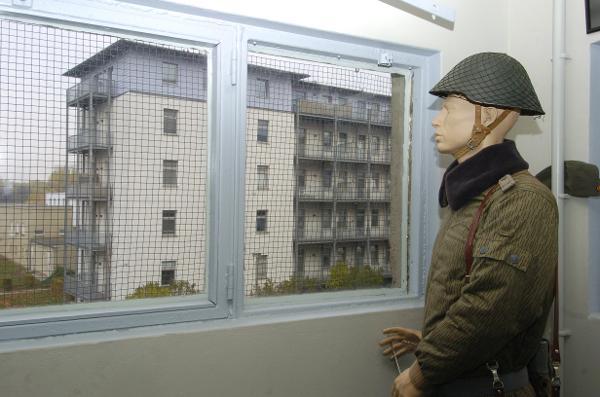
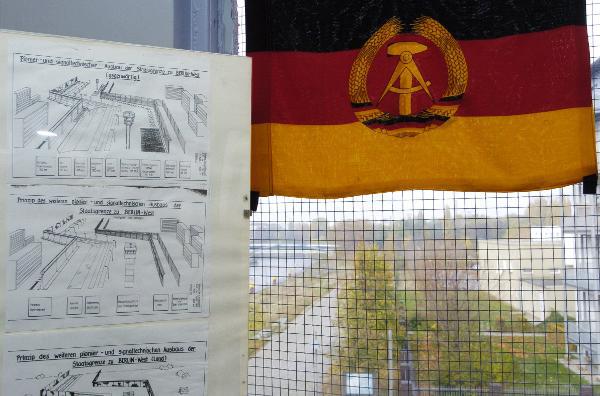
Eleven days after the Berlin Wall was built, Günter Litfin was shot dead on August 24, 1961, in Humboldthafen, becoming the first victim to die by gunfire at the Berlin Wall. The Günter Litfin Memorial is located in the former border tower at Kieler Eck, one of only three remaining towers in the city. His brother Jürgen saved it from demolition.
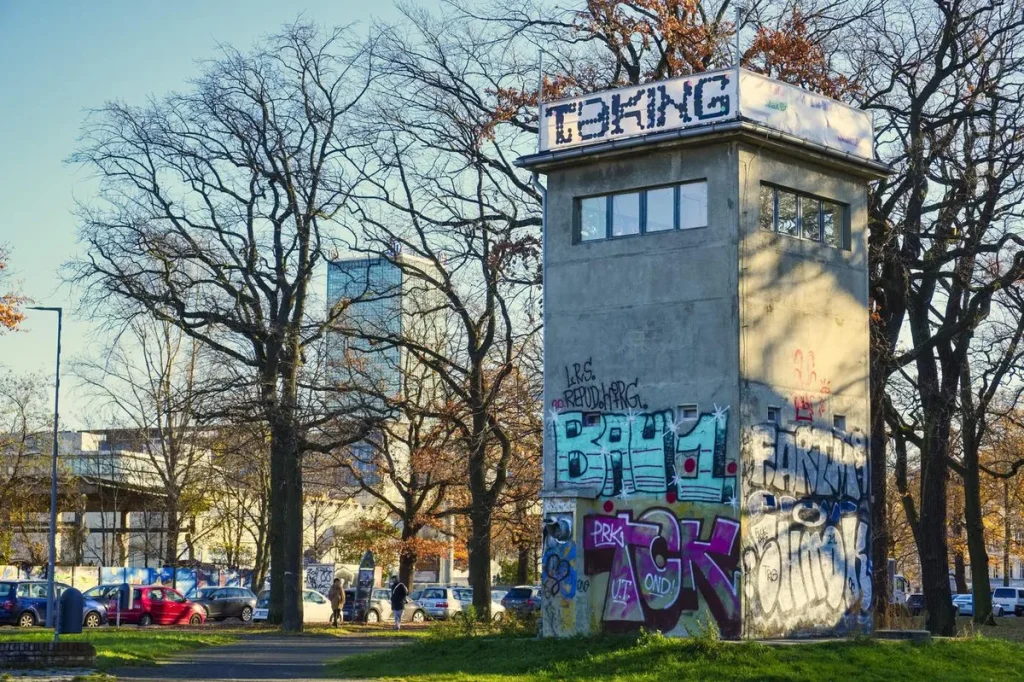
In Schlesischer Busch Park on Puschkinallee stands the GDR Watchtower, not a simple observation post, but a command center: From here, 18 watchtowers and the electronic security systems of this border section were controlled. Of 302 towers around West Berlin, three remain. Among the Berlin Wall sites, this is the most authentic.

On Zimmerstrasse in Kreuzberg, about 200 meters from the former Checkpoint Charlie, stands a 2.60-meter-high steel stele by Karl Biedermann. It marks the spot where 18-year-old Peter Fechter bled to death on August 17, 1962, after an escape attempt. No other Berlin Wall site makes the border regime so immediately tangible.
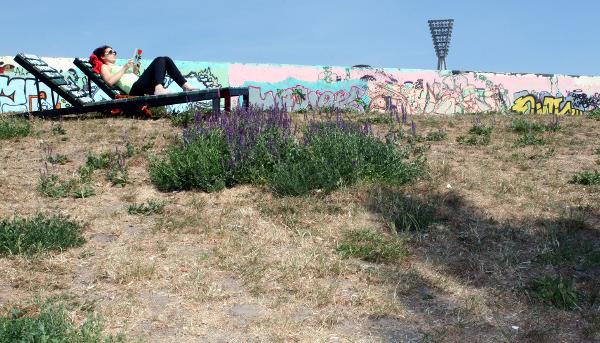
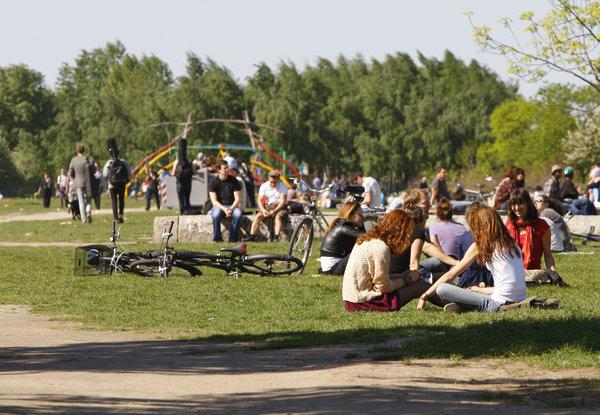
Where the death strip once ran between Prenzlauer Berg and Wedding, there are now almost 15 hectares of park. Behind the Friedrich-Ludwig-Jahn-Sportpark, about 300 meters of the original inner wall still stand, protected as a historic monument since 2001 and long covered in street art. Among Berlin Wall sites, Mauerpark is the most vibrant.
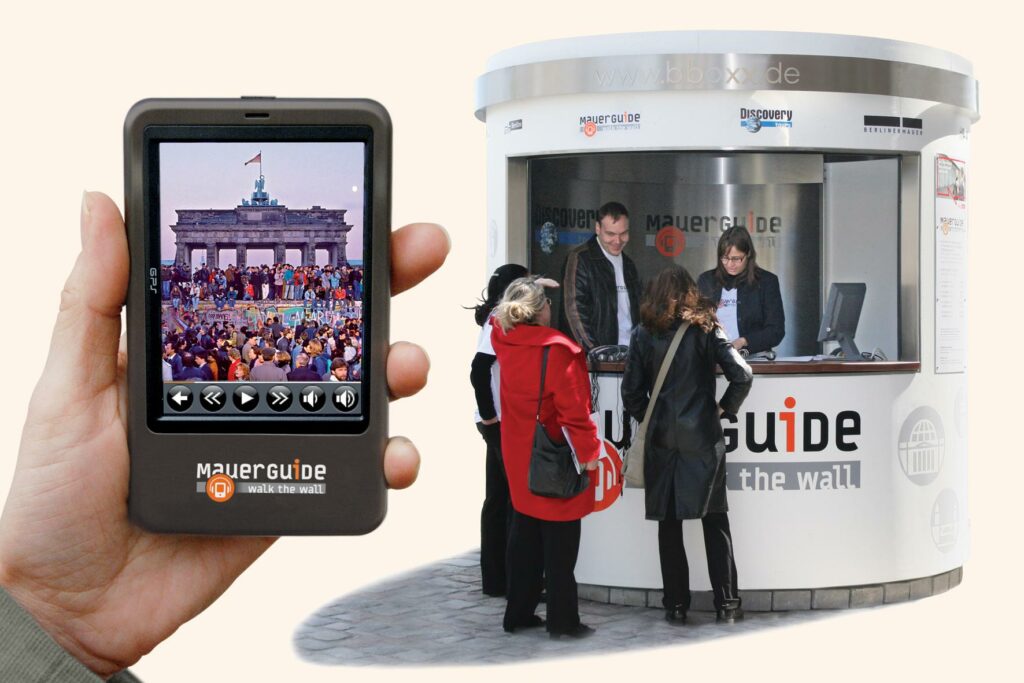
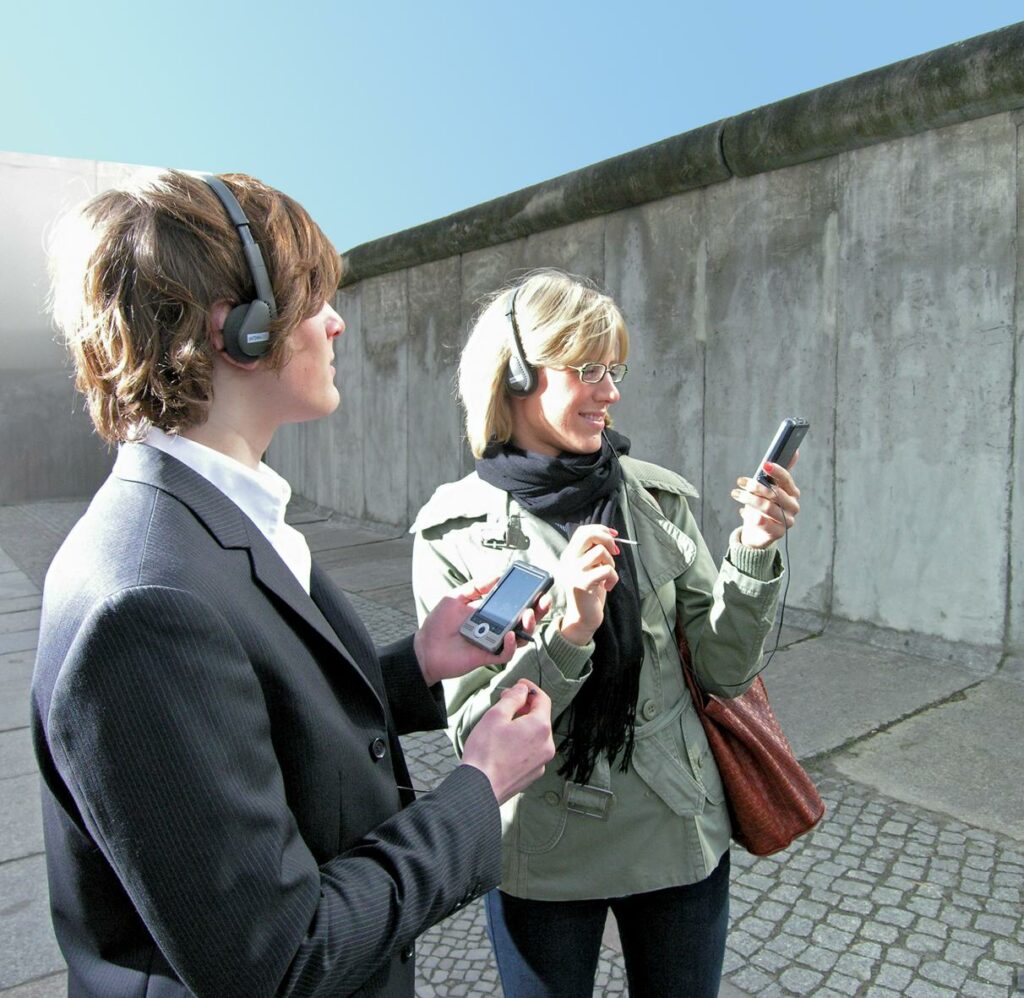
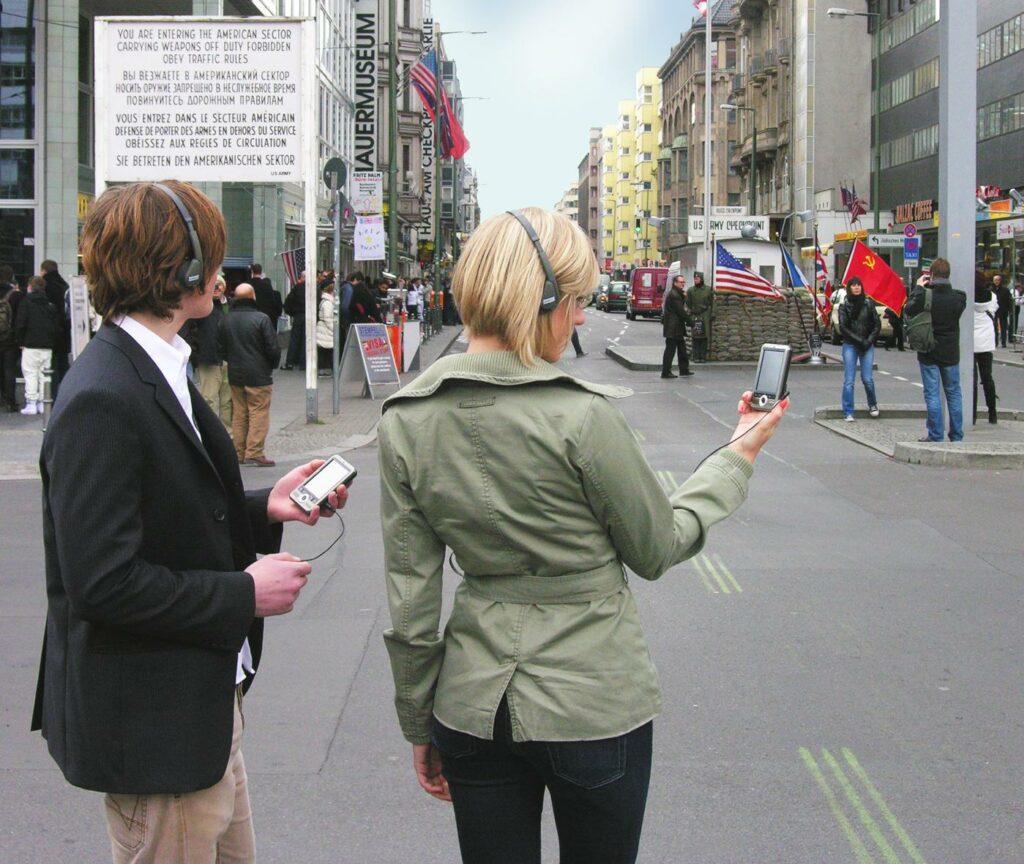
Pictures, films, original quotes, interviews and games make history and histories of the Berlin Wall come alive with the multimedia WallGuide.